Welcome to fengshuihome.ru, where we strive to help you create a space filled with harmony, prosperity, and positive energy. In the art of Feng Shui, every element in your home plays a role in shaping the overall energetic atmosphere. Plants, these living beings, are powerful conduits of Qi energy, capable of both bringing well-being and, unfortunately, disrupting it. They are believed to interact with our space, influencing our mood, health, and even financial situation.
Many of us strive to surround ourselves with greenery to bring a sense of freshness and natural beauty into our homes. However, as in any area of life, there is a principle of balance and conscious choice in the world of Feng Shui. Not every plant, no matter how beautiful it may seem, will harmoniously fit into the energetic structure of your home. Some flora species may carry energies that are, at best, neutral, and at worst, capable of weakening positive flows, creating obstacles, or even attracting undesirable events.
The purpose of this article is not to sow fear or make you get rid of all your green pets. On the contrary, we want to give you a deep understanding of how certain plants interact with the energy of your dwelling and help you make informed decisions. We will discuss ten plants that, according to ancient Feng Shui teachings, are not recommended for keeping in homes, and explain why. Prepare to learn how to make your home a true oasis of harmony by choosing the right green friends.
Your Home’s Energy: How Flora Influences Well-being According to Feng Shui
The foundation of Feng Shui teaching is the idea that everything around us possesses Qi energy. This energy can be Sha Qi (negative, destructive) or Sheng Qi (positive, constructive). Plants, being living organisms, continuously emit and absorb energy, becoming active participants in the energy exchange in your home. Thus, they not only decorate the interior but also actively shape the energetic background, influencing all aspects of the lives of its inhabitants.
It is believed that the shape of the leaves, the direction of growth, the presence of sharp thorns or spines, and the overall vitality of the plant all play a key role in determining its energetic impact. For example, plants with rounded, soft leaves and flowing lines usually emit a gentle, calming Sheng Qi energy, promoting relaxation and well-being. Whereas plants with sharp, pointed leaves or thorns can generate Sha Qi, creating “arrows” of negative energy that can cause conflicts, tension, and even health problems.
Moreover, it is believed that some plants act as so-called “energy vampires.” They can absorb life energy from people or from the space, leaving behind a feeling of fatigue, apathy, or general depletion of strength. Such an influence can affect family relationships, financial well-being, and even the overall physical and emotional state of the residents. This is why it is so important to be careful when choosing houseplants, as your home is your sanctuary, and every corner of it should contribute to your prosperity.
Proper placement of plants according to Feng Shui principles allows for the enhancement of desired life aspects – be it career, love, health, or wealth. But it is equally important to know which plants to avoid in order not to create undesirable energetic imbalances. Understanding these nuances will help you turn your home into a true magnet for luck and abundance.
The Forbidden List: 10 Plants to Avoid in Your Home
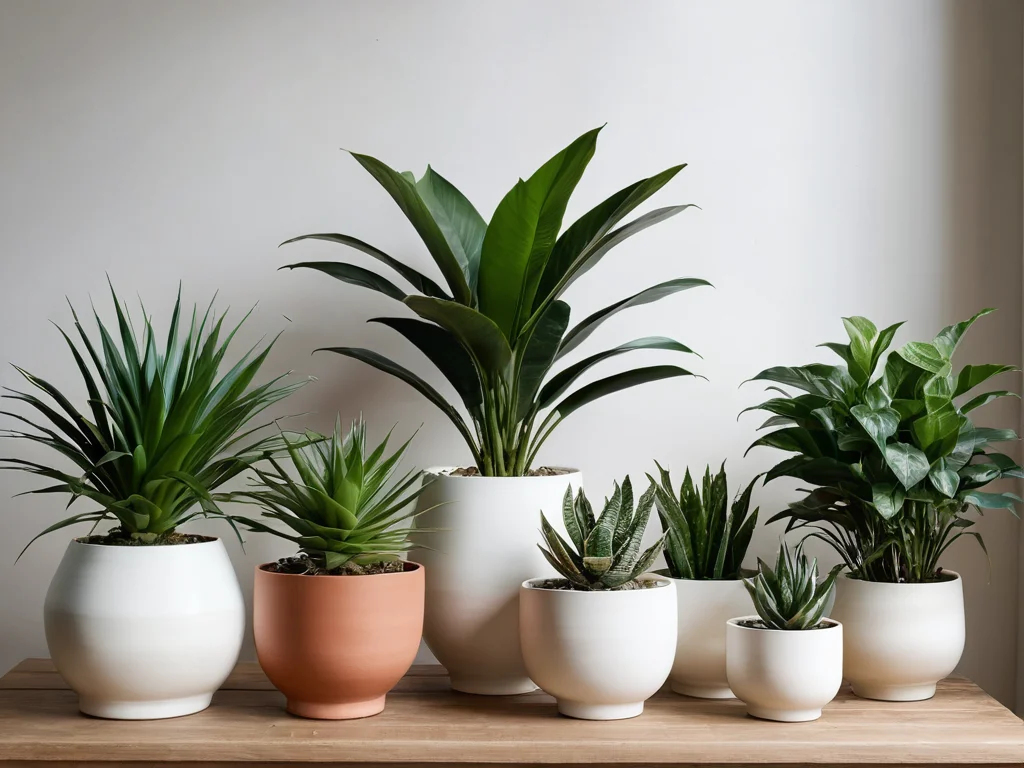
Now that you understand the importance of the energetic interaction between plants and your home, it’s time to get specific. Below is a list of ten plants that, according to Feng Shui masters, are best not kept in living spaces. This list is based on centuries of observation of the influence of various flora species on home energy and people’s well-being. It is important to remember that each plant is unique, and its influence can be multifaceted, but general trends allow us to identify those most often associated with unfavorable energies.
We will examine each of these plants individually, explaining in detail the reasons why their presence in the home is undesirable, and offering safe and energetically favorable alternatives. This will help you make an informed choice and fill your space with exclusively positive vibrations. Prepare to learn about the “green inhabitants” that can subtly undermine your harmony and how to replace them with true helpers in creating a prosperous home.
The First Five ‘Energy Vampires’ and Their Safe Alternatives
Let’s take a closer look at the first five plants whose presence in the home, according to Feng Shui, can lead to undesirable consequences. We will delve into why these particular species are considered potential sources of negative energy and what can be used to replace them to preserve and enhance the harmony of your dwelling.
- Monstera (Monstera deliciosa)
Monstera is a tropical plant with large, cut leaves, often found in modern interiors due to its striking appearance. However, from a Feng Shui perspective, Monstera is considered a rather controversial plant for the home. Its large, deeply dissected leaves, resembling predatory paws or sharp edges, generate strong and aggressive Sha Qi. It is believed that such energy can “pressure” the inhabitants of the home, causing feelings of anxiety, oppression, and even depression.
The energy of Monstera, according to masters, is too active and dominant for a calm home environment. It can drain personal energy from people, leading to chronic fatigue, apathy, and decreased vitality. It is especially undesirable to place Monstera in bedrooms, children’s rooms, or the wealth sector (southeast), as it can block the influx of positive energy associated with these aspects of life. Its enormous size and rapid growth can also symbolize the absorption of space and resources, which is not always favorable for the family budget and personal development.
Safe Alternative: If you like large plants, choose a Fiddle Leaf Fig (Ficus lyrata) with rounded leaves or a Dracaena marginata with softer, drooping leaves. These plants are considered more favorable for the home as they emit a calm and stable energy that promotes growth and prosperity. A great choice is also the Zamioculcas (ZZ plant), which attracts financial well-being with its dense, glossy leaves and symbolism of growth.
- Cacti and Succulents with Sharp Spines
Cacti and some types of succulents, especially those with long, sharp spines, are a classic example of plants that generate Sha Qi. It is believed that their spines emit “poisoned arrows” of energy that can cause quarrels, conflicts, tension in relationships, and even health problems. Their aggressive energy is capable of destroying harmony and peace in the home, creating a constant feeling of discomfort or hidden threat.
Feng Shui masters often compare the sharp spines of cacti to defensive mechanisms that, when placed inside the home, can lead to constant “defense” and internal tension among residents. It is especially undesirable to keep cacti in bedrooms, as they can negatively affect sleep, causing anxiety and insomnia. They should also not be placed in work areas where concentration and peace are required, or in the relationship sector (southwest) to avoid conflicts and disagreements.
Safe Alternative: If you like succulents, choose species with rounded, fleshy leaves without sharp spines, such as the Jade Plant (Crassula ovata), Haworthia, or Echeveria. These plants bring stability, financial well-being, and gentle, calming energy into the home. They symbolize accumulation and preservation, which is very favorable for any home.
- Dieffenbachia (Dieffenbachia)
Dieffenbachia is another popular houseplant with large, often variegated leaves. From a Feng Shui perspective, this plant carries a rather heavy and unfavorable energy. Furthermore, Dieffenbachia sap is poisonous, which in itself carries negative symbolism and can cause intuitive unease, especially if there are children or pets in the home.
It is believed that Dieffenbachia can attract illness and misfortune, as well as provoke quarrels and misunderstandings between family members. Its energy is perceived as oppressive and depressing, capable of “draining” life force. Placing Dieffenbachia in living spaces can create an atmosphere of tension and discomfort, hindering the formation of harmonious relationships and overall well-being. This plant is often associated with energetic stagnation and obstacles.
Safe Alternative: A wonderful replacement for Dieffenbachia is the Peace Lily (Spathiphyllum), which not only purifies the air but also attracts harmony, love, and well-being to the home. Aglaonema, with its beautiful leaves, is also a good choice and is considered a favorable plant for creating a calm and positive atmosphere. Both of these plants emit a gentle, feminine energy that promotes relaxation and happiness.
- Ivy (Hedera helix)
Ivy, or Hedera, is a climbing plant often used for vertical landscaping. However, in the context of Feng Shui, its presence indoors is highly undesirable. Ivy is considered a strong “energy vampire” that drains the life energy of the home’s inhabitants. Its creeping nature is associated with entanglement, obstacles, and decline.
According to folk beliefs and Feng Shui teachings, ivy can attract loneliness and quarrels, especially for women. It is called a “man-repeller” as it is believed to drive away men and hinder the creation of strong family bonds. Ivy is also thought to symbolize destruction and decay, as in nature it clings to walls and can cause them to crumble. In the home, this can manifest as a gradual fading of relationships, financial problems, or a decline in health.
Safe Alternative: If you like climbing plants, consider the Golden Pothos (Scindapsus), which, on the contrary, is considered a plant that attracts money and luck, especially if its vines are directed upwards. You can also choose Tradescantia, which is considered a plant that brings joy and good mood. It is important to ensure that its vines do not hang down, symbolizing energy leakage, but are either neatly tied up or placed at a height.
- Sansevieria, or ‘Mother-in-Law’s Tongue’ (Sansevieria trifasciata)
Sansevieria, popularly known as “mother-in-law’s tongue” or “snake plant,” sparks much debate in Feng Shui circles. On one hand, its elongated, pointed leaves can create Sha Qi, or “poisoned arrows,” which are believed to bring conflicts, aggression, and disagreements into the home. Many Feng Shui masters caution against placing this plant in living rooms, especially bedrooms and living rooms, where it is important to maintain a peaceful and calm atmosphere.
Its sharp forms can symbolize the “cutting” of energy and relationships, leading to quarrels and tension. However, there are other opinions. Some sources claim that due to its ability to purify the air and its hardiness, Sansevieria can be beneficial in certain areas, such as offices or open verandas, where protection from external negative energy is required. In a residential home, it is more often classified as unfavorable, especially if placed incorrectly.
Safe Alternative: Instead of Sansevieria, choose Spider Plant (Chlorophytum), known for its ability to effectively purify the air and generate positive energy. Dracaena with broad, soft leaves is also an excellent choice, symbolizing growth and development. These plants contribute to creating a fresh, clean, and harmonious atmosphere, which is very important for the well-being of all home inhabitants.
The Second Five: Plants That Attract Negativity and How to Replace Them
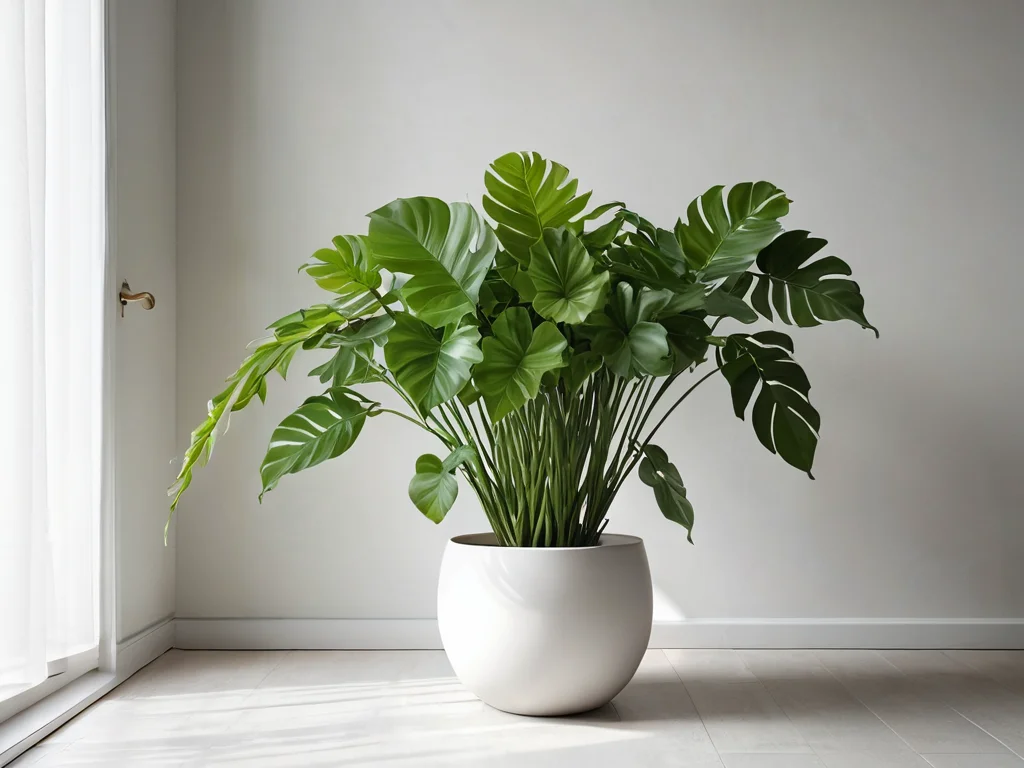
We continue our review of plants that, according to Feng Shui teachings, are best not kept in the home. This second set of five also includes species capable of influencing your well-being by attracting undesirable energies or depleting positive flows. Understanding their influence will help you make an informed choice in favor of harmony and prosperity.
- Ferns
Ferns are ancient and beautiful plants often associated with forest freshness and mysticism. However, from a Feng Shui perspective, ferns are considered strong “energy vampires.” Their lush, dense foliage, consisting of many small leaves, can actively absorb energy from the surrounding space and from people. This can lead to feelings of fatigue, apathy, depletion of strength, and even emotional burnout.
It is believed that ferns create too strong “earth” energy in the home, which can suppress other, lighter and more positive energies. They can attract melancholy, sadness, and contribute to stagnation in affairs. It is especially undesirable to place ferns in bedrooms, where a light and relaxing atmosphere is required, or in areas of active communication, as they can weaken social connections and cause introversion.
Safe Alternative: If you like plants with lush foliage, consider Philodendron, especially varieties with rounded leaves. It is considered a symbol of stability and growth. Maranta or Calathea are also excellent choices, bringing movement and vitality to the home with their unique leaves that fold at night and open during the day, symbolizing the cycles of nature and renewal.
- Oleander (Nerium oleander)
Oleander is a beautiful shrub with bright, often fragrant flowers that can look very attractive. However, from a Feng Shui perspective, as well as for safety reasons, Oleander is highly undesirable for keeping in the home. All parts of this plant are poisonous, which in itself creates a negative energy of fear and danger.
In addition to the obvious threat to health (especially if there are children or pets in the home), it is believed that Oleander attracts negative events and can contribute to a decline in overall well-being. Its energy is associated with decline, illness, and disappointment. In Feng Shui, poisonous plants are always considered sources of Sha Qi, capable of bringing disharmony and obstacles into the home. The fragrance of blooming Oleander, though pleasant, can be too strong and cause headaches or insomnia in some people, which also does not contribute to harmony.
Safe Alternative: To bring the beauty of flowering plants into your home, choose Azalea (with caution, as some varieties are also poisonous, but energetically more favorable if not in the bedroom), or, more safely and favorably, Hibiscus (Chinese Rose). Hibiscus attracts passion, love, and vitality. Beautifully flowering Anthuriums, symbolizing courage and success, or Orchids, bringing sophistication and purity but requiring careful placement, are also suitable.
- Camellia (Camellia japonica)
Camellia is an exquisite plant with large, waxy flowers, often associated with beauty and refinement. However, in the context of Feng Shui, Camellia has a less than favorable reputation, especially for personal relationships and emotional well-being. It is believed that Camellia can attract the energy of separation, disappointment in love, and emotional coldness.
Its flowers, though beautiful, can symbolize the rapid fading of feelings or the transience of beauty. Some Feng Shui masters believe that Camellia can create an atmosphere of melancholy and loneliness, hindering the formation of deep and sincere connections between people. It can cause partners to drift apart, or prevent romantic relationships from developing into something more serious and stable.
Safe Alternative: To attract love and strengthen relationships, choose Geranium with soft, rounded leaves, which, in addition to its air-purifying properties, is considered a symbol of family happiness and well-being. Violets, symbolizing tenderness, loyalty, and coziness, are also an excellent choice. And to add a touch of romance, you can use roses (thornless) or Impatiens, known as “Busy Lizzie,” which attracts joy and abundance into the home.
- Hoya, or ‘Wax Plant’ (Hoya carnosa)
Hoya is a beautiful climbing plant with dense, waxy leaves and fragrant clusters, loved by many for its unpretentiousness. Nevertheless, like common ivy, Hoya belongs to the category of climbing plants that are considered undesirable for keeping in the home in Feng Shui. Its creeping form, especially if the vines hang freely, can symbolize entanglement, obstacles, and energy leakage.
In folk beliefs and some Feng Shui interpretations, Hoya, like ivy, is associated with “man-repelling” and can attract problems in personal life, drive away men, and hinder the creation of harmonious relationships. It is believed that it can create invisible barriers between people, leading to misunderstandings, quarrels, and feelings of loneliness. Its energy, while not as aggressive as that of cacti, can still be too passive and oppressive for an active and prosperous home atmosphere.
Safe Alternative: If you prefer climbing or trailing plants, choose those with more favorable energy. For example, Spider Plant (Chlorophytum), which perfectly purifies the air and carries light, positive energy. You can also consider vines with heart-shaped leaves, such as Philodendron hederaceum, but it is important to tie up their vines so that they grow upwards, symbolizing growth and development, rather than hanging down, which can symbolize energy leakage.
- Yucca (Yucca)
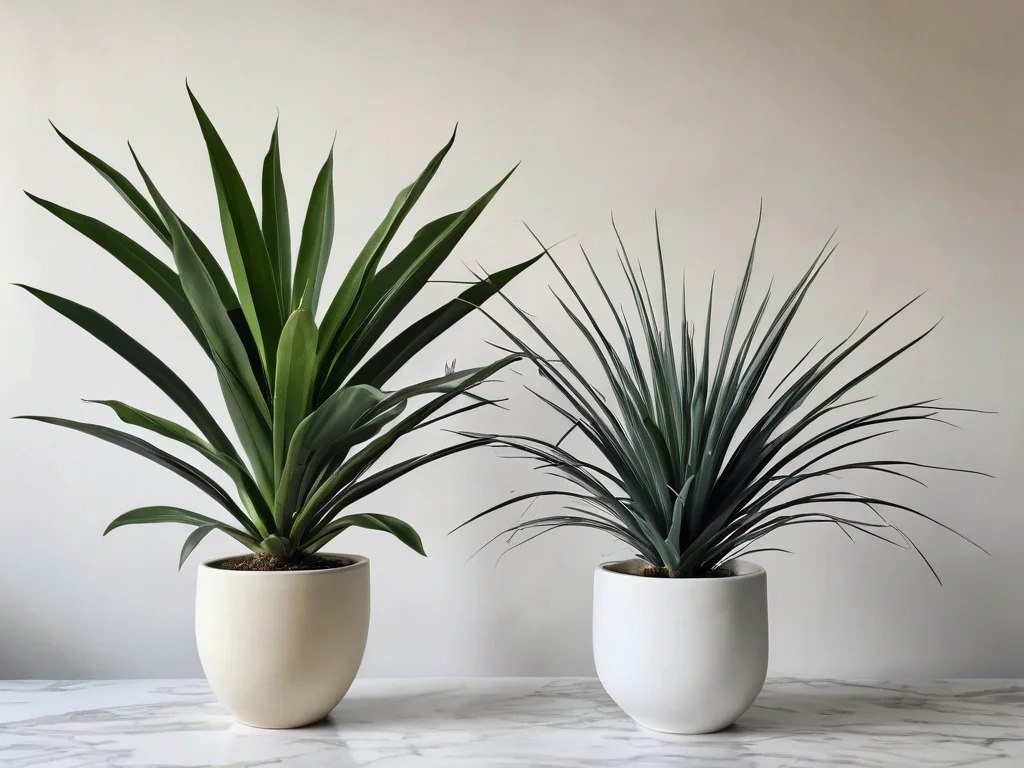
Yucca is a striking, tree-like plant with stiff, pointed leaves resembling swords. Despite its decorative qualities, Yucca, like other plants with sharp forms, generates strong and potentially aggressive Sha Qi. It is believed that its sharp leaves can create “arrows” of negative energy that can provoke conflicts, quarrels, and tension in relationships between household members.
The energy of Yucca, according to Feng Shui masters, is too sharp and direct for creating a soft and cozy home atmosphere. It can cause a feeling of constant internal tension, leading to stress, irritability, and chronic fatigue. It is especially not recommended to place Yucca in bedrooms, children’s rooms, or relaxation areas, where it is extremely important to maintain a relaxing and calming energy. Its presence can disrupt sleep and peace, creating a feeling of discomfort.
Safe Alternative: If you like large tree-like plants, choose Ficus with rounded leaves, such as the Rubber Plant (Ficus elastica) or Weeping Fig (Ficus benjamina), which symbolize stability, growth, and abundance. Dracaena with soft, curved leaves is also an excellent choice, bringing peace and tranquility to the home. These plants will create a sense of security and well-being without disrupting the harmony of your space.
What to Do If You Already Have a ‘Forbidden’ Plant? Exceptions and Ways to Neutralize
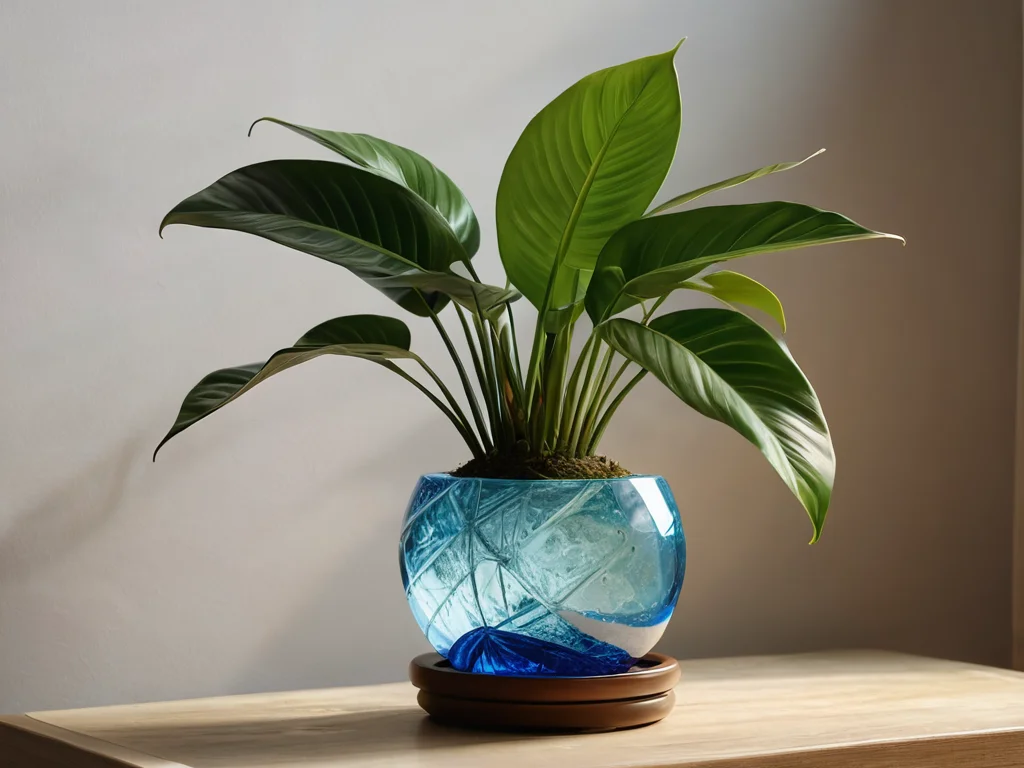
After reading the list, you may have a logical question: what should you do if one or more of the “forbidden” plants already adorn your home? Don’t panic. Feng Shui is not a set of strict rules, but rather a set of recommendations for creating a harmonious space. The main thing is a conscious approach and a desire to improve the energy of your dwelling.
If you have such a plant, here are a few steps you can take:
- Relocation: This is the simplest and most effective method. Move the plant from active living areas (bedrooms, living rooms, children’s rooms, kitchens) to less significant or even external spaces. For example, a cactus can be placed on a windowsill facing the street to protect the house from external negativity, but not direct its “arrows” inward. Oleander can be moved to a balcony or garden.
- Energy Neutralization: If relocation is impossible or you are very attached to the plant, try to neutralize its negative energy.
- Using Round Shapes: Next to an “sharp” plant (e.g., Sansevieria or Yucca), you can place a vase with round pebbles, a figurine with smooth lines, or a plant with rounded leaves. Round shapes symbolize harmony and can smooth out aggressive energies.
- Red Thread or Ribbon: For cacti or plants with sharp leaves, you can tie a red thread or ribbon around the pot or a few stems. Red color in Feng Shui has strong protective energy and can ward off negativity.
- Crystals: Place crystals such as amethyst, clear quartz, or rose quartz near the plant. Crystals are believed to purify and harmonize the energy of the space.
- Mirrors: In some cases (very carefully!), a small Bagua mirror can be used, directed AWAY from the house, to reflect Sha Qi. However, this is a very specific tool and requires consultation with a specialist to avoid harm.
- Care and Cleanliness: Keep the plant in perfect condition. Promptly remove dry leaves and flowers. A healthy, well-cared-for plant always radiates more positive energy than a sick or neglected one.
- Gift or Give Away: If you feel that the plant is truly causing discomfort, or if the situation does not improve after all neutralization attempts, perhaps the best solution is to gift it to someone who is not as sensitive to energies, or to donate it to a public place (office, cafe) where its energy will not so strongly affect personal space.
- Listen to Your Intuition: The most important thing in Feng Shui is your personal feelings. If you feel uncomfortable around a particular plant, if it causes you anxiety or depression, trust your feelings. Your inner voice is the best indicator of energetic compatibility.
Remember that Feng Shui is a flexible teaching designed to improve your life, not restrict it. Use these tips as a guide to create a home that will support you and your family on all levels.
Beyond the List: Common Mistakes in Plant Placement and Space Harmonization
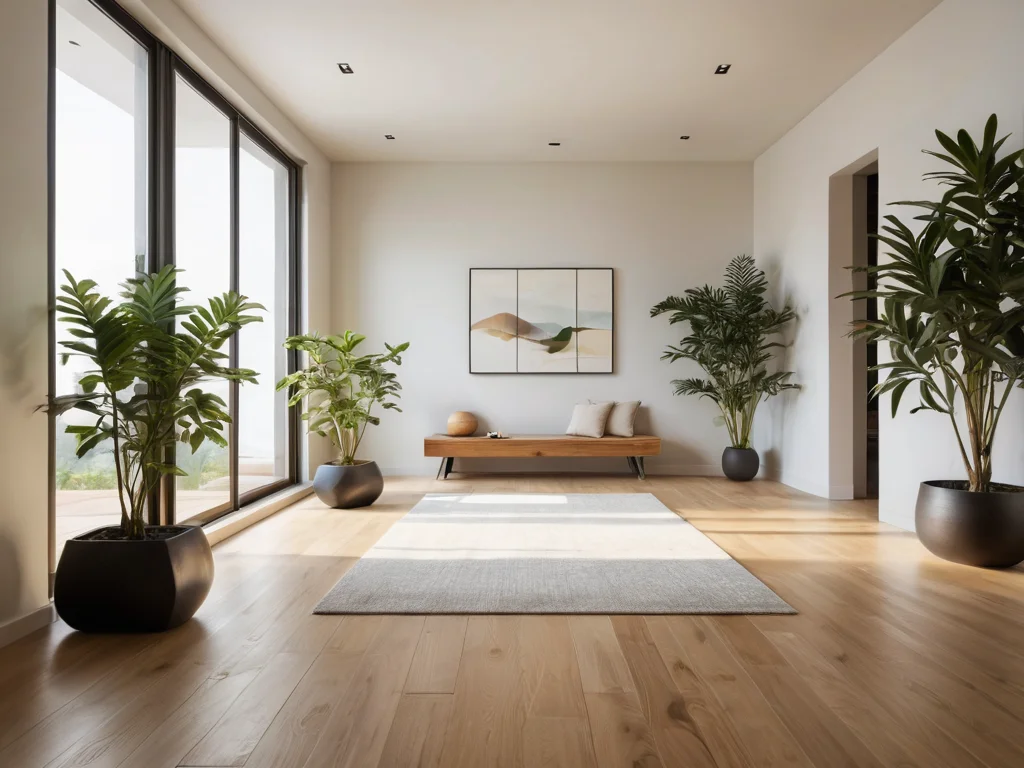
In addition to specific plant species, it is also important to consider general principles of their placement and care to avoid common mistakes that can disrupt harmony in the home. Even the “correct” Feng Shui plant can become a source of negativity if it is not in its proper place or is poorly cared for.
Here are a few key points to pay attention to:
- Plant Location:
- Bedroom: Avoid placing too many plants, especially large ones or those with strong fragrances, in the bedroom. They are believed to create excessive Yang energy, disrupting peaceful sleep and intimate atmosphere. Small plants with soft, rounded leaves, such as violets or aloe, placed away from the bed are best in the bedroom.
- Entrance Door: Do not place plants directly in front of the entrance door or directly in the path of energy flow into the house. This can block the influx of positive Qi. The entrance should be clear and welcoming.
- Corners and Protruding Elements: Place plants so that they do not create Sha Qi “arrows” directed at resting or working areas. If you have sharp corners in furniture or architecture, plants with soft shapes can soften them.
- Plant Health and Appearance:
Dying, sick, wilting, or dusty plants are powerful sources of Sha Qi. They symbolize decline, stagnation, and lack of vitality, which can negatively affect the health and well-being of the home’s inhabitants. Regularly inspect your plants, remove dry leaves and branches, and wipe off dust. It is better to get rid of a sick plant that cannot be cured than to keep it in the house.
- Leaf Shape and Growth Direction:
As mentioned earlier, plants with rounded, fleshy leaves (e.g., Money Tree) are considered more favorable as they generate gentle, calming energy. Climbing plants, if used, should be neatly tied so that their vines grow upwards rather than hanging down, which symbolizes energy leakage and entanglement. Plants that grow upwards symbolize growth, development, and striving for goals.
- Excess of Plants:
Do not overload the space with too many plants. An excess of greenery can create a “jungle” or “forest” feel, which, from a Feng Shui perspective, is not always favorable for a home atmosphere. It is important to maintain balance and leave enough free space for Qi circulation.
- Plant Pots:
Choose pots made from natural materials (ceramic, terracotta) and avoid overly sharp or angular shapes, unless they are special protective elements placed externally. The color of the pot can also be significant, corresponding to the element of the zone where the plant is located.
By applying these general principles, you can create not just a beautiful, but also an energetically balanced interior that will support you and contribute to your prosperity.
A Green Home According to Feng Shui: Creating an Oasis of Prosperity and Health
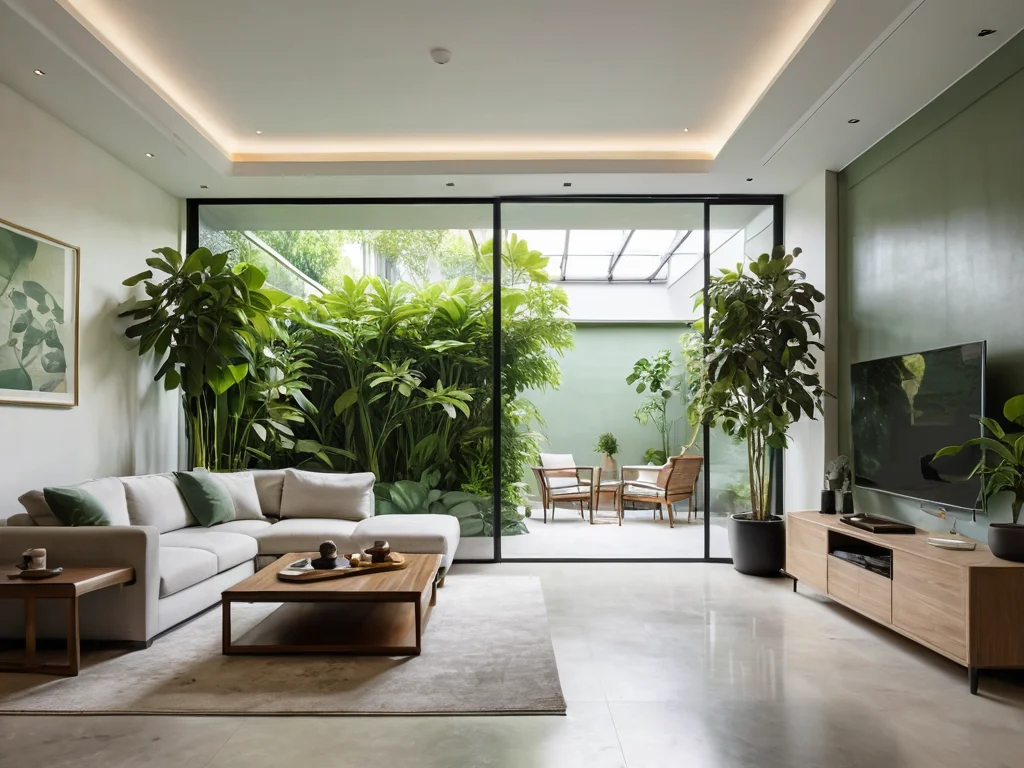
We conclude our journey into the world of Feng Shui and houseplants, and we hope you now have a clear understanding of how these green creations can influence the energy of your home and your well-being. It is important to remember that Feng Shui is not a set of strict prohibitions, but an art of creating harmony, and every choice you make should be conscious and thoughtful.
By using knowledge about “forbidden” plants and the rules of their placement, you can avoid potential energetic pitfalls and, conversely, enhance positive flows in your home. The main goal is to create a space where you and your family will feel protected, loved, inspired, and full of vitality. A home filled with the right energy becomes a source of luck, health, and prosperity.
Here are some plants that, on the contrary, are considered very favorable for the home and can bring positive energy:
- Jade Plant (Money Tree): A symbol of wealth and prosperity.
- Citrus Trees (Lemon, Orange): Attract abundance and joy.
- Spider Plant (Chlorophytum): Effectively purifies the air and neutralizes negativity.
- Peace Lily (‘Women’s Happiness’): Attracts love, harmony, and peace.
- Ficus with Rounded Leaves: Symbolizes stability and family well-being.
- Lucky Bamboo (Dracaena sanderiana): Brings luck and prosperity, especially in a certain number of stalks.
May your choice of plants be not just a tribute to fashion or aesthetics, but a conscious step towards creating a true oasis of prosperity and health. Listen carefully to your feelings, because your home is a living organism that reacts sensitively to every detail. Fill it with love, care, and the right energies, and it will repay you a hundredfold, attracting all the best into your life. Good luck with your Feng Shui transformations!