Welcome to the pages of fengshuihome.ru, dear readers! Today we will delve into one of the most discussed and sometimes controversial topics in the world of Feng Shui – the use of artificial flowers and plants in the interior. Many of you are surely concerned about the question: can we decorate our homes with bright, low-maintenance imitations of nature, or will they bring more harm than good in terms of harmonizing the space? We will thoroughly analyze this issue, relying on the wisdom of ancient teachings and modern interpretations, so that you can make an informed decision for your home.
Artificial Flowers and Feng Shui: Myth or Reality? Let’s Address the Main Question
The question of the appropriateness of artificial flowers in a Feng Shui-designed space is one of the most frequently asked. It arises from the understandable desire of many people to enjoy the beauty of plants without the burden of caring for them. Modern technologies allow for the creation of such realistic imitations that they are sometimes difficult to distinguish from real ones. However, Feng Shui is not just about visual beauty; it is primarily about energy, about the flow of Qi, which shapes the atmosphere in your home and affects all areas of your life.
From the perspective of classical Feng Shui, there is a clear rule: preference is always given to live plants. The reason lies in the very essence of the teaching, which celebrates life, movement, and the natural breath of nature. Live plants are a source of beneficial Qi energy; they purify the air, bring freshness and vitality. They breathe, grow, change, creating a dynamic and healthy energy background. Artificial flowers, despite their external attractiveness, lack this living energy.
Nevertheless, to say a categorical “no” to artificial flowers would be too simplistic. The world is changing, and Feng Shui is adapting to the conditions of modern life. It is important to understand that every rule has its nuances and context. Our task today is not just to state a prohibition, but to explain its roots, to show why it is so important to distinguish between living and non-living, and when, under certain conditions, a compromise can be found. We will explore this “gray area” so that you can approach the design of your home with wisdom.
Living Qi Energy: Why Real Plants Are So Important for Home Harmony
To understand why Feng Shui values live plants so highly, we need to delve into the concept of Qi energy. Qi is the universal life force that permeates all existence. In Feng Shui, we strive to attract and harmonize beneficial “Sheng Qi” and disperse or transform negative “Sha Qi.” Live plants are among the most powerful and natural generators of Sheng Qi.
When you bring a live plant into your home, you bring a piece of living nature. It doesn’t just stand there; it breathes, it transforms carbon dioxide into oxygen, it grows, it greens, and sometimes it blooms, emitting subtle vibrations of life. This activity creates a dynamic flow of energy that renews and revitalizes the space. It is believed that the green color of plants symbolizes growth, development, renewal, and healing. It calms the mind, reduces stress, and promotes concentration.
For example, plants like the “money tree” (Crassula ovata), bamboo, orchids, ficus, or ferns are known for their ability to attract luck, prosperity, health, and harmony. They not only saturate the air with oxygen but also, according to Feng Shui teachings, activate certain Bagua sectors, bringing the necessary energy into them. Their soft, rounded leaves and stems help to smooth out sharp corners in the interior, transforming potential Sha Qi into a softer and more beneficial energy. Furthermore, caring for live plants is itself a meditative process that connects us with nature, calms us, and fills us with a sense of care and responsibility, which also contributes to creating positive energy in the home.
In contrast, artificial plants, being static and unchanging, do not generate this living, changing energy. They do not breathe, do not grow, do not bloom. They only imitate the form, but not the essence. That is why their presence in the home is viewed as a potential source of stagnant energy, especially if they do not meet certain criteria, which we will discuss later.
Hidden Threat: How Lifeless Plants Can Block the Flow of Beneficial Energy
Now let’s consider the other side of the coin. Why does Feng Shui caution against the use of artificial flowers? The main reason lies in their nature – they are lifeless. From a Feng Shui perspective, anything that is dead or stagnant contributes to the accumulation of negative Yin energy and blocks the free movement of life-giving Qi. Artificial plants, in essence, represent “dead” or “sleeping” energy.
Imagine a dried bouquet of flowers – it not only brings no joy but also evokes a sense of wilting and stagnation. Artificial flowers, although they don’t wilt, imitate this state of lifelessness. They cannot purify the air, do not release oxygen, do not grow, and do not change. Their static nature can create a sense of stagnation in the home. When Qi does not move, it stagnates, turning into Sha Qi, which can affect the well-being, health, and even mood of the home’s inhabitants.
Another hidden threat is dust accumulation. Artificial plants, especially those with many small details, are ideal dust collectors. Dust in Feng Shui is associated with stagnation, confusion, and obstacles. Dust accumulation on artificial flowers symbolizes the accumulation of problems, stagnation in affairs and energy. You may have noticed that even seemingly clean artificial arrangements begin to look dull and lifeless over time – this is an energetic reflection of accumulated static energy.
Furthermore, if artificial flowers look of poor quality, are frayed, or faded, they can emit particularly negative energy. They create an illusion of nature, but this illusion brings no benefit, only deceives the senses and can suppress vitality. It’s like having a beautiful empty wrapper without any content. Subconsciously, a person feels this difference, even if they don’t consciously realize it. Therefore, in most cases, Feng Shui masters recommend avoiding the use of artificial plants, especially in key areas of the home.
Exceptions to the Rules: When It’s Acceptable to Use Artificial Flowers in Feng Shui
Despite general warnings, there are situations where the use of artificial plants can be acceptable or even somewhat beneficial, provided strict rules are followed. It is important to emphasize that this is always a compromise, not an ideal solution. Artificial flowers will never replace the energy of live plants, but they can be a temporary or forced measure.
One such exception is the use of artificial flowers in rooms where live plants simply cannot survive. These can be places with a complete lack of natural light, such as dark corridors, pantries, or bathrooms without windows. This also applies to rooms with extreme temperatures or high humidity, where caring for live plants becomes extremely difficult.
Sometimes artificial arrangements are used for temporary decoration during holidays or events. In such cases, their energetic influence is minimal, as they are in the space for a short time. However, they should be removed after the event.
Another case could be allergies. If you or your family members are allergic to pollen or spores of certain plants, then artificial flowers can be the only way to add greenery to the interior. In such situations, of course, health and comfort take priority, and then it is especially important to follow the recommendations for choosing and caring for artificial plants.
In some commercial spaces, where maintaining live plants is difficult due to high traffic, lack of care staff, or specific production processes, high-quality artificial arrangements may be permitted. But even here, they must be perfectly clean and regularly updated. And even in such places, Feng Shui masters still recommend looking for alternatives, such as fresh cut flowers or beautiful images of nature.
Sometimes it is permissible to use artificial plants as a purely symbolic element, for example, silk peonies to activate the love sector, if there is no possibility to place live flowers. But even in this case, they must be of impeccable quality and constantly maintained in perfect condition, so as not to evoke a sense of wilting or substitution. It is important that your intuition tells you that even in this imitation there is positive energy.
How to Choose the ‘Right’ Artificial Plants: 5 Criteria for Minimizing Negativity
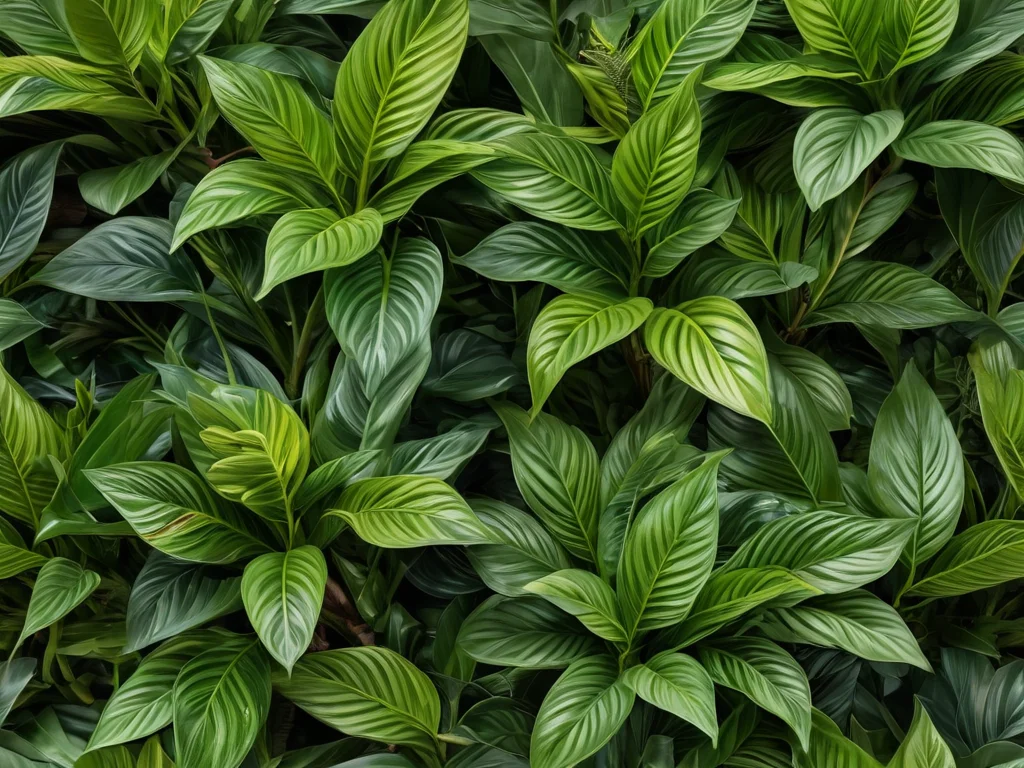
If you still decide to use artificial flowers, it is extremely important to approach their selection with special care to minimize their potential negative impact. Here are 5 key criteria to pay attention to:
- Quality and Realism. This is perhaps the most important aspect. The more realistic an artificial plant looks, the less negative energy it attracts. Choose flowers that are difficult to distinguish from real ones even upon close inspection. Pay attention to details: veins on leaves, natural color transitions, absence of visible plastic connections or glue. Low-quality, cheap imitations will radiate “dead” energy much more strongly than high-class products.
- Material. Prefer natural or high-quality synthetic materials. Silk, latex, fine textile, soft polymers are much preferable to hard, shiny plastic. Plastic is often associated with artificiality and dead energy. Silk, for example, has a softer and more “breathable” texture, which helps create a more pleasant visual and energetic impression.
- Cleanliness and Well-maintained appearance. Artificial plants must be impeccably clean. Any dust, dirt, or stains on them will immediately attract stagnant Qi and turn them into a source of Sha Qi. Regular dusting is a must. Also, make sure the plant has no damage: broken leaves, torn petals, faded areas. Such defects symbolize misfortune and decline.
- Shape and Color. Choose plants with soft, rounded leaf shapes that mimic natural growth. Avoid artificial plants with sharp, thorny leaves or unnaturally protruding elements that can create “prickly” Sha Qi. Colors should be natural, bright, fresh, and not faded. Dull or unnatural shades can bring depressive energy.
- Absence of unpleasant odor. Some cheap artificial plants can have a strong chemical smell. This is a clear sign of poor-quality material and toxic energy. Such items should not be used in the home under any circumstances, as they can negatively affect your health and well-being.
Remember that your intuition is also an important tool. If an artificial plant seems lifeless or makes you uncomfortable, it’s best to avoid it.
Risk Zones and Permissible Zones: Where to Place (and Not Place) Imitation Plants
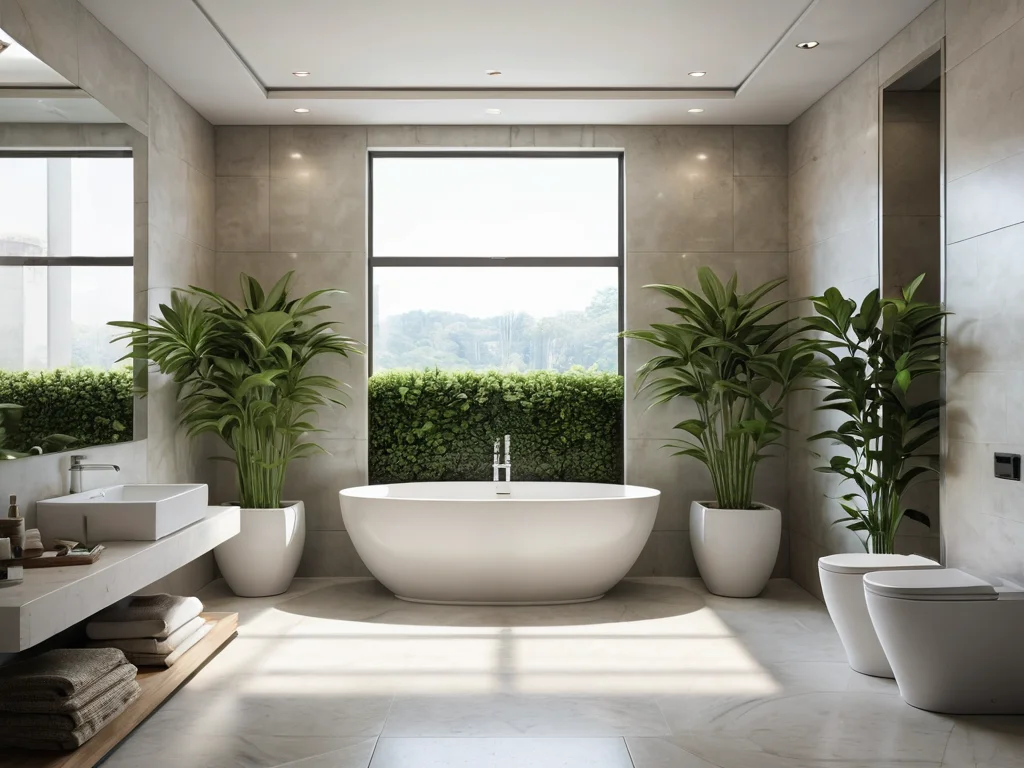
The location of artificial plants in the home plays a critical role in Feng Shui. Some zones are strictly forbidden for placing such items, while in others, under certain conditions, their use may be acceptable.
Risk Zones (where placing artificial plants is strongly discouraged):
- Bedroom. This is one of the main rules. The bedroom is a sanctuary for rest, energy restoration, and intimacy. The presence of “dead” or stagnant energy in the bedroom can negatively affect sleep quality, relationships, and suppress vitality and romance. Live plants also require caution here, but artificial ones are taboo.
- Kitchen. The kitchen is the heart of the home, associated with nourishment, abundance, and the Fire element. Placing artificial plants here can introduce disharmony, symbolize “lifeless” food, and block the flow of energy related to the family’s well-being and health.
- Wealth Sector (Southeast). This sector is activated by the Wood and Water elements. Live, lush plants are ideal for attracting prosperity. Artificial ones, however, can symbolize financial stagnation and block the influx of material wealth.
- Center of the Home. The center of the home is its heart, its energetic core, related to the health and overall well-being of all inhabitants. This area requires the most vibrant and harmonious energy. Placing artificial plants here can disrupt balance in all areas of life.
- Main Entrance. The entrance door is the “mouth of Qi” of the house, through which the main energy enters. Artificial flowers at the entrance can invite stagnant energy instead of fresh and beneficial Qi, which can negatively affect the luck and opportunities coming into your home.
Permissible Zones (where placement is allowed with great caution and adherence to rules):
- Bathroom. The bathroom is often considered a zone where energy drains. Artificial plants here can help “retain” Qi, create a more pleasant atmosphere, and distract from potentially negative elements. However, even here, live plants that are humidity-resistant (e.g., ferns) are preferred. If using artificial ones, they must be impeccably clean and regularly updated.
- Corridors with poor lighting or utility rooms. In places where live plants cannot survive due to lack of light or specific conditions, artificial ones can be used as a temporary measure to soften harsh lines or add color. But they should be cleaned frequently and, if possible, replaced with live alternatives as soon as conditions allow.
- Office and workspaces (not on the desk). In some offices where caring for live plants is impossible or prohibited, high-quality artificial arrangements can be used, but not on your immediate desk. They are best placed in corners or on shelves so they don’t distract or create a sense of “dead” energy directly in your workspace.
Remember that even in “permissible” zones, artificial plants are not an ideal solution. It is always a compromise that requires constant attention to their cleanliness and appearance.
Caring for the Lifeless: How to Maintain Cleanliness and Renew Energy Even in Artificial Arrangements
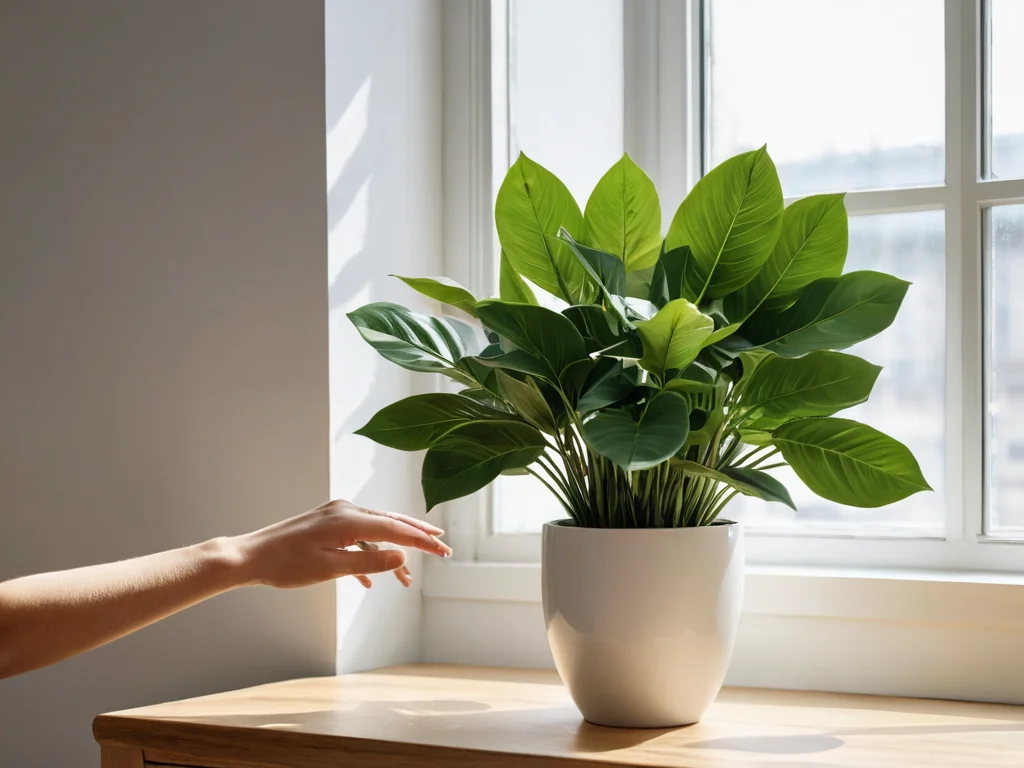
Even if you are forced to use artificial plants in your home, it doesn’t mean you should forget about them. On the contrary, to minimize their negative impact and prevent energy stagnation, they require special, albeit different from live flowers, care. Maintaining cleanliness and attempting to “renew” their static energy are key aspects.
Regular Dust Removal:
As mentioned earlier, dust is the enemy of Feng Shui; it symbolizes stagnation and problems. Artificial plants are ideal dust collectors. Therefore, they need to be cleaned much more often than you might think. Once a week, or preferably several times a week, wipe each leaf and petal with a damp cloth or a special brush. If the plant can be washed, then periodically give them a “shower” under running water, and then dry them thoroughly. Make sure there are no traces of dust or dirt on them.
Energetic Renewal:
In addition to physical cleanliness, steps can be taken to symbolically “revitalize” their energy:
- Saltwater. From time to time, wipe the leaves of artificial plants with a cloth dipped in a light solution of water with sea salt. Salt is known for its purifying properties; it helps neutralize negative energy.
- Essential Oils. A few drops of essential oils (e.g., lavender, citrus, sandalwood, or mint) on a cotton pad, with which you wipe the leaves, can give the plant a fresh scent and bring a little living, vibrational energy. This will not only improve the smell but also create a sense of “life” around the plant.
- Sunlight and Fresh Air. If possible, periodically take artificial plants out to the balcony or place them near an open window so they can “air out” and symbolically absorb solar energy and fresh air. This will help disperse stagnant Qi.
- Incense and Aromatic Sticks. Pass a lit aromatic stick (e.g., sandalwood or sage) around the artificial arrangements, allowing the smoke to envelop them. This is an ancient method of cleansing space and objects of negative energy.
- Crystals. Place a natural crystal, such as clear quartz or amethyst, near the artificial arrangement. Crystals are known for their ability to purify and harmonize energy in space, compensating for the static nature of artificial plants.
It is important to remember that these measures are more symbolic actions aimed at minimizing harm rather than completely replacing living energy. Artificial plants, no matter how high-quality, inevitably accumulate “tired” energy over time. Therefore, it is recommended to update them regularly, replacing them with new, perfectly looking specimens. Do not keep the same artificial plant for years.
Healthy Alternatives and Key Takeaways: What to Choose for a Prosperous Home According to Feng Shui
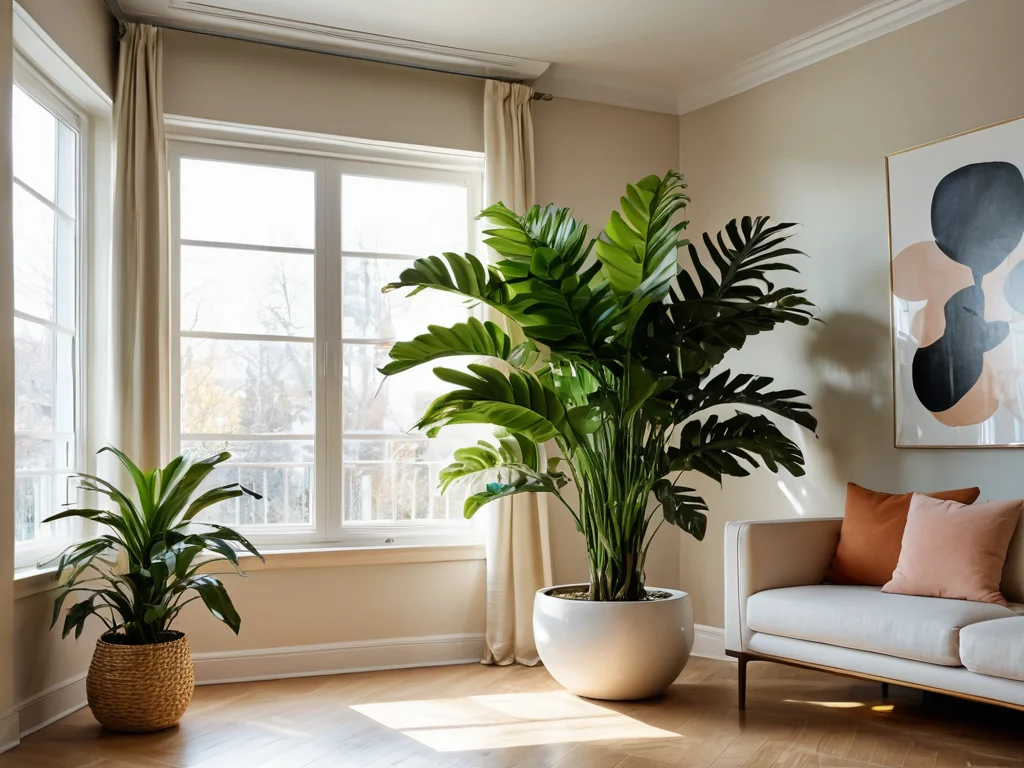
So, we have thoroughly examined all aspects of using artificial flowers and plants in Feng Shui. It’s time to summarize and draw conclusions that will help you create a truly prosperous and harmonious home.
Key Takeaways from Our Discussion:
- Live plants are always the best choice. From a Feng Shui perspective, nothing can compare to the beneficial, living Qi energy that real plants emit. They purify the air, bring aesthetics, growth, and development, symbolizing life and prosperity. If possible, always give them preference.
- Artificial flowers are a source of stagnation. In most cases, artificial plants are considered sources of “dead” or stagnant Yin energy. They do not breathe, do not grow, do not change, and do not generate fresh Qi. Moreover, they actively collect dust, which enhances the stagnation effect and can attract negative Sha Qi.
- Exceptions require strict rules. If you are forced to use artificial plants (due to lack of light, allergies, etc.), choose only the highest quality and most realistic imitations. The material should be as close to natural as possible, and the appearance impeccable.
- Location is crucial. Absolutely avoid placing artificial flowers in bedrooms, kitchens, the wealth sector, the center of the home, and near the main entrance. These are areas of particular energetic sensitivity where the static energy of artificial plants can cause the most harm. Bathrooms or dark corridors are the least risky, but still require caution.
- Unceasing care is the key to minimizing harm. If you do use artificial plants, they must be regularly and thoroughly dusted, and symbolic energetic cleansing should be performed (with saltwater, essential oils). It is recommended to replace them periodically with new ones to avoid accumulating “old” energy.
Healthy Alternatives to Artificial Plants:
If live plants are not suitable, but you don’t want to use artificial ones, there are excellent alternatives that will bring living energy into your home:
- Fresh cut flowers. A beautiful bouquet of fresh flowers, regularly updated, is a wonderful source of positive energy. It is important to change the water and remove wilted flowers to avoid stagnation.
- Images of nature. Paintings, photographs, or murals depicting vibrant nature – lush forests, blooming fields, calm waters – can bring energy of growth, tranquility, and beauty into the home. Choose bright, positive subjects.
- Crystals and minerals. Natural crystals emit powerful, pure energy that can harmonize space. Amethyst geodes, quartz druzes, citrine clusters are excellent sources of positive Qi.
- Decorative trees made from natural materials. Trees made of stones, wire with natural semi-precious stones can serve as beautiful symbols of growth and stability without possessing the negative properties of artificial flowers.
- Water features. Small fountains or aquariums with live fish bring energy of movement, abundance, and tranquility into the home.
Ultimately, Feng Shui is not a set of strict prohibitions, but an art of creating harmony and flow. When choosing what to fill your home with, listen to your intuition and always strive for maximum naturalness and vitality. May your home be filled with fresh Qi, prosperity, and well-being!