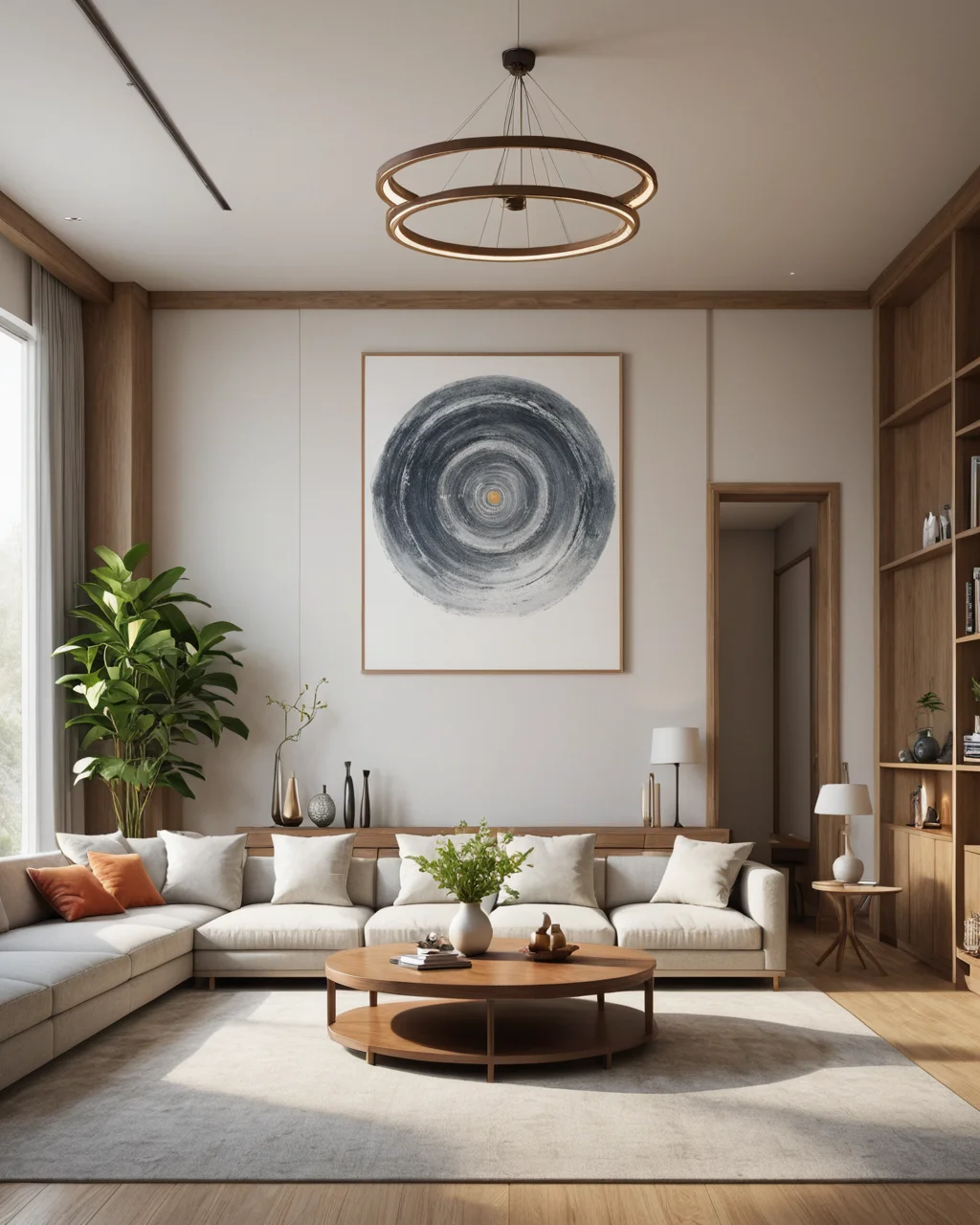
The Art of Feng Shui: Basics and Principles
Feng Shui is not just a trendy term, but an ancient art that began its journey in China over 3000 years ago. Many think that Feng Shui is only about furniture arrangement, but that’s not entirely true. It’s a whole science about how **Qi energy** circulates in space. In its traditional understanding, Feng Shui includes Taoist philosophy and the concept that “what surrounds us affects us,” which makes it particularly relevant in our time when we strive to create coziness and harmony in our homes. Feng Shui is, in a way, an alternative architect that dictates how to arrange objects so they don’t interfere with our inner world.
Over the centuries, this approach has evolved, but its foundation has remained unchanged: **Qi energy** (life force) must flow freely, and for this, space must be organized correctly. To put it simply, if your apartment is furnished without considering Feng Shui, your life may not be as successful as you’d like. It’s important not only how things look but also how they interact with each other, bringing harmony or, conversely, anxiety.
Key principles of Feng Shui include using shapes, colors, and materials to create balance. Each space latently contains a certain amount of Qi, and the task is to **align** and optimize this amount. Some simple movable furniture can help change the energy of your home and thereby improve your emotional state. For example, a round table will support the circulation of friendly communication, while a square one will give a sense of stability and security.
All these elements help prevent energy stagnation, which can lead to physical and emotional problems. However, in addition to this, you can also arm yourself with knowledge about how to properly organize your space so that **Qi** maximally boosts your energy.
Shapes and Their Meaning in Feng Shui
When it comes to **furniture shapes**, it’s worth noting that different geometric figures appear in our environment depending on their functionality, but in Feng Shui, each of them possesses a specific energy. For example, round shapes symbolize harmony. They promote communication and foster a friendly atmosphere. Additionally, tables and chairs with rounded edges help avoid aggressive energy that can arise from sharp corners.
On the other hand, square and rectangular shapes in interiors create a sense of stability and security. Such objects are perfect for offices and workplaces where concentration and focus are needed. However, it’s important to remember that a strong emphasis on such shapes can lead to **energy stagnation**, affecting profit and loss. To avoid this, it’s important to combine them with rounded shapes that diversify your space.
An interesting fact: in some cultures, it is believed that using structures with mixed shapes offers more opportunities for change and adaptation. This well reflects the cheerfulness of those who use such methods, striving for change.
- Wood with its natural texture fits perfectly into the Feng Shui concept and can be used in various forms.
- Metal chairs and tables give off a “cold” energy, which is best combined with natural materials.
- Glass elements create a sense of lightness, but they should be used with caution to avoid a feeling of instability.
It’s always worth remembering that furniture shapes directly influence **Qi energy**, creating either harmony or discomfort. Therefore, it is very important to choose the right geometric figures for each room and not neglect combinations that will help align the mood.
Shape Alignment: Methods and Tips

In practice, aligning shapes in an interior can be achieved through several simple methods. One of the most common solutions is the use of symmetry. Arranging chairs and tables symmetrically around a central point will create a sense of order and calm. For example, in a living room, you can place two armchairs on either side of a sofa to create a cozy, symmetrically organized conversation area. This will significantly improve your own communication experience: sitting opposite a loved one will become much more pleasant when everything is “in its place” around you.
Asymmetry should also not be excluded from your interior. Using it in everyday life can create a lively and energetic atmosphere. For example, if you have a large sofa, you can place it on one side of the room and a chair on the opposite side, adding small accents like cushions or paintings to maintain balance. Thus, each furniture shape will have its role, but the overall order will be preserved.
Additionally, **color** should be used in relation to shapes. For example, if you want to emphasize the round shape of a table by decorating it with a bright tablecloth, you will not only draw attention to it but also add a “sense of movement” to your environment. Also, remember that light colors visually expand space, while dark colors, on the contrary, shrink it. Consider this information when choosing colors for **shapes** to create the desired balance in the room.
Furniture and Its Placement: Maintaining Balance
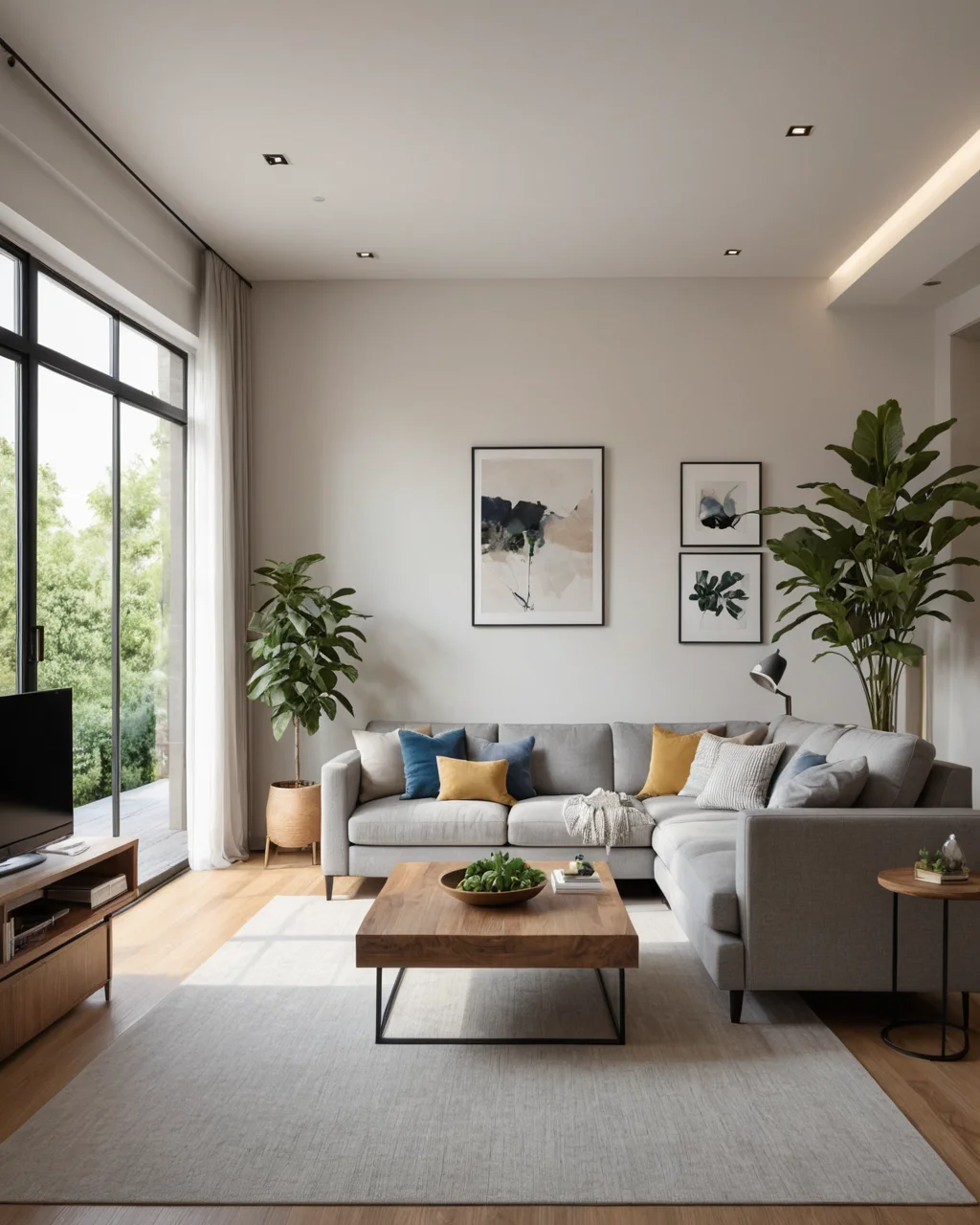
Furniture is not just interior items but true attributes of freedom. How they are arranged has a huge impact on **optimizing energy flow** in your home. It’s important to remember that a sofa placed in the center of the room creates a restriction and promotes Qi stagnation. Proper space organization should ensure unobstructed access to each zone. It’s quite possible that your old room will become completely new if you change the furniture arrangement and add coziness to it.
There can be more furniture placement mistakes than you might think. For example, a sofa with its back to the door will create a buildup of negative energy, as you won’t be able to see who is entering, and this can cause a feeling of insecurity. Therefore, it’s better to place large furniture items so that they “face” the entrance, creating harmony and comfort in the space.
- Creating activity and rest zones will allow you to designate comfortable places for communication or solitude. For example, a cozy corner with an armchair and a bookshelf is perfect for spending time alone.
- Don’t forget about lighting: properly distributed lighting makes the surrounding space brighter and more pleasant to be in, allowing energy to circulate.
It’s important to consider that no furniture placement will work effectively without considering zoning. Divide the space into active and passive zones, giving each its own characteristic, and you will be able to maximize the **flow of Qi**, which will be reflected in your psychological comfort.
Accessories in Feng Shui: Details That Matter
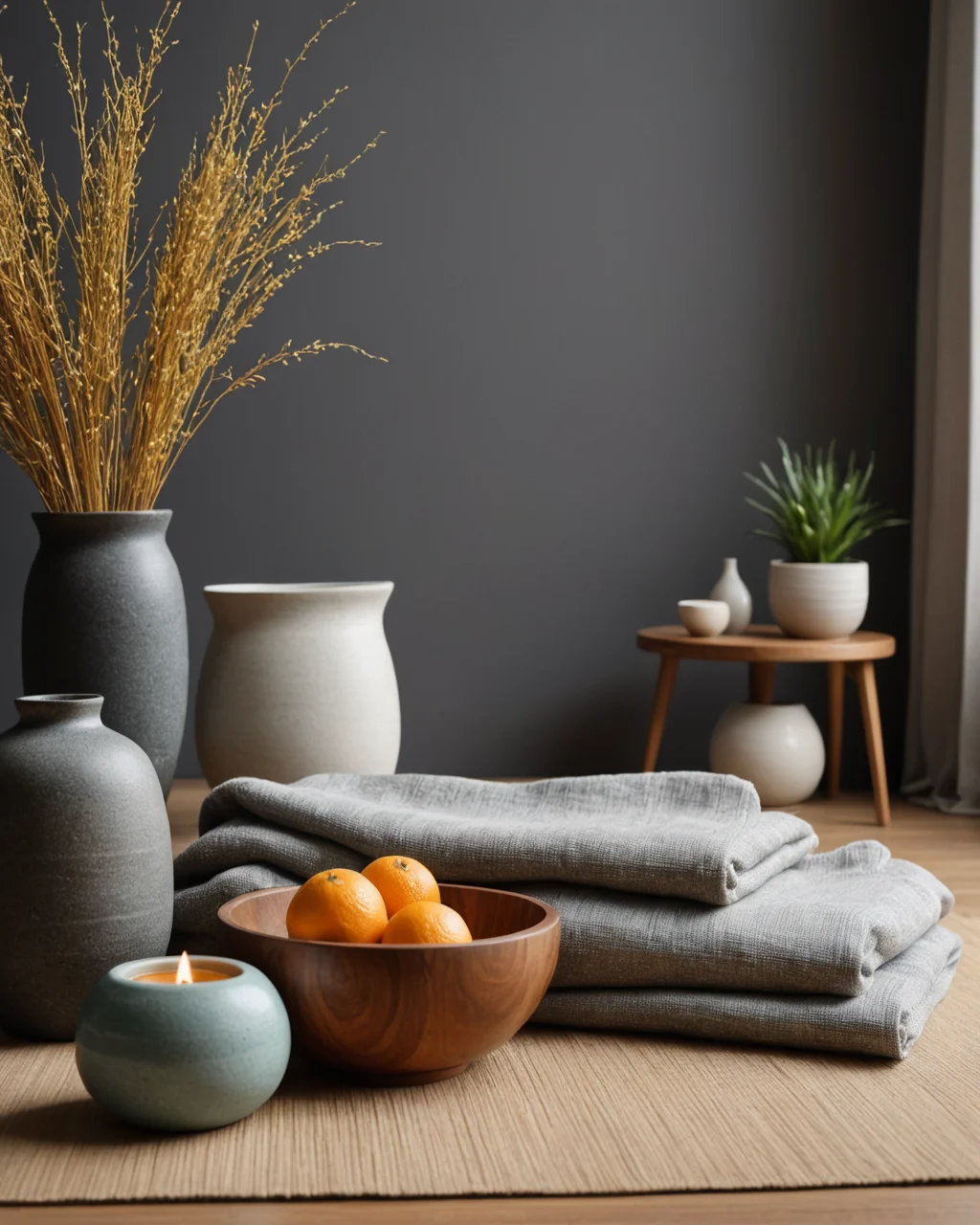
When it comes to accessories, don’t overlook their importance in **Feng Shui**. These small details can have a big impact on your life. For example, correctly chosen paintings and posters can not only decorate a room but also bring a certain energy into it. Consider adding paintings with images of nature, which symbolize harmony and tranquility.
Textiles and decor also play a significant role. Calm colors on curtains, tablecloths, and pillows create a soft atmosphere, while harsh and bright ones can be overwhelming for the psyche. Remember that textiles create warmth and coziness, so choose materials that will be as harmonious as possible with the main concept of your home.
- Mirrors are a powerful tool in Feng Shui, as they can reflect and amplify energy in a room. The main thing is not to forget to place them so that they don’t reflect “wrong” things.
- A patient element will further balance the space.
- Floral arrangements on tables and shelves fill the space with positivity and freshness, which also contributes to improving mood.
Every detail should work towards creating harmony in space. Therefore, pay attention to even the smallest aspects – you’ll be surprised how such changes can lead to global life transformations.
Feng Shui for Different Rooms
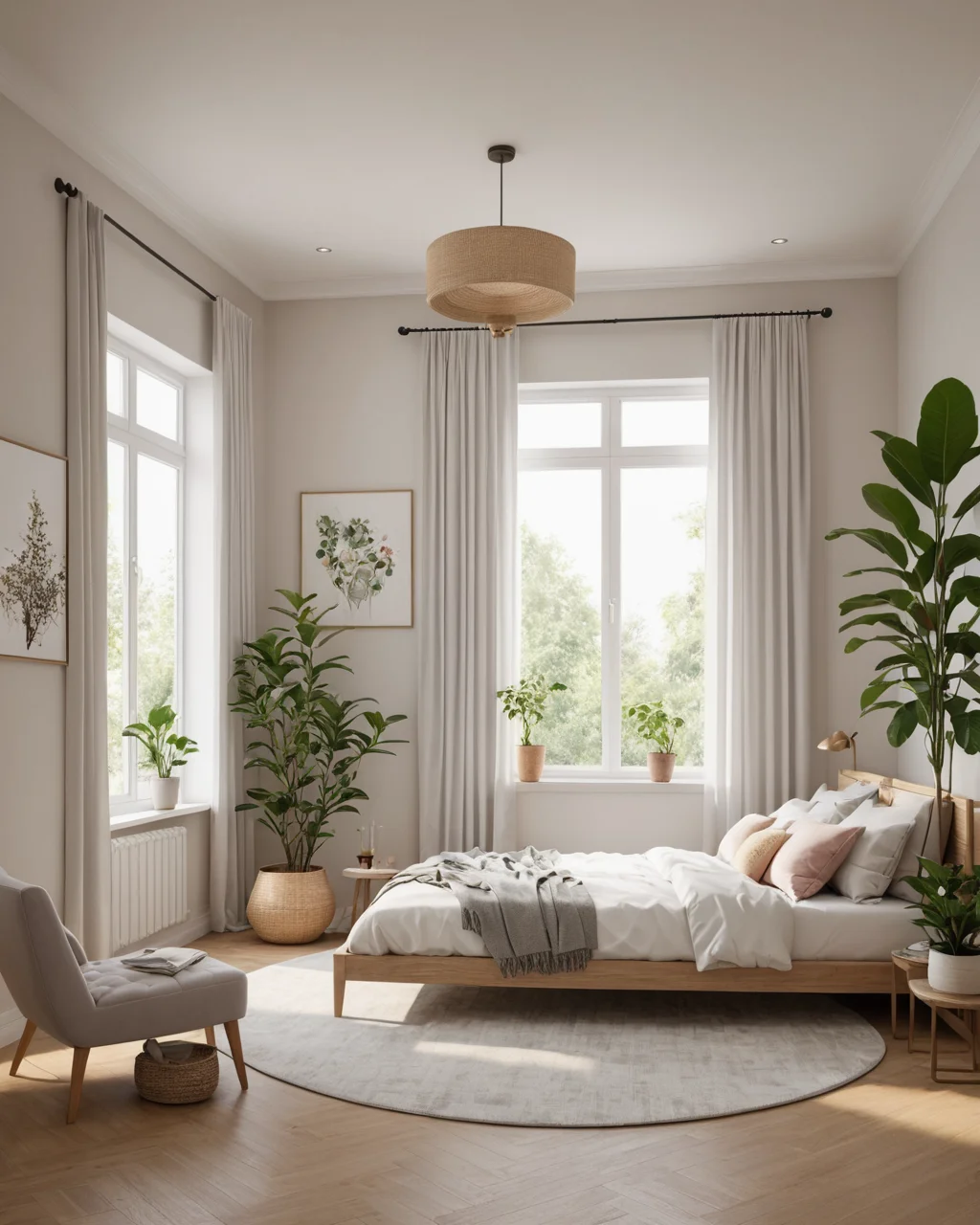
Feng Shui is not a universal formula but an individual approach, so it’s important to consider the specifics of each room. In the bedroom, for example, it’s desirable to create an atmosphere of coziness and peace. Sharp corners and harsh shapes should be avoided here to promote restful sleep. The choice of materials and textiles also matters: soft and calm colors will help create the necessary intimate atmosphere.
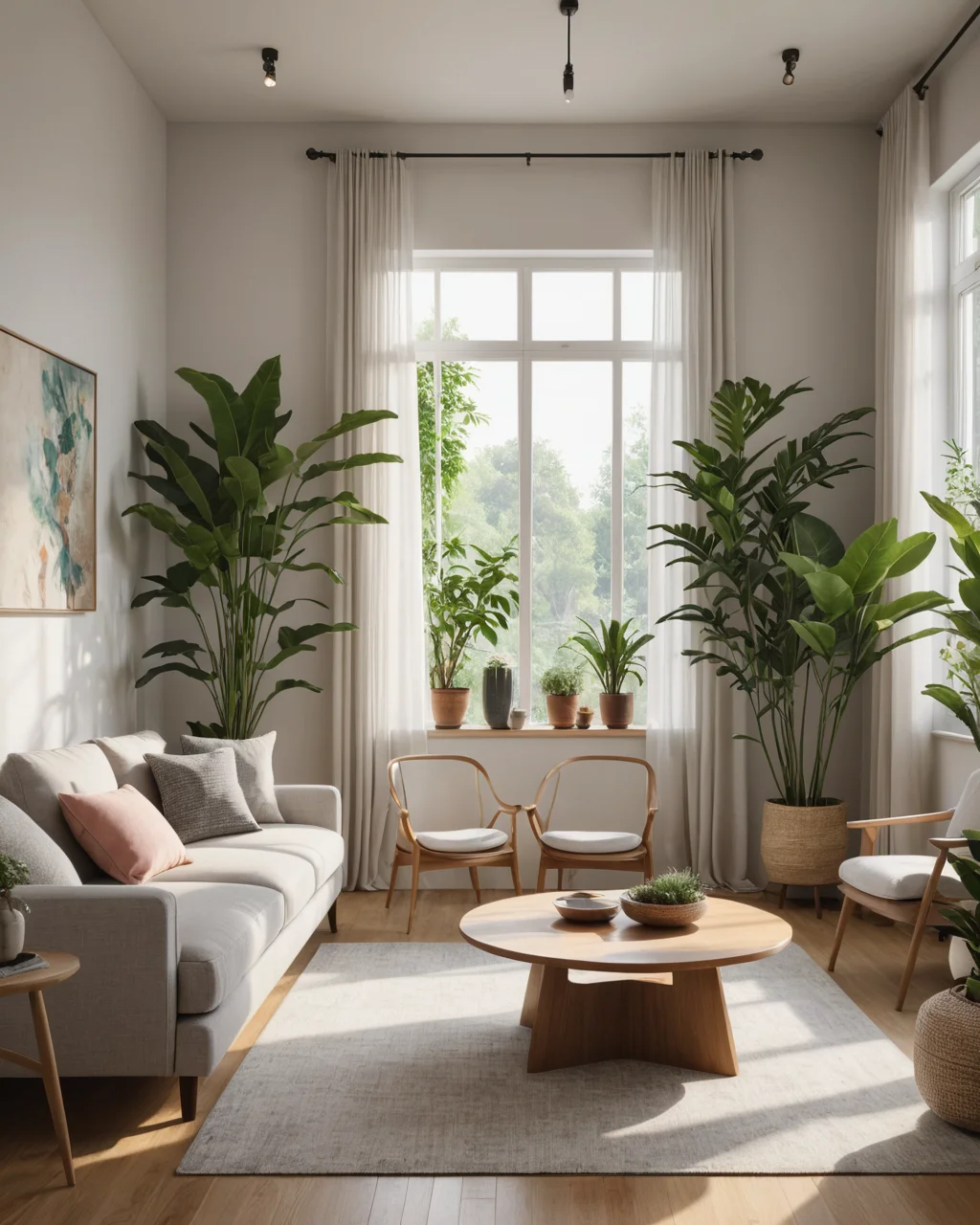
The living room should be a space for communication and connection. Here, it’s important to arrange furniture so that everyone can see each other. You can choose an oval table as a central element that will bring everyone together for conversation, creating a warm atmosphere. Interiors with soft shapes will help achieve comfortable interaction, creating a friendly energy.
In the workspace, Feng Shui will help you increase your productivity. Here, it’s important to organize furniture so that you don’t feel isolated from others. Try to place your desk so that you can see the entrance and control the energy flow. Lighting will play a special role – try to position it so that it doesn’t glare but provides sufficient brightness for work.
Practical Tips for Applying Feng Shui
Modern living conditions require adapting traditional approaches to reality. When applying Feng Shui, don’t forget the relevance of the methods. Often, people who are new to this concept may make mistakes, for example, by excessively focusing on certain elements and overlooking the overall picture.
One of the most common mistakes is ignoring your own sense of comfort. Don’t try to follow all Feng Shui canons blindly, because your home is a place where you should feel comfortable. Apply the principle of balance, not strictness of forms.
- It is recommended to clear spaces of unnecessary things and objects that overload your environment.
- Try to emphasize natural lighting and use light and warm shades in your decor.
- Studying literature and participating in Feng Shui seminars can help you better understand how to apply this ancient art in arranging your life.
Overall, studying Feng Shui is not a one-time event but a journey that requires awareness and understanding. By following the principles you extract from your personal experience, you can create a space that will positively influence your life.