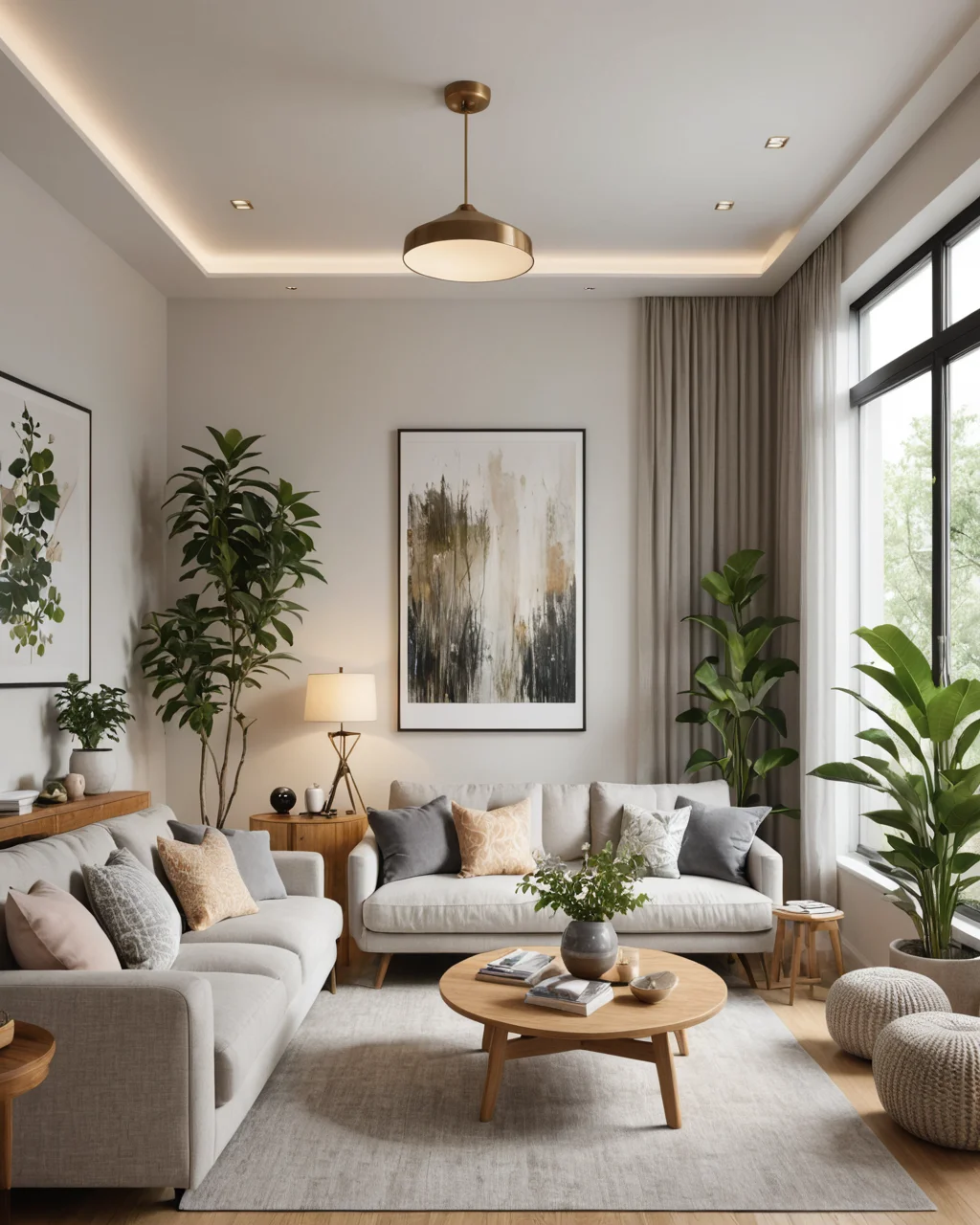
Harmony and coziness in a dwelling are not just fashionable words, but the foundation on which a comfortable life is built. In small apartments, where every centimeter of space matters, Feng Shui becomes especially relevant. This ancient Chinese practice helps not only to create harmony in space but also to improve the microclimate of the apartment, making it cozier and more pleasant to live in. One of the key aspects of Feng Shui is the correct organization of space, which is especially important in conditions of limited area. Let’s delve into the basics of Feng Shui and the principles of zoning a small living room.
Harmony of Space: Feng Shui Basics for a Small Living Room
Feng Shui, which translates from Chinese as ‘wind and water,’ studies how various environmental elements affect our mood and health. It is based on the principles of energy flows that penetrate our space. The correct distribution of these flows allows for the creation of harmony, which is especially important in small rooms. In such conditions, every element, from furniture arrangement to color palette selection, must be carefully considered.
One of the key principles of Feng Shui is space zoning. In a small apartment, this can be a challenge, but with the right approach, you can delineate different functional zones. For example, divide the space into zones for relaxation, work, and socializing, using visual dividers such as screens, furniture, or even rugs. This will not only organize the space but also add structure and comfort to it.
Use plants and accessories to add accents to each zone. For instance, in a reading corner, you can place a comfortable armchair and a small bookshelf, and in the relaxation area, a cozy sofa and a coffee table. An important aspect is to avoid cluttering the room with too many items, as this can create a sense of chaos and hinder energy flow in the space.
Color Palette: How to Choose the Right Shades for Coziness
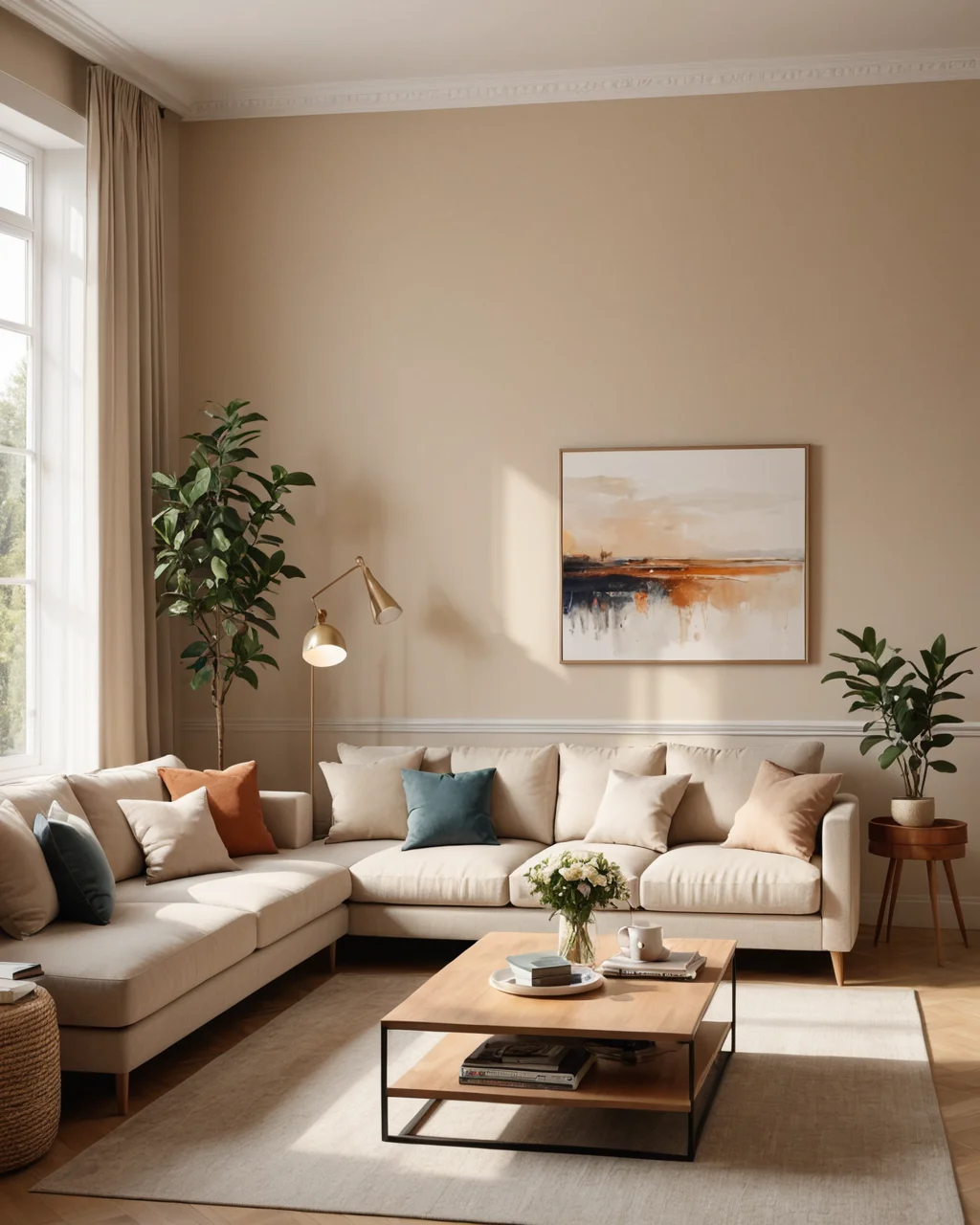
Colors undoubtedly play a key role in creating atmosphere. In Feng Shui, each color has its own meaning and affects a person’s emotional state. For a small living room, it’s best to choose light and warm shades that visually enlarge the space and create a sense of coziness. For example, light beige, soft blue, or pastel green tones promote relaxation and harmony.
When choosing a color palette, you should also consider color temperature. Warm shades make the space cozier and calmer, while cool colors can add rigor and freshness. However, do not overload the room with overly bright and saturated colors, as they can cause feelings of discomfort and tension.
It is important not only to choose the main color palette but also to combine colors correctly. One simple and effective way is to use a single color scheme but with different shades. For example, combining light gray with warm beige will create a stylish and cozy interior. Add bright accents with textiles, cushions, or paintings to bring dynamism and individuality to your space.
Furniture as an Important Element: Selection and Arrangement
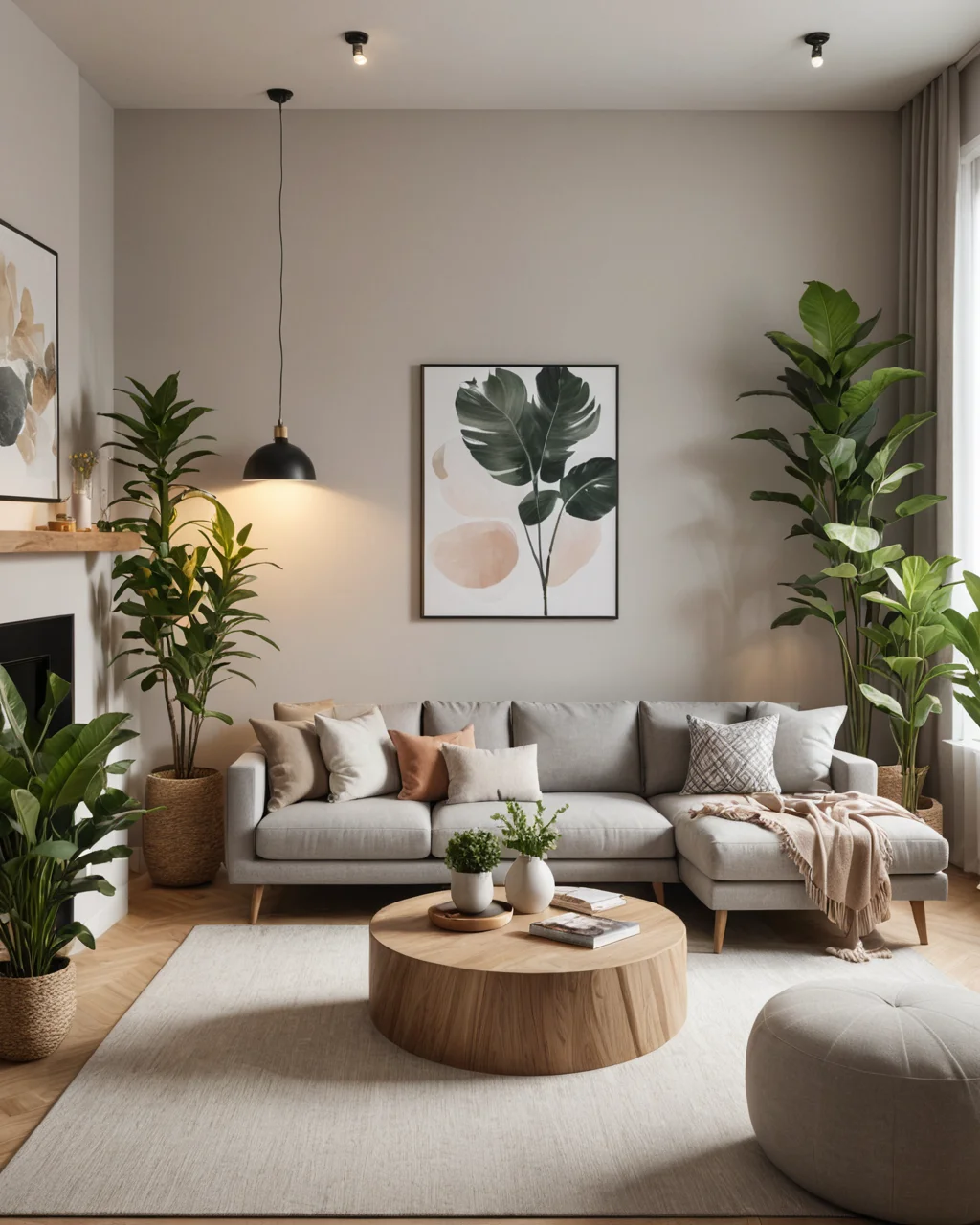
Furniture is the main element of any interior, and in a small apartment, its selection should be particularly conscious. First, pay attention to the size of the items – choose compact yet functional solutions. Furniture should be not only stylish but also comfortable to ensure maximum comfort in a limited space.
In addition, furniture arrangement should promote free energy flow. Avoid blocking passages, as this can create a sense of confinement and oppression. For example, the sofa should be positioned so that it does not obstruct the entrance to the room, but rather welcomes guests and creates a cozy atmosphere.
Consider transformable furniture, such as folding tables or sofa beds. These solutions will help to effectively use space, especially in small apartments. Also, do not forget about multifunctional items – ottomans with internal storage compartments, coffee tables with shelves, and so on. This not only helps maintain order but also adds convenience to everyday life.
Light and its Role: Creating Comfortable Illumination
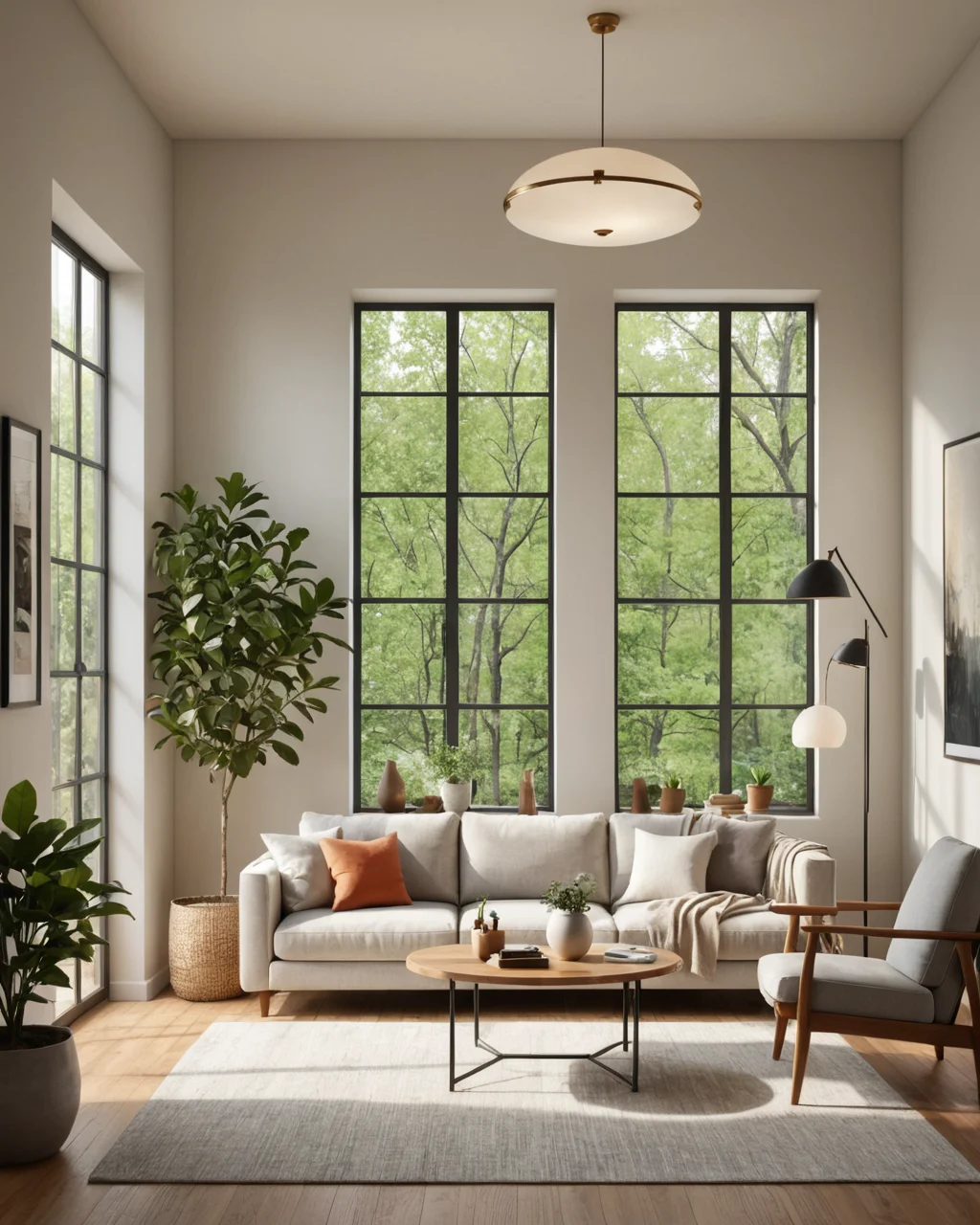
Light plays a key role in creating coziness and harmony in any room, especially in a small apartment. Proper lighting contributes to improved mood and visually enlarges the space. It is important to consider both natural and artificial lighting. Maximize natural light: open curtains, choose light, translucent textile solutions for windows that allow light to penetrate the room.
Artificial lighting also plays an important role. It is best to use multi-level lighting that combines various light sources – wall sconces, floor lamps, ceiling lights. This creates different levels of illumination and allows for creating an atmosphere depending on the time of day and mood. For example, soft yellow lamps are suitable for a cozy evening, while bright white light sources are for work.
To visually enlarge the space, use mirrors and reflective surfaces. Place a mirror opposite a window to enhance the effect of natural light. Also, pay attention to the placement of light fixtures: it is best if they are at eye level, which will allow for even light distribution and create a comfortable atmosphere.
Decor and Accessories: Harmony and Style in Details
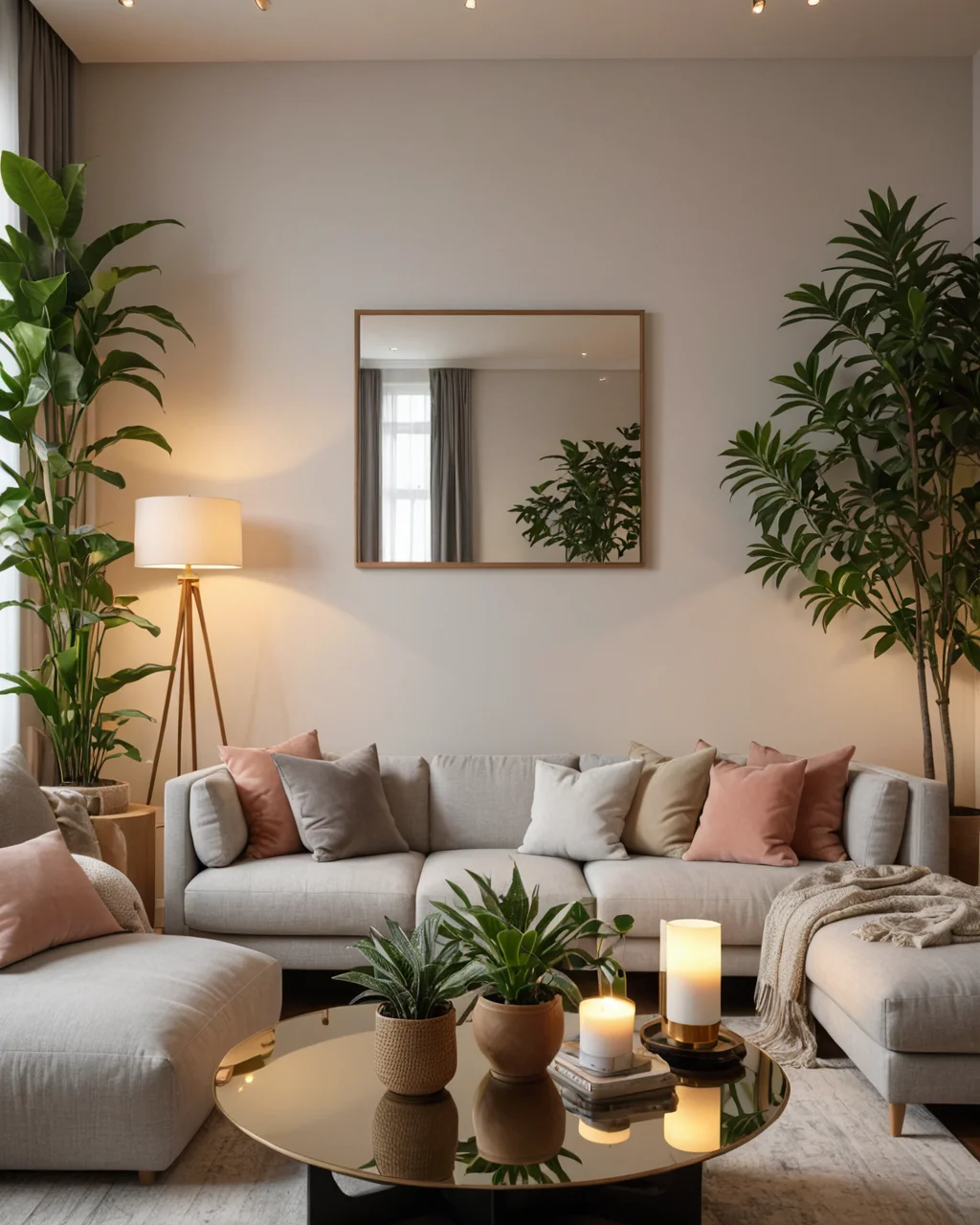
Decor is an element that can create a unique atmosphere and emphasize the individuality of your space. In a small living room, it is important to choose stylish but unobtrusive accessories. These can be paintings, photographs, textile elements – cushions, throws, curtains, and much more. Focus on the theme and style of your room so that everything harmonizes well.
Plants are not only a decorative element but also a means to improve the microclimate. They help purify the air and create a cozy atmosphere. In small apartments, compact varieties such as succulents or small ficuses are ideal. Place them on shelves, windowsills, or tables to liven up the space.
Also, do not forget about the role of mirrors in the interior. They can visually enlarge the space, giving the room lightness and airiness. Place one or more mirrors in strategically important places, for example, opposite a window or in a corner where there is not much light. This will create a play of light and shadow, adding depth to your interior.
Energy Flow: Tips for Eliminating Blocks
Energy in space should flow freely. However, in a small apartment, this can be difficult if certain aspects are not considered. First, you should audit your space: get rid of unnecessary items that take up space and block energy movement. Often, we keep things we haven’t used for a long time – from old books to unnecessary furniture. Getting rid of these items will not only free up space but also improve the overall state of things.
Order in the living room also promotes good energy flow. Make sure there is no clutter in the room and that items are in their places. Store things in closed cabinets, use baskets and containers for storage to visually make the space neater. This will create an impression of organization and allow energy to move freely.
Also, pay attention to furniture placement: avoid sharp corners and obstructive items that can create blocks in energy movement. It is also undesirable to place furniture with its back to the door, as this can cause a feeling of threat and discomfort. It is optimal if the room allows for arranging elements so that they ‘look’ at each other, creating harmonious connections between zones.
Personal Space: Creating a Cozy Corner for Relaxation
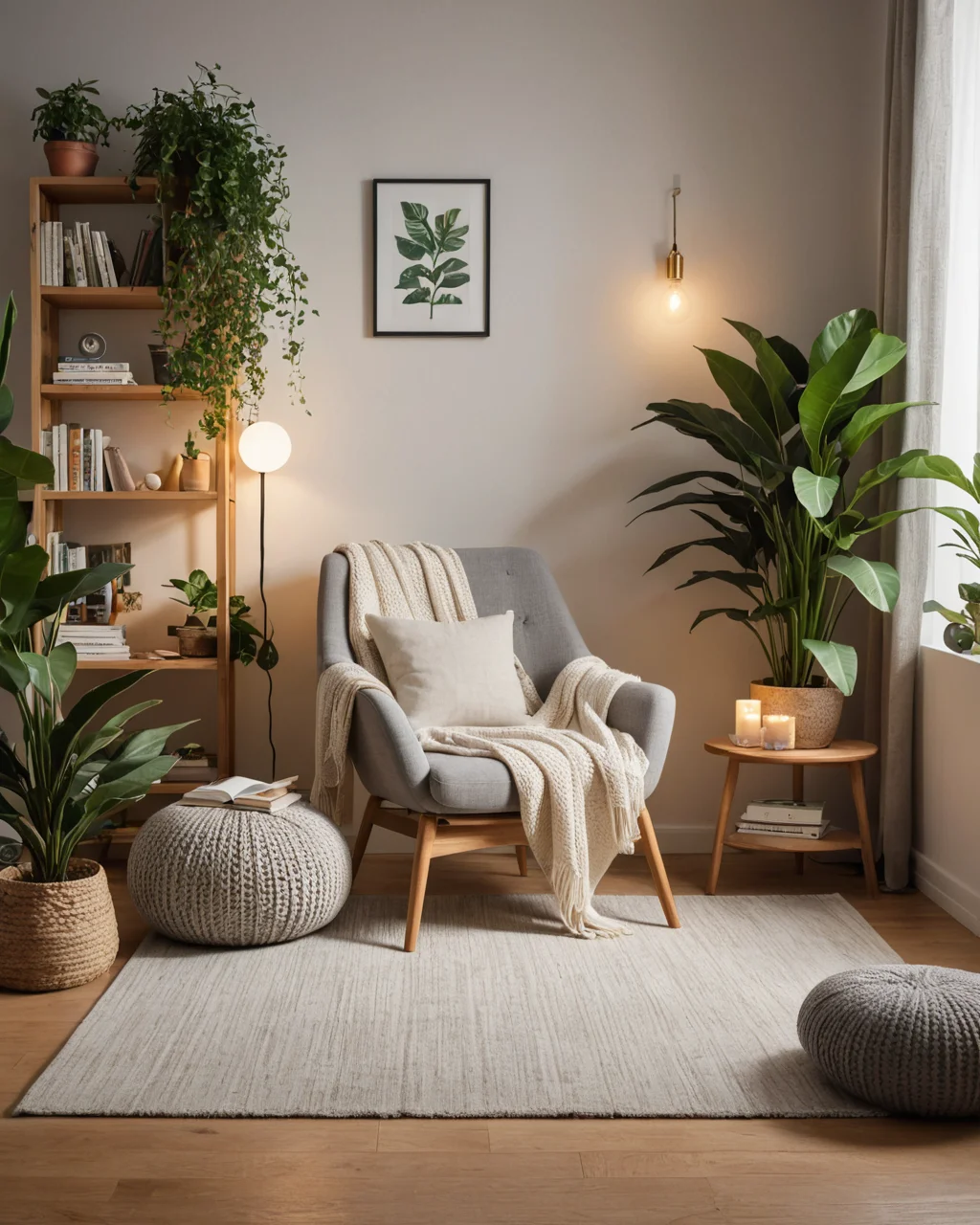
In a small apartment, it is especially important to create a personal space where you can retreat and relax. This can be a reading or meditation corner where you can spend time alone. Choose a quiet corner of the living room for this, where you can place a comfortable armchair or a small sofa.
When creating a cozy corner, use soft textures and warm shades. Throws, cushions, and rugs will help create an atmosphere of comfort and tranquility. Pay attention to lighting: it is best if it is soft and diffused, so as not to create harsh shadows and discomfort.
Don’t forget about decorative elements – add books, candles, photos, or paintings that create positive associations for you. These items will help make the corner more personal and cozy, creating a space that is always pleasant to return to.