In the world of Feng Shui, every plant in the home is viewed not just as a decorative element, but as a living source of energy capable of influencing our lives, well-being, and the harmony of our space. Among the many houseplants, the ficus holds a special place – a majestic, often lush plant with glossy leaves that adorn millions of homes worldwide. However, like many other symbols in Feng Shui, there are numerous myths, questions, and controversies surrounding the ficus. Is it a magnet for luck and prosperity, or can it, conversely, become a source of negative energy?
Our portal fengshuihome.ru is dedicated to dispelling the fog of mystery and providing you, our dear readers, with comprehensive, practical, and wise advice based on ancient Feng Shui knowledge. Today, we will delve into the world of the ficus to understand its true energetic influence, learn how to choose its varieties correctly, place it in your home, and care for it so that it becomes your reliable ally in creating a harmonious and prosperous space.
The Ficus as a Magnet for Well-being: Why It’s Essential in Every Home (Positive Aspects)
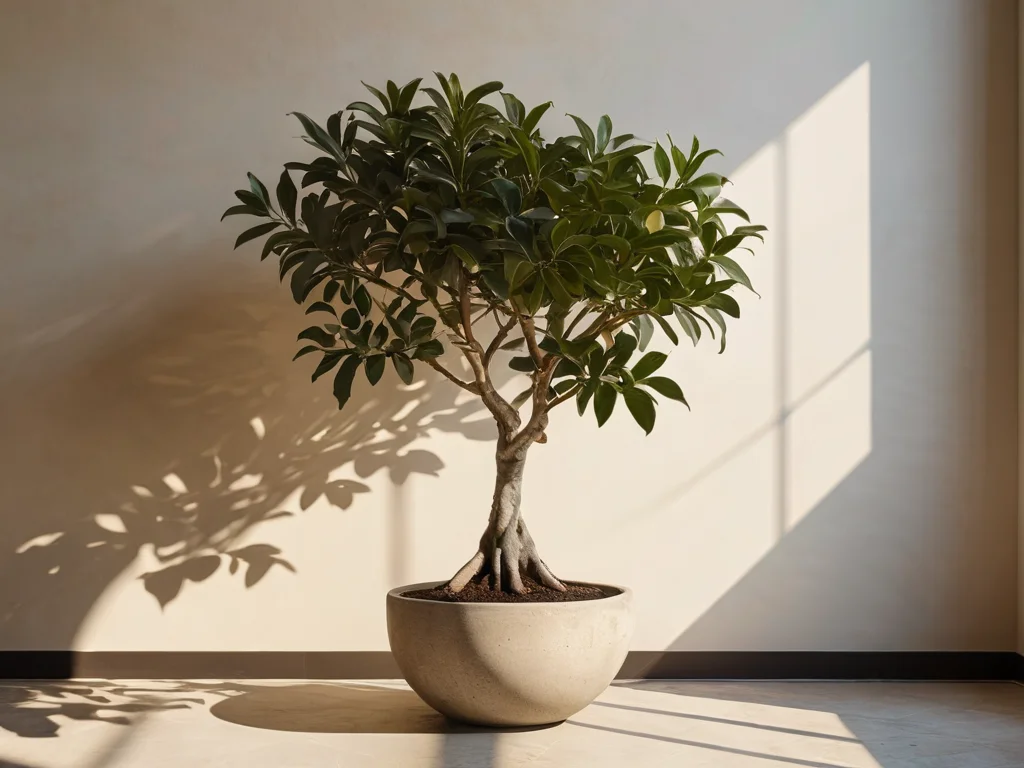
The ficus, especially its varieties with large, rounded leaves, is traditionally considered a plant in Feng Shui that attracts abundance and prosperity. Its lush greenery and vigorous growth symbolize vitality and constant renewal, making it an excellent choice for those seeking growth and development in all areas of life.
It is believed that the ficus has a unique ability to absorb negative energy, transforming it into positive Qi. This is particularly relevant for spaces where stressful situations or a buildup of negative emotions frequently occur. It’s like a sponge, absorbing anxieties, irritation, and fatigue, purifying the atmosphere in the home and creating a sense of calm and security. Its presence in an office or study helps reduce stress levels, improve concentration, and enhance overall productivity.
One of the most valuable qualities of the ficus is its influence on financial well-being. The large, fleshy leaves of the ficus are associated with coins, and their abundance with wealth and prosperity. Placed in the correct sector, the ficus can activate financial flows, attracting new earning opportunities and contributing to capital accumulation. This plant helps not only attract money but also retain it, preventing impulsive spending and losses. It creates a stable and favorable energy for increasing your assets.
Furthermore, the ficus is a powerful symbol of family happiness and harmony. Its energy-cleansing ability positively affects relationships between household members, smoothing over rough edges and fostering mutual understanding. It is believed that the ficus helps strengthen family bonds, create a cozy and warm atmosphere where every family member feels loved and protected. For couples dreaming of expanding their family, the ficus can also be an important symbol, as it is associated with fertility and childbirth. It can activate the energy of creation and bring long-awaited joy into the home.
Here are the main positive aspects of the ficus in Feng Shui:
- Space Purification: Energetically and physically (by absorbing toxins and dust), the ficus creates a healthy and clean atmosphere.
- Attracting Abundance: Large leaves symbolize wealth and help activate financial flows.
- Strengthening Family Bonds: Promotes peace, mutual understanding, and love in the home.
- Supporting Health: Purified air and positive energy contribute to improved well-being and vitality.
- Protection from Negativity: Creates an energetic shield, repelling malevolent energies and envy.
- Stimulating Growth and Development: Its continuous growth inspires personal and professional development.
Thus, a correctly chosen and placed ficus becomes not just a beautiful interior addition, but a true energetic assistant capable of bringing harmony, prosperity, and well-being into your home.
Hidden Risks of the Ficus: When a Beautiful Plant Can Bring Misfortune (Negative Aspects and Myths)
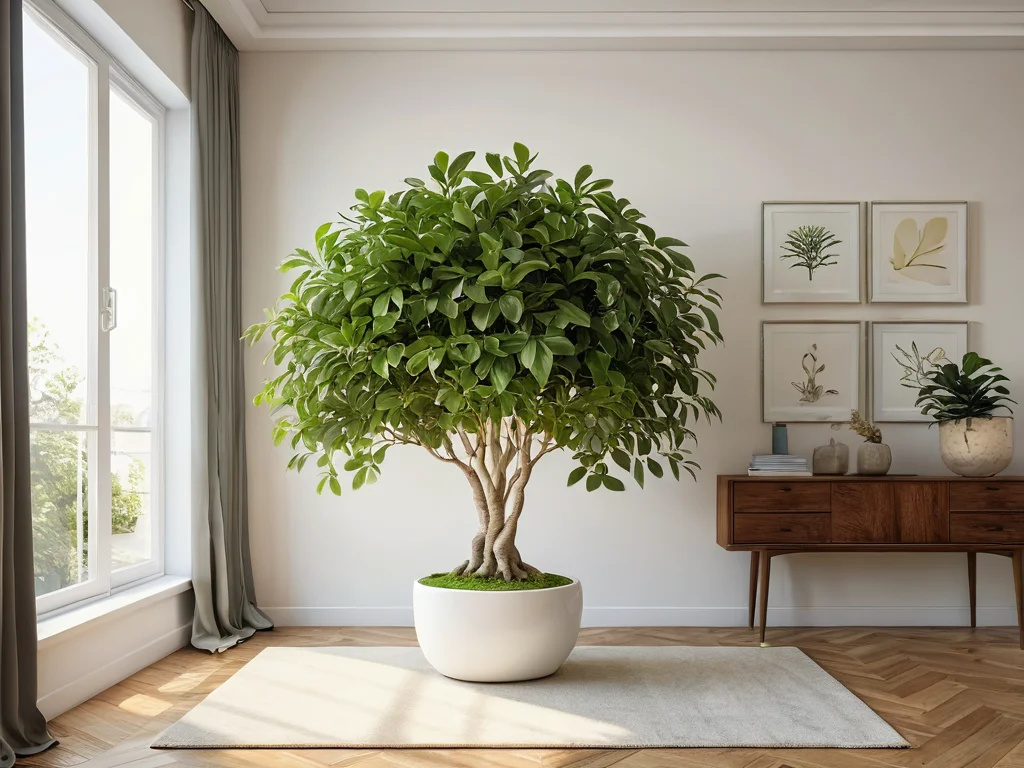
Like any powerful energetic conductor, the ficus can bring not only blessings but also certain risks if handled carelessly. In Feng Shui, even the most auspicious plant can transform its positive energy into something less desirable if placed or cared for incorrectly. It is important to understand that in most cases, the negative influence of the ficus is not due to its nature, but to human errors.
One of the most common and persistent myths about the ficus is the so-called “husband-chaser” effect. This myth claims that the ficus can “drive” men out of the house, making them apathetic, irritable, or even forcing them to leave the family. In reality, this is a distorted interpretation of Feng Shui principles. If a ficus becomes a “husband-chaser,” it usually indicates a serious imbalance in the energy of the bedroom or the relationship sector. An overly large, dominant plant in an intimate area, especially if placed in a way that suppresses energy, can indeed create discomfort and disharmony, affecting all household members, not just men. It’s important to remember that the bedroom is a place for Yin, calm energy, while a large, actively growing ficus carries powerful Yang energy. Their combination can be conflicting.
Another aspect that can cause problems is the excessive size and dominance of the ficus in a small space. An overly lush plant that takes up too much room can become an “energy vampire,” literally draining energy from those around it and creating a feeling of oppression, confinement, and heaviness. This is especially dangerous in small rooms or corners where energy tends to stagnate. In Feng Shui, it’s important to maintain balance and proportion: the plant should be a harmonious addition, not a main accent that overwhelms with its power.
Another important nuance relates to the shape of the leaves and branches of some ficus species. While many ficuses have rounded, soft leaves, there are some with sharper or more pointed ones, and branches that can be angular or directed straight at a person. Such shapes can create “Sha Qi” (poisoned arrows) – so-called “poisoned arrows” or negative cutting energy. For example, a branch directed straight at your sleeping or working area can cause discomfort, irritability, and even health problems. It’s important to monitor the plant’s shape and prune it if necessary, giving it softer, more rounded contours. Ensure that no sharp part of the plant “attacks” your relaxation or activity zones.
Finally, a sick or dying plant is a source of extremely negative energy. If your ficus is wilting, its leaves are yellowing, falling off, or it has pests, it will radiate energy of decline and illness instead of life-giving Qi. Such a ficus will not only be unhelpful but can also cause a decline in energy, misfortune, and poor well-being for the inhabitants of the house. In this case, you must either take immediate measures to restore its health or, if the plant cannot be saved, get rid of it to prevent the spread of negative energy throughout the house. A healthy plant is the key to positive energy.
So, to avoid negative aspects, consider the following:
- Size: Proportionate to the room size. A large ficus in a small room will create imbalance.
- Shape: Avoid sharp corners and branches directed at rest or work areas.
- Health: Always monitor the plant’s condition. A sick ficus is a source of negativity.
- Location: Avoid bedrooms and areas where energy should be maximally calm and Yin.
Remember that Feng Shui is the art of harmony. The ficus, like any other element in your home, requires a thoughtful and conscious approach so that its powerful energy serves you for good.
Choosing the “Right” Ficus: Differences in Varieties and Their Energetic Influence on the Home
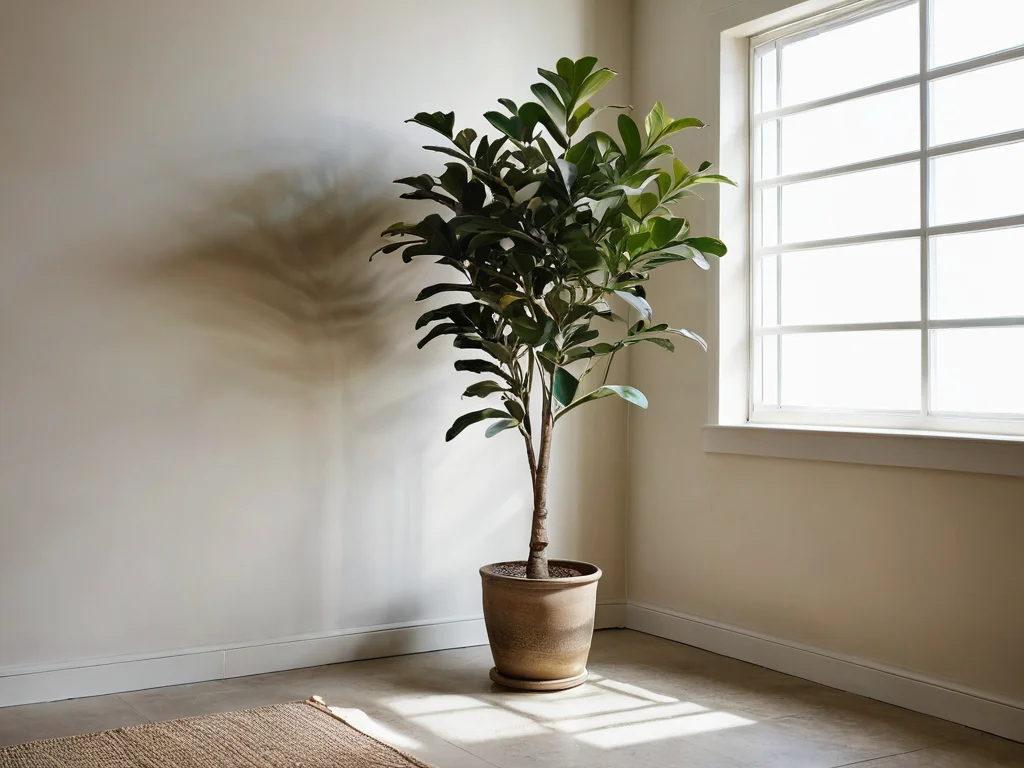
Choosing a ficus for your home is not just a matter of aesthetics; it’s a decision that determines the energy the plant will bring into your space. Different ficus species have unique characteristics that interact with Qi energy in different ways. In Feng Shui, the shape of the leaves, their size, and the overall structure of the plant are particularly valued. Let’s explore which ficuses will be most beneficial for various purposes.
Rubber Plant (Ficus elastica) – one of the most popular and auspicious species from a Feng Shui perspective. Its leaves are large, fleshy, rounded or oval, with a glossy surface. They resemble coins, making this ficus a powerful magnet for attracting financial well-being and stability. The rubber plant is believed to possess strong protective energy, capable of warding off negativity and creating a sense of security. Its sturdy trunk and dense leaves symbolize strength and resilience. It is perfectly suited for the wealth sector (southeast) or the entrance area, where it will greet guests with its powerful and welcoming energy.
Fiddle-leaf Fig (Ficus lyrata) – this species is recognizable by its very large, wavy, leathery leaves resembling a violin or lyre. Its energy is more dynamic and active. The lyrata is excellent for stimulating creative energy, career growth, and ambition. If you are striving for new projects, want to unlock your potential, or advance in your career, this ficus will be your loyal assistant. Its leaves, like open palms, capture new ideas and opportunities. It will be particularly appropriate in a study, studio, or in the fame (south) and career (north) sectors.
Weeping Fig (Ficus benjamina) – this elegant ficus with its numerous small, pointed leaves and drooping branches evokes more contradictory interpretations. On one hand, its lush crown symbolizes abundance and flexibility, promoting adaptation to change and the gentle flow of energy. On the other hand, small and pointed leaves can generate more scattered and sometimes “prickly” energy. Therefore, the Weeping Fig requires more careful placement. It can be wonderful for the family sector (east) or the children/creativity sector (west), where its energy promotes gentle communication and development. However, avoid placing it in the bedroom, especially near the bed, as its energy can be too active and disturb peace.
Ginseng Ficus (Ficus microcarpa ‘Ginseng’) – often grown as a bonsai, it has a thickened, root-like trunk and small oval leaves. This species is associated with longevity, wisdom, and vitality. It is excellent for the knowledge and wisdom sector (northeast), as well as for areas requiring stability and depth. Its compact size makes it suitable for small spaces, where it can serve as a symbol of steadfastness and inner strength.
General selection principles:
- Leaf Shape: Rounded and large leaves attract money and stability. Pointed leaves require more cautious placement.
- Plant Health: Always choose a healthy, lush plant without signs of wilting or pests.
- Size: Proportion the plant’s size to the room’s size. It should fit harmoniously without overwhelming the space.
- Personal Feelings: Trust your intuition. If the plant evokes pleasant feelings in you, it’s a good sign.
Remember that each ficus is a living being with its own unique energy. Choose it with love and attention, and it will surely reciprocate, filling your home with positive energy.
The Ideal Location for a Ficus: How to Place the Plant to Attract Love, Money, and Health
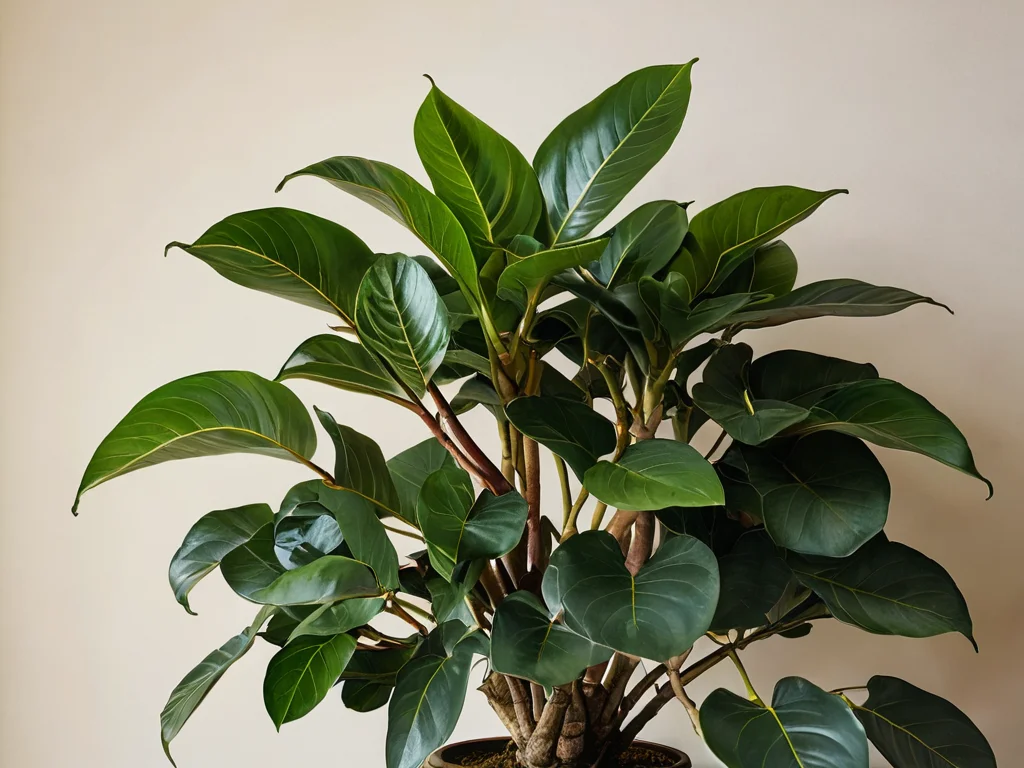
Proper placement of a ficus in the home is a key aspect of its auspicious influence according to Feng Shui. It’s not enough to simply choose a beautiful plant; it’s important to find a place where its energy can be fully realized and directed towards achieving your goals. We will be guided by the Bagua map, which divides space into nine life sectors, each responsible for a specific area of our lives.
1. Wealth and Prosperity Sector (Southeast)
This is perhaps one of the most obvious and powerful locations for a ficus. The Rubber Plant (Ficus elastica) or Fiddle-leaf Fig (Ficus lyrata) with their large, fleshy leaves symbolizing money and abundance will perform best in this sector. Place a healthy, lush plant here to activate financial flows, attract new earning opportunities, and strengthen your material stability. It is believed to help retain money in the home and prevent its outflow.
2. Family and Health Sector (East)
The eastern part of the home is responsible for the health of all family members and harmony in relationships. Here, the ficus can become a powerful source of vital Qi energy. Any healthy ficus will be suitable, but the Weeping Fig will be particularly good for creating a gentle and supportive atmosphere that fosters mutual understanding. Its presence here helps smooth over conflicts, strengthen family bonds, and support the physical health of household members. This is a place where the ficus’s energy will promote longevity and well-being for everyone.
3. Love and Relationships Sector (Southwest)
This sector requires special attention, considering the “husband-chaser” myth. For the love sector, it’s better to choose not one, but a pair of small ficuses, symbolizing partnership and equality. It’s important that these are ficuses with rounded, soft leaves, such as young Rubber Plants or Weeping Figs in a small, well-maintained form. Avoid overly large plants that can dominate and create imbalance. Their energy will contribute to strengthening romantic relationships, attracting love, and creating a harmonious union. Do not place them directly in the bedroom; it’s better to keep them at a distance from the bed, in the living room or hallway adjacent to this sector.
4. Career Sector (North)
For those striving for career advancement and professional success, the northern sector is the ideal place for the Fiddle-leaf Fig. Its dynamic energy and large leaves will stimulate ambition, foster new ideas, and help achieve goals. A ficus here helps attract opportunities for promotion, improve reputation, and gain recognition. It is like a beacon, pointing the way to success and prosperity in the professional sphere.
5. Hallway and Entrance Area
A ficus in the hallway is a powerful amulet. It welcomes positive Qi entering the home and simultaneously repels negative energies. A large Rubber Plant or Fiddle-leaf Fig here will not only look beautiful but also serve as a shield against external influences, creating a favorable atmosphere right from the doorstep. It fills the home with vitality as soon as you enter.
Where it is not recommended to place a ficus:
- Bedroom: As mentioned, large ficuses can disturb the peace and Yin energy necessary for complete rest. This can lead to insomnia, anxiety, and relationship disharmony.
- Directly by a door or window: Placing a ficus directly opposite the entrance door or a large window can cause its energy to “evaporate” from the house before it has a chance to spread throughout the space.
- In dark, cluttered corners: In such places, the plant will wither, and its energy will stagnate, turning negative.
- Near or in a toilet: The toilet is an area of energy outflow, and placing live plants, especially powerful ones like ficus, is not recommended, as their energy will be constantly depleted.
- In narrow passages: Large plants blocking the way create obstacles to the free flow of Qi, which can cause a feeling of stagnation and delays in affairs.
Remember that harmony is key. Choose a location for your ficus based not only on Feng Shui rules but also on your personal feelings of comfort and beauty. If the plant feels good in its chosen spot, and you feel joy from its presence, then you have found the ideal combination.
Energy and Care: How to Maintain the Ficus’s Positive Influence and Purify Its Energy
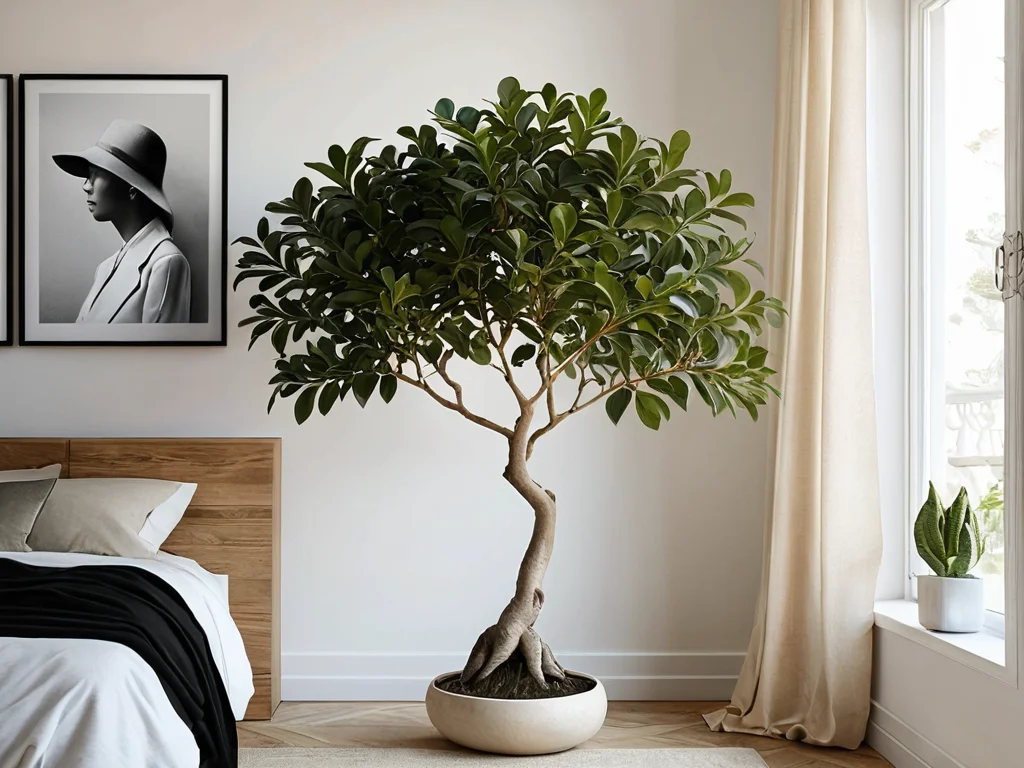
In Feng Shui, the physical condition of a plant directly reflects its energetic influence on the home. A healthy, lush, and well-cared-for ficus radiates powerful, pure Qi, bringing prosperity and harmony. If the plant is sick, wilting, or dusty, it begins to emit negative or stagnant energy, which can negatively affect the atmosphere in the home. Therefore, regular and conscious care for the ficus is not just gardening, but an important Feng Shui practice.
Physical Care as an Energetic Practice:
1. Regularly clean leaves from dust: This is one of the most important aspects. Dust on the leaves not only prevents the plant from breathing and photosynthesizing but also blocks the free flow of energy. It is believed that dust attracts stagnant energy and symbolizes the accumulation of problems. Wipe the leaves with a damp soft cloth at least once a week. This is a simple but very effective purification ritual that helps the ficus “breathe” and fully radiate positive Qi. This action is analogous to how you clear your mind of unnecessary thoughts and worries.
2. Proper watering: Lack of or excess moisture leads to plant diseases and wilting. A healthy ficus needs balanced watering. Dry soil symbolizes a lack of vitality, while overwatering symbolizes excess and stagnation, which can lead to rot and diseases. Observe your plant; it will tell you when it needs water. This reflects balance in all areas of your life.
3. Adequate lighting: Ficus plants love light, but most of them cannot tolerate direct, scorching sunlight. Find a spot with diffused, bright light for it. Light symbolizes clarity, activity, and Yang energy. Insufficient light will weaken the plant and its energy.
4. Timely pruning and shaping: Remove dry, yellowed, or damaged leaves immediately. They are a source of declining energy and must be removed so as not to impede the influx of fresh Qi. Shape the crown to be harmonious and rounded, avoiding sharp angles that can create “Sha Qi.” Pruning stimulates new growth and renewal.
5. Repotting and fertilizing: Give the plant enough space to grow and nutrients. Repot the ficus as it grows into a slightly larger pot. This symbolizes expanding opportunities and continuous development. Fertilizing supports its vitality.
Energetic Purification and Enhancement of the Ficus’s Influence:
- Sound Harmonization: Sometimes, you can use soft sounds – chimes, bowls, or calm music – near the ficus. Sound vibrations help break up stagnant energy and introduce fresh Qi.
- Intention and Communication: Talk to your ficus, thank it, express your positive intentions. Plants, like all living things, respond to our thoughts and feelings. Positive intention is a powerful tool in Feng Shui.
- Crystals: Place crystals near the ficus pot that enhance positive energy. For example, clear quartz to amplify energy, amethyst for calm, or citrine to attract abundance. They will work in unison with the plant’s energy.
- Fresh Air: Regularly ventilate the room where the ficus is located. Fresh air brings new, clean Qi that revitalizes the plant and the entire space.
Remember that your ficus is not just an interior item but a living energetic companion. Treat it with care and respect, and it will reward you by filling your home with harmony, prosperity, and vitality.
Major Placement and Care Mistakes: How Not to Turn a Helper into a Source of Problems
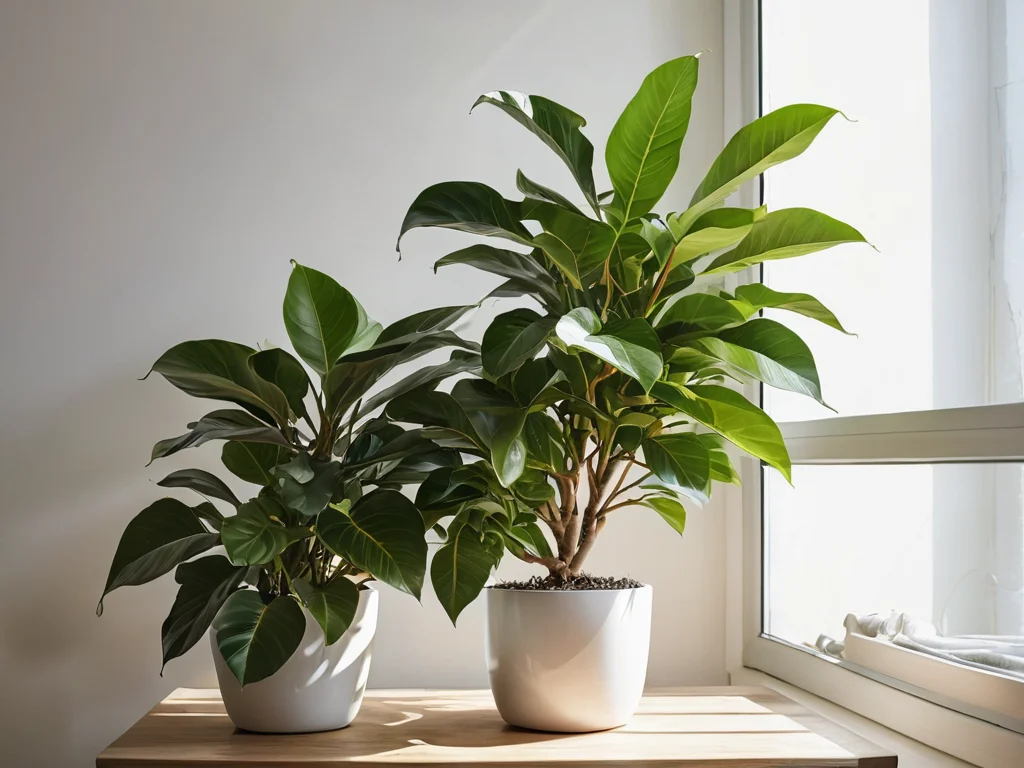
Even the most auspicious plant, like the ficus, can become a source of problems if mistakes are made in its placement or care. In Feng Shui, every element must be in harmony with its surroundings, and disrupting this harmony can lead to undesirable consequences. Let’s look at the most common mistakes that can turn your green helper into a generator of negative energy.
1. Overcrowding the Space:
One of the most frequent mistakes is having too many plants, especially large ones, in one small room. While plants are generally beneficial, too many ficuses or other large flowers in a small room can create a feeling of overload and stagnant energy. Instead of generating fresh Qi, they begin to compete with each other and with the inhabitants for space and energy, leading to a feeling of suffocation, apathy, and even conflicts. Always adhere to the principle of balance and moderation. One large, healthy plant is much more effective than several sickly, cramped ones.
2. Placement in the Bedroom, Especially Near the Bed:
We’ve already mentioned the “husband-chaser” myth, but it’s not just about that. The bedroom is a zone of rest, intimacy, and calm Yin energy. A large, actively growing ficus emits strong Yang, active energy. This imbalance can disrupt sleep quality, cause insomnia, disturbing dreams, and general nervousness. In relationships, this can manifest as restlessness, irritability, or a lack of intimacy. If you really want a ficus in your bedroom, choose a small, young specimen and place it as far from the bed as possible, for example, near a window, but not directly opposite it.
3. Neglecting Care:
A sick, wilting, or dusty ficus is not just unsightly; it is a powerful source of negative Sha Qi. Dried leaves, yellowed stems, cobwebs, or dust on the leaves symbolize decline, stagnation, and a lack of vitality. Such a plant will not only drain energy from household members but also attract misfortune, illness, and sadness. It is necessary to immediately remove all diseased parts, clean the leaves, or, if the plant is incurable, get rid of it. Never keep dying plants out of “pity” – it harms your energy.
4. Placement in Dark, Neglected Corners:
The ficus is a plant that loves light and space. Placing it in a dark, poorly ventilated, or cluttered corner will condemn it to slow wilting. In such places, Qi energy stagnates, forming “dead zones.” A plant located in such a zone cannot fully perform its function of purification and activation; on the contrary, it begins to generate stagnant energy, which will spread throughout the house. Ensure your ficus receives enough light and air, and that there is enough free space around it.
5. Creating “Poisoned Arrows” (Sha Qi):
Some ficus species have sharp leaves or angular branches. If these sharp elements are directed straight at a person, their workspace, bed, or frequently used area, they can create Sha Qi. This “cutting” energy can cause discomfort, irritability, headaches, and even health problems. Regularly inspect the plant and, if necessary, prune or reposition it so that sharp edges are not directed at people. Choose ficuses with more rounded shapes for areas where people spend a lot of time.
By avoiding these common mistakes, you can ensure that your ficus will serve you as a loyal and reliable source of positive energy, bringing only well-being and harmony into your home.
Your Ficus – A Guide to a Harmonious World: A Feng Shui Checklist for a Happy Home
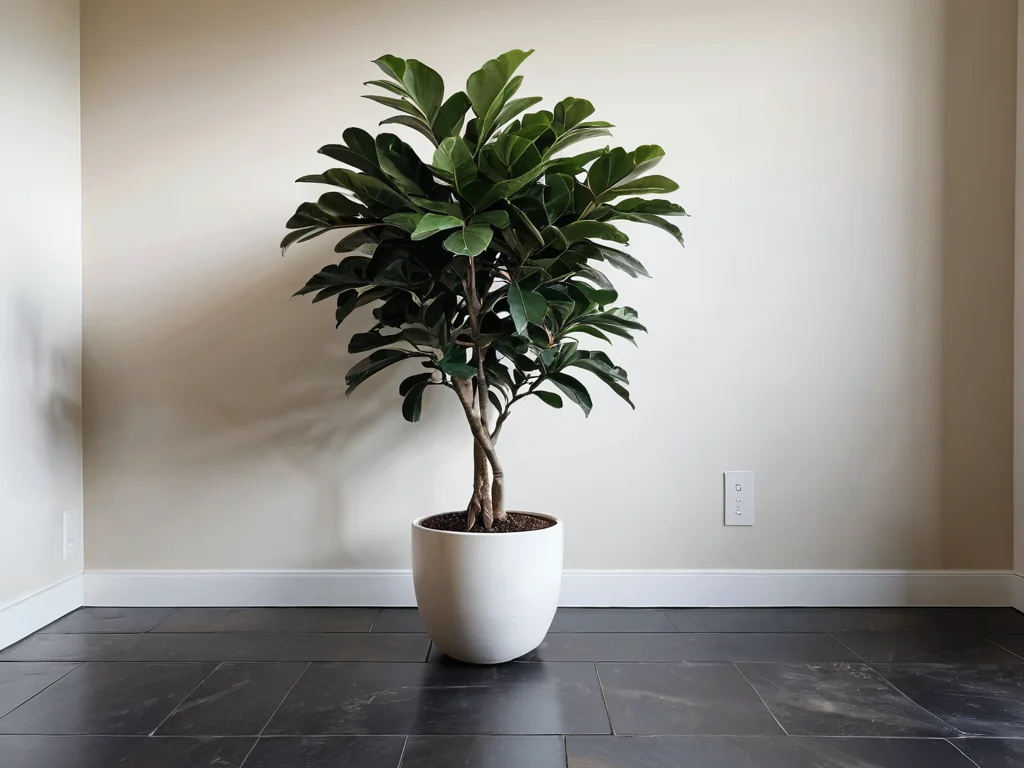
We have come a long way in unraveling the mysteries of the ficus in Feng Shui. Now you know that it is not just a houseplant but a powerful energetic tool capable of attracting abundance, love, health, and harmony into your life. However, its potential is only realized with a conscious approach, careful selection, and proper care. Your ficus can become your loyal guide to a world of prosperity if you follow the basic principles of Feng Shui.
Remember that Feng Shui is not a set of rigid rules, but rather an art of creating harmony, where intuition and personal feelings play no less a role than ancient knowledge. Listen to your home and your heart, and you will surely find the ideal place for your green friend. Use this checklist to ensure your ficus brings only well-being into your home.
Feng Shui Checklist for a Happy Home with a Ficus:
- ✓ Choose a healthy plant: Ensure your ficus is lush, green, and free from signs of disease or pests. The plant’s health is the key to its positive energy.
- ✓ Determine your goal: Think about what you want to attract into your life (money, love, health). This will help you choose the right ficus variety and placement sector.
- ✓ Place the ficus correctly according to Bagua:
- For wealth and prosperity (Southeast) – a large Rubber Plant or Fiddle-leaf Fig.
- For family and health (East) – any healthy ficus, but the Weeping Fig is particularly good.
- For love and relationships (Southwest) – a pair of small ficuses with rounded leaves, avoiding the bedroom.
- For career and growth (North) – Fiddle-leaf Fig.
- For protection – in the hallway.
- ✓ Provide sufficient light and air: Place the ficus in a well-lit area with diffused light, avoiding dark corners and direct scorching rays. Ventilate the room regularly.
- ✓ Keep leaves clean: Regularly wipe the leaves with a damp cloth so they can “breathe” and freely radiate Qi.
- ✓ Promptly remove dry and diseased leaves: They are a source of negative energy and should be removed immediately.
- ✓ Avoid placement in bedrooms and narrow passages: These locations can create disharmony or block energy flow.
- ✓ Pay attention to the plant’s shape: Give it harmonious, rounded contours, avoiding sharp angles directed at rest or work areas.
- ✓ Observe changes: Pay attention to how the ficus affects your well-being and the atmosphere in your home. If something is wrong, try changing its location.
- ✓ Tune into positivity and gratitude: Treat the ficus as a living being, fill it with the energy of your good thoughts and intentions.
May your ficus become a powerful ally in creating a home filled with happiness, prosperity, and serene harmony!