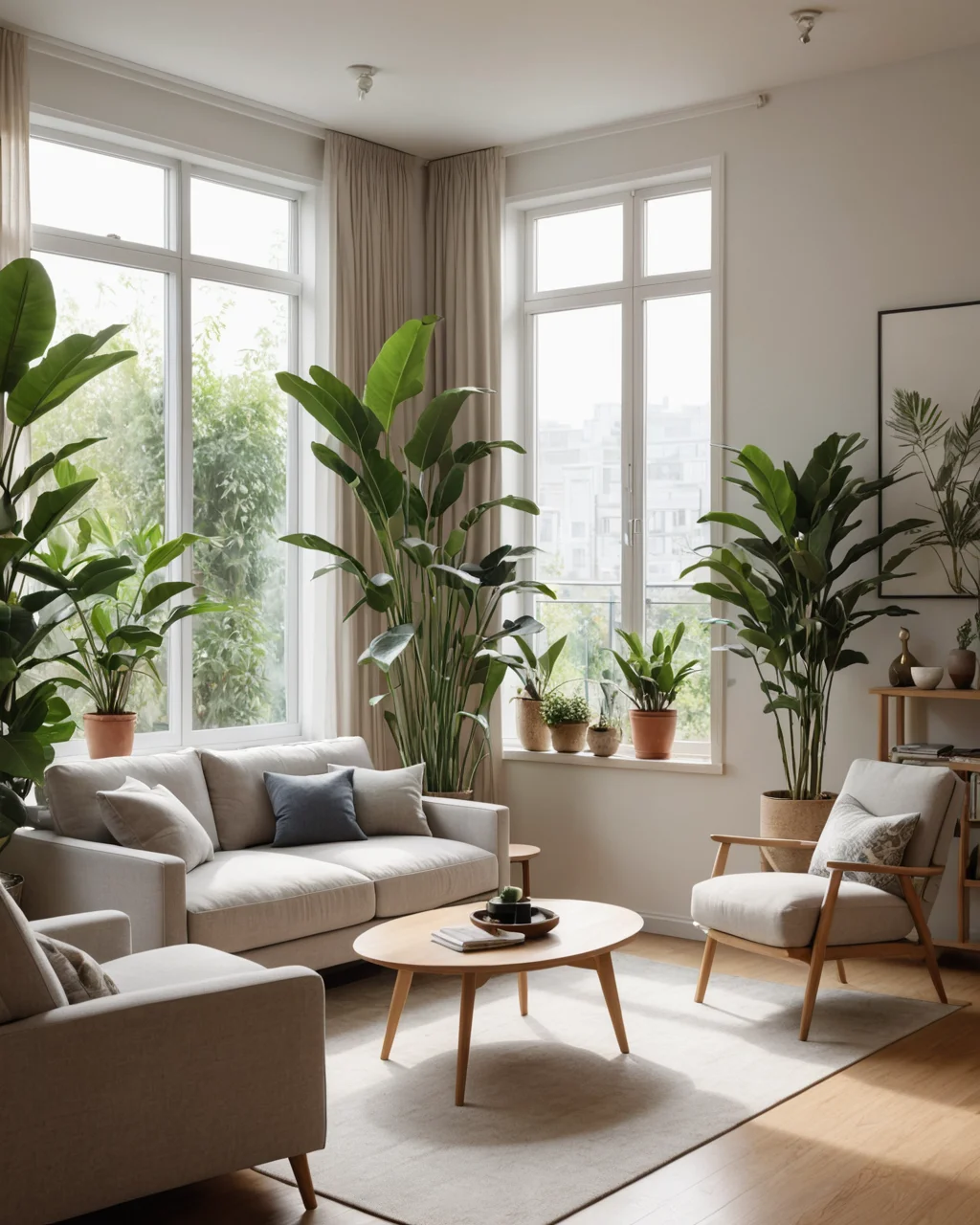
Feng Shui is an ancient Chinese practice aimed at creating harmony in the spaces where we live and work. The importance of Feng Shui lies in its ability to optimize the flow of energy (Qi), which in turn can affect our mood, health, and relationships. This is especially relevant for small apartments where every space matters. When creating coziness in the living room, it’s important to consider Feng Shui principles to foster an atmosphere conducive to family happiness and well-being.
The first step towards harmony in the living room is understanding how to arrange furniture. Feng Shui offers many recommendations regarding space layout. For example, it’s better to place the sofa so that it doesn’t face the door with its back. This creates a sense of security and tranquility, which is especially important for a family. Furniture should be arranged in a circular or semi-circular shape to foster a friendly atmosphere for communication.
It’s also worth paying attention to the corners and edges of furniture. Sharp objects can create disharmony and increase tension. To minimize this effect, it’s best to choose soft furniture with rounded shapes. Furthermore, in a small apartment, it’s necessary to remember that free space is also energy, so the room should not be overloaded with unnecessary items.
Color Palette for Family Happiness
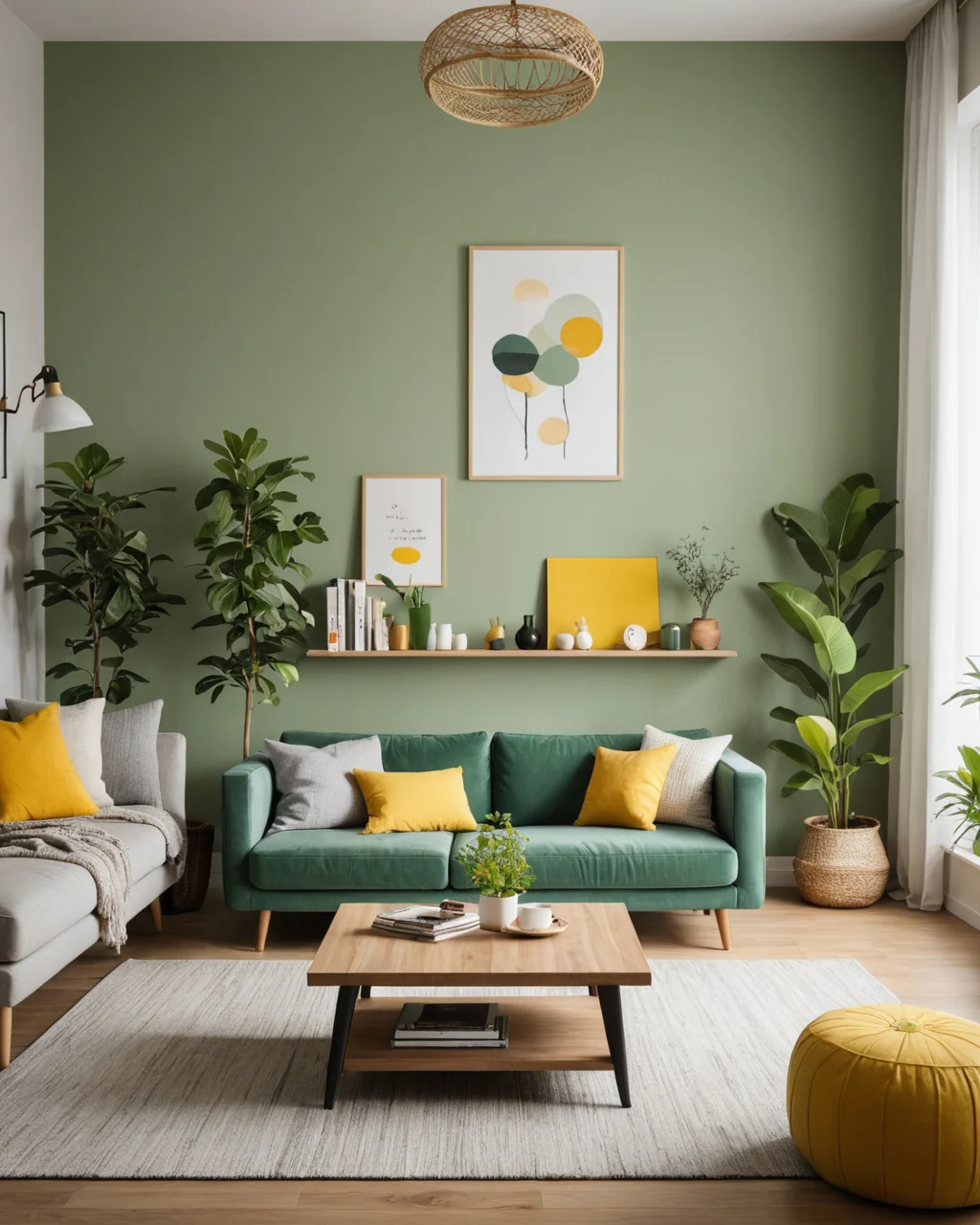
Colors surround us everywhere and have a significant impact on our emotional state and perception. In Feng Shui, the color palette plays a key role in creating a harmonious atmosphere. Each color corresponds to certain elements and feelings, so it’s important to choose shades that will contribute to creating coziness and tranquility in the living room. For example, warm shades of yellow and orange create an atmosphere of joy and happiness, while green shades are associated with harmony and freshness.
Additionally, using light colors can visually expand the space, which is particularly relevant for small apartments. Light walls and furniture make the room brighter and more airy. However, when choosing a color scheme, it’s important to remember balance: bright accents are best combined with neutral backgrounds. This will create an effect of lightness and comfort, and also help avoid color overload.
When choosing a color palette, it’s also important to consider the personal preferences of family members. For example, if someone in your family prefers a certain shade, it can be used in decor – pillows, paintings, or curtains. Thus, by creating a unique color palette, you can not only harmonize the space but also make it a reflection of your family’s individuality.
Furniture and its Placement: Secrets of a Cozy Interior
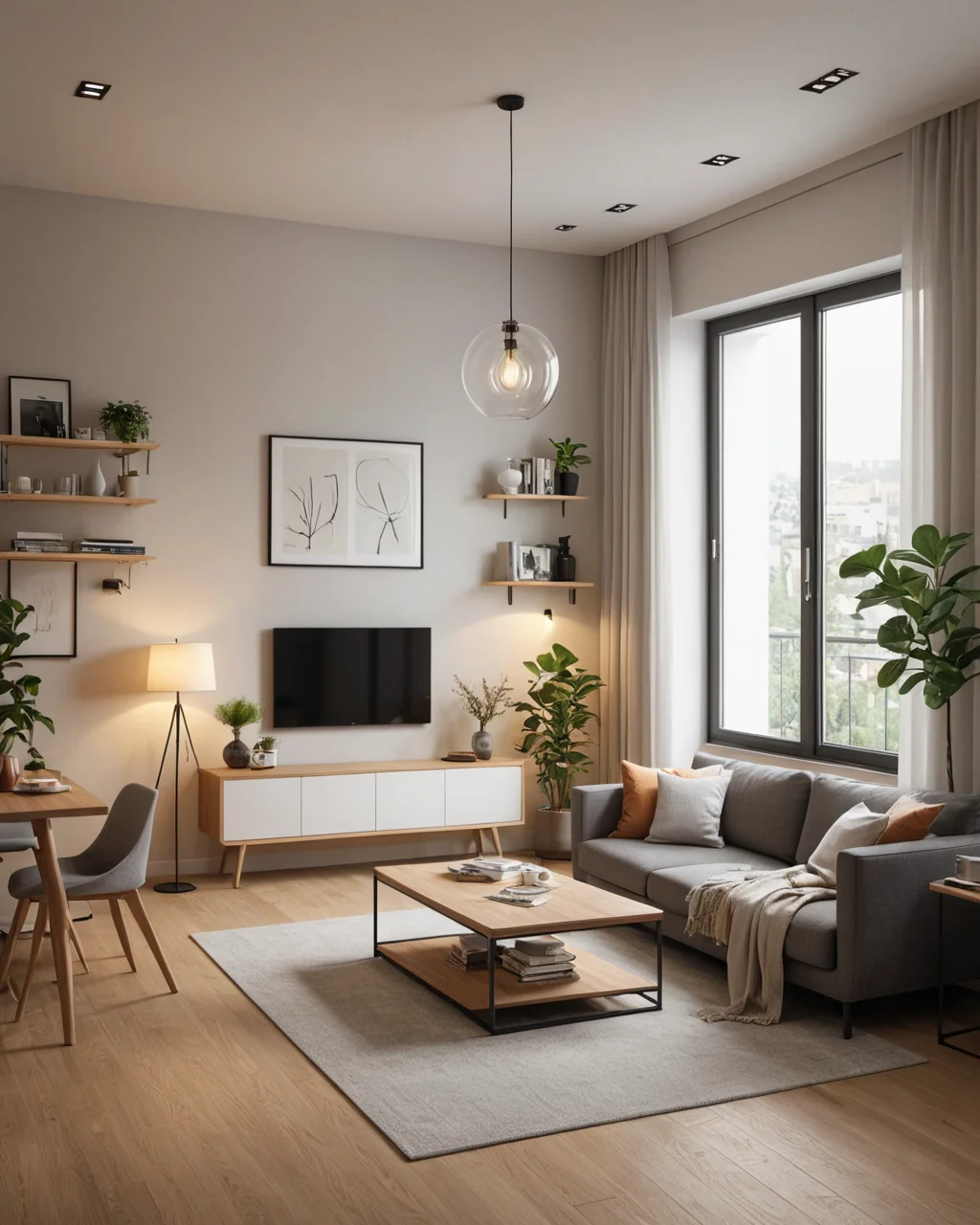
One of the main aspects of Feng Shui is the correct placement of furniture. In a small apartment, this can be a real art. Firstly, the shape and size of furniture play an important role. It’s better to choose models with compact dimensions and rounded shapes to avoid a feeling of space congestion. For example, corner sofas can be an excellent solution for small living rooms as they save space and create a cozy atmosphere.
Furthermore, space zoning should be considered. Even in a small apartment, several functional zones can be created: for relaxation, reading, or socializing. Shelves, sofas, or even rugs can be used for this. For example, a small rug can define a relaxation area, and wall shelves can help organize space for books and decor. Elements that separate zones don’t necessarily have to be bulky – they can even be low partitions or plants.
It’s important to remember that every spot in a small apartment should be comfortable and functional. A sofa can be not only a place for relaxation but also have built-in storage drawers. This will help avoid clutter and create a sense of order, which is so important for creating a harmonious atmosphere in the living room.
Lighting and its Role in Creating Positive Energy
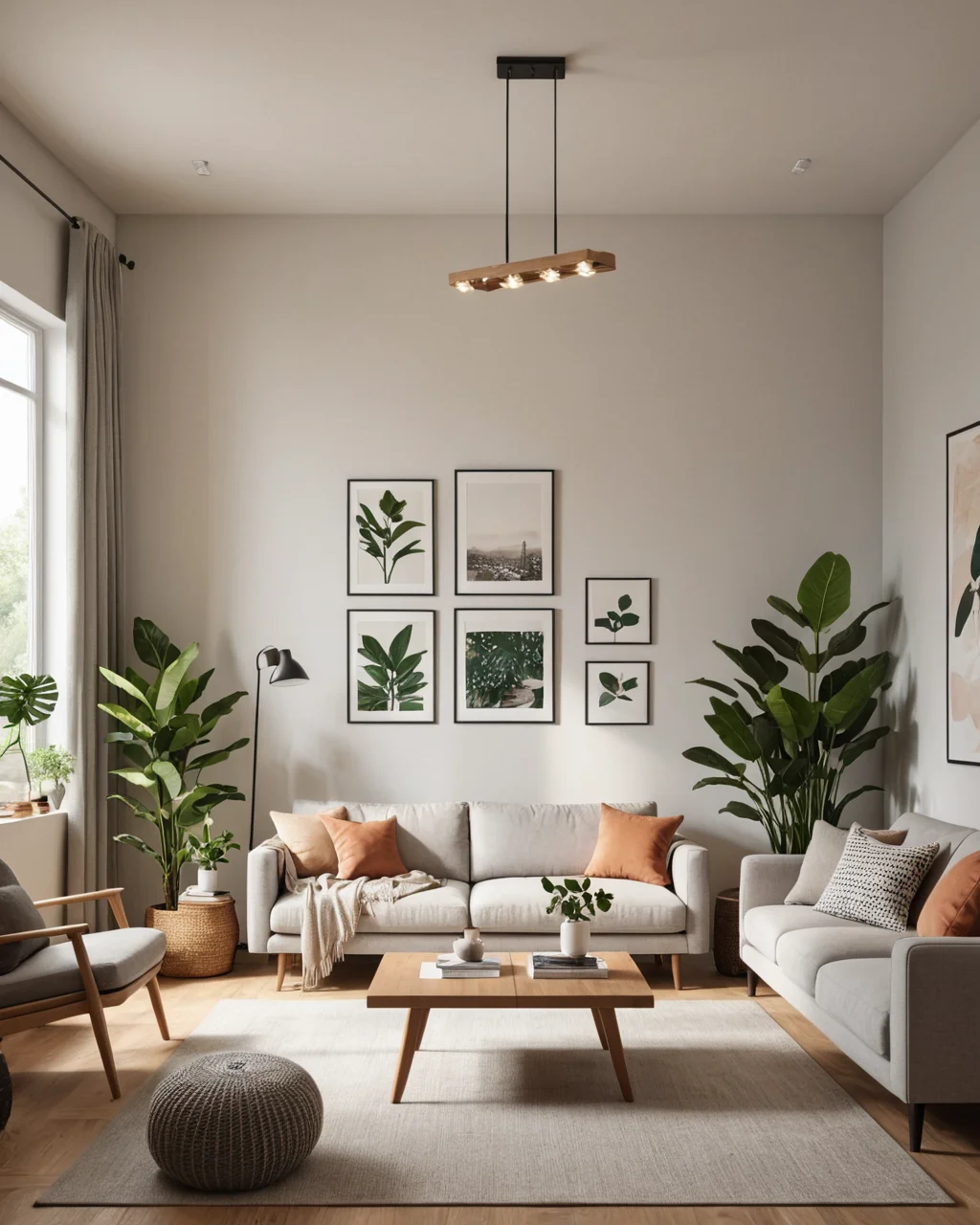
Lighting is one of the most important elements of Feng Shui, directly influencing the mood and atmosphere in a room. In small apartments, special attention should be paid to both natural and artificial lighting. Natural light fills the space with life energy, so it’s important to maximize the use of windows, avoiding darkening them with heavy curtains. Light curtains or blinds will help preserve light and create a cozy atmosphere.
Artificial lighting should be diverse. Combine ceiling lights with wall and floor lamps to create layered lighting. This approach allows you to adapt the lighting to different scenarios: for reading, socializing, or a romantic evening. It’s best to choose lamps with soft, warm light that promotes relaxation and peace.
The choice of light sources also matters. Avoid overly bright, harsh lamps – they can cause irritation. Instead, lamps with dimmers are suitable, allowing you to adjust the brightness of the lighting depending on the time of day and mood. Thus, proper lighting in the living room will not only help create a comfortable environment but also have a positive impact on the emotional state of the entire family.
Elements of Nature: How to Add Living Energy to the Interior
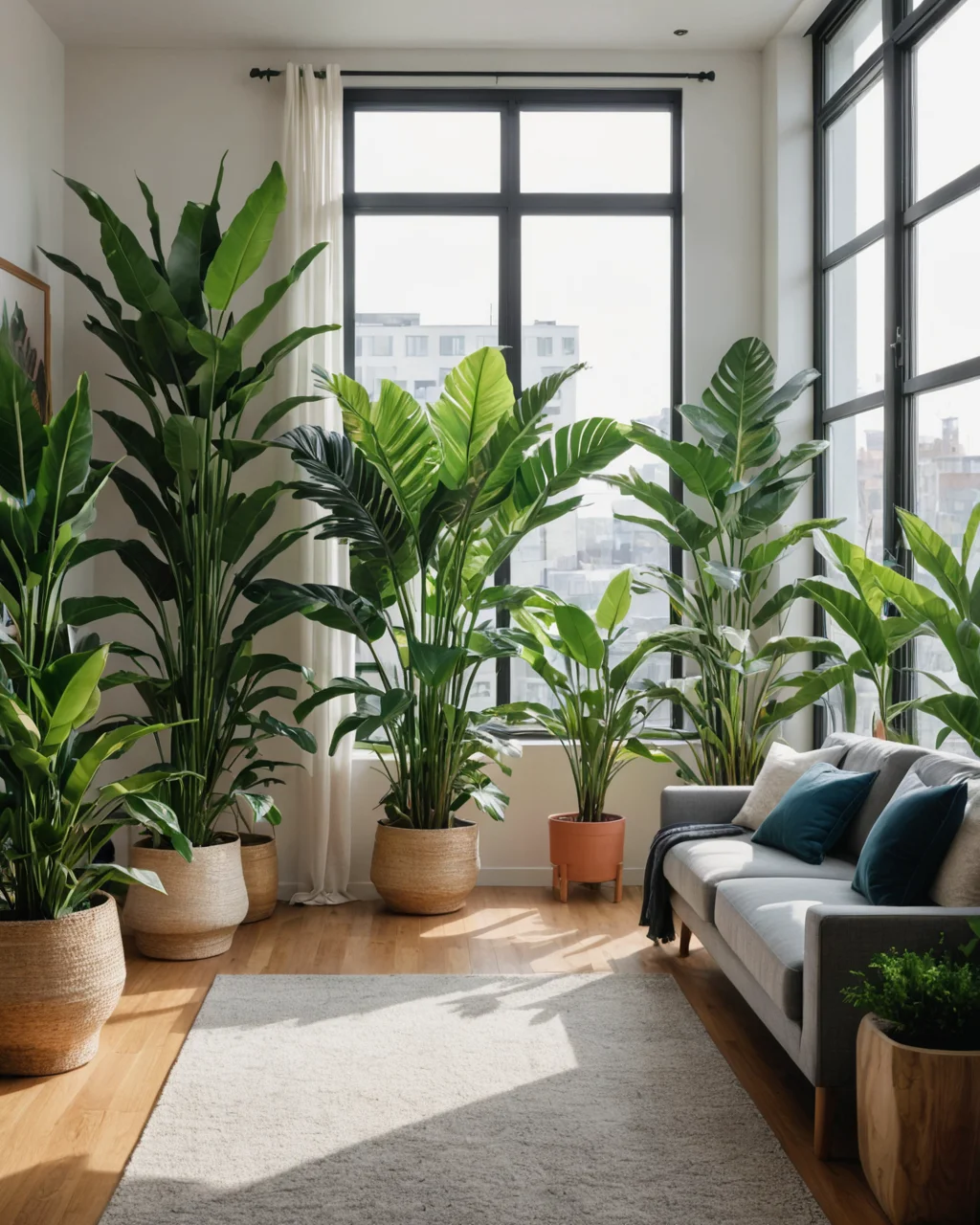
To create a harmonious space, it’s important not to forget about nature. Elements of nature in the interior, such as plants and water, can bring living energy into the living room. Green plants not only purify the air but also add a sense of freshness and coziness. In Feng Shui, there are many plants considered beneficial: for example, ficuses, peace lilies, and snake plants. They are not only beautiful but also have a positive effect on the apartment’s atmosphere.
Additionally, water elements can also be an excellent addition. Fountains or aquariums not only decorate the interior but also symbolize wealth and prosperity. The soft sound of water creates a relaxing atmosphere, and a well-designed aquarium can become a real focal point in the living room. However, it’s important to remember the correct placement of such elements: they should not be too close to the entrance door to avoid creating a sense of instability.
Nature helps us connect with the surrounding world and creates harmony. By adding plants and water elements, you not only liven up the space but also contribute to improving family relationships, filling the home with positive energy.
Mirrors and Their Magic: Reflecting Positive Energy

Mirrors are one of the most powerful Feng Shui tools. They can visually expand space, creating the illusion of a larger area, which is especially valuable in small apartments. However, the use of mirrors should be thoughtful. It’s best to place mirrors so that they reflect pleasant views – paintings, flowers, or other decorative elements that fill the home with positive energy.
It’s important to avoid reflecting negative aspects. For example, do not place a mirror so that it reflects the entrance door, as this can create a sense that energy is leaving the house. Furthermore, it is not recommended to place mirrors opposite each other, which can cause disharmony. Proper placement of mirrors will help create a sense of space and ensure the inflow of positive energy.
Additionally, mirrors can be used to draw attention to specific areas in the living room. For example, a mirror can be placed in a reading nook, making it cozier and brighter. Thus, mirrors become not only a decorative element but also an important aspect of creating a harmonious atmosphere in the living room.
Personal Touches: Creating a Unique Space for the Family
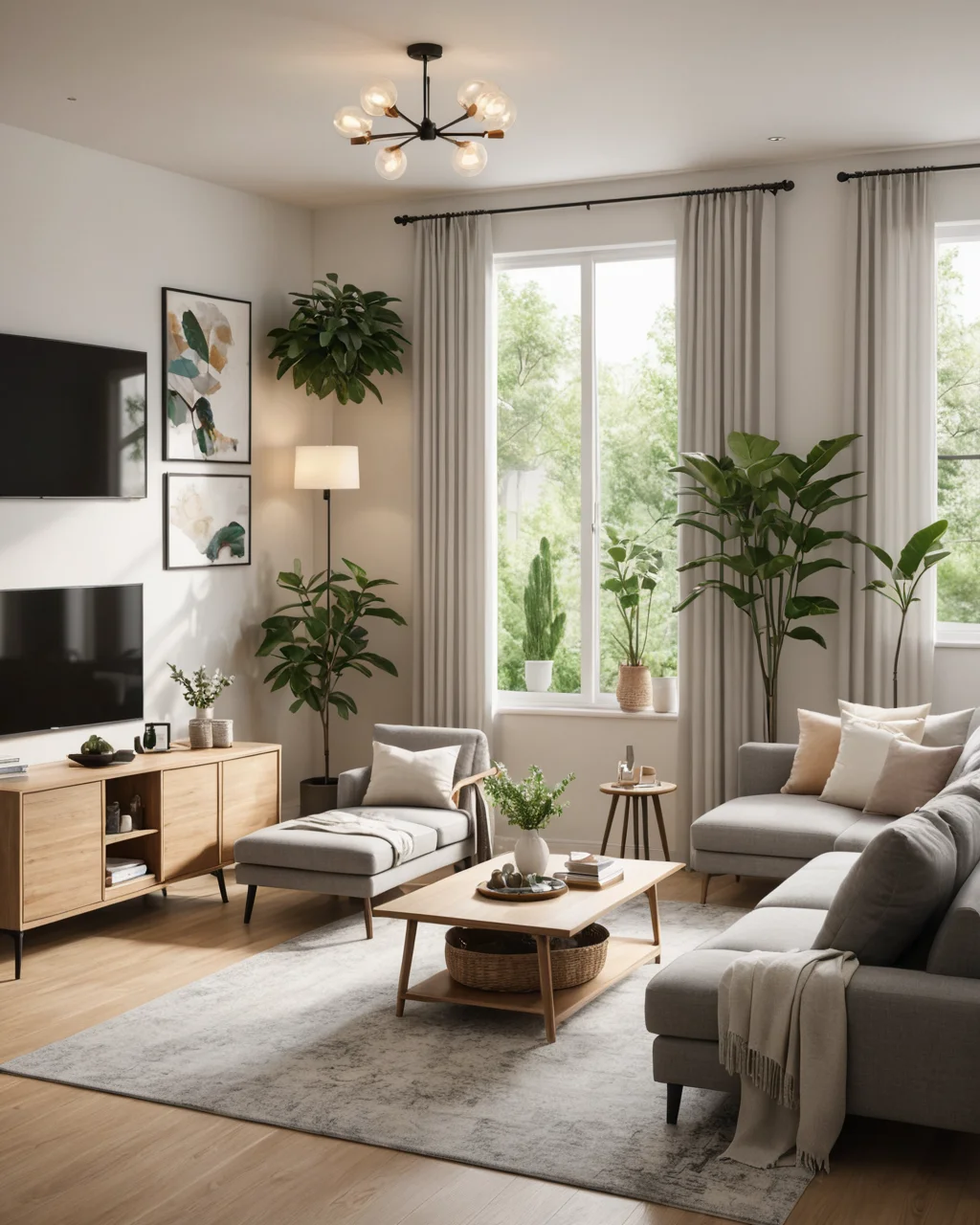
Personal items and decorative elements play an important role in creating an atmosphere of coziness and warmth in the home. They help each family member feel comfortable and at ease, creating a unique atmosphere. In Feng Shui, personal touches can be used to add positive energy to the space. For example, photographs, paintings, or souvenirs can tell your family’s story and add uniqueness to the interior.
However, it’s important to maintain a balance between style and Feng Shui. The space should not be overloaded with unnecessary elements. It’s best to arrange personal items according to the principle of “one item – one story.” This helps avoid visual chaos and maintain harmony. For example, a small arrangement of favorite photos in one frame can look much more aesthetic than many individual pictures on the wall.
Finally, it’s worth remembering that decor should be not only beautiful but also emotionally significant. Choose items that inspire, bring joy, and fill the home with positive energy. By creating a unique space for your family, you not only furnish a cozy home but also contribute to strengthening the relationships between your family members.