Feng Shui and Critical Western Perception

Roots of Feng Shui: From Ancient to Modern

Feng Shui is not just a trendy concept, but an ancient art whose roots go back several millennia in Chinese history. In Chinese culture, Feng Shui embodies the harmony between humans and their surrounding space. Historically, Feng Shui was based on observations of nature and celestial phenomena. It is believed that this practice emerged in the 3rd century BC, when the first ideas about the interconnectedness between the elements of nature and human life began to form. Ancient Chinese believed that the proper organization of the surrounding space could influence a person’s health, happiness, and luck. Key elements of Feng Shui include Qi energy, the five elements (fire, earth, metal, water, and wood), and the concept of Yin and Yang. Each of these elements plays a role in creating harmony, so understanding these principles is fundamental to working with Feng Shui in the modern world.

Read more

Feng Shui and Mindful Breathing Practice: Harmony of Body and Spirit

Feng Shui: The Art of Harmony and Balance

Feng Shui is not just a way of arranging furniture; it is a whole philosophy whose roots go deep into Chinese culture. For millennia, it has been used to create harmony between people and the surrounding world. An invariable attribute of Eastern wisdom, Feng Shui emerged as a practical science aimed at exploring human interaction with space. This practice combines elements of nature, architecture, and psychology, allowing for a completely new depth of understanding of both the inner and outer worlds. Feng Shui depicts the energy of the places where we live as a way to improve the quality of life. For example, a long tabletop, where papers and other small items constantly accumulate, can block the flow of Qi energy, and consequently, affect your emotional state. Feng Shui implies that every action has its consequences, and the ability to arrange objects in space can influence our mental state, health, and even financial well-being. Feng Shui teaches us to pay attention to details and actively use space to improve our inner world.

Read more

Feng Shui and Tourist Rituals in Temples

Ancient Roots of Feng Shui

Feng Shui is not just a trendy word used to decorate interiors. It is an ancient Chinese practice that has come to us from the depths of centuries, embodying the harmony between humans and the surrounding world. It is based on philosophical teachings that preach balance between natural elements and human activity. Feng Shui was initially associated with identifying suitable locations for agriculture to fully utilize favorable environmental conditions. However, over time, it evolved into a complex system for organizing space in homes and public buildings, including temples and sacred sites.

Read more

Feng Shui and Window Energy

Window Energy: Basic Concepts

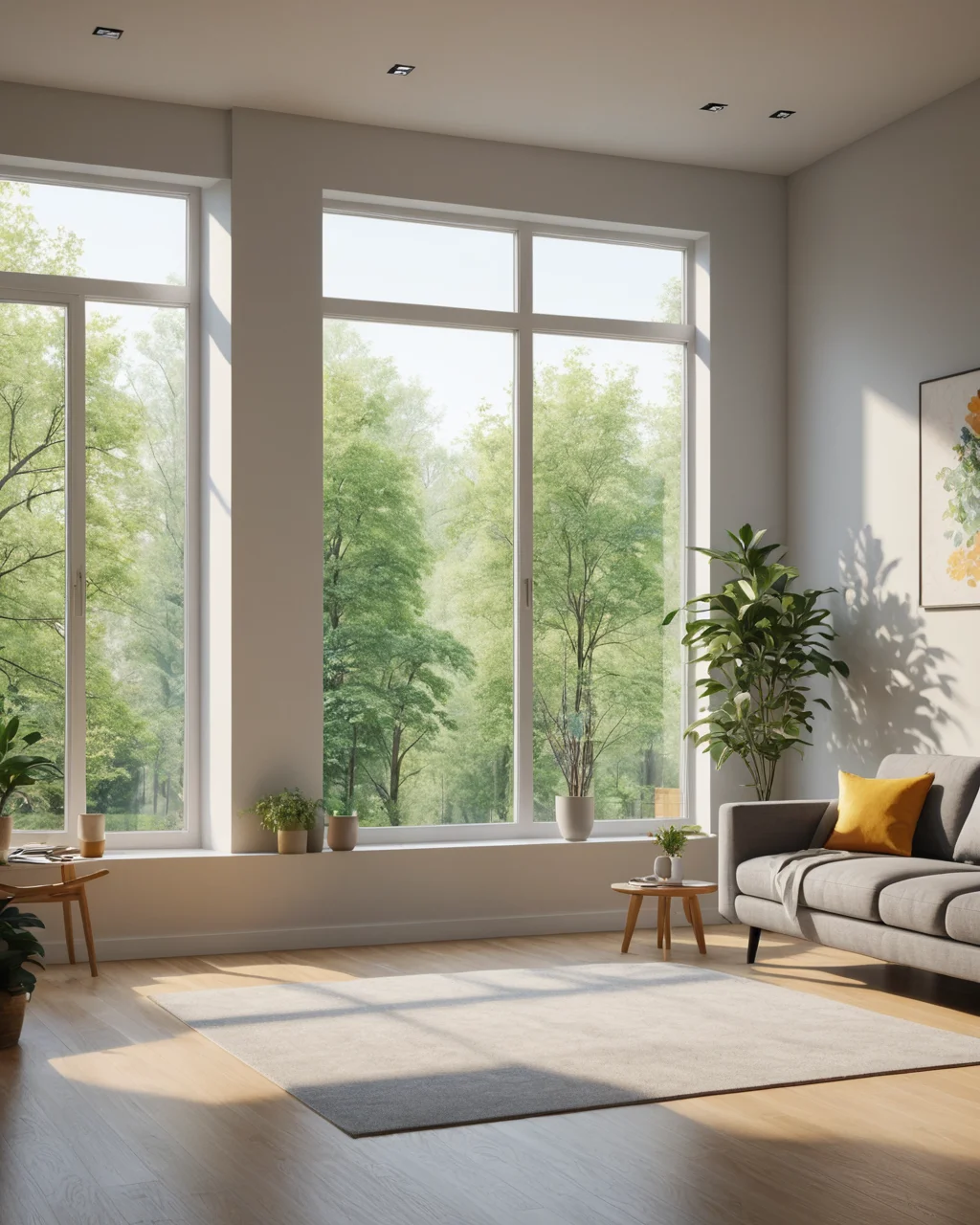
Feng Shui is an ancient Chinese practice concerned with organizing space to harmonize life energy. The main goal of Feng Shui is to create conditions that promote the flow of positive energy, known as Qi. When it comes to windows, they are not just functional elements of a building but also important “portals” for energy entering your home. Improperly placed windows can block the flow of Qi, so it’s worth paying close attention to their placement. After all, windows are not just glass openings in walls, but real “eyes” through which your home receives vital energy. Think about it: what is the first impression you get when you enter a room with dirty or curtained windows? Exactly, it’s likely not entirely positive. The energy flow penetrating through windows can affect not only the physical state of the space but also your inner state. Cleanliness and order around windows automatically create a calmer and more harmonious energy field in the room.

Read more

Feng Shui and Master Training in Asia

The History of Feng Shui: From Antiquity to Modernity

The roots of Feng Shui go back to deep antiquity, when Chinese philosophy began to form on the foundations of Taoism and Confucianism. These teachings laid the groundwork for understanding space as a living organism, in which every place and every thing has its significance. Feng Shui, which literally translates to “wind and water,” is the art of selecting the optimal placement of objects in space to achieve harmony and well-being. Over time, the principles of Feng Shui began to evolve, enriched with new ideas and approaches, making them universal and relevant today. The evolution of Feng Shui practices through the centuries shows how the adaptability of this system allowed it to survive various cultural changes and historical events. Feng Shui was mastered by different strata of society – from emperors to ordinary people, and each of them added something new to its practice, enriching it and making it more accessible. Feng Shui in the context of cultural and historical changes in Asia demonstrates that with each new stage of societal development, people’s needs also changed. Feng Shui adapted to help new generations find solutions for their lives, while remaining true to its roots and traditions. “Glazing over something just in case is not Feng Shui, and harmony should always be remembered.”

Read more

How to Correct Financial Problems with Flying Stars

The Basics of Flying Stars: What Are They?

  • Origin of the Flying Stars Concept. Flying Stars is a concept that comes from traditional Chinese metaphysics, related to Feng Shui. It is based on observing the movement of celestial bodies and their influence on our lives and space. Unlike fixed stars, flying stars are characterized by their changeability depending on the year, month, and even day. This study of stars allows us to see what energies fill your space and how this affects financial flows.
  • How Flying Stars Affect Financial Flows. Each flying star carries with it certain energetic qualities. For example, some stars bring good luck, while others can indicate losses or financial difficulties. If you know which stars are currently in your space, you can use their influence to correct your cash flow. It’s like knowing it’s raining outside – you can take an umbrella and avoid getting wet.
  • The Importance of Analyzing Current Stars in Your Space. To achieve maximum effectiveness in managing finances, it is worth regularly analyzing the star positions in your home or office. This is not just a game of prediction, but serious work that requires attention and accuracy. By using knowledge of flying stars, you can adjust your space, strengthening positive energies and minimizing the influence of negative stars.

Read more

Coin Burying Ritual for Business Success

Origins of the Coin Burying Ritual

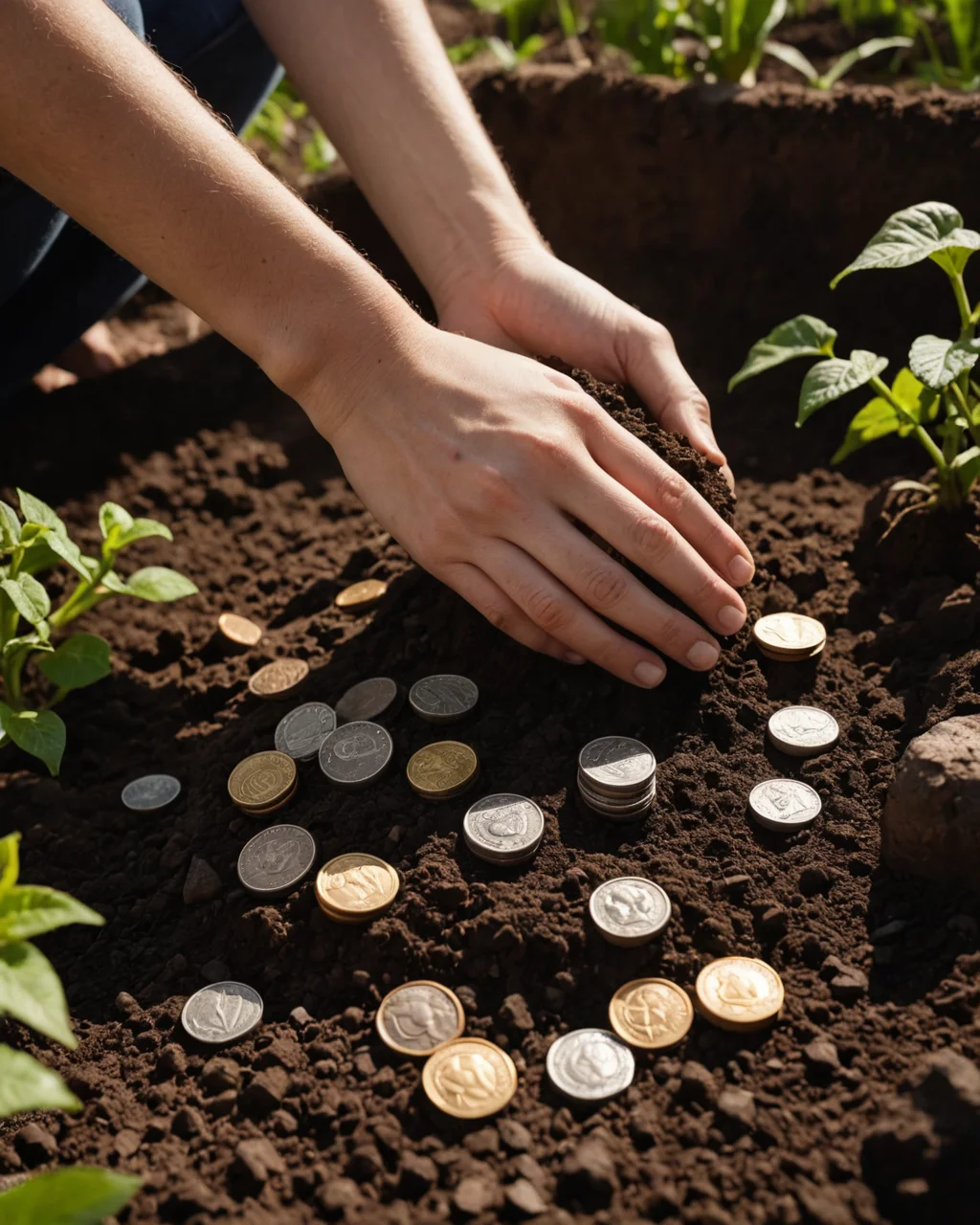
The coin burying ritual is a practice with deep historical roots, stretching back centuries. Many cultures across different continents have used rituals involving money to attract success, wealth, and prosperity into their lives. In ancient times, for example, in Rome, it was believed that burying coins in the ground would promote fertility. Many of us are not even aware of this tradition, yet it is actively practiced today. It’s important to note that such rituals exist not only in our country but also in various corners of the world – from Ancient China to Africa. Each culture imbues this act with its own symbolism, but the essence remains the same: regardless of how the coins are buried, the main idea is to facilitate the energetic flow of money.

Read more

Feng Shui and the Role of a Teacher in Learning

Feng Shui: Philosophy and Practice

  • The fundamental principles of Feng Shui encompass a wide range of aspects related to harmony between people and their surroundings. First and foremost, this teaching instructs on how to organize one’s home or workspace so that energy (qi) flows freely and eliminates blockages, leading to improvements in health, relationships, and finances. The most important concepts here are the balance of yin and yang, as well as the five elements: wood, fire, earth, metal, and water. All of them interact with each other and create a unique atmosphere. For example, if metal predominates in your room, it can lead to disagreements and tension, while the presence of water will help create a calm and relaxing environment.
  • Feng Shui permeates all aspects of life. If you consider this teaching as just another fashion trend, you are mistaken. Feng Shui is a deep philosophy rooted in Chinese culture and traditions. It offers a comprehensive approach to human interaction with the world and the environment, which helps create harmony and well-being. Interestingly, some of the earliest texts dedicated to Feng Shui date back over 3000 years BC and were recorded in ancient Chinese philosophical texts. This confirms that Feng Shui is not just a mysterious science, but the result of centuries of observation and study.
  • In practice, Feng Shui can seem somewhat paradoxical. For example, traditional Chinese homes often lack sharp corners and bright colors, which might seem strange to the modern urban dweller. However, it is worth paying attention to how these principles can truly create a more harmonious and influential living space.

Read more

Feng Shui and Practices for Tourist Trips

The Energy of Places: How to Choose a Lucky Direction

Feng Shui is not just an art of furniture placement in an apartment; it’s a whole philosophy that also encompasses choosing a travel destination. When planning a trip, it’s important to consider where exactly will be best for you. First, research each country and region you plan to visit. For example, some places, like Tibet or Brazil, have long been recognized as centers of spiritual attraction. But how do you know where luck awaits you? The answer is simple: use Bagua maps. These maps help identify strong energy zones that can foster personal growth. By overlaying the map onto a map of the area, you can easily identify squares of luck and hope, as well as avoid negative zones that can lead to trouble.

Read more

Feng Shui and the Influence of Carpets and Textiles

Carpets as Energy Conductors

Carpets hold a special place in Feng Shui, and for good reason, as they are an integral part of many interiors. Since ancient times, they have served not only as decorative elements but also as energy conductors, influencing the atmosphere in the home. In the culture of Eastern countries, carpets were made using various symbols and patterns, each intended to bring a specific energy into the space. For example, traditional Persian carpets are filled with symbols associated with abundance and harmony. Considering the wisdom of our ancestors, it can be said that an incorrectly chosen carpet can not only disrupt harmony but also make you feel uncomfortable in your own home.

Read more