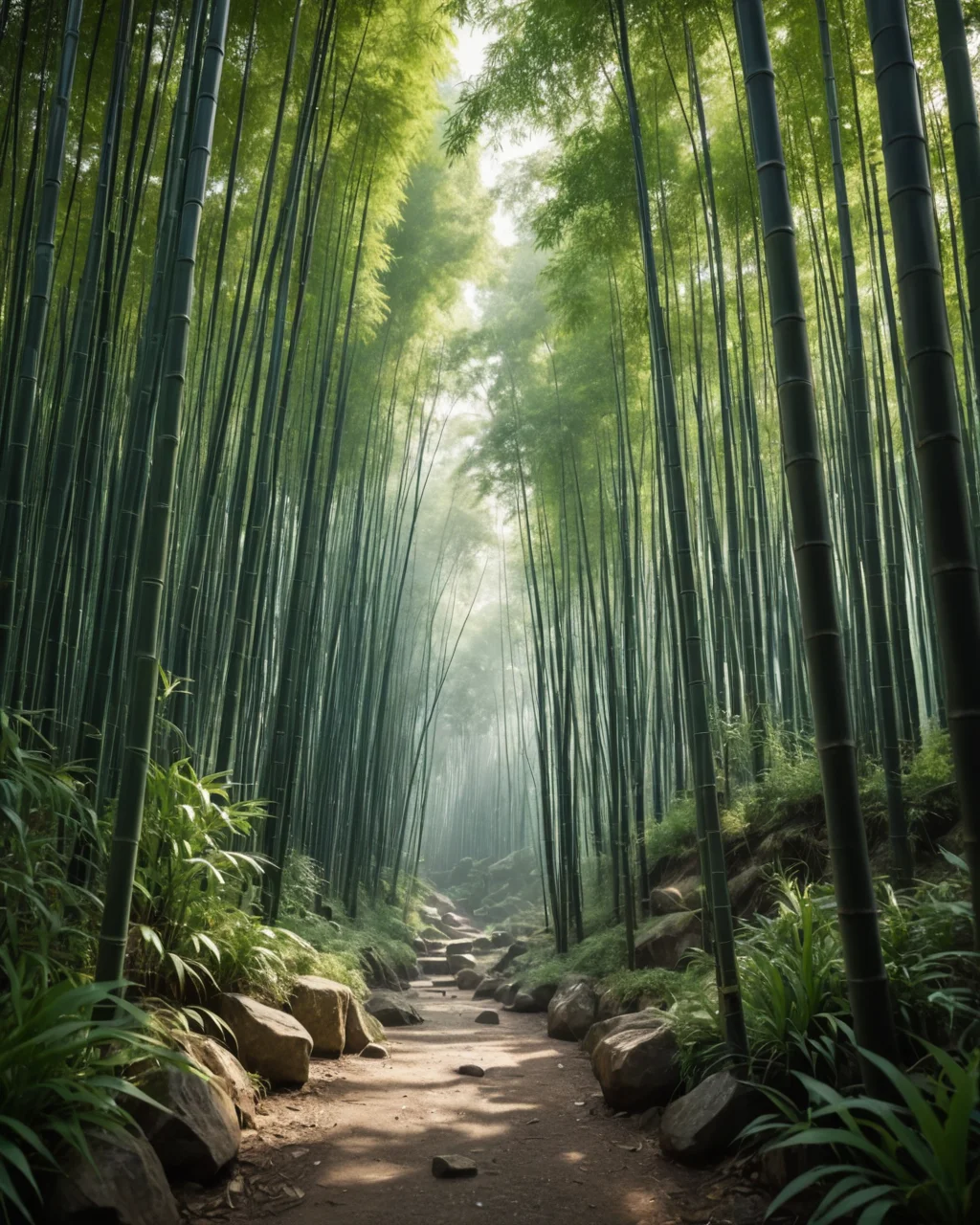
Ancient Roots of Feng Shui
Feng Shui is not just a trendy word used to decorate interiors. It is an ancient Chinese practice that has come to us from the depths of centuries, embodying the harmony between humans and the surrounding world. It is based on philosophical teachings that preach balance between natural elements and human activity. Feng Shui was initially associated with identifying suitable locations for agriculture to fully utilize favorable environmental conditions. However, over time, it evolved into a complex system for organizing space in homes and public buildings, including temples and sacred sites.
The foundation of Feng Shui is the concept of yin and yang, as well as the five elements: Wood, Fire, Earth, Metal, and Water. These elements represent the interconnectedness of energies that are in constant motion and interaction. Feng Shui teaches us how to properly build relationships with these elements to achieve harmony and well-being. For example, too much Fire in your space can lead to disharmony and stress. A properly balanced presence of all five elements, on the other hand, can bring luck and prosperity.
Consequently, according to Feng Shui teachings, the correct arrangement of buildings, objects, and even people can significantly improve the quality of life. For instance, if a temple is located in an ideal place with natural energy, it will not only make one feel comfortable but also enhance the level of spiritual practice.
Feng Shui in Temple Architecture
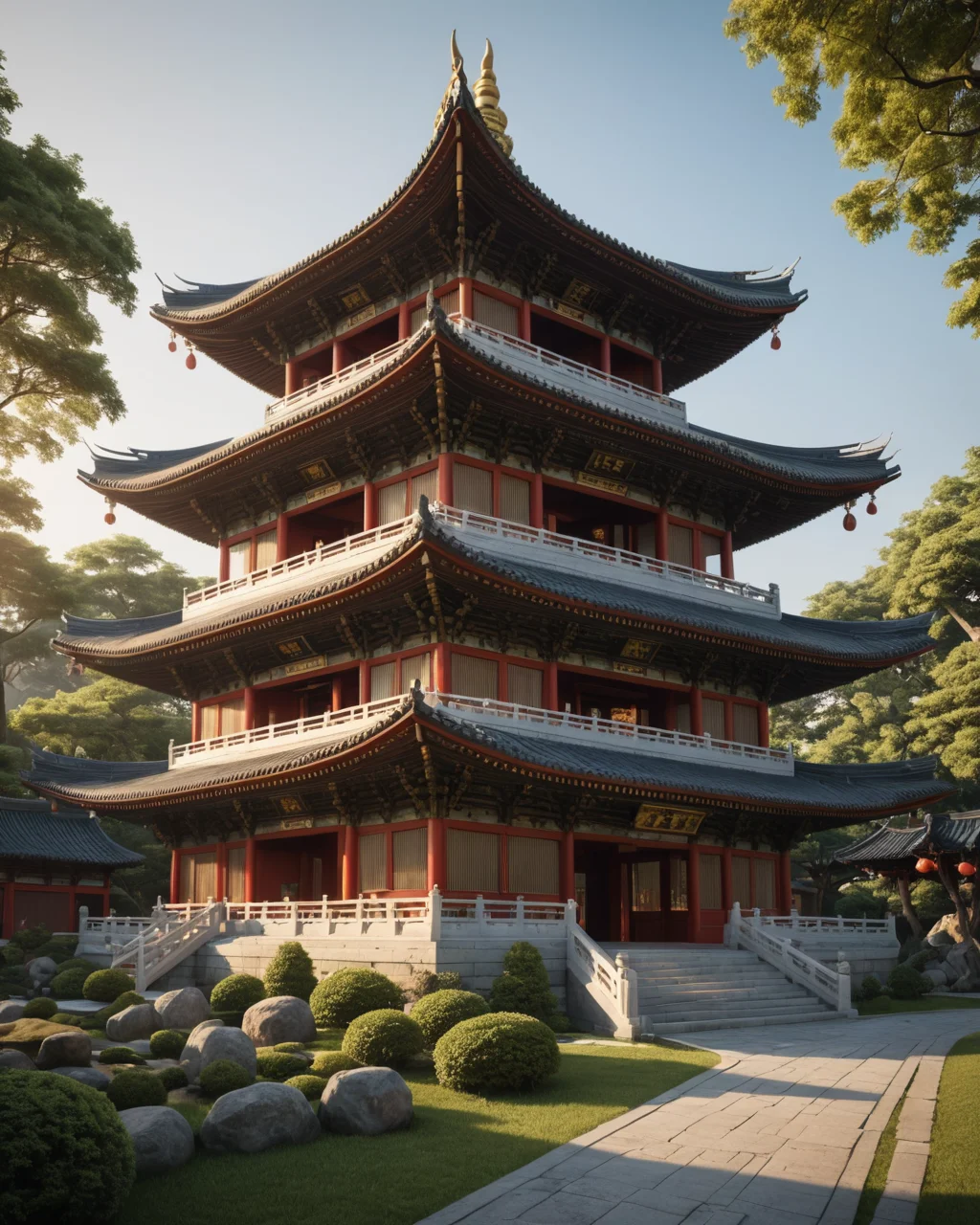
Temple architecture, like any other building, is striking in its uniqueness and beauty, but when it comes to Feng Shui, things become even more fascinating. It is important to note that traditional temples were designed to relate to the surrounding nature and elements. For example, many temples are located in places with picturesque landscapes and natural water sources, which enhances their energetic field and adds strength to those who come here for inspiration.
The approach to temple construction is based on principles of placement and design, utilizing elements such as orientation to cardinal directions. Typically, temples face south, providing access to sunlight throughout the day and bringing believers closer to the symbolism of light and warmth. In Chinese tradition, this is believed to create a more harmonious and pure energetic space for prayers and meditations. Furthermore, the shape and structure of the temple are designed with consideration for natural lines and the landscape, making it not only beautiful but also integrated into the environment.
There are many examples of temples built in accordance with Feng Shui principles. For instance, the Temple of Heaven in Beijing or Yasaka Shrine in Kyoto. These buildings serve not only as places of worship but also as natural monuments that embody the knowledge of ancient architects who knew how to integrate a view of life and its cycles into one harmonious picture. They are a vivid example of how architecture can not only serve the glory of gods but also promote inner peace.
It is also worth noting that architectural monuments in different cultures differ in their concepts, but the general idea of spatial harmony always remains constant, helping people find balance even in the most modern conditions. Thus, the level of architectural elaboration of a temple can add depth and significance to each of its elements, helping to create a space where everyone can feel a connection with nature and themselves.
Tourist Rituals and Their Significance
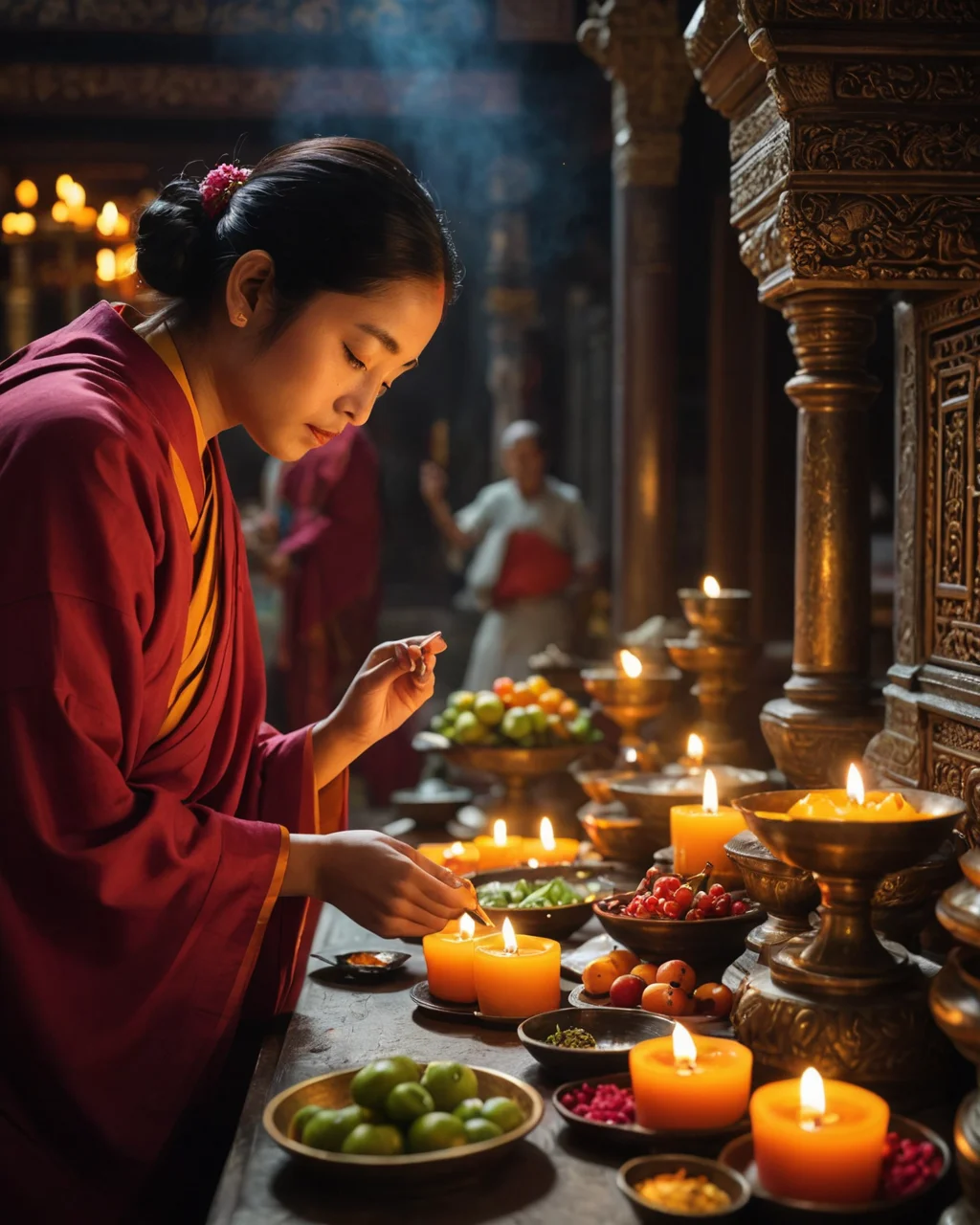
Rituals in temples are not only part of religious practice but also a wonderful opportunity for tourists to engage with cultural traditions and experience a degree of spirituality. Each temple has its own rituals, recorded in its history, and these rituals attract not only locals but also curious travelers from around the world. For example, in many Buddhist temples in Asia, one can see people lighting candles and incense to attract good luck, as well as leaving special offerings on the altar. Rituals observed by tourists are not mere shows; they are based on deep cultural meanings and symbolism. Here, every detail and every movement carries a specific meaning.
It is important to remember that rituals are connected to the cultural identity of the local population. What tourists perceive as curiosity may be a true art form for locals, conveying the power of their ancestors. Locals often see these rituals as their protectors and helpers, meaning respect for them is critically important. When traveling to temples, we are not just observing; we become part of this dynamic society where every gesture, word, and intention has its value. Participating in rituals creates a unique bridge between cultures and time, penetrating the core of our existence, allowing us to understand the true essence of each place and its spiritual nature.
In some temples, tourists can even participate in unique rituals, where they can not only observe but actively engage in the process. This can range from participating in cherished ceremonies to ritual dances. Immersing oneself in such traditions helps to understand the country’s culture more deeply and find one’s place within it. It should be noted that festivals and holidays play a key role in the cultural practice of every nation, where rituals become an integral part of customs passed down through generations. Thus, in reality, rituals in temples are not just something external; they are a manifestation of the spirit of a people, their history, and their destiny.
How to Perform Rituals Correctly
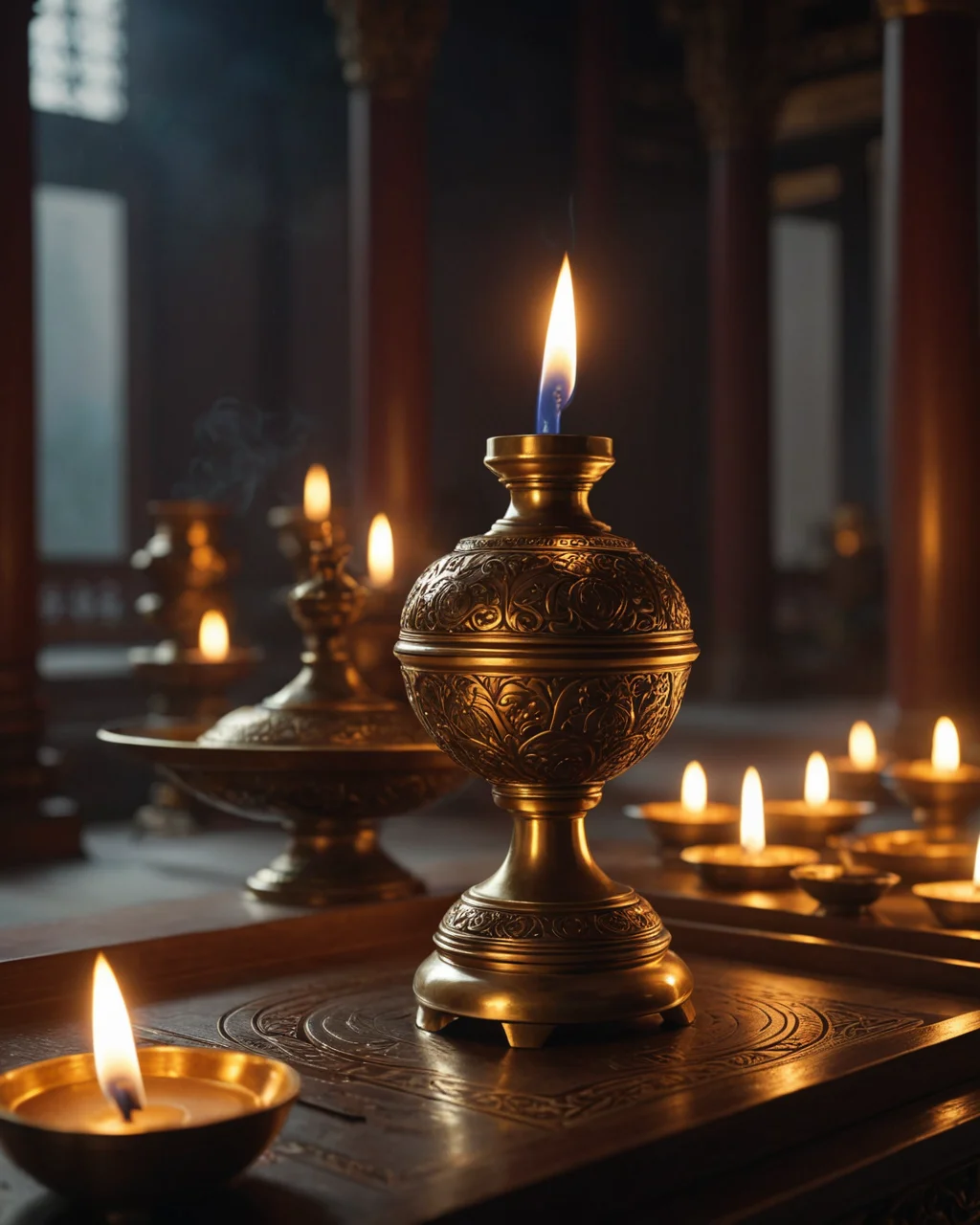
The issue of etiquette during participation in rituals is very important and requires due attention. One of the main recommendations is to always show respect for the place and the people around you. Before starting a ritual, it is necessary to familiarize yourself with its specifics, as an unprepared tourist can not only find themselves in an awkward situation but also offend the feelings of believers. For example, in some temples, you cannot enter with shoes on, and in others, you must be modestly dressed. The age of the ritual participants also matters; some actions may be permitted only for the elderly or those born under a specific sign.
Bring something to participate with. Often, specific attributes are used in rituals, such as candles, flowers, or coins. It may be wise to purchase such items right before entering the temple so that you have the opportunity to participate fully. For example, in some temples, it is customary to leave coins on the altar as a sign of respect or for an exchange of luck. Such small gestures of communication with local spirits can make your trip more memorable and positive.
Also, in rituals, do not forget about personal intention. Even if you are just observing, it is important to remember that your presence matters. Focus on your feelings and intentions, be open to new experiences, and do not hesitate to ask locals questions. They are often responsive and willing to explain the importance of certain actions and symbols. Immersing yourself in the culture and its customs can radically change your perception of a place and help you establish a more humane interaction with the surrounding world.
Feng Shui and Personal Energy
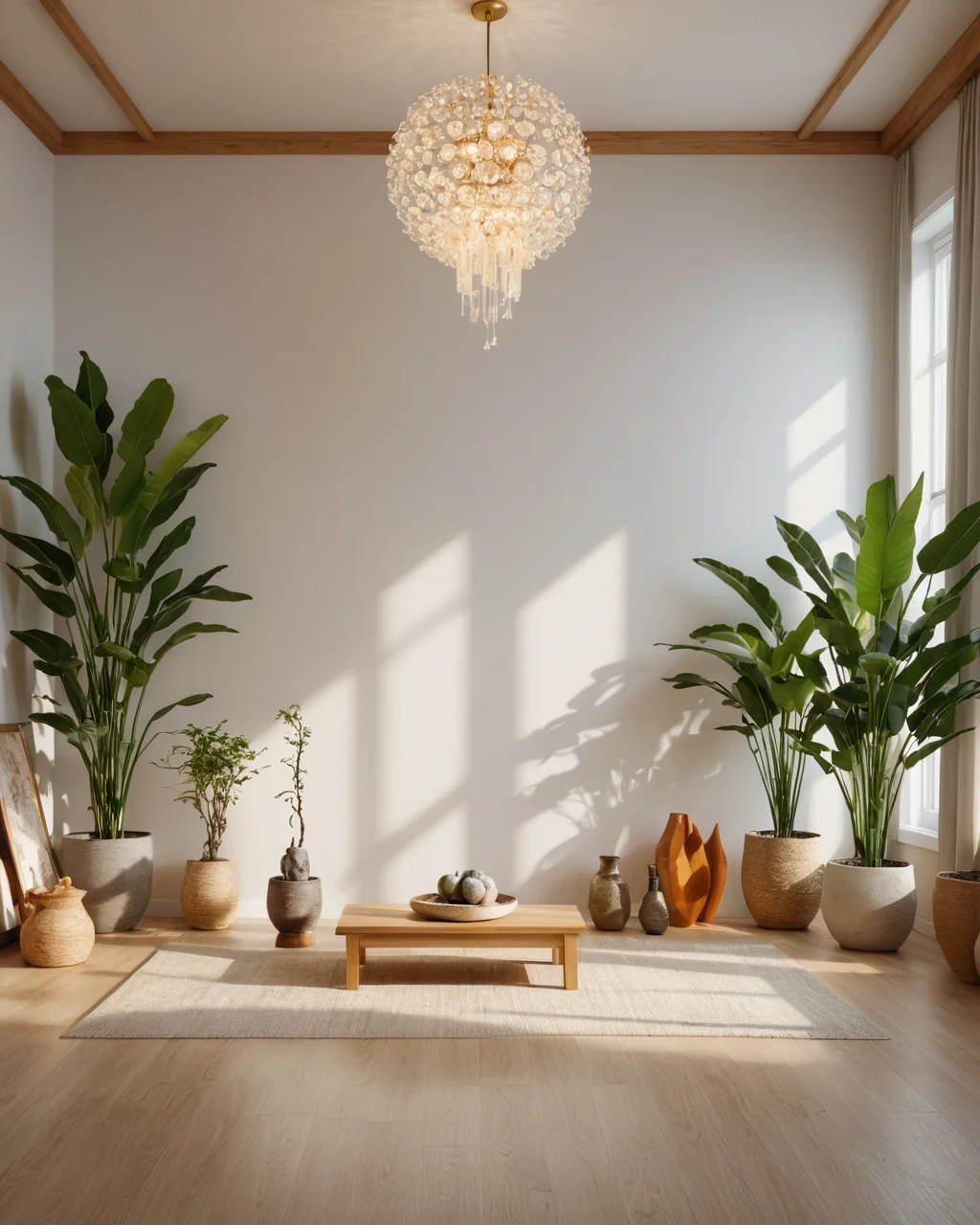
Feng Shui is not limited to temple architecture. In fact, this practice can deeply influence our daily well-being and luck. The correct application of Feng Shui principles allows not only to decorate a space but also to improve the energy level in your home or office. For example, by considering the placement of furniture, you can create a space where happiness and luck can easily enter.
Furthermore, it is important to understand that Feng Shui also works on the level of our personal energy. There are many simple practices that anyone can use. For instance, according to Feng Shui teachings, open windows serve to attract fresh air and new opportunities. You can also place green plants in places where you spend most of your time, as they can bring vitality and enliven the room.
Thus, various Feng Shui practices can become rooted in the daily lives of each of us, creating an environment in which we will be happier and more successful. Consider what changes you can make to your space and how you can more effectively build relationships with your surroundings and environment. Sometimes, rearranging a few interior items can affect your health and well-being more than you might imagine. It is important to remember that your space reflects your energy, and the more harmonious it is, the more harmonious you will be.
Symbolism of Temple Objects
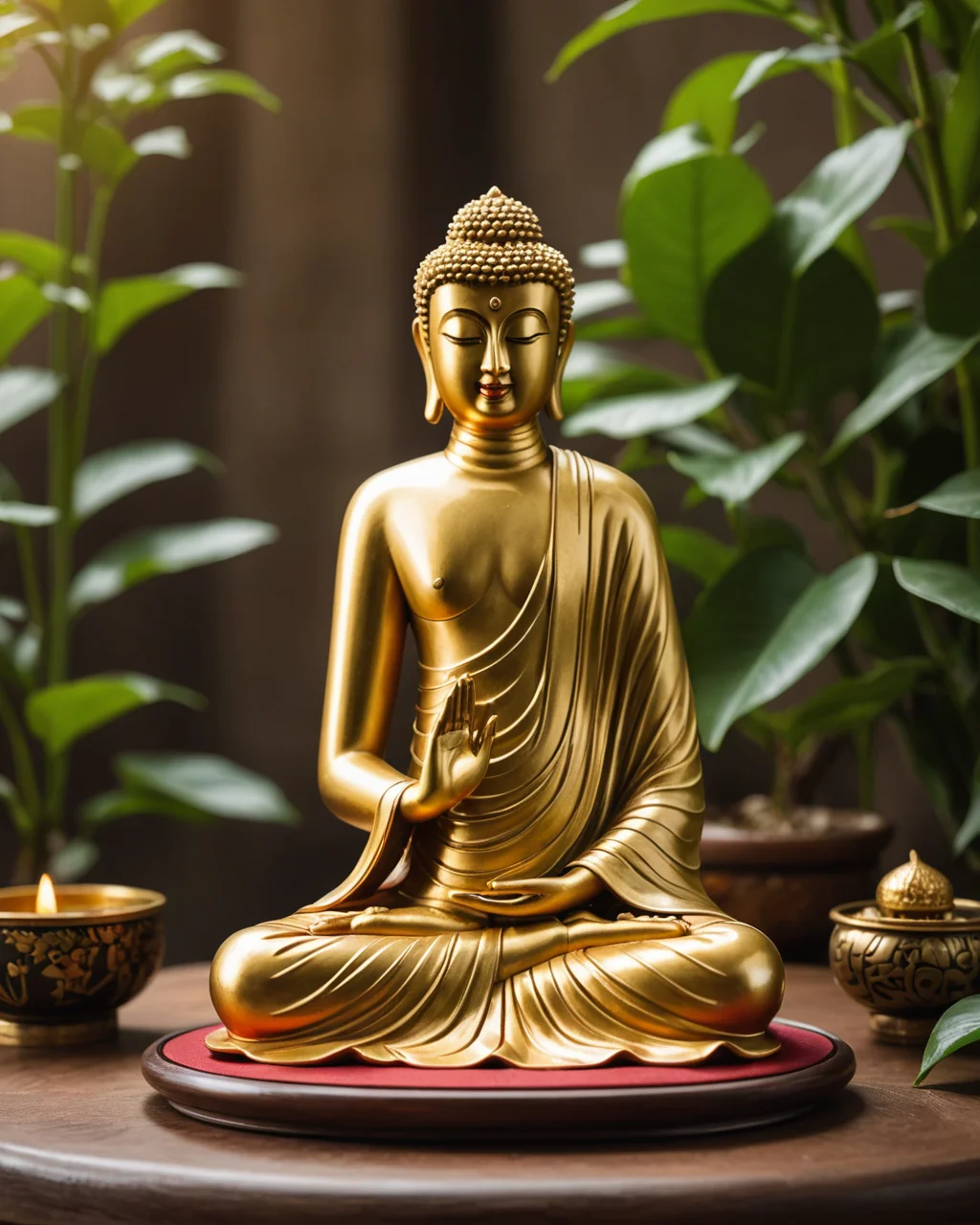
Every object in a temple has its own unique symbolism, which is often not obvious to an unprepared tourist. Statues, images, and other attributes are not only works of art but also expressive means of conveying values and traditions. For example, a statue of a deity can convey elements of strength, protection, and wisdom, serving as an object of veneration and resonating with the values of believers.
When it comes to buying souvenirs, it is important to be attentive and choose items that truly reflect Feng Shui principles. Various talismans can be not only beautiful but also functional. For example, turtle or dragon figurines may not just be fashionable accessories but also carry the meaning of protection and good fortune. But, of course, do not forget that each culture has its own unique symbols and meanings. When purchasing such souvenirs, try to avoid stereotypes and be mindful of the meaning of the objects you choose.
Thus, engaging with the symbolism of temple objects becomes another way to understand and interpret a country’s culture more deeply. It is worth studying their meaning and realizing how they can influence your life and well-being. Therefore, even when far from a temple, we can continue to interact with its energy through the souvenirs and art objects we choose.
Tourism and Preservation of Traditions
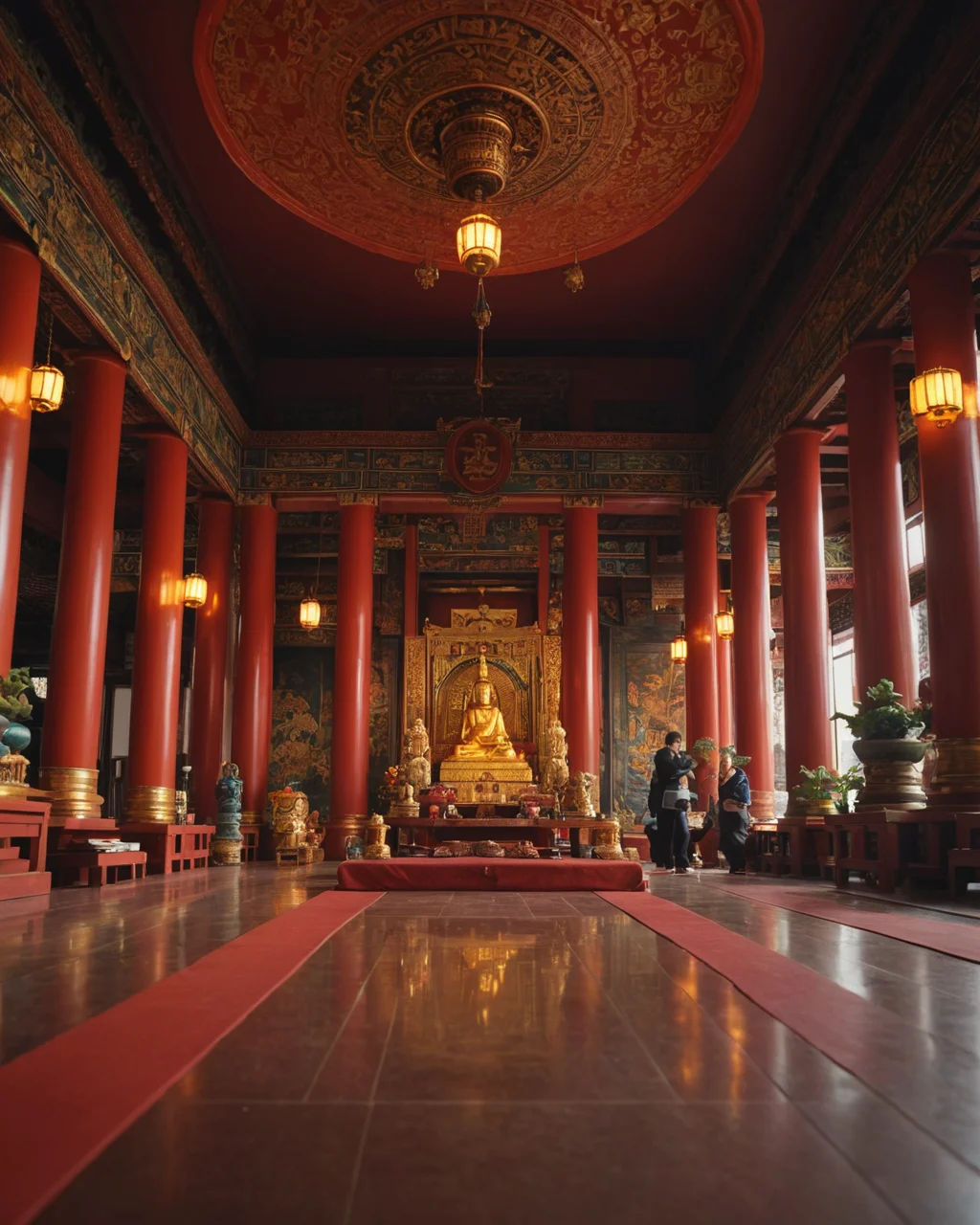
Tourism has a significant impact on traditional practices and rituals, which is important for both locals and travelers to consider. When tourists visit temples, they not only witness local traditions but also often act as “messengers,” bringing something new into the cultural context. But on the other hand, the tourist wave can shift accents and blur boundaries, which can lead to a loss of uniqueness and significance. The question arises: who is responsible for preserving cultural heritage? Locals undoubtedly play a key role in this process, preserving customs and traditions, but travelers must also be aware of their significance.
Every tourist, when visiting temples, must remember the cultural responsibility they bear. This means respecting traditions, customs, and rituals, as well as striving to learn and understand. Sometimes, a simple demeanor, knowledge of which gesture to make, can have a more profound impact than we can imagine. It is important to remember that we are not just observers; we are participants in cultural exchange.
Traveling to temples and participating in rituals becomes not only an opportunity for new knowledge but also a necessity to realize one’s role in the cultural context. By focusing on preserving traditions and showing respect for local cultures, we can influence the future of these sites and rituals, preventing them from being forgotten. This is a path not only to understanding another culture but also to deepening one’s inner world, finding beauty in the diversity of human experience.