Feng Shui and Its Fundamentals
Feng Shui is an ancient Chinese philosophy that is over three thousand years old. The main idea is that our environment influences our well-being and mood. Feng Shui translates as “wind and water,” which is essentially a metaphor for the flow of energy, or qi, in space. This philosophy teaches us to arrange objects in and around the home to ensure the harmonious distribution of this energy. Thus, Feng Shui aims to make life easier, increase luck, and create ideal living conditions. For example, Feng Shui states that rooms filled with light and air create a more favorable atmosphere for living than dark and cluttered ones. However, not everyone knows that Feng Shui is based not only on the geometry of space but also on a deep connection with nature. The ability to observe the surrounding world and use its elements in home design has become the foundation of this teaching. In this sense, Feng Shui can be considered a form of eco-design, only its laws are more dependent on Asian culture and views on nature. For example, when developing interiors, specialists recommend using smooth lines, natural materials, and avoiding unexpected or abrupt transitions between styles and colors. As a result, we get a space that is pleasant to be in, and also one that can support our inner harmony.
The Role of Animals in Feng Shui
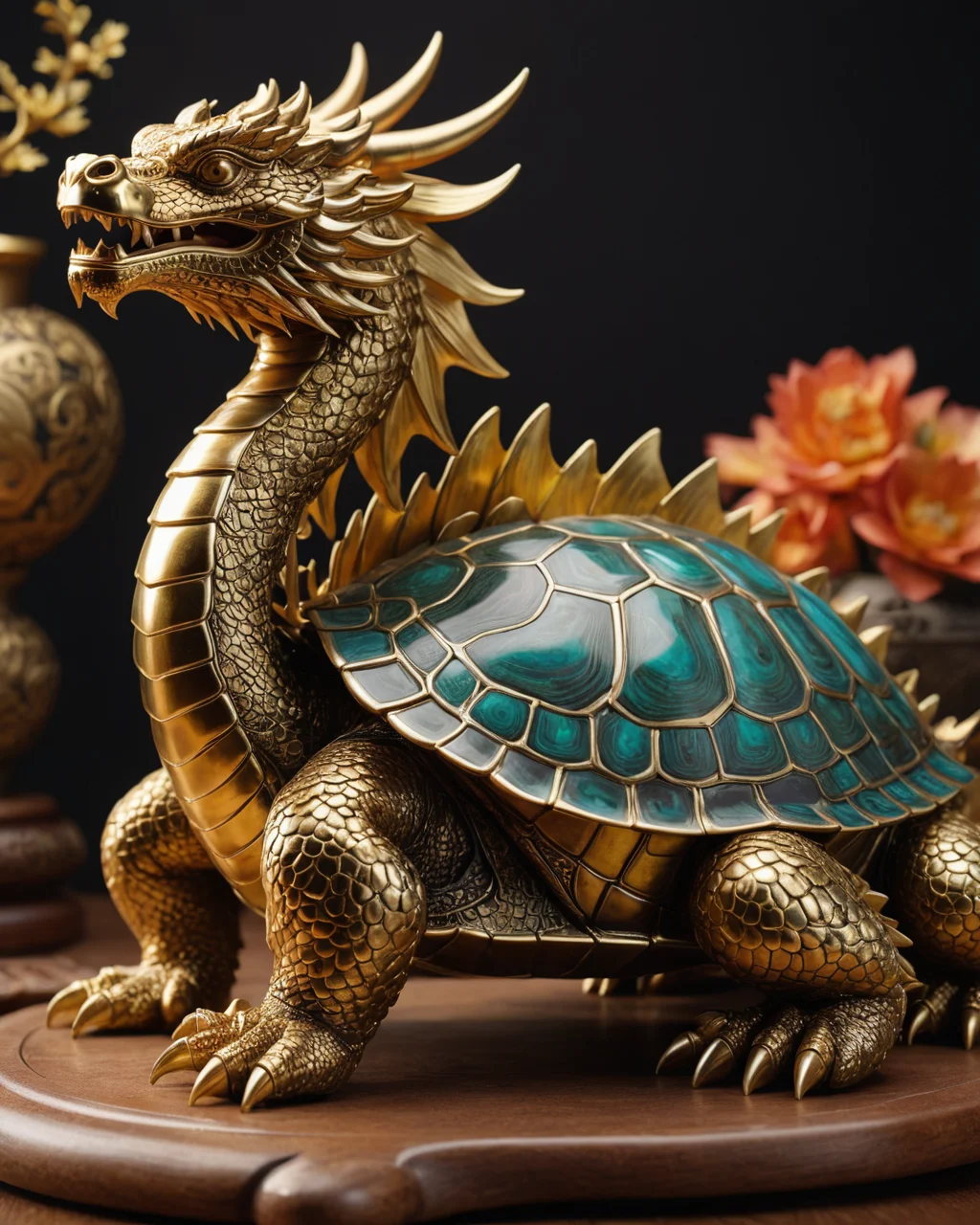
Animals play an important role in Feng Shui and are symbols that can significantly change the atmosphere of your home. Each animal embodies different qualities and characteristics that can either aid in creation or, conversely, hinder the achievement of harmony. For example, the dragon is considered a symbol of strength, wealth, and luck, while the turtle embodies longevity and stability. Depending on your goals, you can surround yourself with symbols that reflect what you strive to achieve, whether it’s a successful career or family harmony. Furthermore, the placement of animals in your home also matters. The location of a parrot, considered a symbol of communication, in a quiet zone may prevent it from fully realizing its talents, as it will be energetically limited.
Animals also influence the energy of a space. Their presence can either improve or worsen the overall state of affairs in the home. For example, a well-chosen pet can not only increase positive energy levels but also eliminate negative flows. Psychologists claim that interacting with animals reduces stress levels, helps improve mood, and generally brings positive emotions. It is important to remember that the suffering of your pets can also affect the overall energy of your space. Therefore, by caring for your pet, you are also caring for yourself.
Combining Feng Shui with Pets
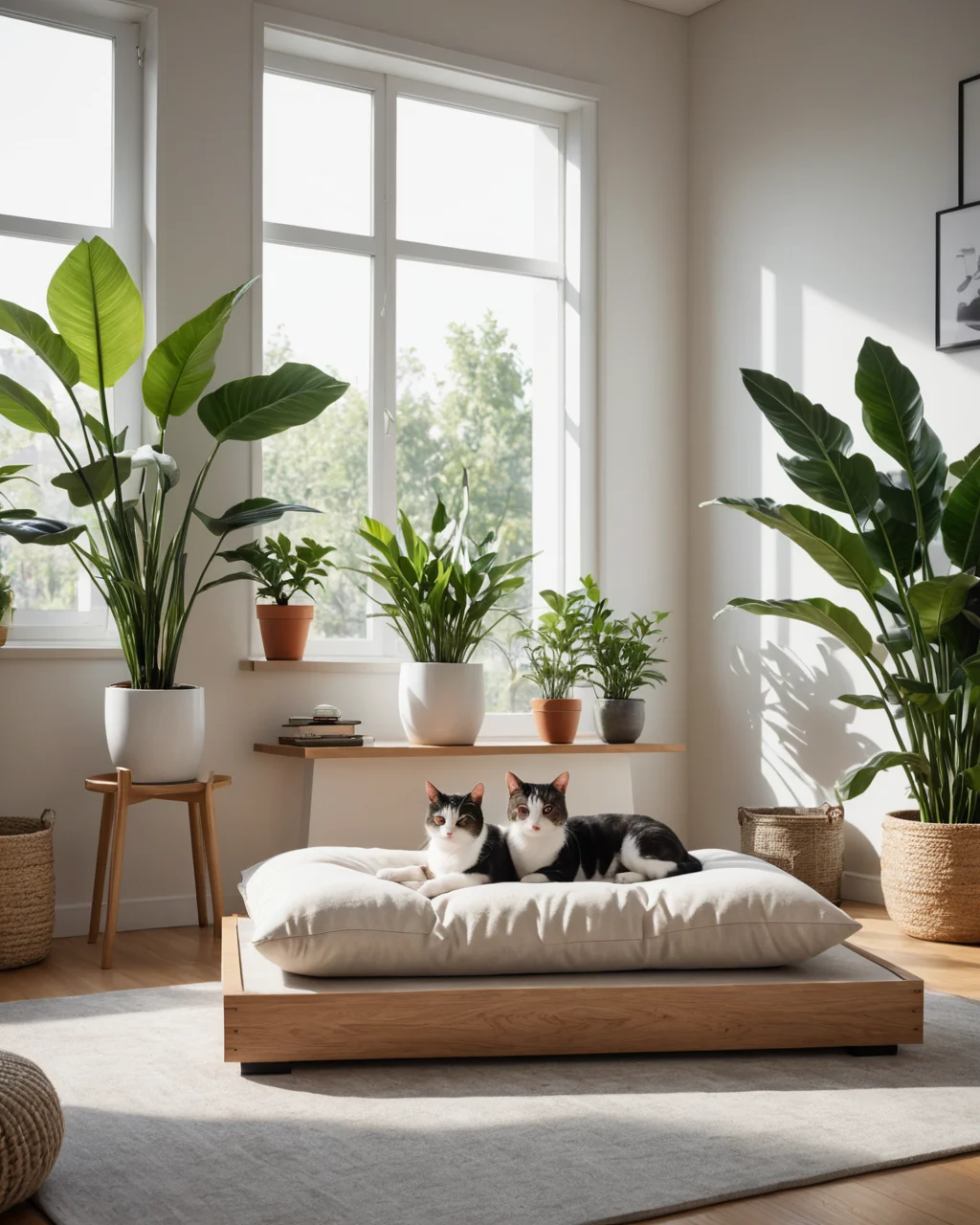
Properly arranging a pet’s space in the home is one of the key aspects of Feng Shui. This place should be not only comfortable but also energetically favorable. For example, place your pet’s feeder in the southeast part of the kitchen – this will bring wealth and luck. If your pet is a cat, it’s worth investing in stylish, comfortable houses that are located close to the sun, as cats love warmth and light.
The influence of pets on the home atmosphere should not be underestimated. They not only fill the space with life and activity but also contribute to improving energy flow. For example, if you have a dog, walk it often in fresh air – this will bring positive energy not only to it but also to you. Pets can become a kind of energy filter, eliminating negative messages and helping you find solutions in difficult situations. The more love and care you invest in your four-legged friend, the more positive energy returns to you, like a boomerang.
Animals and Feng Shui Elements
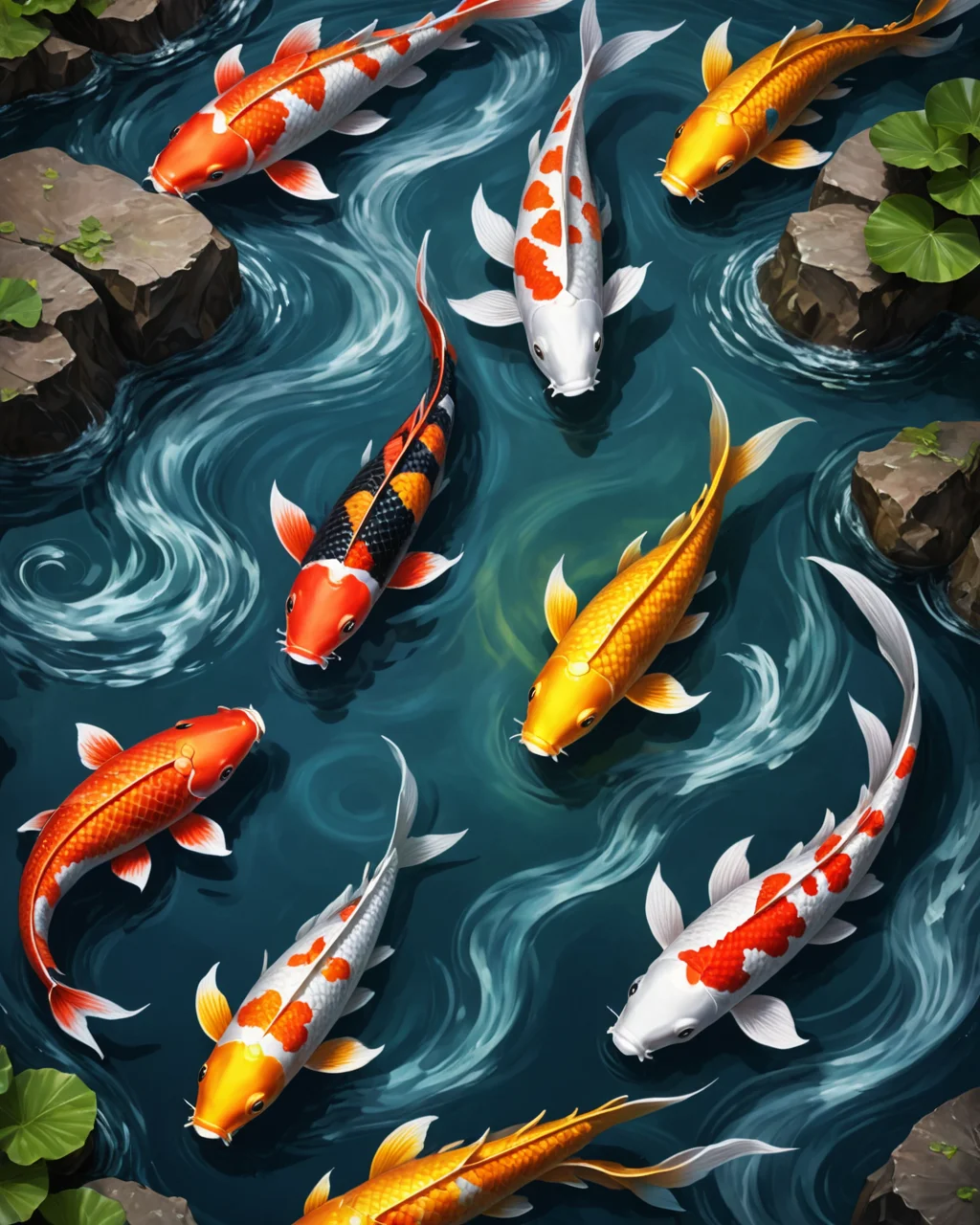
Each animal has its connection to the main elements in Feng Shui: Metal, Wood, Fire, Earth, and Water. For example, the tiger belongs to the Wood element, as it symbolizes strength and growth, while the fish is a symbol of Water, representing abundance and emotional dynamics. By aligning your pet choice with your personal element, you can enhance harmony in your home. For example, if you were born under the sign of Fire, animals associated with this element, such as birds, would suit you – they can complement your energy.
Recommendations for choosing a pet based on the element can also be helpful. If you want to attract more abundance into your home, consider getting a magnificent turtle, which symbolizes longevity and wealth. And for those seeking inspiration, a ostrich can be an ideal option – it embodies hope and hidden desires.
Creating a Harmonious Environment for Animals
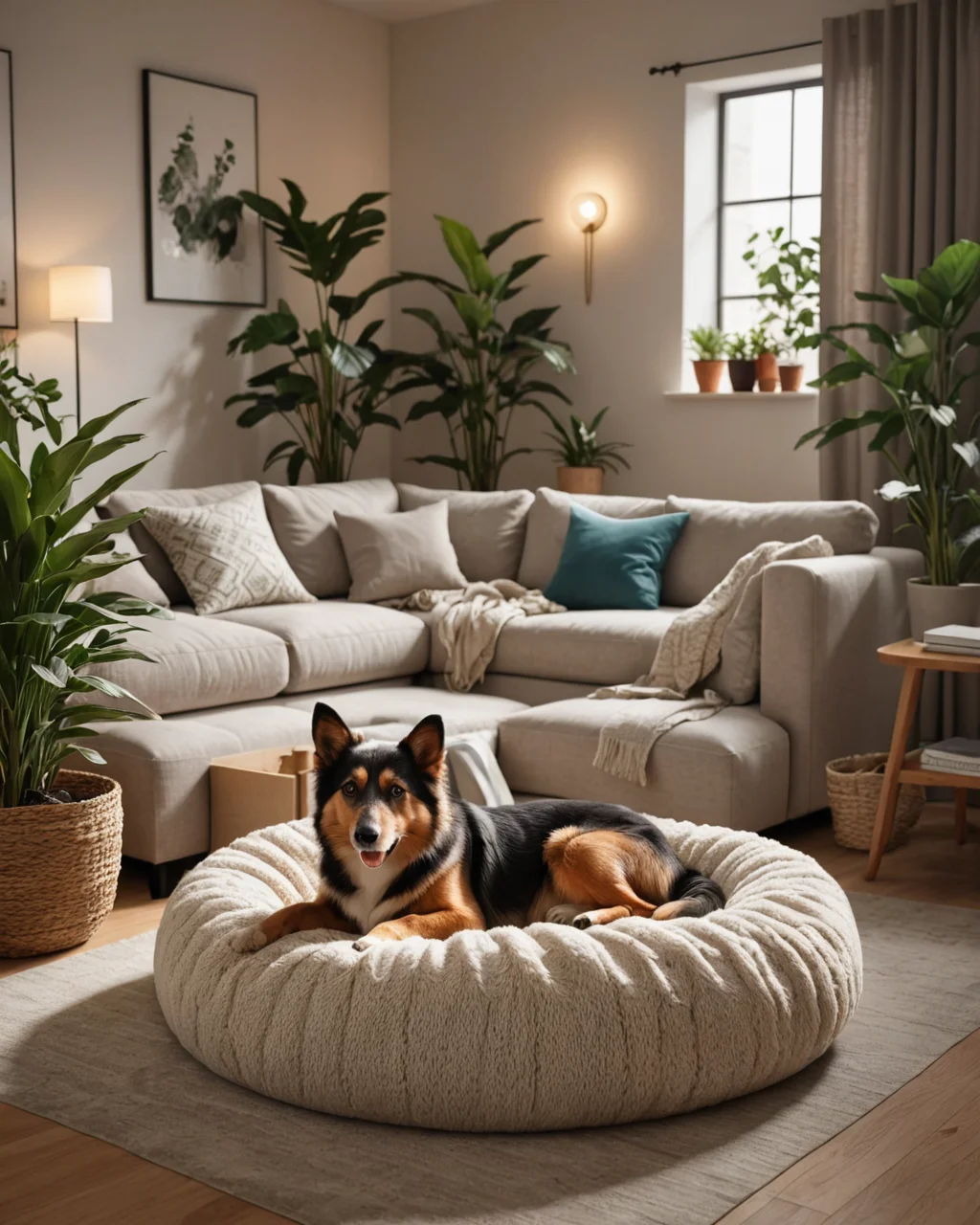
Setting up a space for a pet’s comfortable living is the foundation for creating harmony in the home. Don’t forget about their favorite spot: a cozy corner where they can rest. It is also important for the pet to feel safe. Positive energies come not only from care but also from your furry friend’s well-being. For example, set up a small “mixed” corner with gel-filled cushions and soft toys to create ideal sleeping conditions. Tips for improving energy exchange can be diverse: place the dog’s couch in the Yin and Yang reaction zone and ensure a balance between rest and activity, so the pet can get the maximum benefit for its condition. In addition, timely walks and outdoor games will give it energy and inspiration.
Animal Symbolism in Feng Shui
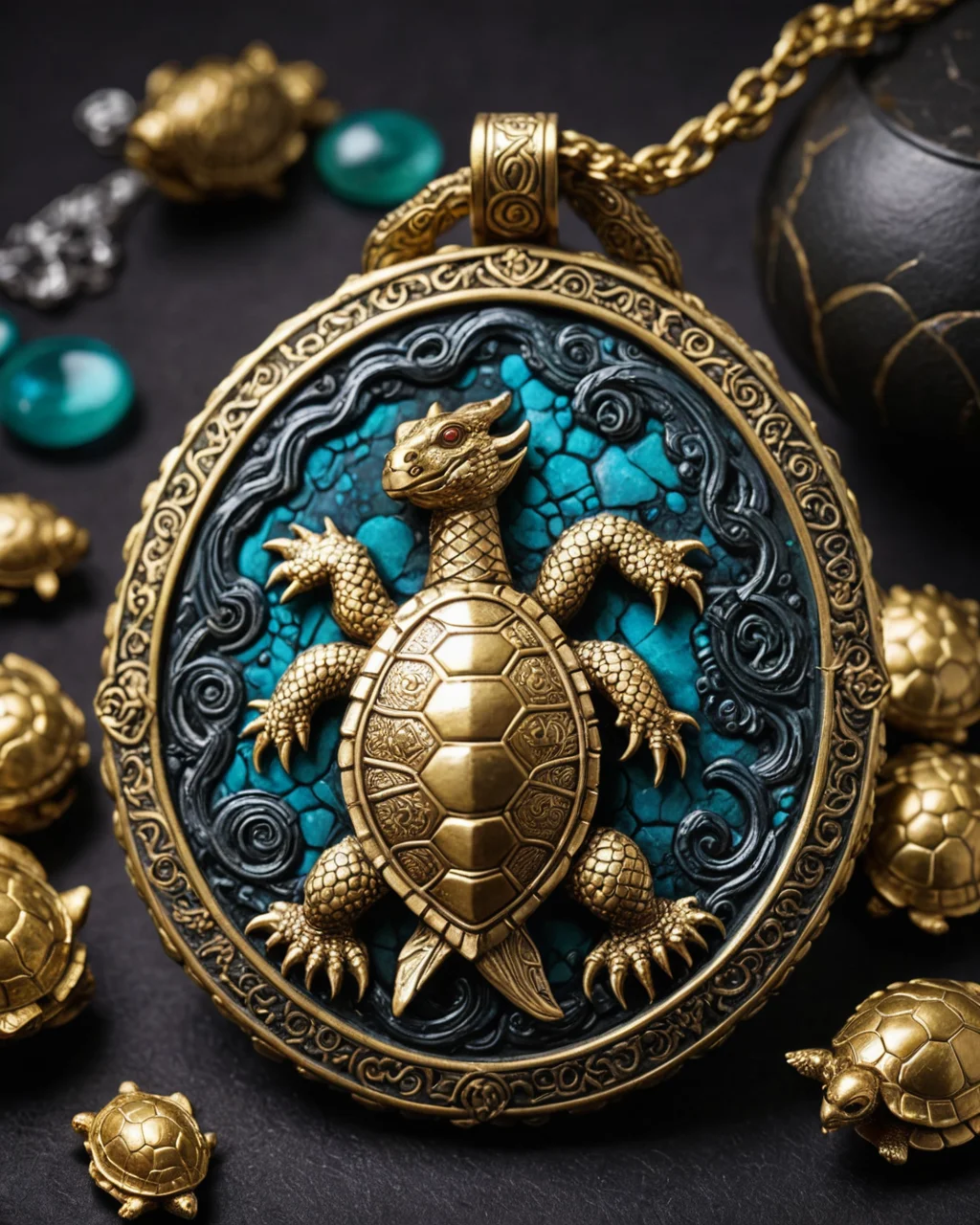
Different animals embody different qualities in Feng Shui. For example, a dog symbolizes loyalty and protection, and a cat symbolizes independence and intuition. Each can become not just a pet in your home, but also a powerful symbol that will help you in life. Knowing their meanings, you can correctly tune your space. For example, if you want to improve your personal life, place a dog figurine in the bedroom to attract an atmosphere of love and trust into your home.
Talismans and amulets with animal images can also become an important element in your interior. Images of a mouse can attract good luck into the home – such a reflective element can be an excellent addition to your workspace if you are striving for professional success. However, it is important not to overdo the display of symbols – sometimes it can work in reverse and lead to contradictions.
Practical Tips for Applying Feng Shui with Animals
A step-by-step guide to setting up your space with animals in mind begins with determining the location. Decide on the zones in the house that will be most beneficial to your pet. The placement of the kennel, feeder, and play area should be chosen with love, considering all the nuances of your space. Also, do not forget about cleanliness and order in these areas – this is important for increasing energy exchange in your home. Mistakes to avoid when interacting with animals are important not only in Feng Shui but also in everyday life. For example, you should not create excessive clutter in places where your pet is often present. This can lead to the accumulation of negative energy and negatively affect the psycho-emotional state of both animals and people. It is also worth remembering that isolating an animal from society is one of the biggest mistakes you can make. Your pet needs communication and self-realization, so provide it with the opportunity to interact not only with you but also with other household members.