Feng Shui Fundamentals: Philosophy and Principles
Feng Shui is an art and science with roots in ancient China. It has evolved over millennia, incorporating numerous traditions and philosophies aimed at creating an environment conducive to life. The origin of Feng Shui is linked to ancestors’ attempts to understand and harmonize not only space but also the energy flowing within it. The fundamental principles of Feng Shui involve helping people coexist harmoniously with their surroundings by utilizing the natural forces of nature. It is believed that the proper application of Feng Shui principles can significantly improve the quality of life, contributing to success and well-being.
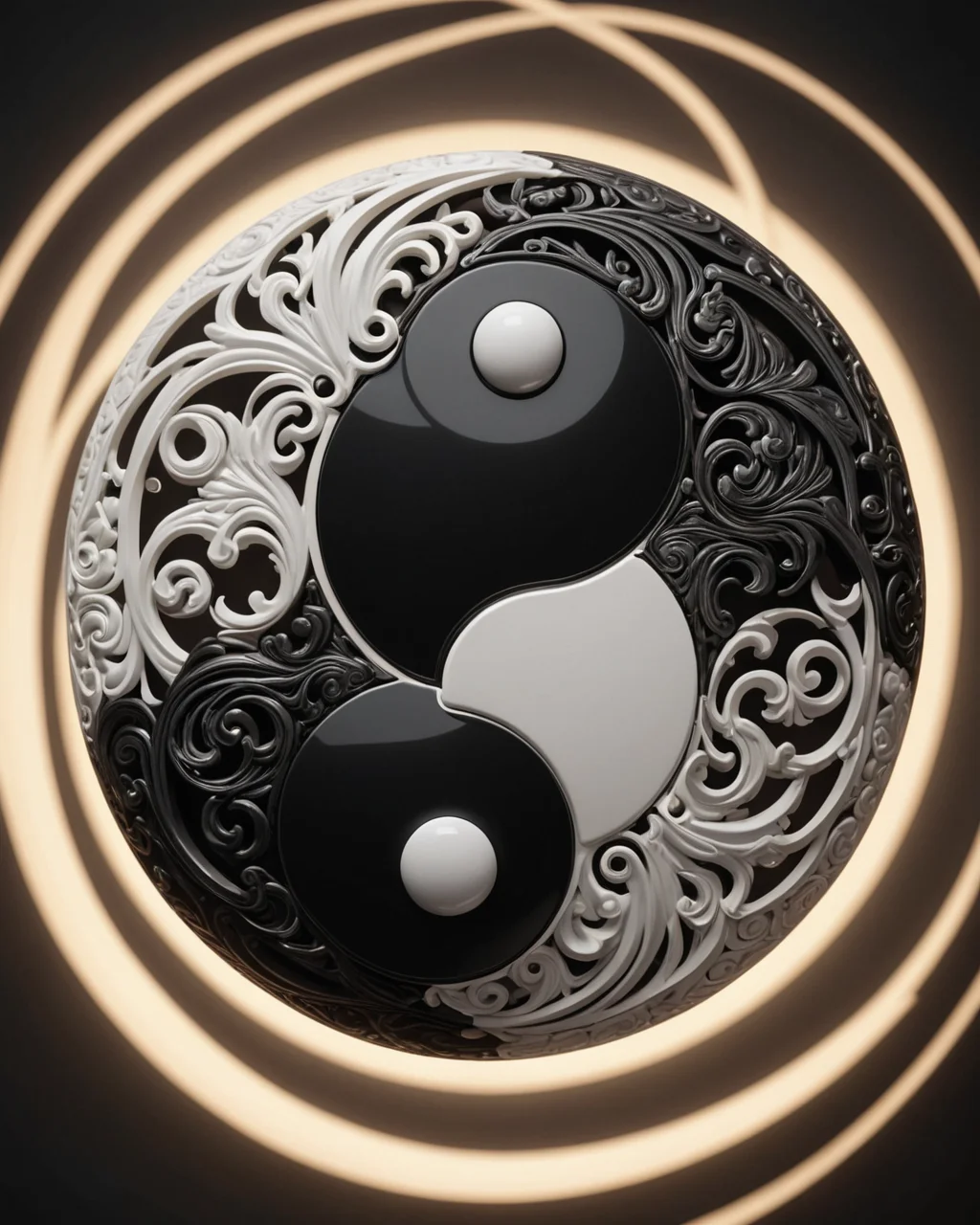
Key concepts in Feng Shui are Qi, Yin, and Yang. Qi is the vital energy that permeates all living things. It can manifest in various forms, both intellectual and material. Yin and Yang are two opposing forces, symbolizing light and darkness, active and passive. Their balance in space is the foundation for creating a favorable atmosphere. If one of these energies predominates, disharmony can arise, leading to problems in life.
There are five elements in Feng Shui, each playing its role in creating harmony. These elements – Wood, Fire, Earth, Metal, and Water – are interconnected and can either support or conflict with each other. By mastering their basic characteristics, one can effectively use them in interior design and in life as a whole, achieving the desired balance and harmony.
The Five Feng Shui Elements: A Brief Overview

Wood is the first element, symbolizing growth, development, and harmony. It is associated with spring and new beginnings, helping to attract success. In interior design, it’s good to use wood in the form of wooden furniture, green plants, or even color accents that embody its strength. For example, adding a few live plants to an office or home is an excellent idea for boosting energy levels and creativity.
Fire is the element of energy, passion, and intensity. It symbolizes summer and creativity, giving the space dynamism. To use fire to your advantage, you can incorporate bright colors like red or orange in your interior, as well as lighting elements. For instance, candles, a fireplace, or even lamps in warm tones can create an atmosphere of inspiration and activity.
Earth is the element of stability and support, requiring attention in the context of creating a comfortable space. It is associated with late autumn and the number 5. Using natural materials like stone and clay in interior design will help create a stable and warm atmosphere. For example, ceramic dishes or stone decorative elements can range from simple to bright and stylish, adding sophistication to the environment. Soft and neutral colors will also contribute to stability.
Metal is a symbol of structure, clarity, and order. It is linked to autumn and emphasizes the importance of organization and efficiency. Metal elements, such as steel structures or mirrors, can also be used to reflect light and create a sense of space. For example, in an office, using glass and metal details in the design can help create an atmosphere of rigor and professionalism. Water is the last element, associated with wisdom, fluidity, and flexibility. It symbolizes winter and can be represented in interior design through fountains, aquariums, or water motifs in decor. Blue and black colors effectively express the influence of this element, promoting a calming atmosphere and deep contemplation. For instance, there’s nothing better than a cozy contemplation corner by a pool or fountain for relaxation.
Combining Elements: The Keys to Success
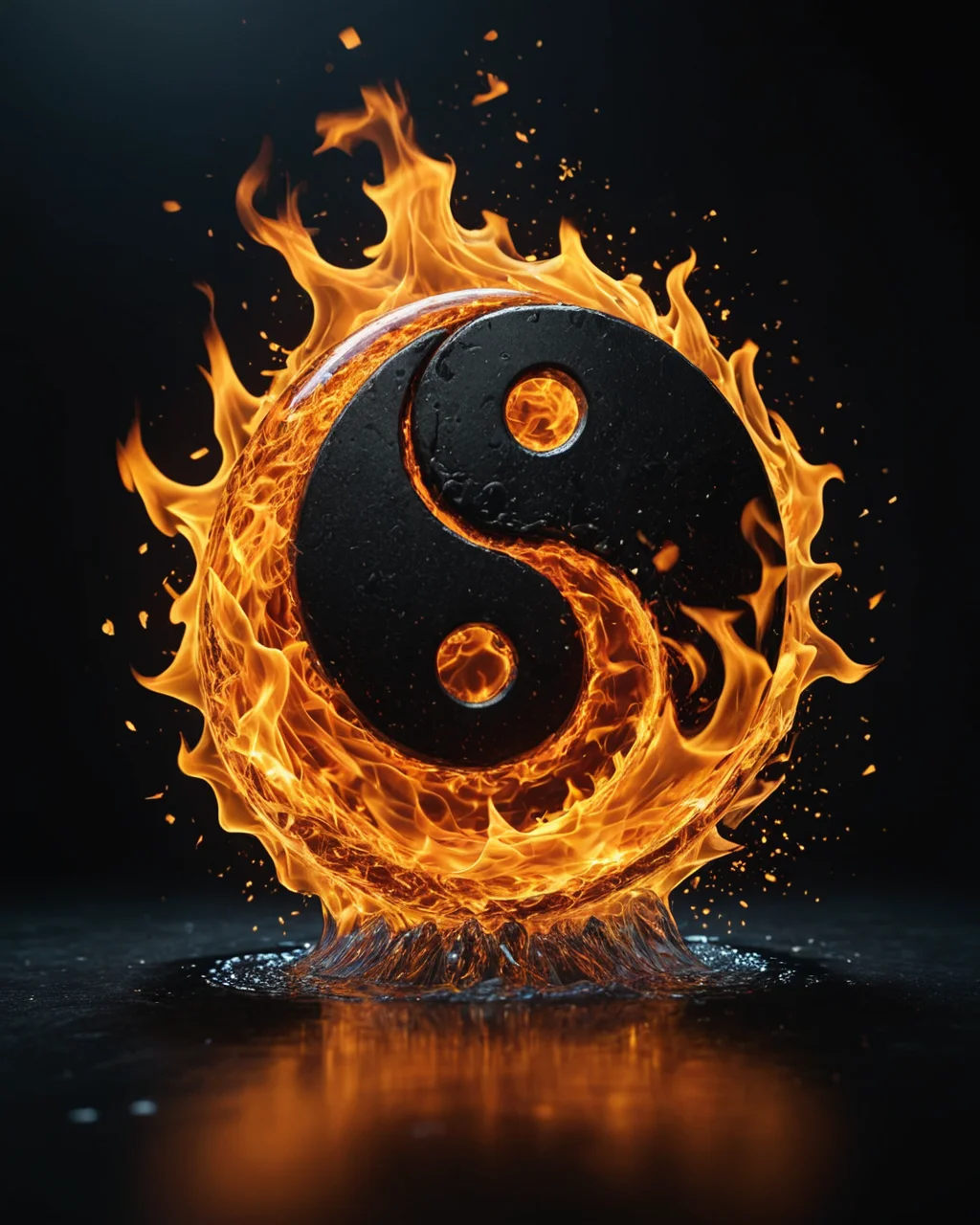
Each of the Feng Shui elements listed above interacts with others, creating both harmonious and disharmonious combinations. For example, wood nourishes fire, but can also destroy it if there’s too much. The ability to observe such interactions and use them in your life is an important art worth learning.
The secrets to harmonious combinations lie in understanding how each element can support or suppress the others. For instance, water nourishes wood, but too much water can cause flooding and destruction. To balance your surroundings, you can create combinations that enhance positive effects, such as combining wood and water in interior design to support growth and dynamism.
Mistakes in combining elements can lead to disharmony and undesirable consequences. For example, if you have a lot of metal structure and water is in the farthest corner of the room, it can lead to the repulsion of Qi energy. Therefore, it’s important to pay attention not only to the element itself but also to its interaction with others. Since wisdom takes time, it’s important to remember that combinations should be thoughtful and balanced.
Auspicious Combinations for Home and Office
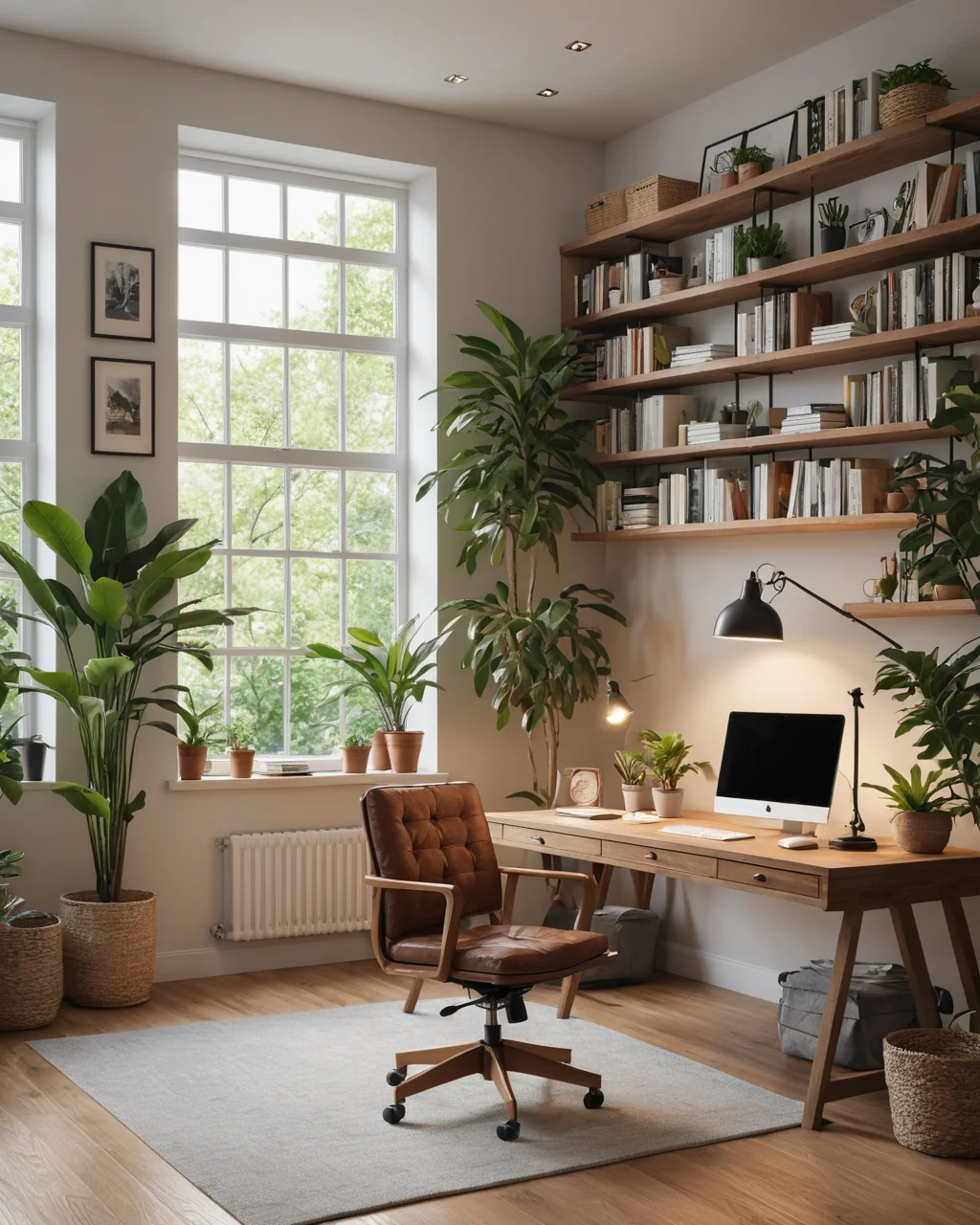
Creating a cozy atmosphere at home begins with understanding which elements to combine to achieve the desired effect. For example, the ideal combination of wood and earth will create a comfortable space with maximum warmth and coziness. Soft, natural colors in the interior, complemented by green plants and wooden elements, will help create a harmonious atmosphere. You don’t have to strive for a perfect style – the important thing is that the space is comfortable.
People working in offices can greatly benefit from applying Feng Shui to enhance productivity. Combining metal and fire in the workspace can significantly boost energy levels and creativity. For instance, high-quality metal office equipment and bright lighting inspire creativity and business activity. Each employee should pay attention to their personal space, ensuring it is not only functional but also aesthetically pleasing.
Ultimately, each of us dreams of creating the perfect space to relax after a hard day’s work. Use the elements of earth and water to create a relaxing atmosphere. For example, adding stone elements, as well as soft textures and water accents, are useful techniques for both the bedroom and the bathroom. Muted, neutral colors and textures, perhaps using bamboo and stone, will help create a complete space for rejuvenation. It’s also important to be able to easily transition from work to rest, keeping your space in harmony.
Colors and Their Influence on Elements
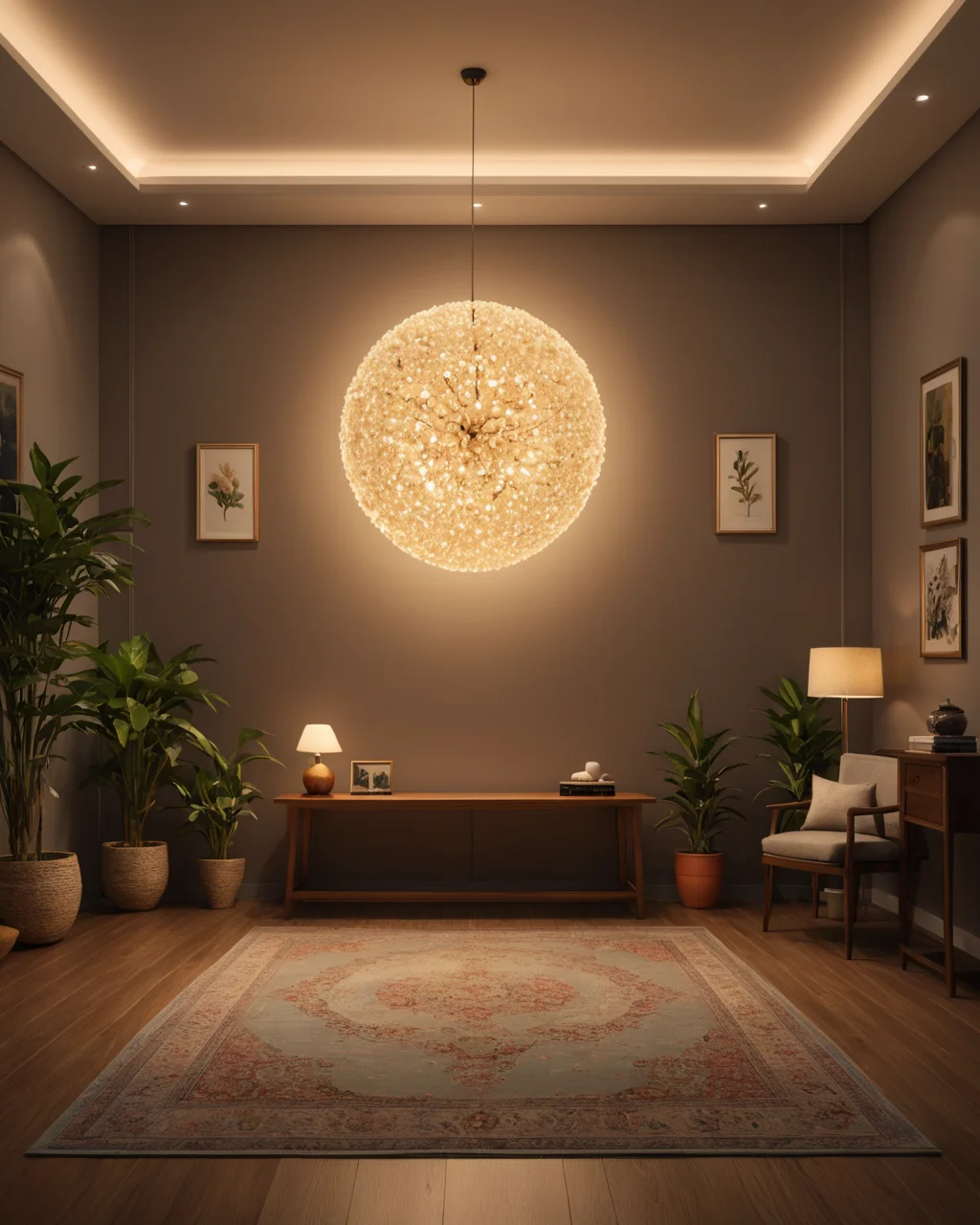
It’s incredible how a color palette can influence the energy field around us. Each of the five elements has its own color associations, which can enhance (or, conversely, weaken) its energetic impact. For example, combinations of green and brown highlight the characteristics of wood, while red and orange hues help activate the energy of fire and passion.
How to choose colors based on elements? The main rule is their harmony and balance. For instance, light tones like white or light blue can bring freshness and purity to a space, which will positively affect the air and water elements. However, it’s important to remember the clarity of intentions: if you want to enhance one element, you should choose appropriate color accents to balance the overall space.
Examples of auspicious color combinations include using light wood and green accents to create a cheerful and natural feel. For a more dynamic and active atmosphere, you can use bright fire colors combined with soft earth tones, creating harmony between energy and stability. When working with colors, add your own accents and individuality, choosing combinations that reflect your inner state and contribute to achieving the desired harmony.
Feng Shui in Different Cultures: A Comparative Approach
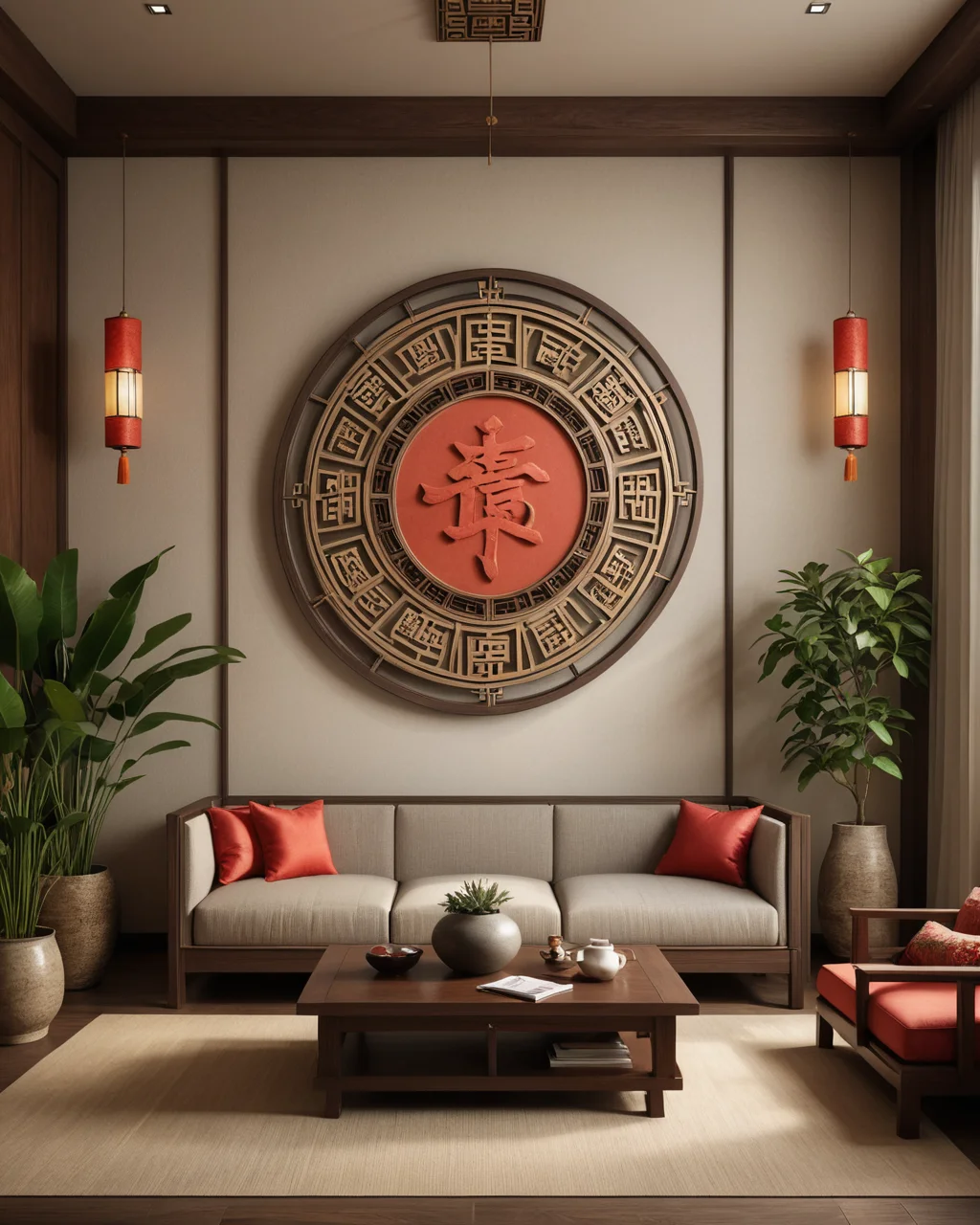
Feng Shui is not just a Chinese art but also a universal practice. For example, in China, Feng Shui has deep cultural roots based on millennia-old philosophy, where geometry and space orientation are observed. Traditions and rituals are respected here, making the approach more rigorous and structured. For instance, when choosing a location for a house or office, it’s important to consider its position relative to surrounding objects like rivers and mountains.
Western interpretations of Feng Shui, on the other hand, are often more flexible and accessible. They view Feng Shui principles as philosophical ideas that can be adapted to modern trends and needs. The emphasis here is more on feelings and emotional perception of space, which opens up new horizons for working with decor and interior design.
Mixing styles enriches the practice, allowing for the combination of Asian methods with Western concepts of modern design. For example, using light shades and a minimalist style with structured forms can create an impressive harmony between cultural heritage and modernity. This opens up new possibilities for interiors, creating innovative and attractive spaces that reflect the individuality of their owners.
Practical Tips for Implementing Feng Shui in Everyday Life
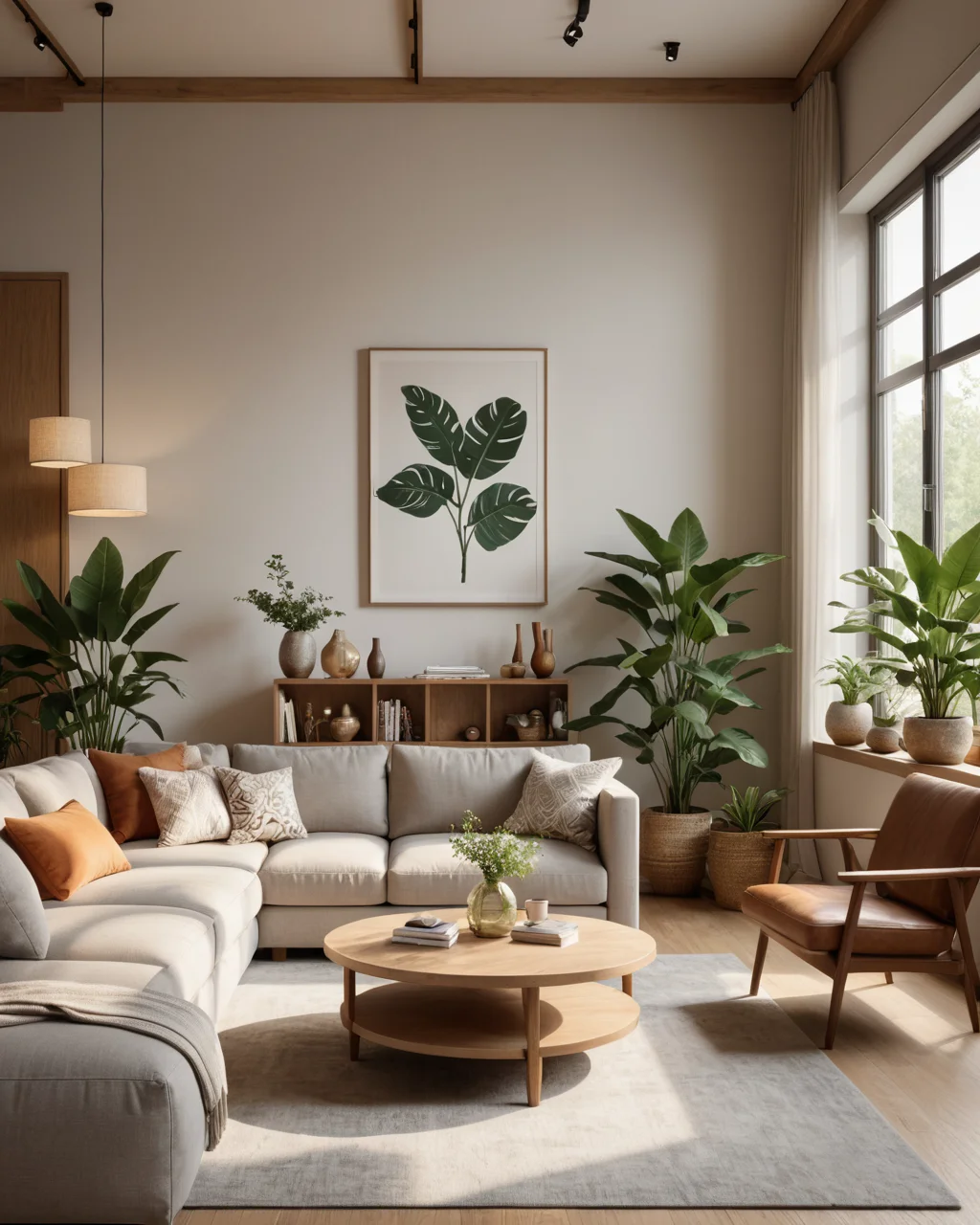
You can start practicing Feng Shui in your daily life with simple steps. First and foremost, pay attention to your space – clean and organize it so that energy can circulate freely. For example, clear your work surfaces of unnecessary trinkets and items that block the flow of Qi. Decorate your space to support positive energy and create coziness.
The next step is to track the changes in your space’s energy. Assess how new elements and combinations affect your mood and overall well-being. If you notice that certain altered areas bring back a good feeling, try to reinforce that effect. Applying Feng Shui principles can greatly change your environment!
Recommendations for maintaining harmony and balance include the conscious application of elements and combinations in your life. Be attentive to the changes happening in the world around you and experiment with decor. It’s important to find your place and style that will bring you happiness and comfort. Understanding the basics of Feng Shui will help you achieve harmony, and the world around you will contribute to your well-being.