The Kitchen as the Heart of the Home
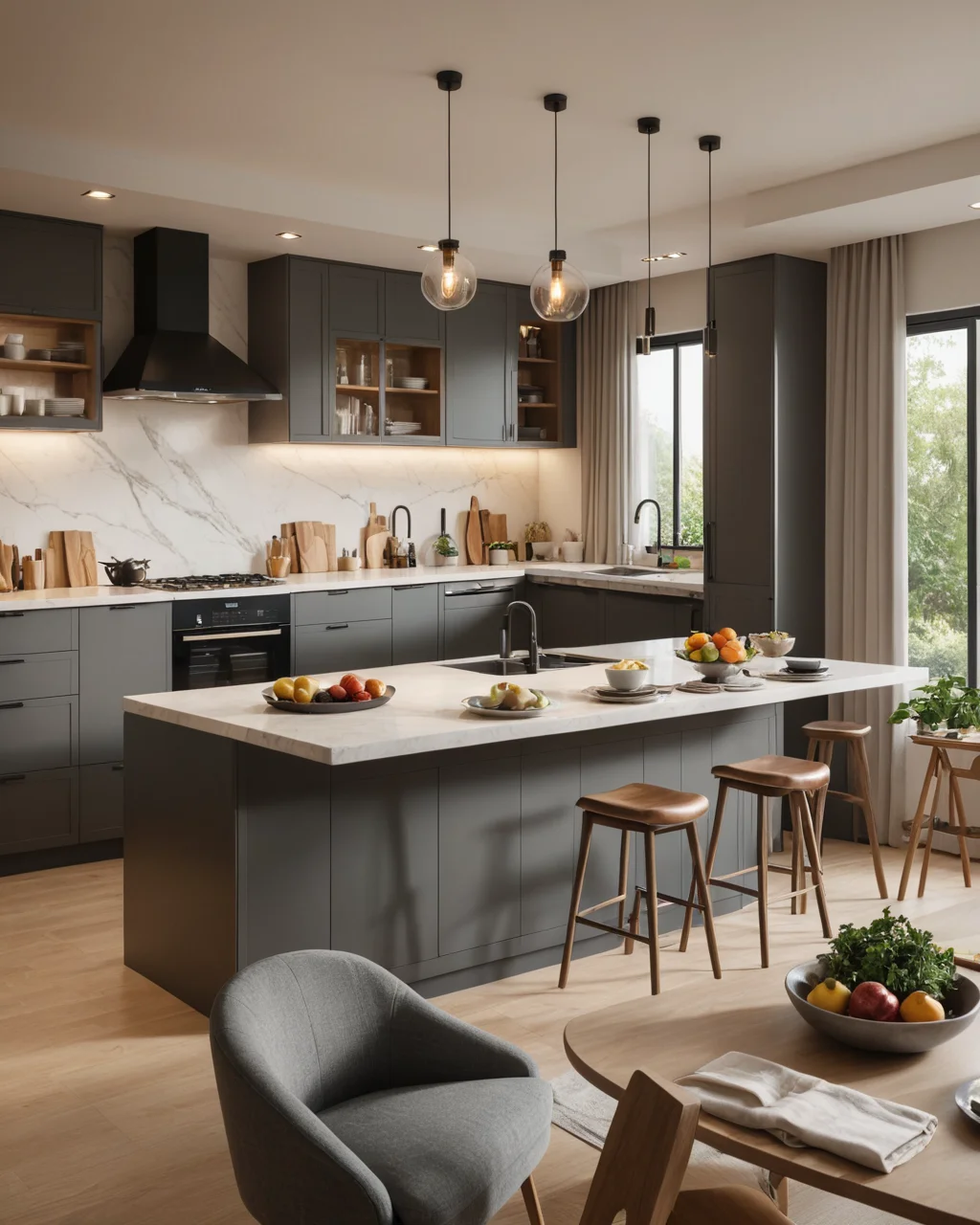
The kitchen is not just a place where we prepare food. It is the true heart of the home, a central point where the whole family gathers. In feng shui, the kitchen symbolizes the energy of qi, which is connected to our relationships and emotional state. If comfort and mutual understanding prevail in the kitchen during family dinners, the atmosphere in the home becomes more harmonious, and relationships become stronger. A kitchen filled with joy can become a place where new ideas arise and difficult issues are resolved. The symbolism of the kitchen varies across different cultures, and this is truly interesting. In China, the kitchen is considered the main source of material well-being. For this reason, many attach great importance to its design and cleanliness. For Slavs, the kitchen has for centuries been considered a place where family traditions and stories were kept. And in Japanese culture, the principle of “wabi-sabi” is used, which emphasizes natural beauty and simplicity. Each culture gives its kitchen a unique symbolism, and a fruitful blend of these aspects can be beneficial. Finally, the kitchen directly affects health and well-being. Here we not only cook but also store food, which provides us with essential nutrients. The more attention we pay to cleanliness and order in the kitchen, the greater the chances that the food will be healthy and nutritious. Fresh products, properly stored, not only positively affect overall health but also serve as a source of good well-being.
Basic Feng Shui Principles for the Kitchen
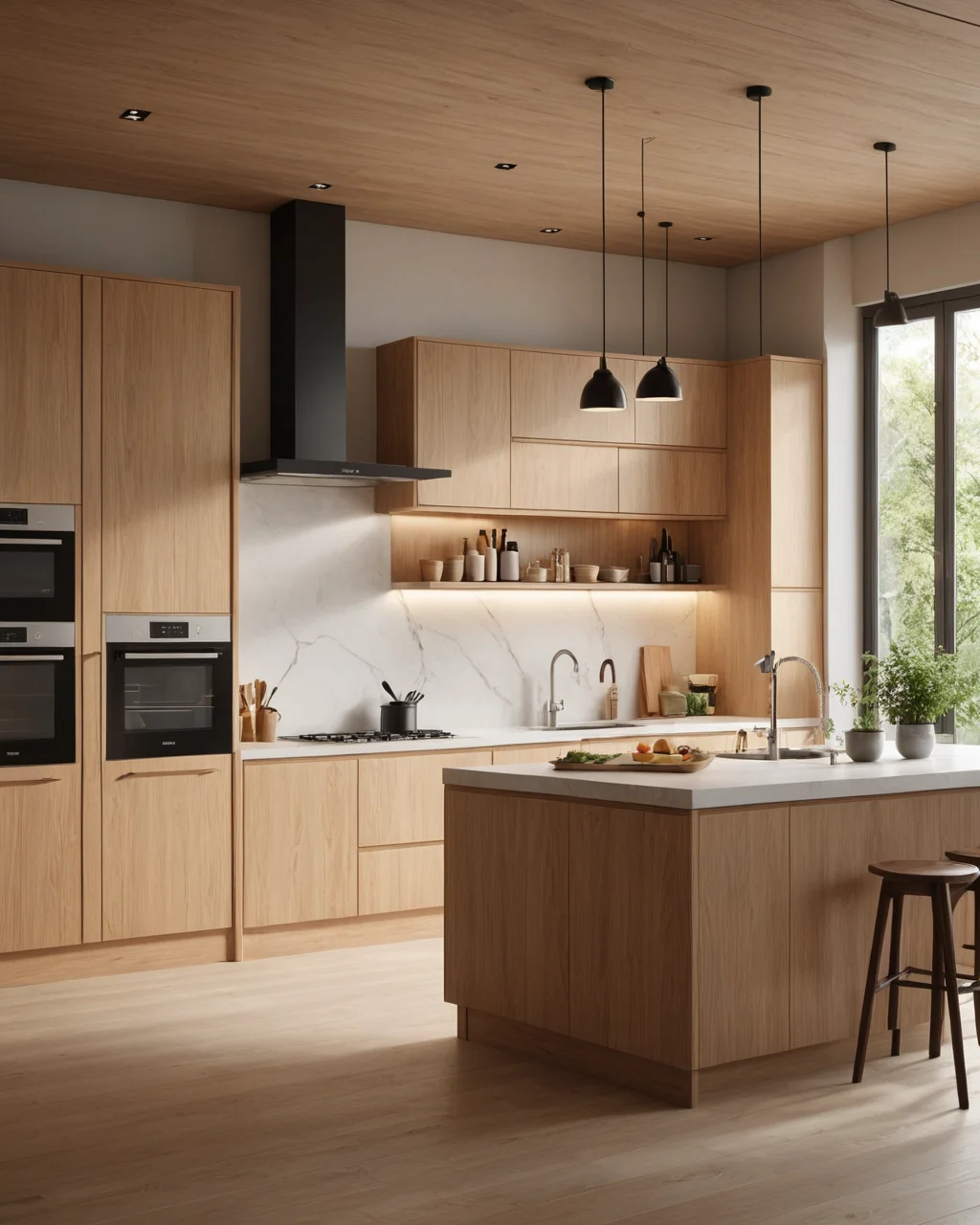
Applying feng shui to the organization of kitchen space requires attention to detail. For example, the location of the kitchen and its elements is important. Care should be taken to ensure that the stove, sink, and refrigerator are not located close to each other, as this can lead to conflicts between the elements of fire and water. Feng shui principles involve creating balance, and this rule cannot be ignored, otherwise the kitchen can become a source of tension. Rules of color and materials also play a key role in creating harmony in the kitchen. Colors such as green and yellow contribute to improving mood and create an atmosphere of coziness. It is important to determine which colors are favorable for you based on your personal preferences. In addition, choosing natural materials such as wood or stone helps to create a connection with nature and breathe life into your kitchen space. No less important aspects are lighting and ventilation. Bright light and fresh air can change the atmosphere of the kitchen. Open windows will help improve the circulation of qi energy, so it is recommended not to close window openings. It is recommended to use natural lighting to make the kitchen look lively and welcoming.
Cleaning and Organizing Space
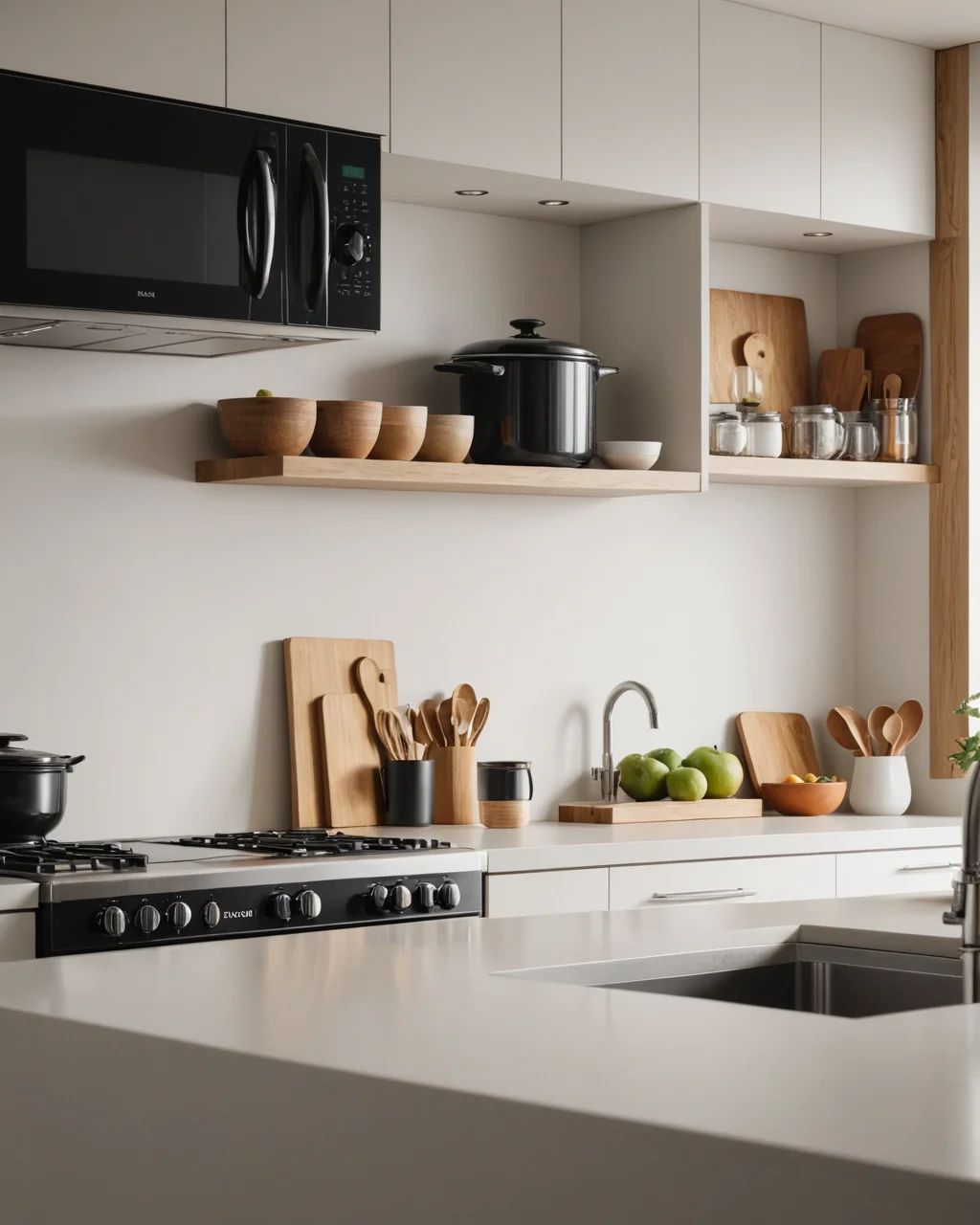
Cleaning the kitchen is not only a necessary process for maintaining cleanliness but also an important element of cleansing energy. To feel comfortable in the kitchen, it is necessary to remove unnecessary items that clutter the space. Do not leave unnecessary objects, especially those associated with negative memories. For example, old dishes that are no longer used can interrupt the positive energy flow. There are many methods of physical and energetic cleansing. Simply by removing trash and washing surfaces, you are already taking a big step towards improving energy. Adding certain rituals, such as burning sage or using incense, can further cleanse the space of accumulated negative energy. Storage of products is also important for the energy flow in the kitchen. Make sure that products are not stored for too long and do not spoil. If you have packaging with expired products, seriously consider parting with it. Products should be stored in convenient containers to minimize chaos during cooking.
Secrets of Successful Design
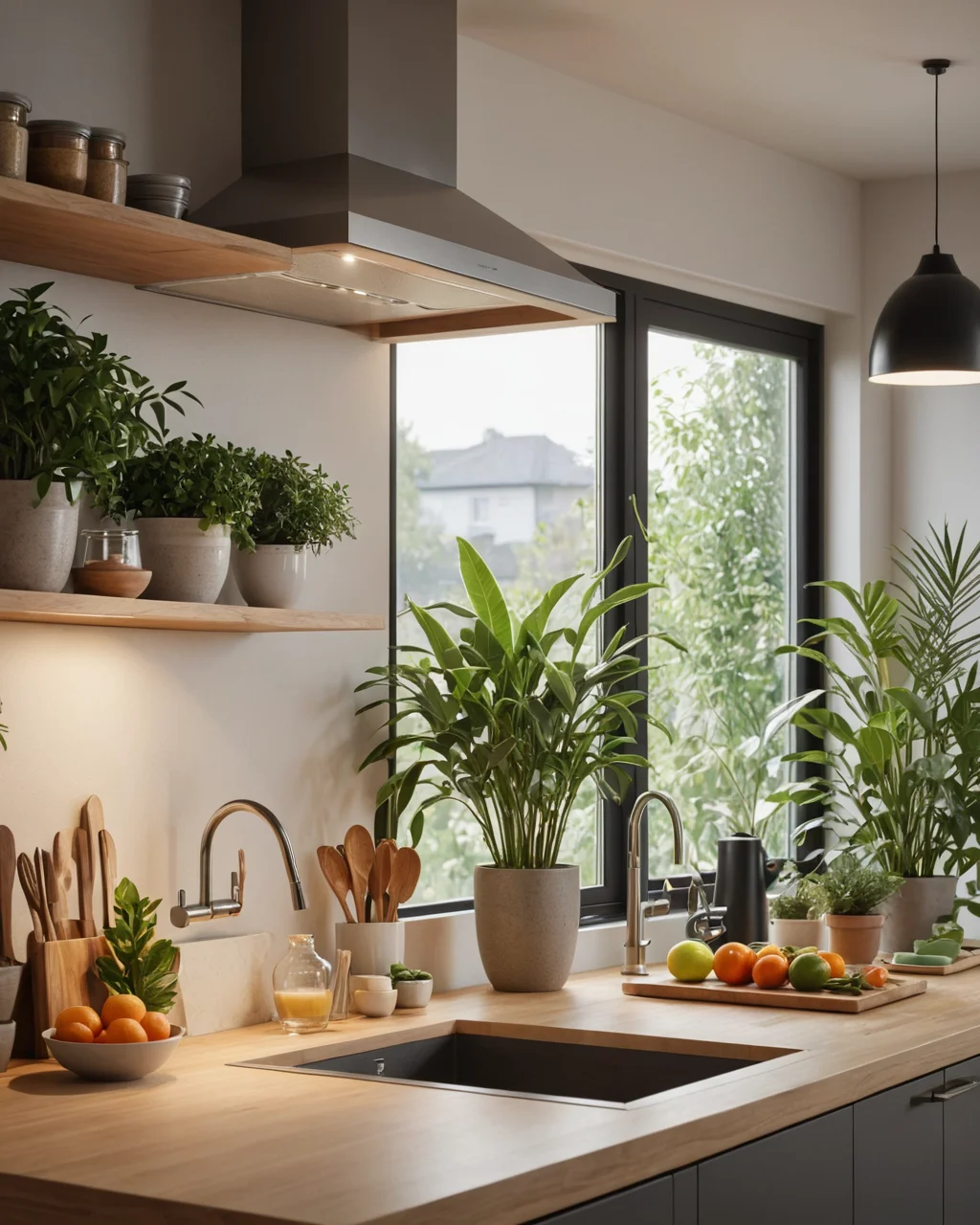
How to choose the right accessories for the kitchen? It’s not as difficult as it seems at first glance. The main thing is to remember that they should resonate with your individuality. Choose elements that will bring you joy and inspire you. These can be interesting trivets, striking wallpaper, or bright kitchen towels that will add a touch of fun to everyday routine tasks. <Using plants> is a particularly powerful tool for improving energy. Not only beautiful but also useful! Green inhabitants of the kitchen purify the air and bring an element of nature into your workspace. For example, basil or mint are not only useful but also add a special aroma that does not conflict with food. In addition, natural materials such as wood and stone will give the kitchen a stylish and natural look. In kitchen design, it is very important to pay attention to symbols of luck and prosperity. You can place a figurine symbolizing wealth or success, or at least a pleasant and beautiful picture. Many Slavic families like images with bread and salt, which is also a symbol of abundance and hospitality.
Energetic Work with the Kitchen
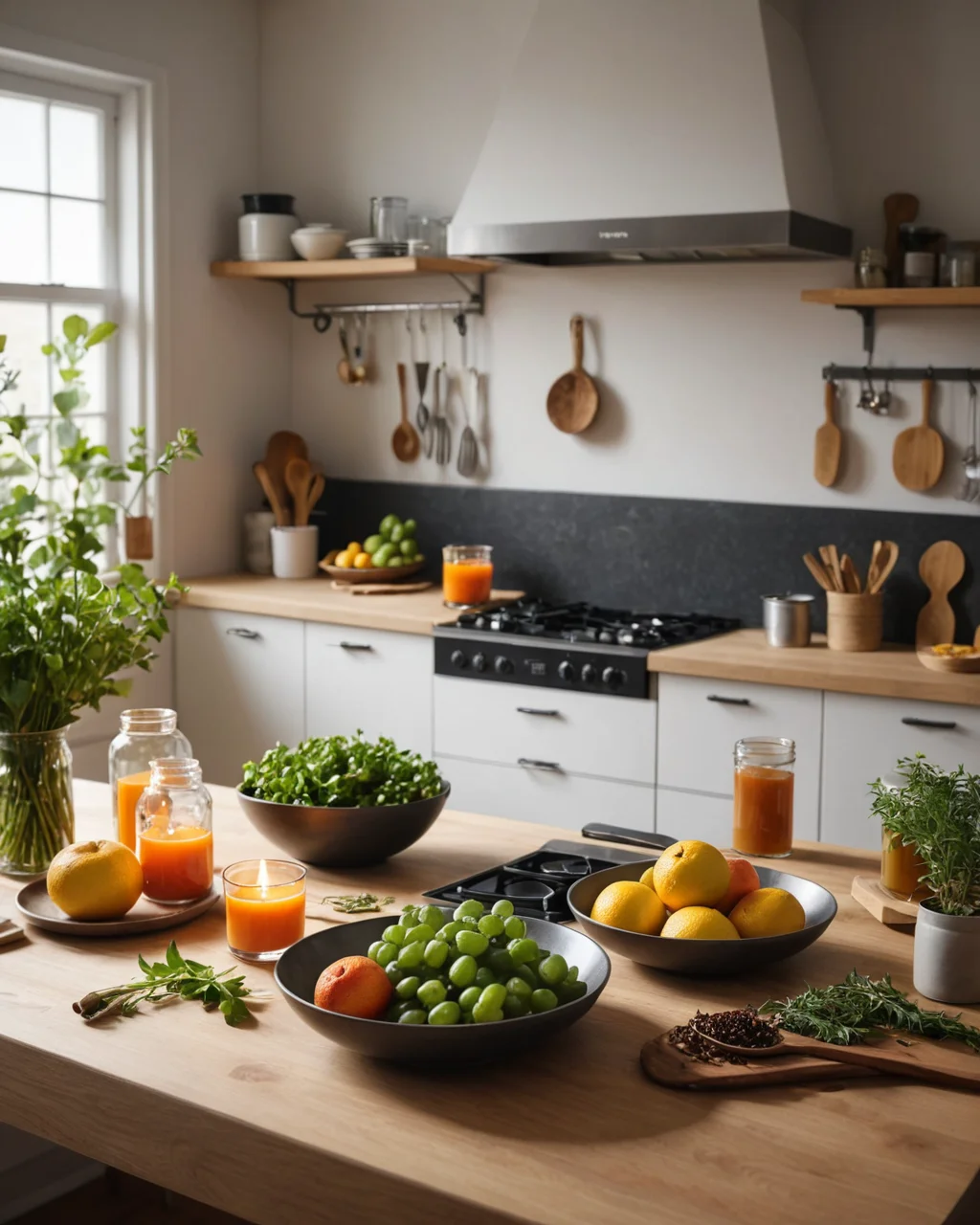
Energetic work with the kitchen can be an interesting and even engaging activity. Rituals for cleansing and filling the kitchen with positive energy are an excellent way to make your space more vibrant. For example, you can light candles in each corner, uttering positive intentions. Using aromas and sounds can further create an atmosphere of well-being. Listening to soft music or pleasant nature sounds while you cook fills the kitchen with aesthetic pleasure. In addition, you can add aroma lamps with oils such as lavender or citrus, which awaken positive emotions and reduce stress. Preparing the kitchen for important events and meetings also has its nuances. For example, if guests are coming, make sure the space is clean and cozy, set the table with beautiful tableware, and arrange fruits or desserts with intention. These little things create a special festive atmosphere.
Mistakes to Avoid
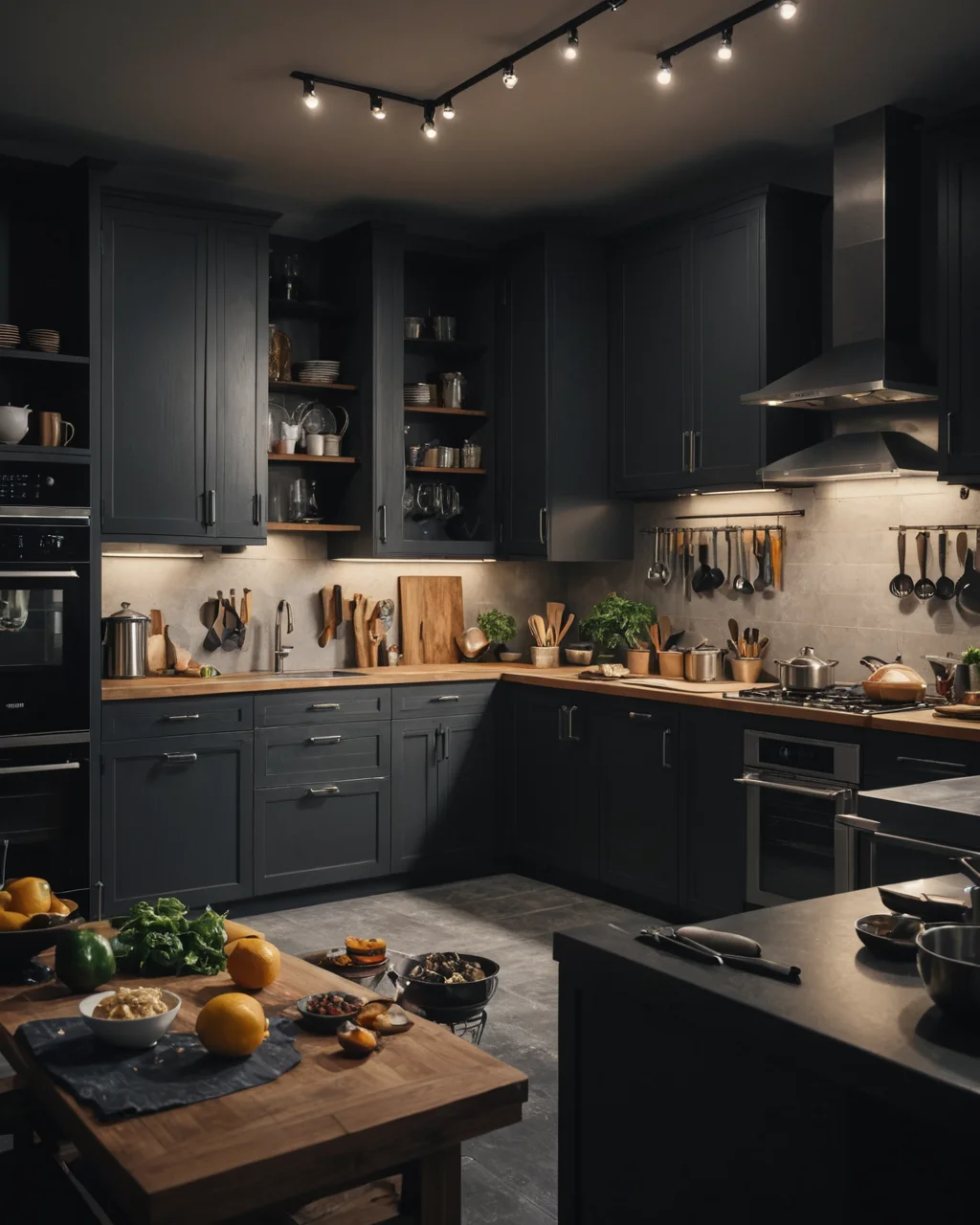
It is crucial to avoid common mistakes in kitchen design and organization. For example, overloaded shelves or cluttered kitchen tables not only worsen the visual perception but also significantly limit the positive flow of energy. Avoid excessive decoration; in excess, it can only disrupt peace. It is also important to consider that negative elements can cause a drop in energy balance. Constant unpleasant odors, dirty surfaces, or damaged appliances – such aspects can negatively affect the kitchen atmosphere. It is recommended to eliminate such problems immediately to avoid the accumulation of negative emotions. Eliminating unfavorable factors also plays an important role. For example, if you have an old mother-in-law who constantly scolds in the kitchen, perhaps you should consider giving her new emotional tones with positive phrases or simply rethinking her role in the kitchen. At the very least, it will be useful to add more pinches of humor to your life.
The Kitchen and Family Traditions
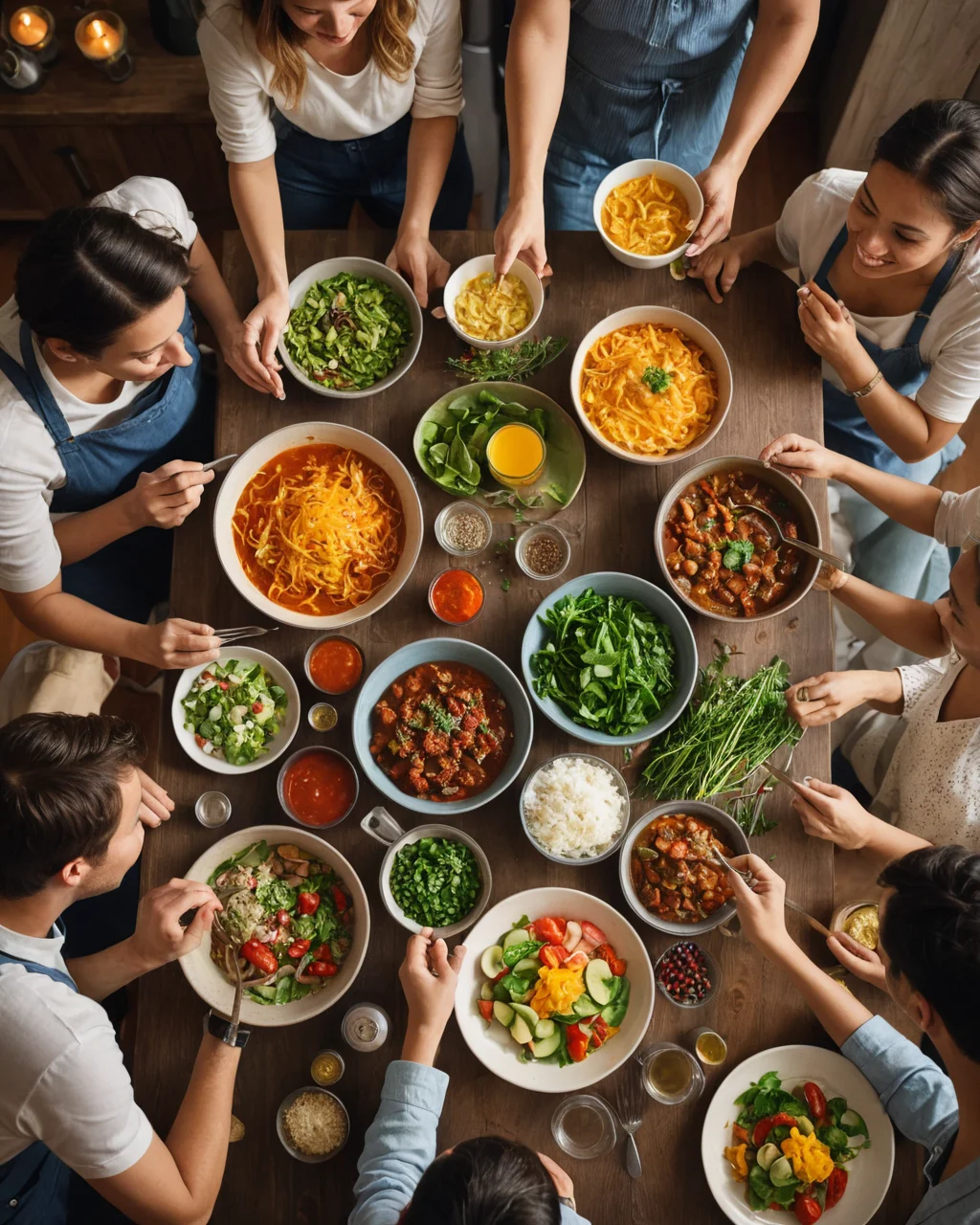
The role of the kitchen in strengthening family ties cannot be underestimated. This is precisely the place where we can gather, share stories, discuss our experiences and plans. Cooking and dining together becomes a kind of tradition that strengthens our relationships and makes the family more cohesive. It is important to remember that shared rituals, such as watching a favorite dish being prepared, can become internal symbols that will later live in the hearts of the entire family. These moments, filled with attention and care, fill the kitchen with positive energy. Family rituals have a direct impact on the kitchen’s energy, and eating together helps create a deep emotional connection. After dinner, when the family gathers at one table, everyone becomes one, and it is in such moments that we learn to appreciate the simple joys.