
Feng Shui Fundamentals: Philosophy and Principles
Feng Shui is not just a trendy word you might encounter in an interior design magazine. It is a very ancient Chinese practice, with roots stretching back over 3000 years. Feng Shui translates to “wind and water” and encompasses many aspects that help align individuals with harmony in the surrounding world. With the dawn of the new millennium, this teaching has experienced a revival, successfully adapting to modern conditions and undergoing some changes. Many contemporary architects have realized that Feng Shui principles can assist not only in creating harmonious spaces but also in improving the overall well-being of building occupants.
Architectural Features of Skyscrapers
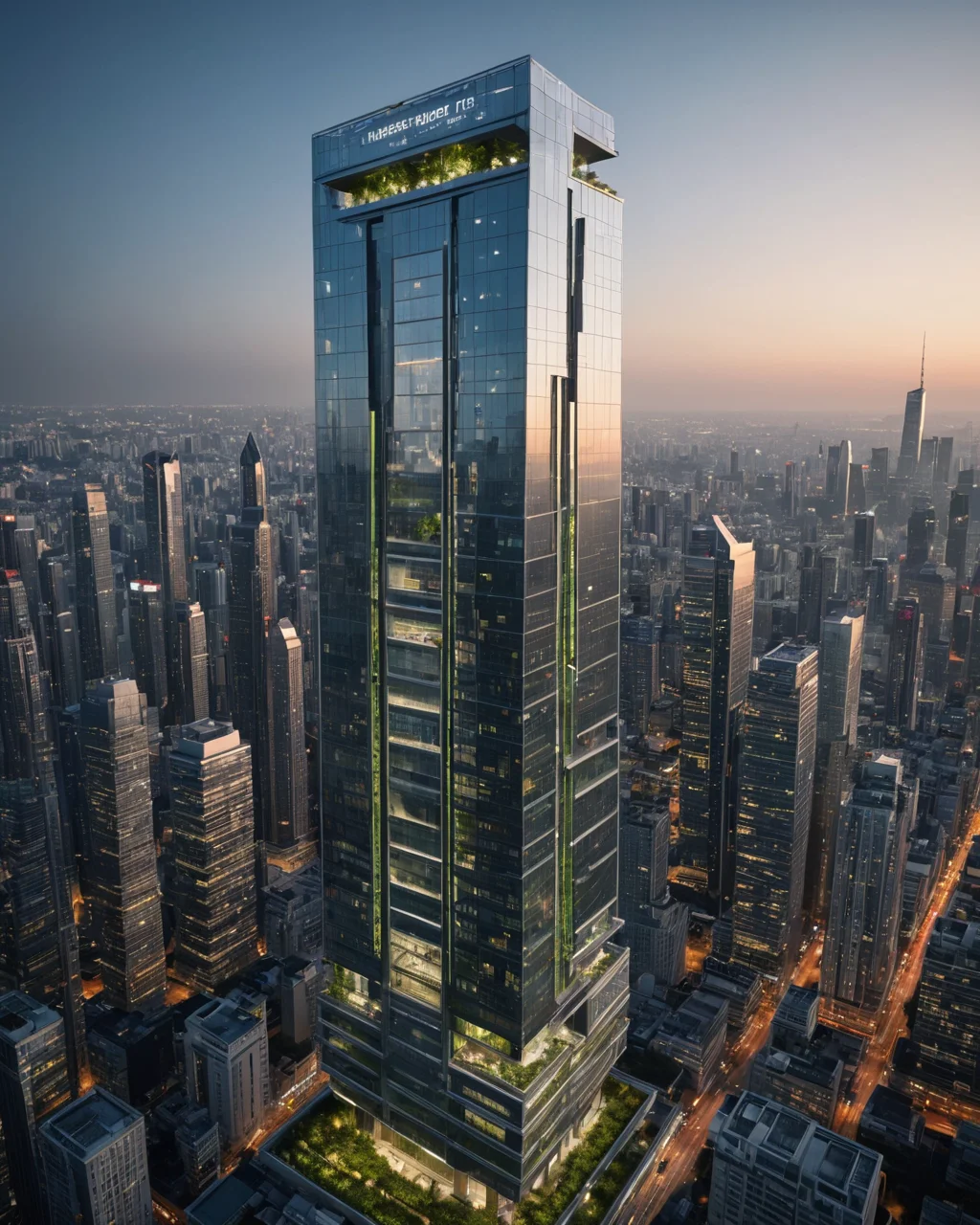
Skyscrapers have undoubtedly become symbols of modernity. Their majestic lines and glazed facades are highlights of urban landscapes. But what lies behind them?! The design of high-rise buildings has become a true art, combining innovative solutions with traditional approaches. Modern architects strive to create skyscrapers that harmonize not only with aesthetic requirements but also with the principles of sustainable development. Here, it is important to consider not only style and form but also the impact of height on the space’s energy. From a Feng Shui perspective, a building should not block morning light and should allow for the circulation of Qi. The comfort of residents directly depends on how the inter-floor spaces influence the perception of height and space as a whole.
The Symbiosis of Feng Shui and Modern Skyscrapers
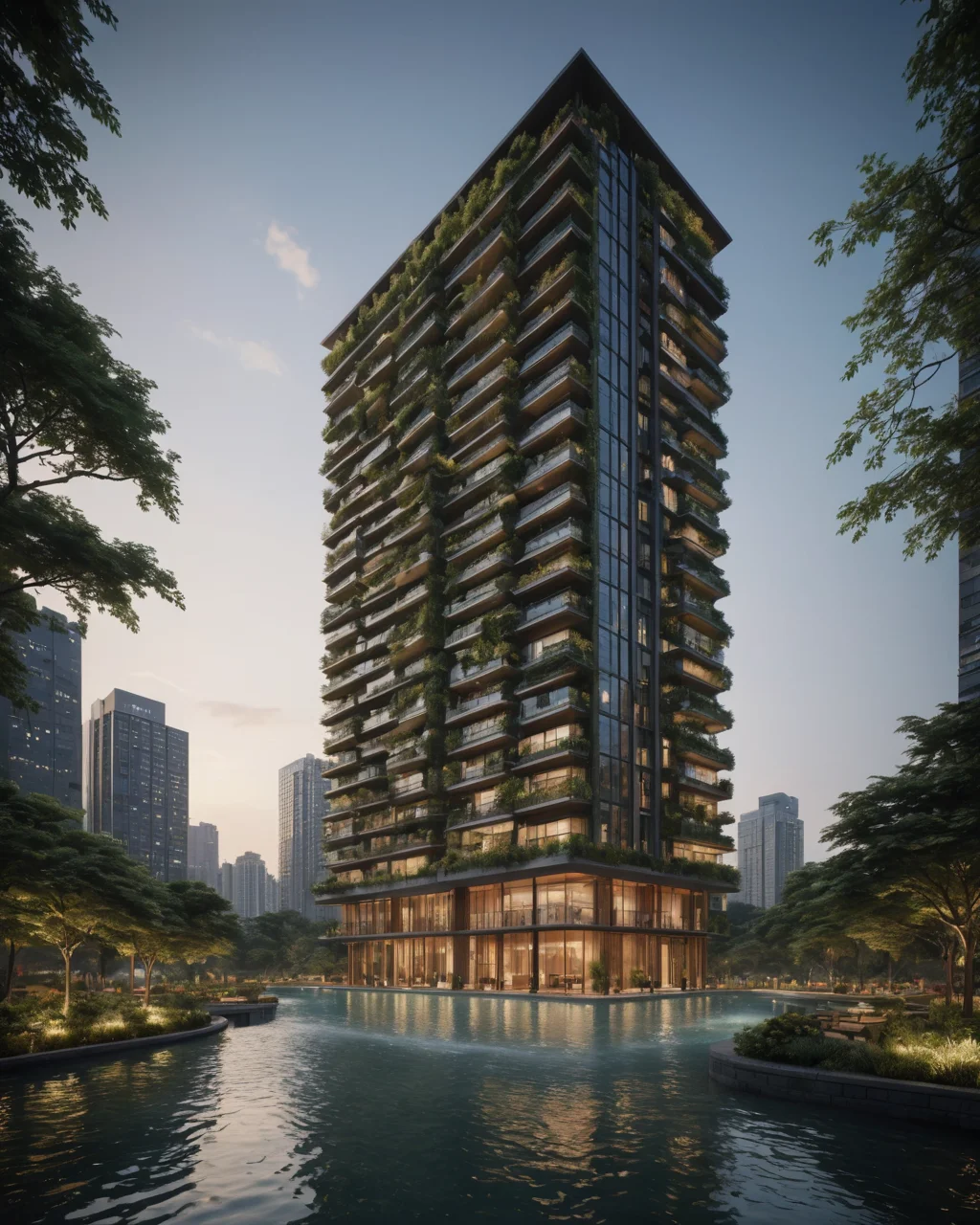
Designing skyscrapers with Feng Shui in mind is a true alchemy, where ancient knowledge and modern technologies are mixed in solution. Feng Shui principles dictate that the building’s location, its shape, and even the surrounding landscape must be considered. For example, a skyscraper facing north with its main side can receive more sunlight, which is considered a positive aspect. Some buildings use special elements to attract positive energy, such as fountains and water features, contributing to the creation of a harmonious atmosphere within the city.
Ecological Aspects and Sustainability
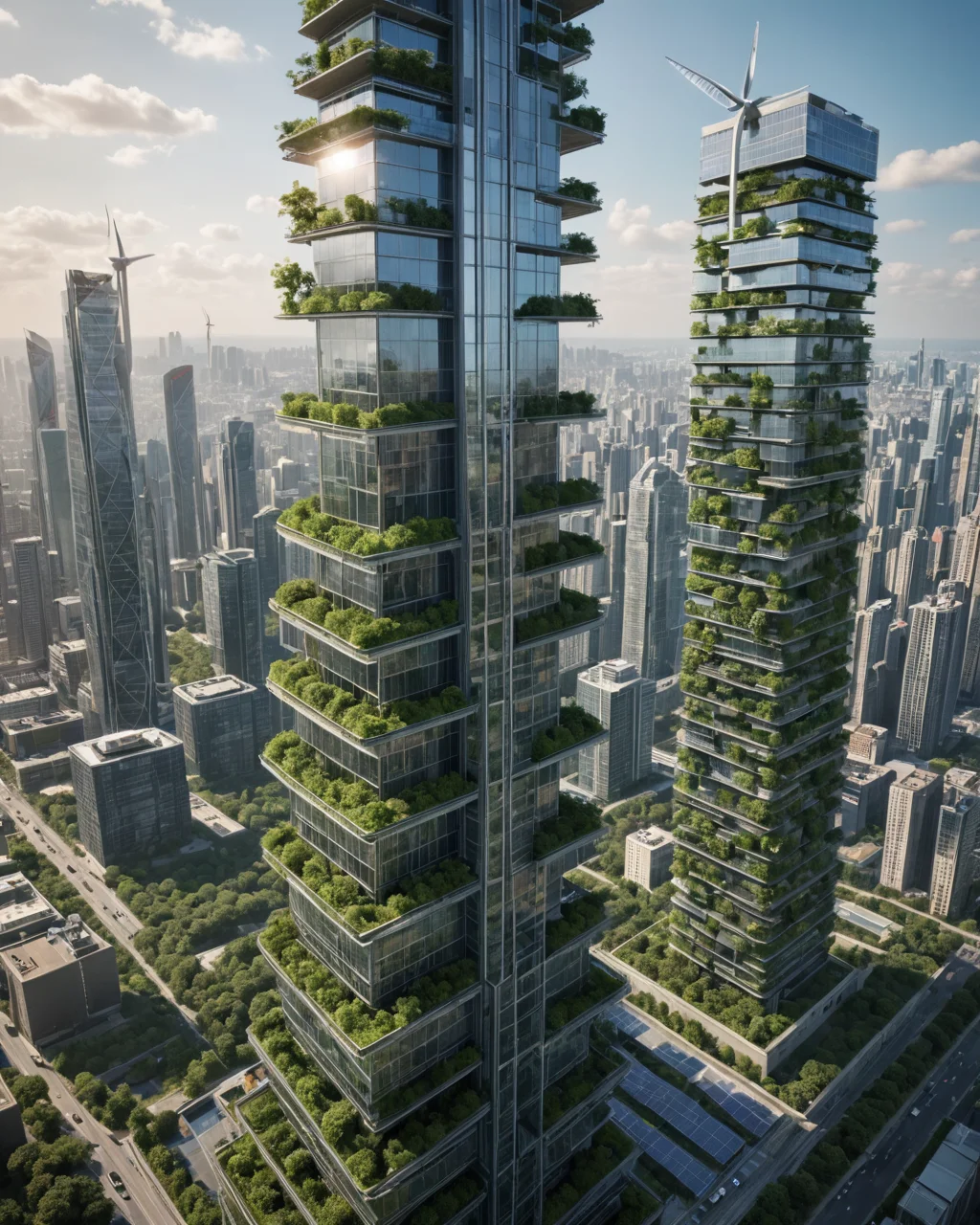
Green technologies are becoming increasingly common in skyscraper construction. Many of them are designed with Feng Shui principles in mind, allowing for harmony not only for residents but also for the surrounding nature. For instance, the use of solar panels, rainwater harvesting systems, and modern insulation materials helps reduce the carbon footprint of buildings. In this context, Feng Shui not only promotes health for the inhabitants but also cares for the health of the planet.
Urban Space and Skyscrapers
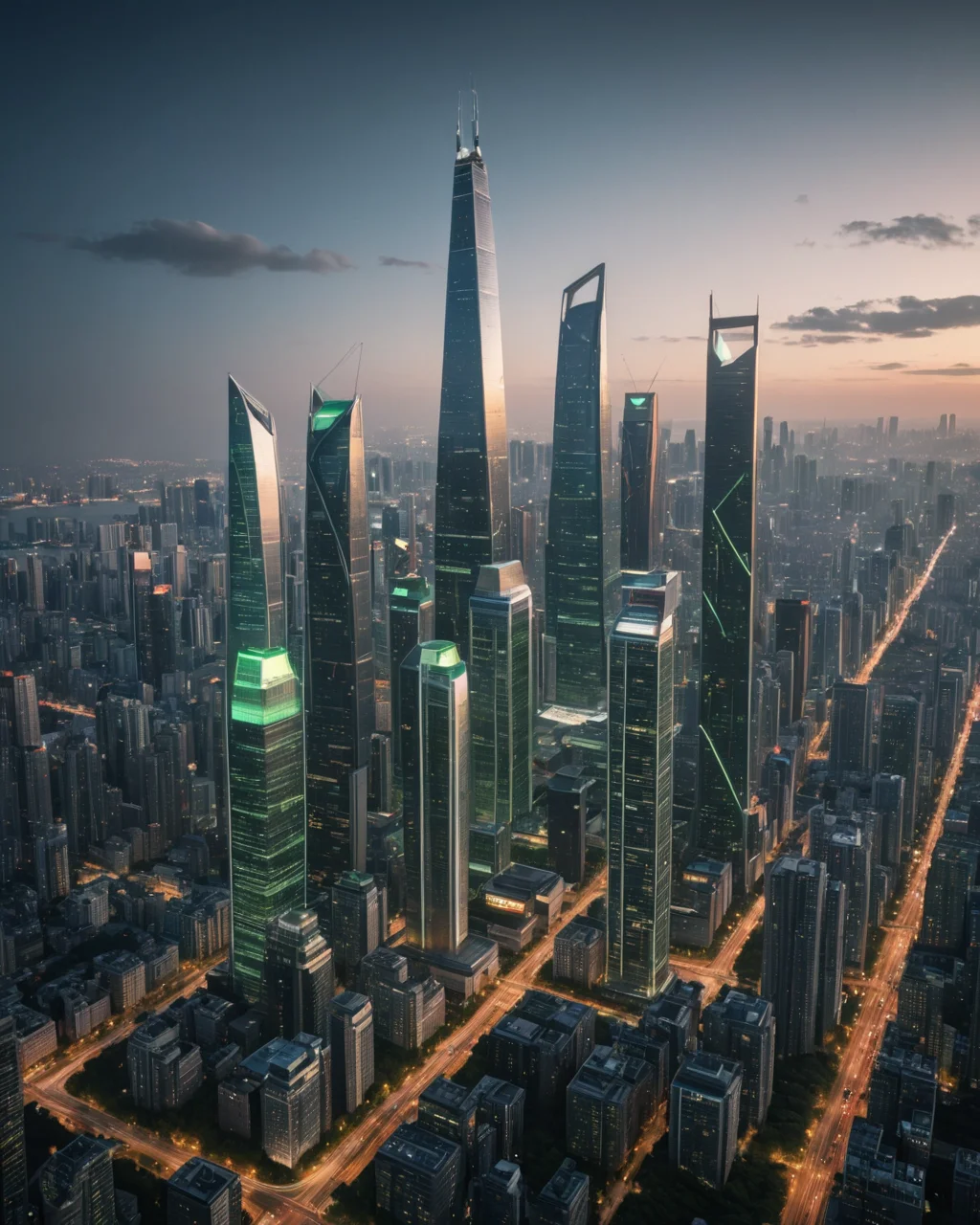
Skyscrapers play a unique role in shaping the urban living environment. They become not only places of residence but also social centers where people can communicate and exchange experiences. However, it is important to consider that high-rise development can negatively affect the local population. Some skyscrapers, located in unsuitable places, can suppress Qi energy and create problems with access to sunlight.
Case Study: Examining Famous Skyscrapers
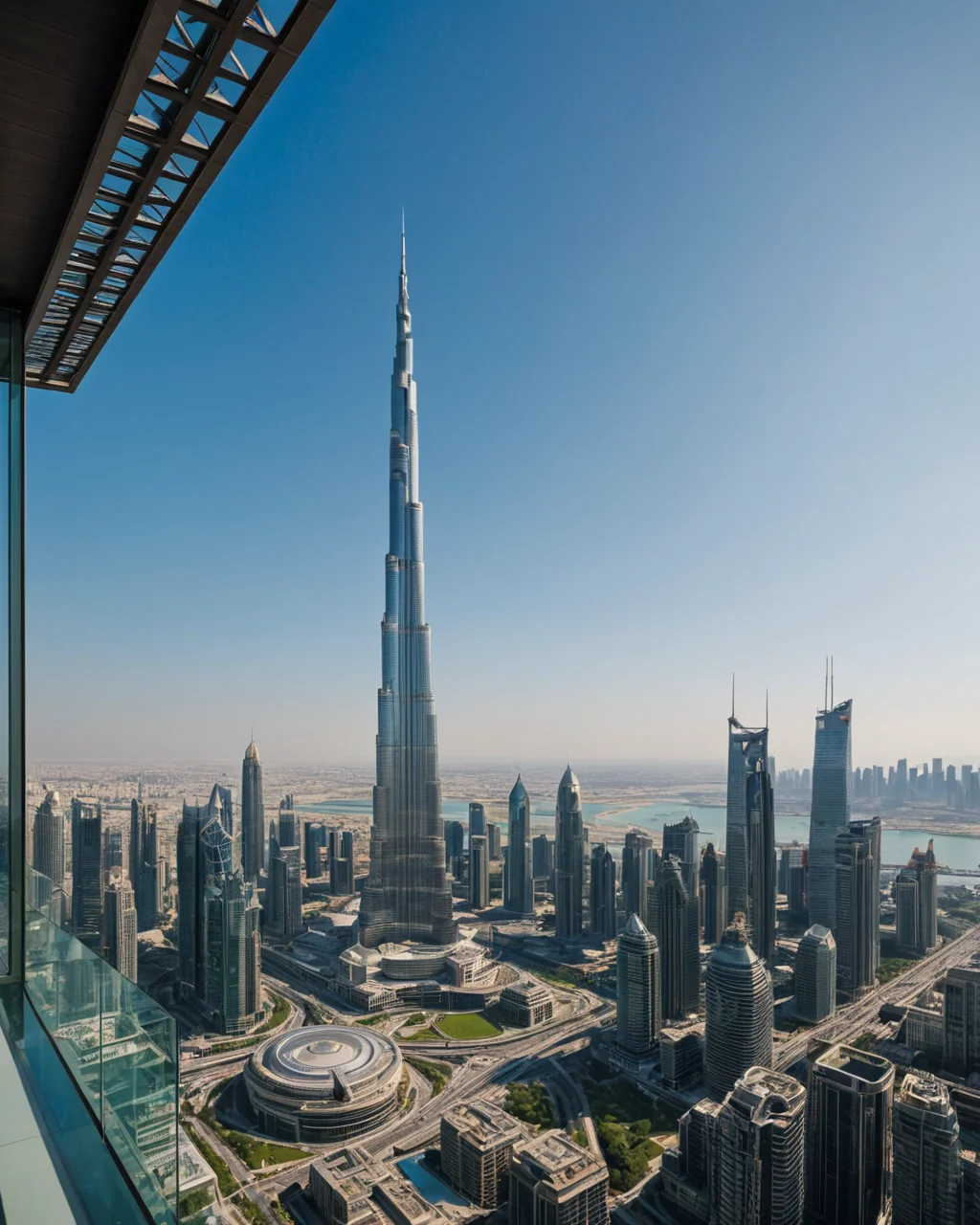
The Burj Khalifa, for example, was designed with many Feng Shui aspects in mind. This skyscraper not only has an impressive height but also a well-thought-out shape that symbolizes growth and development. Essentially, every element of its construction is dictated by the desire to create a space where people feel comfortable. Comparing the Burj Khalifa with other famous high-rises reveals how different architectural solutions can influence the overall perception of a building – the better a project is prepared from a Feng Shui perspective, the more positive associations people have with the building.
The Future of Feng Shui in Skyscraper Architecture
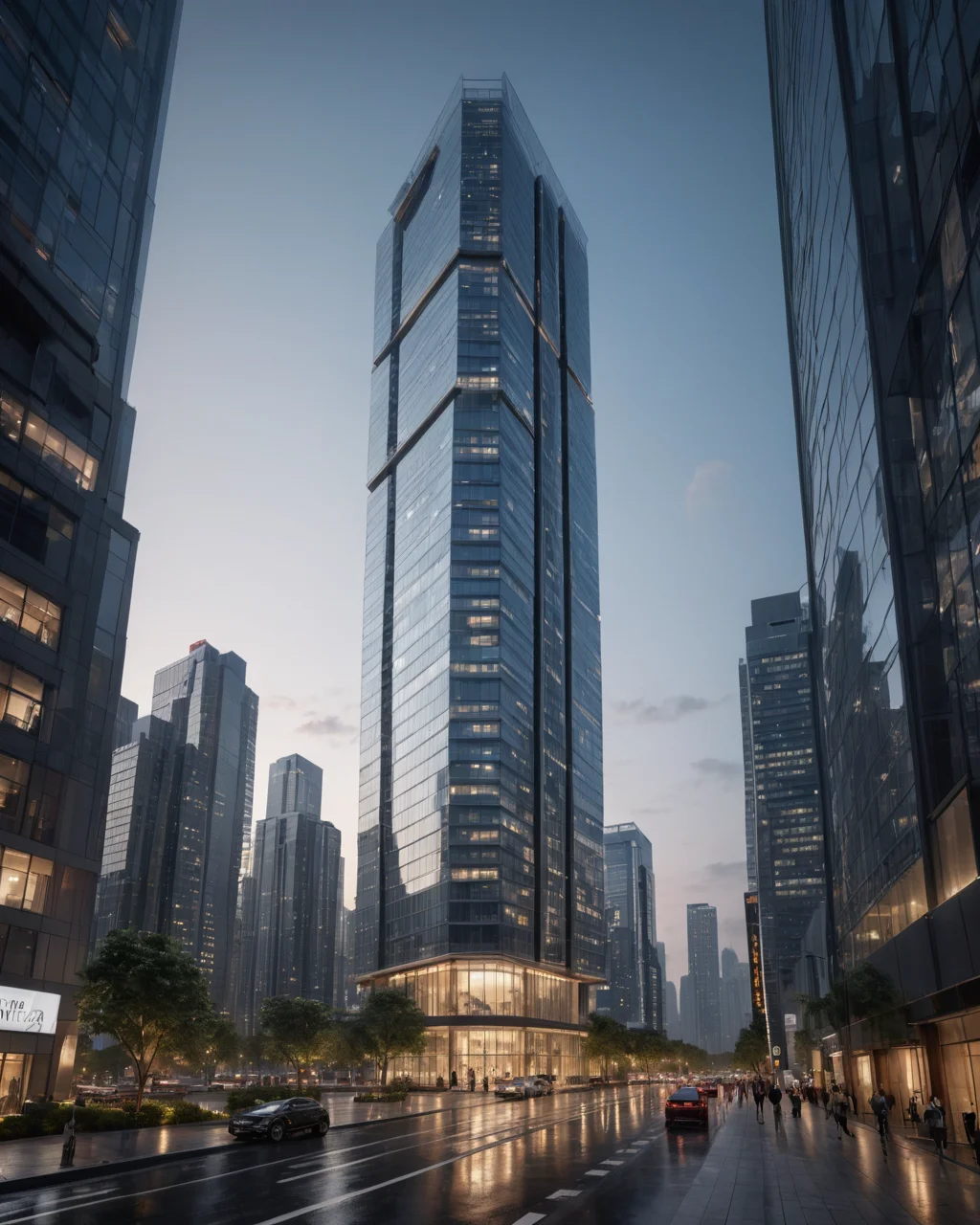
Trends in architecture are rapidly changing, and Feng Shui is not left behind. The technological age brings its own adjustments – from 3D printing to the use of artificial intelligence. Feng Shui principles can be integrated into new projects, developing unique spaces that meet contemporary demands. What will the city of the future look like, where skyscrapers coexist harmoniously with nature while ensuring comfort for people? This is a question that requires close attention from architects and designers.