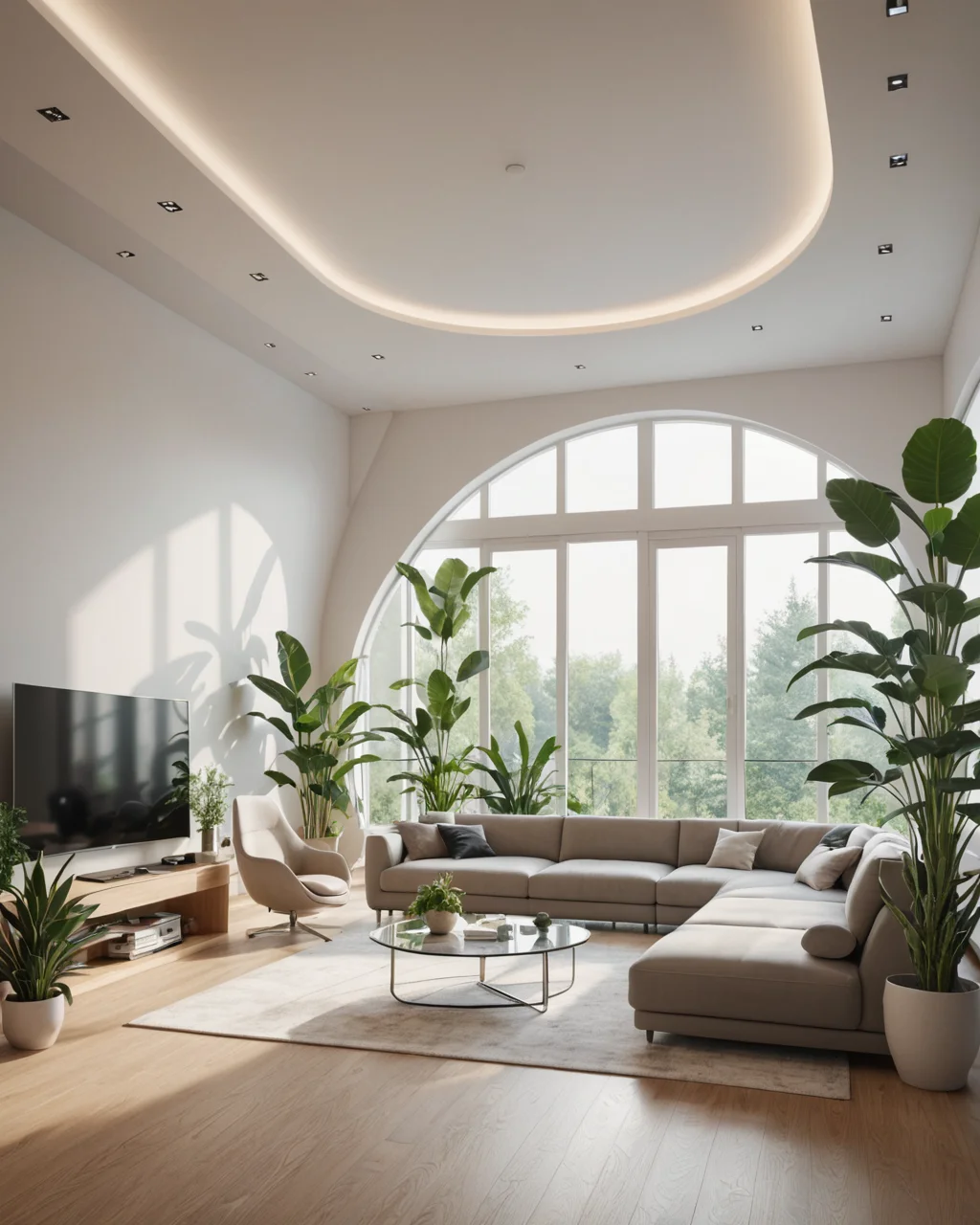
Feng Shui is an ancient Chinese teaching based on the balance and harmony of energies in space. Creating a cozy and harmonious living room in a private house requires considering many factors. In this space, we should feel relaxed and comfortable, and by correctly applying the principles of Feng Shui, the desired result can be achieved. The main thing in this practice is attention to detail, which shapes the overall atmosphere of the home.
Energetic Harmony: The Foundation of Feng Shui
In Feng Shui, an important concept is Qi – the universal energy that permeates everything around. It affects our mood, health, and general well-being. Understanding Qi and its flows in space allows for creating harmony in the interior. For example, in the living room, it is necessary to ensure a free flow of energy, avoiding obstacles and stagnation. Furniture arrangement should facilitate easy movement and communication.
The shape and lines in the interior also matter. Soft, rounded lines promote relaxation, while sharp corners can cause tension and discomfort. When considering decorative elements and furniture, strive for harmonious shapes. For example, a round table or a sofa with rounded edges will create an atmosphere of friendliness and coziness.
To neutralize negative energies, it is important to consider and eliminate sources of discomfort. These can be objects that evoke negative emotions, or poorly placed mirrors that reflect negative aspects. Pay attention to getting rid of excess items that do not bring joy, and also take care to create a positive environment.
Colors That Create Coziness
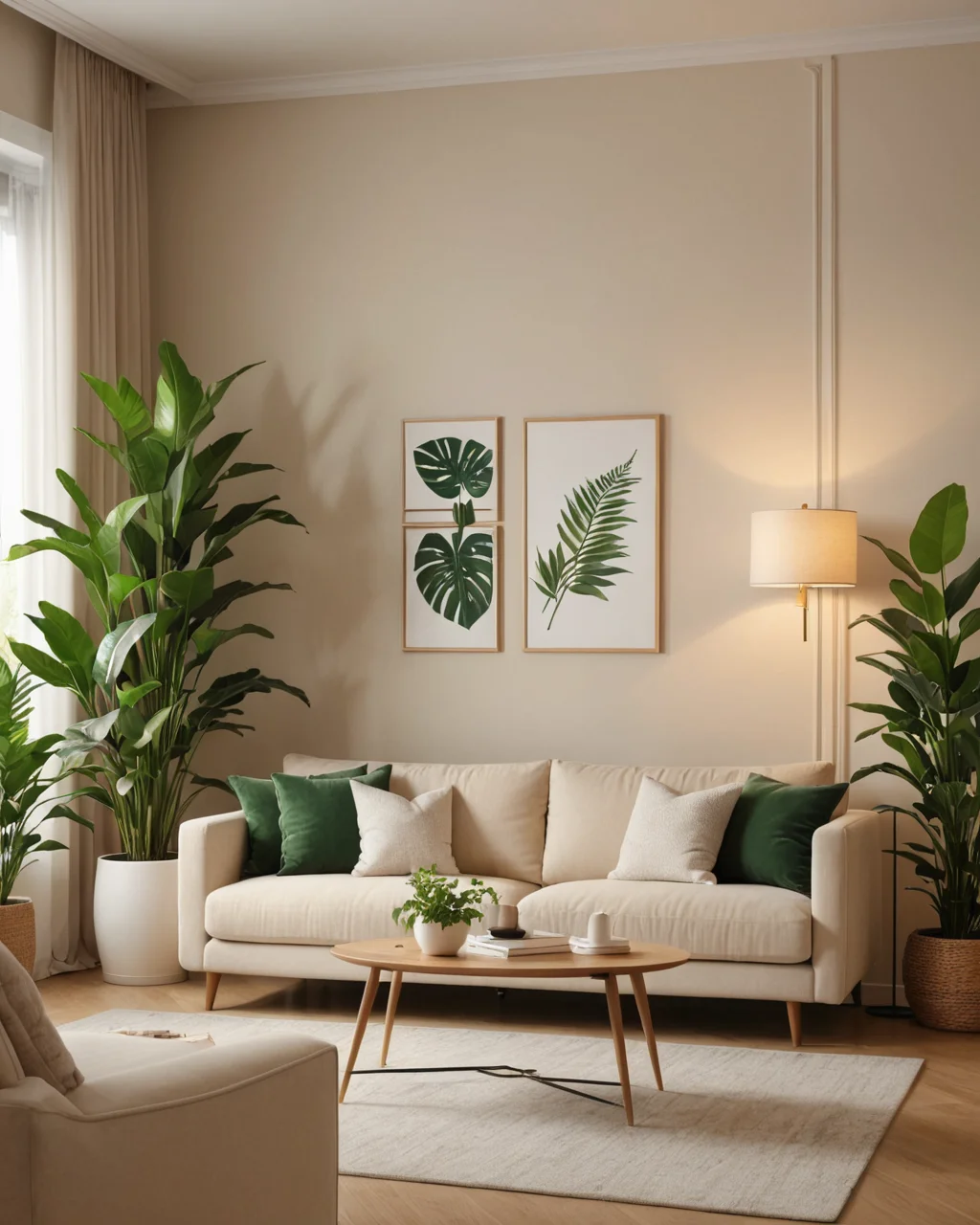
Color plays a key role in the perception of space and its energy. The psychology of color in a living room interior can significantly affect the mood and well-being of the home’s inhabitants. Warm shades, such as soft yellow or delicate pink, create an atmosphere of coziness and relaxation, while cool shades, for example, blue or green, can bring calmness and harmony.
When choosing a palette for the living room, it is important to consider its purpose. If the space is intended for relaxation and communication, choose colors that promote relaxation. Soft pastel tones are ideal for creating a relaxing atmosphere. In addition, using accents in brighter colors, such as pillows or paintings, can activate energy and add dynamism.
An important aspect is also how colors interact with each other. The combination of warm and cool shades can create a contrast effect, adding interest to the interior. However, be careful: too many bright and saturated colors can cause overload and discomfort.
Furniture and Its Arrangement: Secrets of Coziness
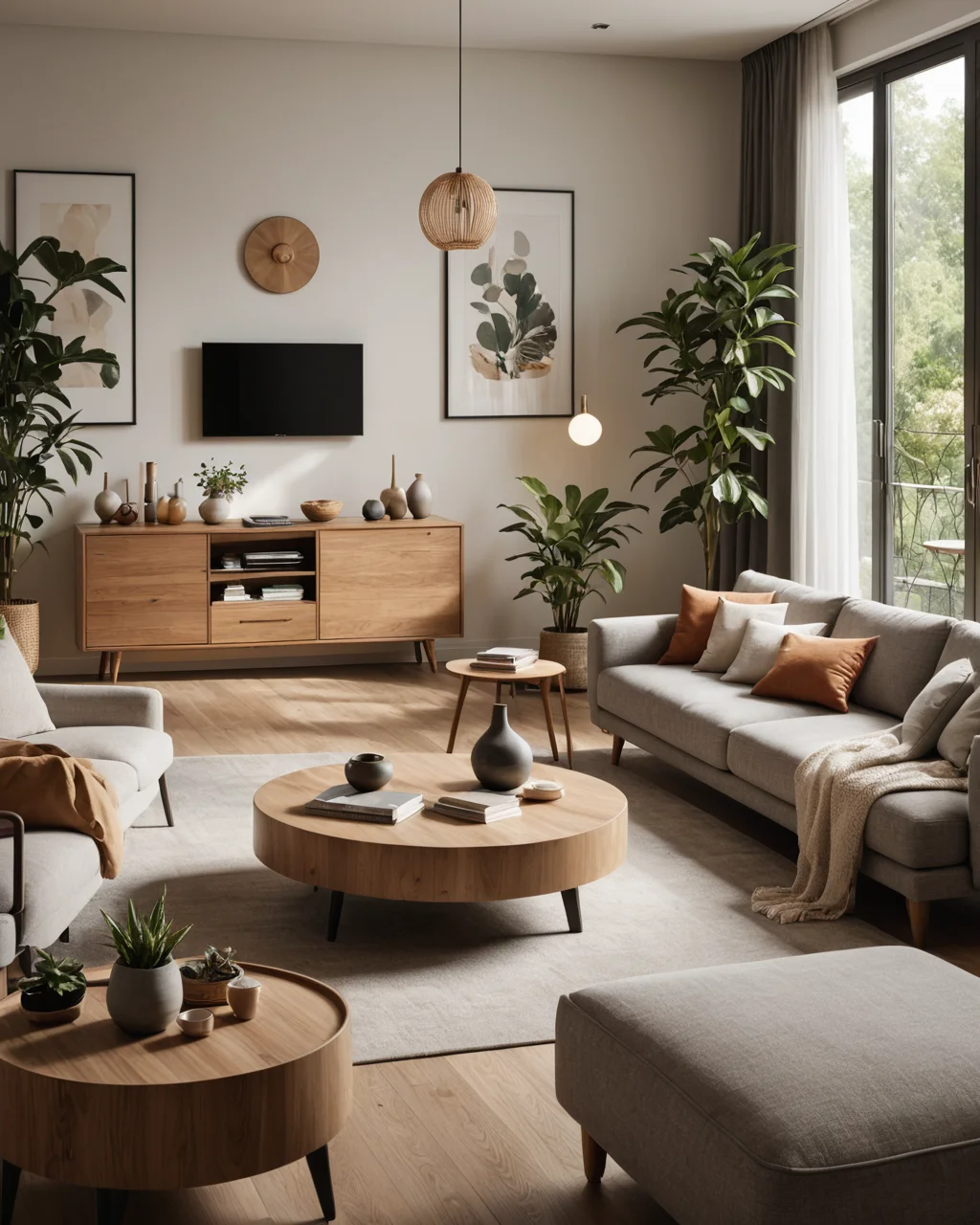
Furniture arrangement in the living room is one of the key elements that contribute to creating harmony. Furniture arrangement principles should take into account Qi flows so that energy can move freely through the space. Avoid creating barriers that can block movement and cause a feeling of confinement. For example, it is better to place the sofa in the center of the room rather than pushing it against the wall, to ensure openness and opportunities for communication.
The choice of furniture shapes and materials also affects the atmosphere. Soft furniture with rounded corners will promote relaxation and harmony. Pay attention to the textures of materials: wood, cotton, and linen create a sense of coziness, while glass and metal can add a feeling of coolness and severity. If you want to create a warm atmosphere, choose natural materials.
Zones for communication and relaxation can be highlighted through furniture arrangement. Comfortable armchairs and a sofa, arranged in a circle or semicircle, will create a space for communication and interaction. Don’t forget about tables that can be used for drinks and snacks, thereby promoting informal conversations.
Lighting and Its Role in Feng Shui
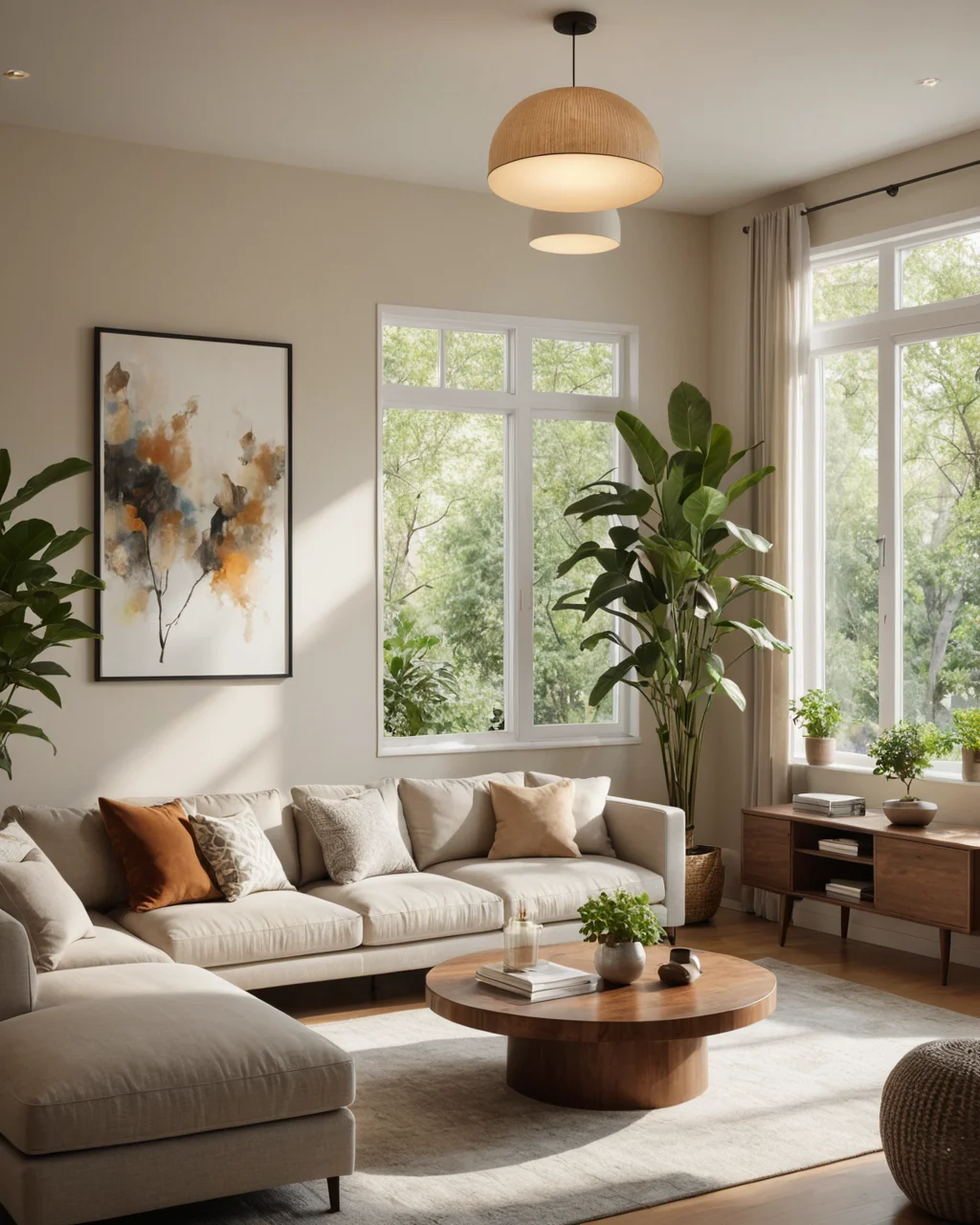
Lighting in the living room is not just a functional element, but also an important aspect of creating atmosphere. Natural light can significantly improve the perception of space, so if possible, use large windows and light curtains to let in as much light as possible. Open spaces fill the home with energy and create a sense of connection with nature.
Artificial lighting also plays an important role in Feng Shui. Properly selected fixtures create the desired mood and emphasize the aesthetic elements of the interior. Use layered lighting, including general light, spotlights, and accent lighting, to create variety and depth. For example, cozy floor lamps next to an armchair create the perfect atmosphere for reading.
The symbolism of light and shadow in the interior also matters. Light can symbolize life and energy, while shadow represents rest and relaxation. By creating a balance between light and shadow, you can achieve harmony in space.
Natural Elements in the Interior
Incorporating natural elements into the living room interior is an important aspect of Feng Shui. Natural materials, such as wood, stone, and textiles made from organic fibers, are not only aesthetically pleasing but also create a sense of closeness to nature. They help balance energy and improve the atmosphere in the home.
Plants play a key role in creating harmony and improving energy in space. Choose plants that are suitable for your living room conditions. For example, a ficus or a peace lily can be an excellent addition, bringing freshness and life. Place them in areas where they will receive sufficient light, and make sure they are easy to care for.
Water is also an important element of Feng Shui. Aquariums, fountains, or even simple containers with water can bring calmness and harmony to your space. Flowing water symbolizes movement and renewal, so adding water elements to the interior can significantly improve the energy of your living room.
Decor: Small Details – Big Importance
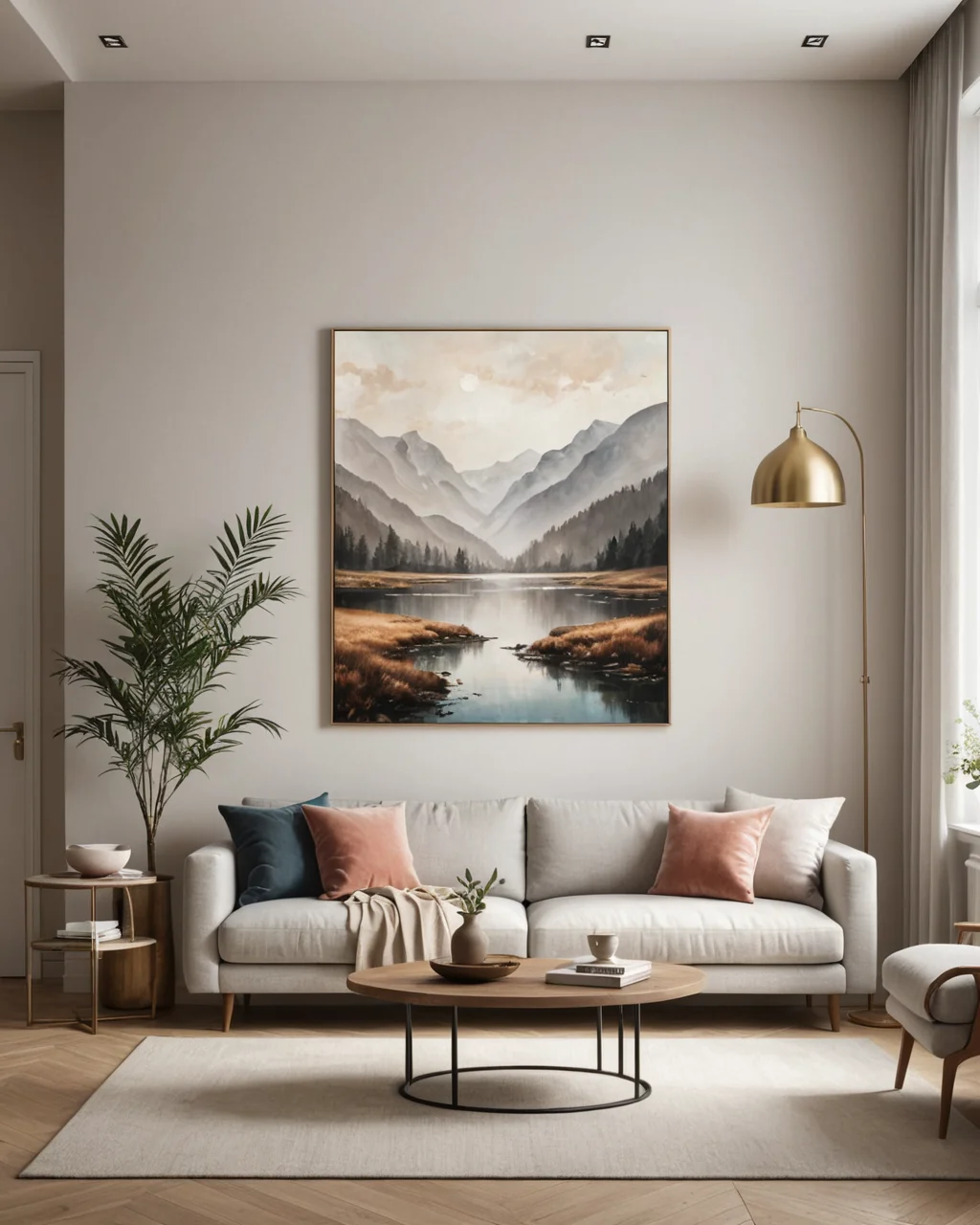
Decor plays an important role in Feng Shui. Every detail can affect the energy of the space. The symbolism of objects matters, and the choice of decor should be conscious. For example, paintings depicting natural landscapes or happy moments will create a positive atmosphere, while images that evoke negative emotions should be avoided.
The right choice of accessories, such as pillows, rugs, and decorative elements, can support harmony in the interior. At the same time, try to adhere to minimalism: less is more. An excess of items can create chaos and negatively affect the energy of the space. It is important to choose only those things that you truly like and that bring joy.
A minimalist approach to decor allows you to focus on the main thing – creating a calm and harmonious atmosphere. Opt for neutral colors and simple shapes to avoid overloading the space. Thus, your interior will become cozier and more relaxing.
Caring for Sounds: Music and Noises in the Living Room
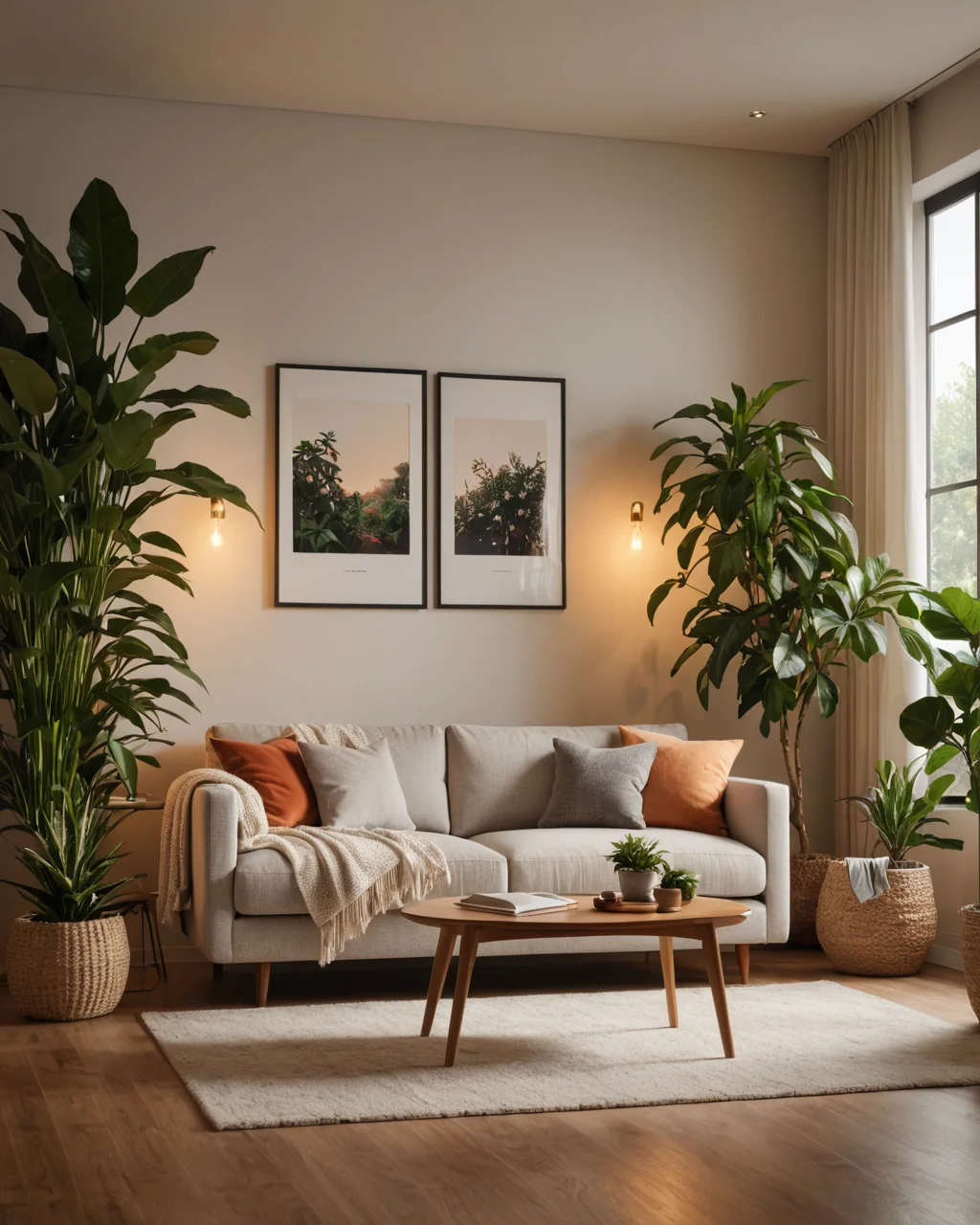
The sounds that surround us in the living room can also affect the atmosphere. Music and noises create a background environment that can either improve or worsen the overall mood. Think about what kind of sound environment you need: for relaxation, soothing music is suitable, while for active conversations, a more upbeat melody is better.
Recommendations for choosing background music should take into account your preferences and mood. For example, classical music or nature sounds will help create an atmosphere of peace and coziness. It is important to remember that the sound should be pleasant and not irritating.
Ways to reduce negative noise can include using soft furniture, textiles, and special acoustic panels. Such solutions will help reduce noise levels and create a more comfortable space for communication and relaxation.