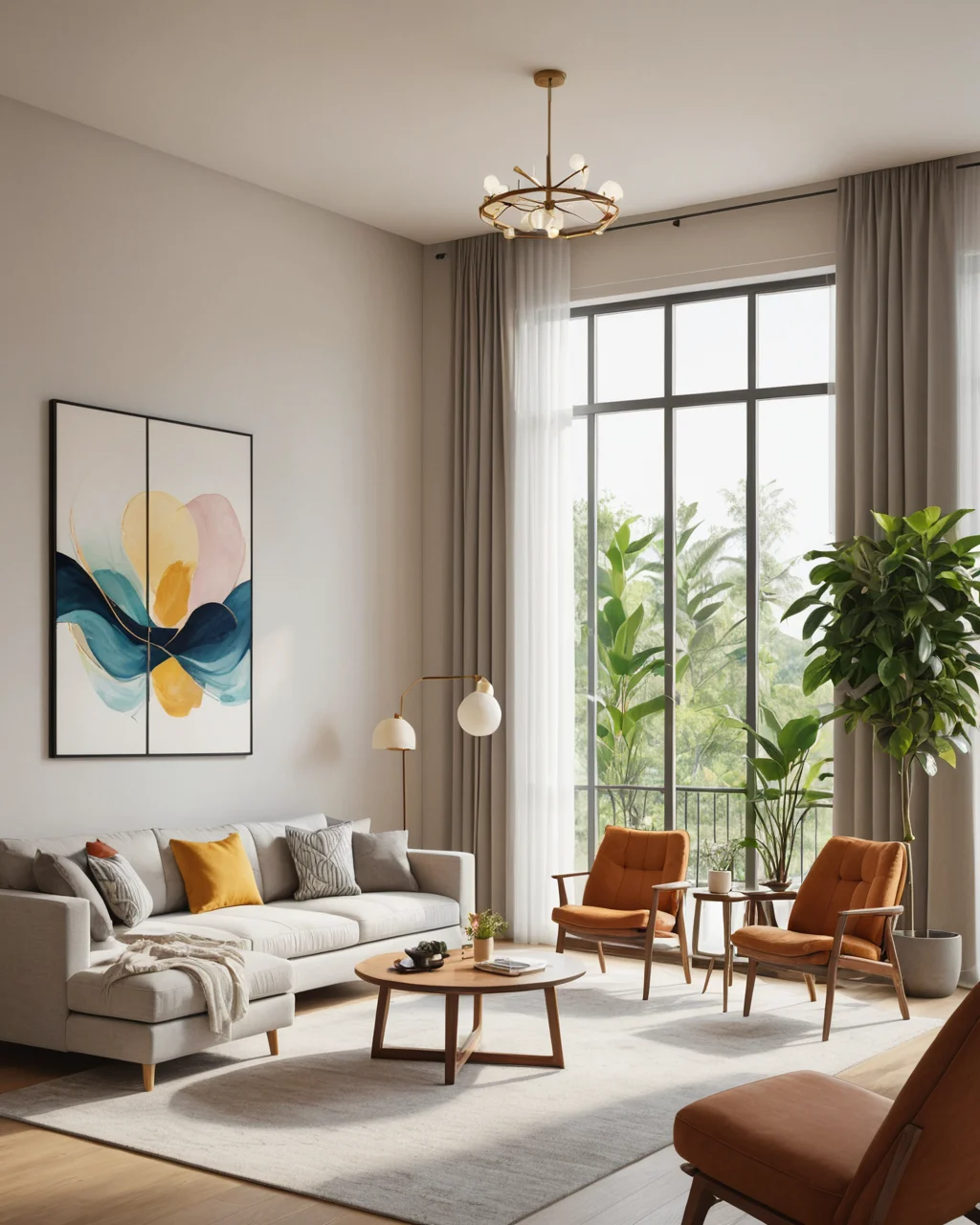
Feng Shui is the art of harmonious space arrangement that helps create a pleasant atmosphere in the home and contributes to the well-being of its inhabitants. The living room, as the center of family communication and gathering, requires special attention in its design. The energy, called ‘qi’, permeates everything around, and its flow can affect our mood and health. In this article, we will examine in detail how to properly design a living room in a private house to ensure safety, comfort, and harmony.
Energy in Space: Feng Shui Fundamentals
The concept of qi is the foundation of Feng Shui. It is an elusive energy that permeates all living and non-living things. It is important to understand that qi should flow freely in space, otherwise its stagnation can lead to negative consequences for health and emotional state. In the living room, special attention should be paid to its shape and location in the house. A classic square or rectangular shape is considered the most successful, as it promotes good energy flow.
Also, the location of the room should be considered. A living room located on the south side will receive a lot of sunlight, which in turn fills the space with positive energy. However, an excessive amount of sunlight can cause discomfort, so it is important to choose curtains or blinds correctly to help regulate the light flow.
The shape of the furniture and the arrangement of interior items also play a role in the flow of qi. Sharp corners and polygonal shapes can create disharmony, so it is better to choose streamlined shapes. If your living room has corners, try to arrange furniture so that they are not directed towards people in the room.
Safety and Comfort: How to Arrange Furniture
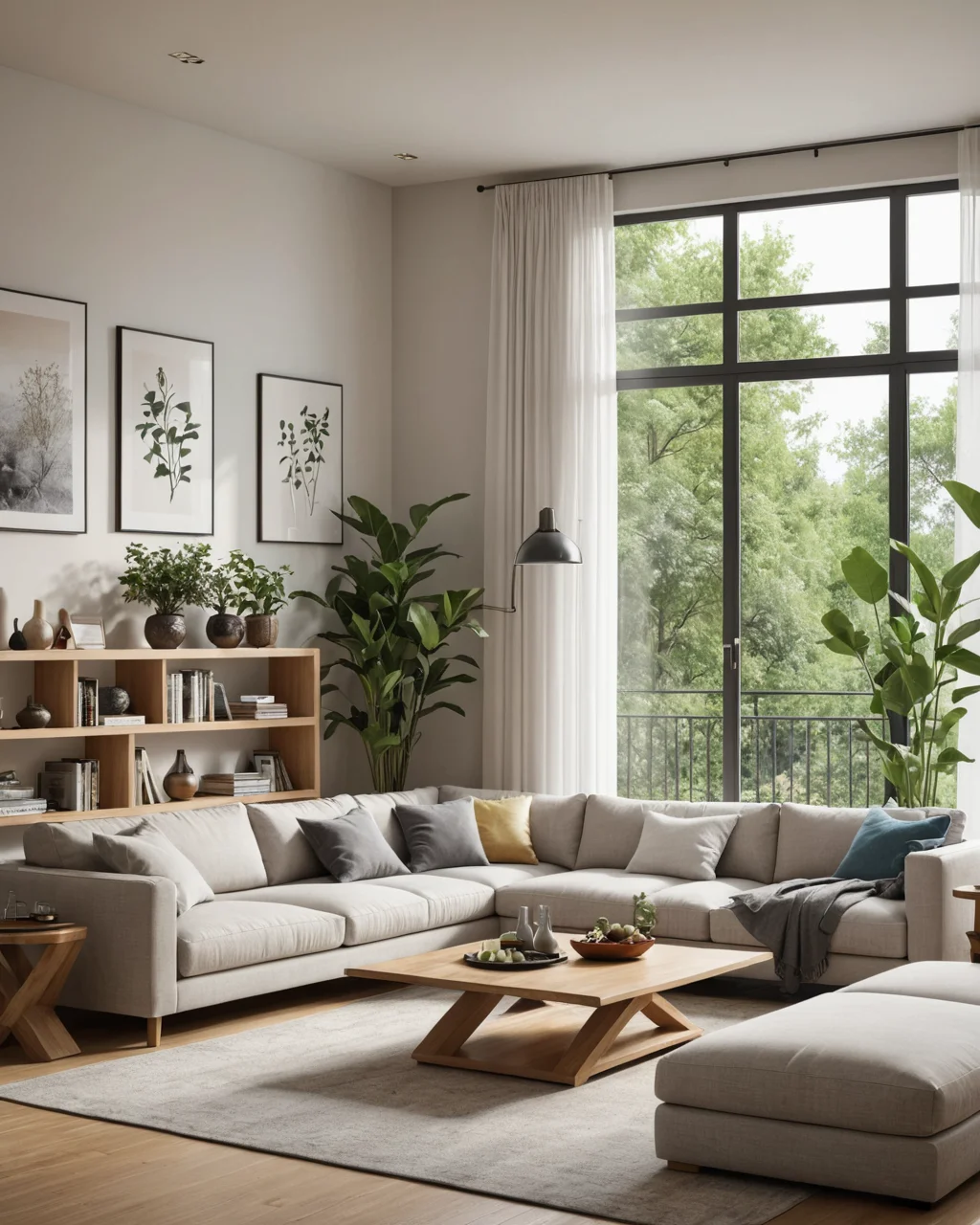
Furniture arrangement in the living room plays a key role in creating a safe and comfortable atmosphere. To ensure protection from negative energy, it is important to choose optimal furniture placement schemes. For example, it is best to place the sofa so that it does not face the door with its back. This creates a sense of security, as you can always see who enters the room.
In addition, enough free space should be left for movement. This not only allows qi energy to flow freely but also ensures comfort for people in the room. If the passages between furniture are too narrow, it can cause a feeling of confinement and tension.
Attention should also be paid to the corners of the room. If you have sharp corners that are directed at places where people often sit, you can use plants or decorative elements to soften the visual perception. This will help avoid the negative impact of corners on the atmosphere in the room.
Color and Material: Choosing Correctly
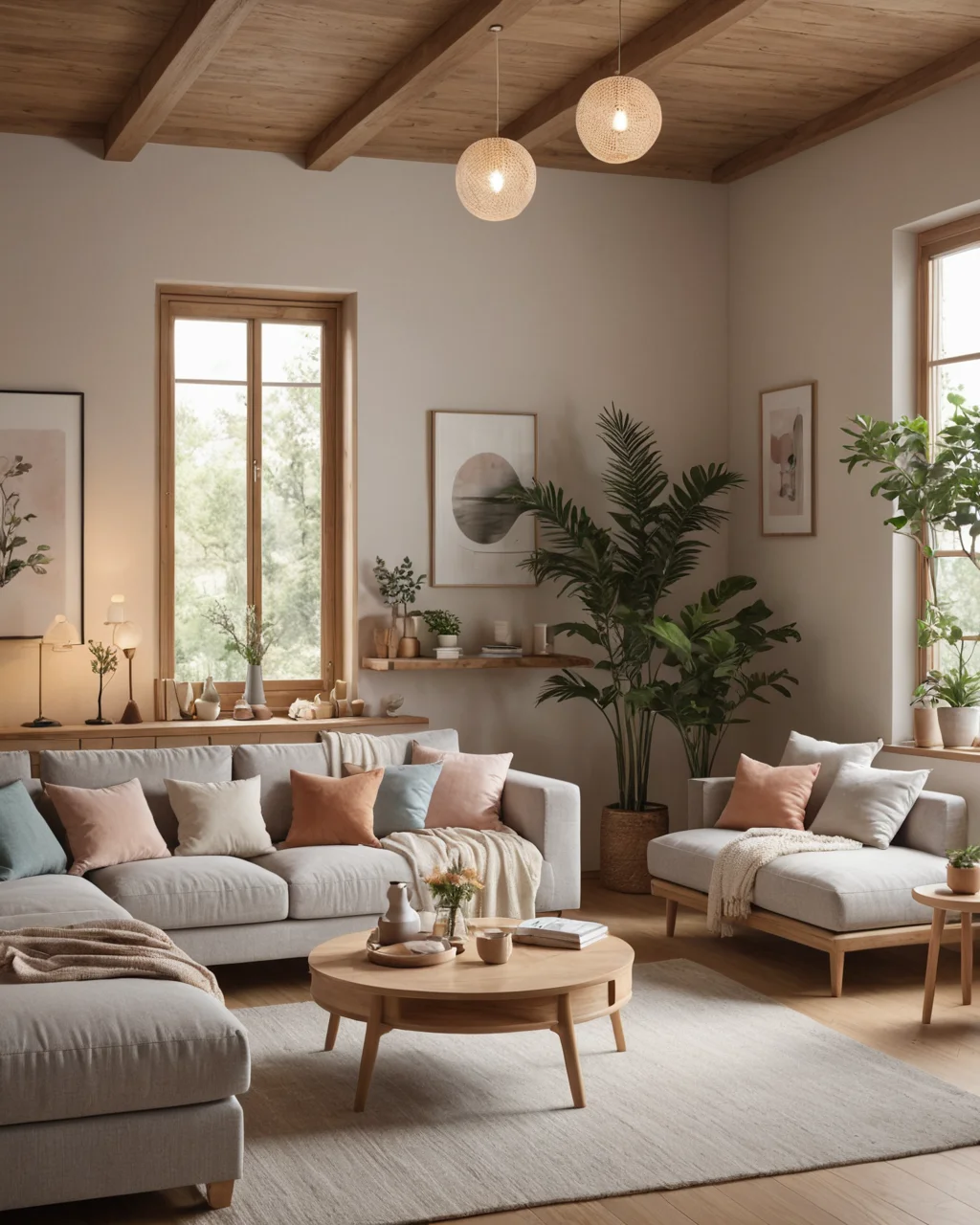
Colors in the interior affect emotional state and create a certain mood in the room. In Feng Shui, it is recommended to use warm, muted tones that contribute to coziness and safety. For example, colors like beige, cream, or light brown create an atmosphere of calm and security.
However, it is important to remember that each color has its own energy. Red, although it activates energy, can be too aggressive for some spaces, and it is better to use it in small accents. Green and blue shades promote relaxation and harmony, making them ideal for the living room.
As for materials, preference should be given to environmentally friendly and safe options. Wood, linen, and cotton are excellent choices for furniture and finishes. These materials are not only safe for health but also help create a natural and harmonious atmosphere in the room.
Lighting and its Significance in Feng Shui
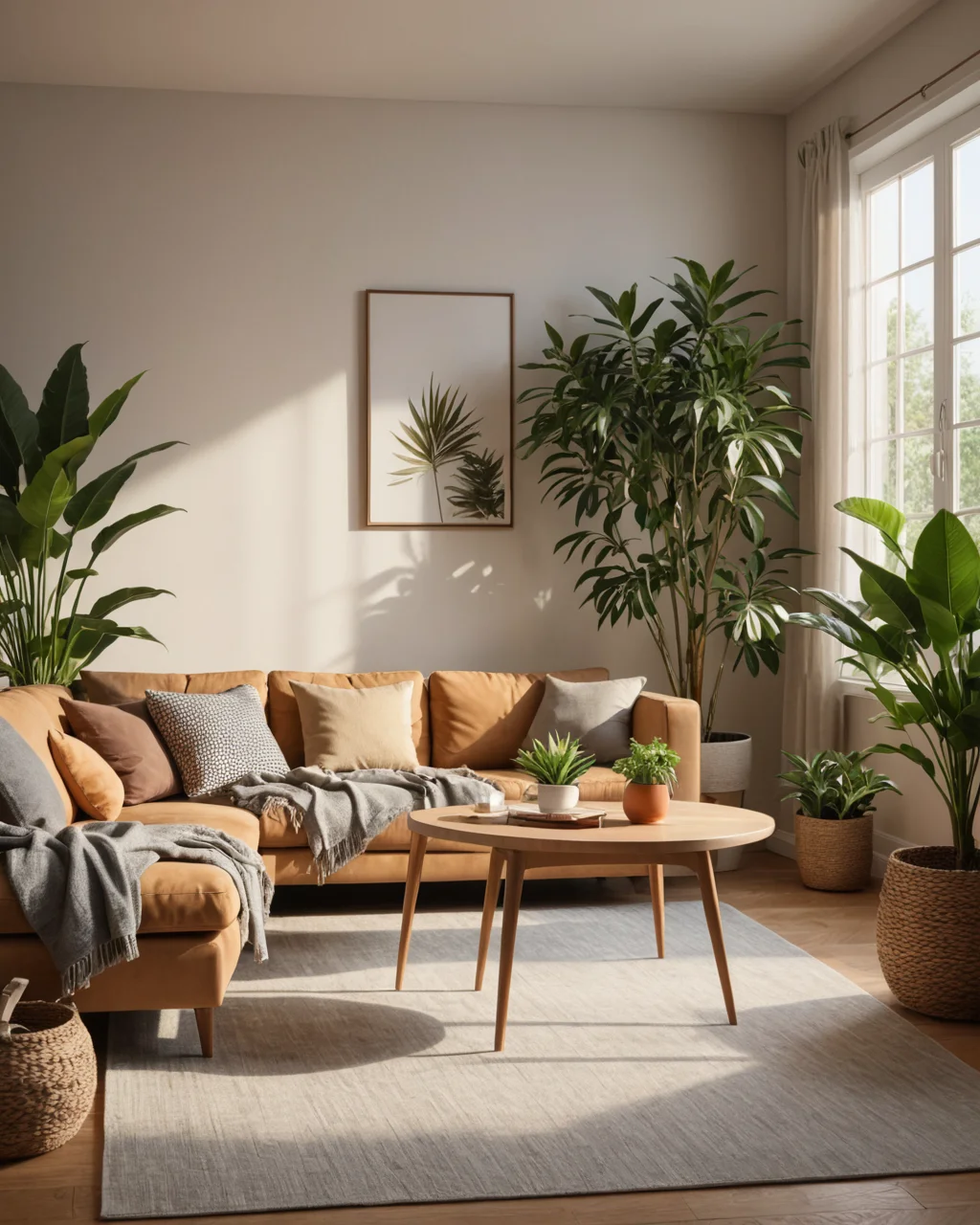
Lighting is an important aspect of Feng Shui that can significantly change the atmosphere in the living room. Natural lighting helps charge the space with positive energy, so it is worth maximizing daylight. If possible, keep windows clean and do not cover them with heavy curtains.
However, in the evening, sufficient artificial lighting must be provided. For this, it is better to use multiple light sources – both ceiling lamps and table or floor lamps. This will create soft and even lighting, promoting relaxation and comfortable communication.
It is also important to remember the color temperature of the lamps. Warm light creates a cozy atmosphere, while cold light can cause discomfort. When choosing lighting for the living room, try to emphasize soft, warm tones that will help you relax and get in the mood for communication.
Plants as Space Protectors
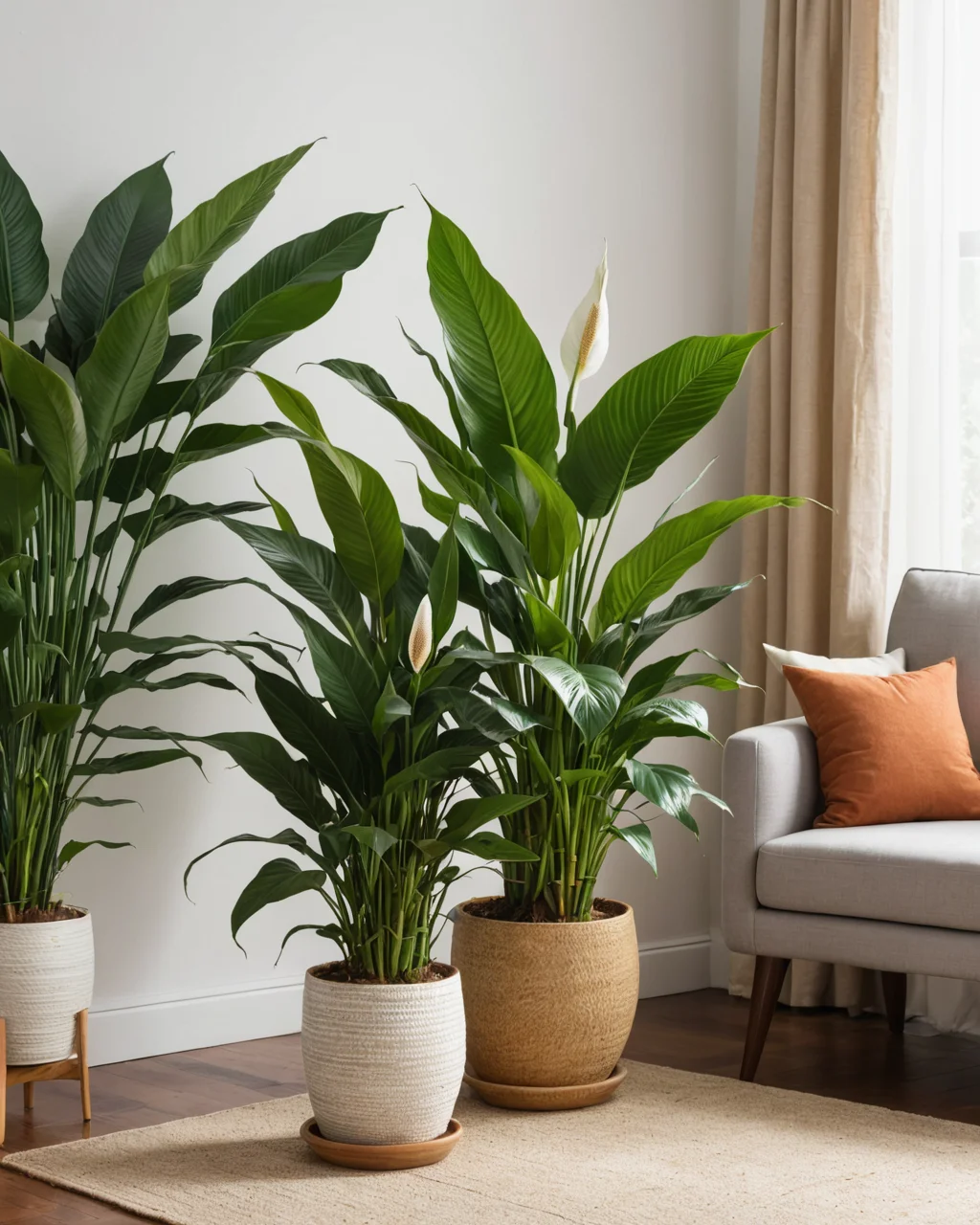
Plants play an important role in Feng Shui, as they not only improve air quality but also have the ability to cleanse space from negative energy. When choosing plants for the living room, pay attention to species such as Dracaena, Chlorophytum, or Ficus. They are known for their protective properties and can create a comfortable atmosphere.
Live plants can be not only an aesthetic addition but also protectors of the space. For example, thorny or sharp plants (like cacti) are best placed in corners of the room, as they can protect against negative energy created by sharp corners of furniture or walls.
It should be remembered that plants require care, and it is important to monitor their condition. Dead or wilting plants can lead to the accumulation of negative energy, so they should be replaced or cared for in a timely manner.
Decor and Accessories: Harmony and Protection
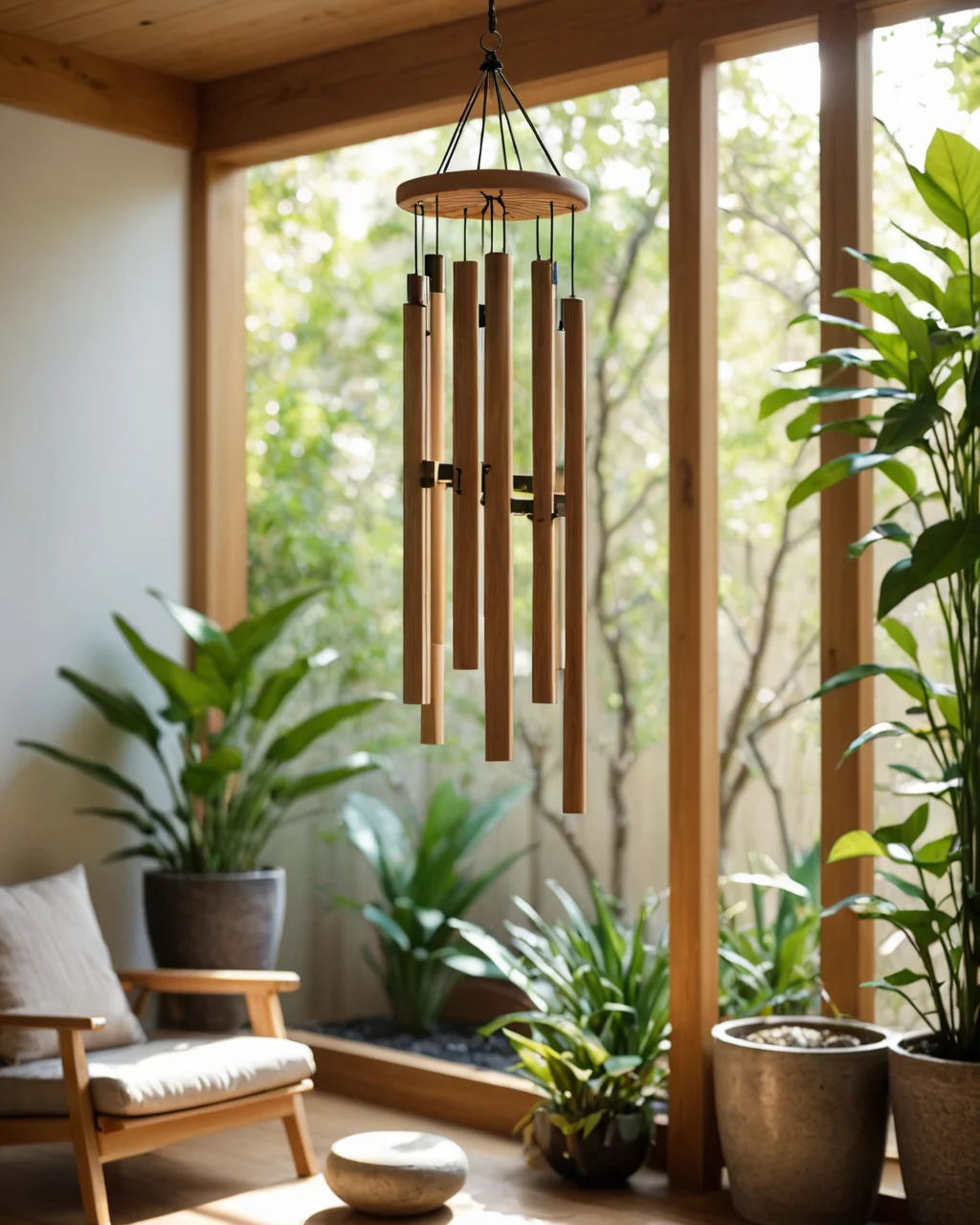
The proper use of decor and accessories can significantly influence the creation of a safe and harmonious atmosphere in the living room. For example, the use of mirrors can improve energy flow, but they must be placed so that they do not reflect doors. This can create a feeling of anxiety and unease.
Attention should also be paid to textiles. Soft pillows, throws, and rugs create coziness and comfort, and also protect from sharp furniture corners. Use fabrics in warm tones to create a harmonious space.
Accessories can be not only decorative but also functional. For example, beautiful candles can add warmth and coziness, as well as serve as a source of calming light. Figurines depicting animals can symbolize protection and harmony, filling the space with positive energy.
Mistakes to Avoid
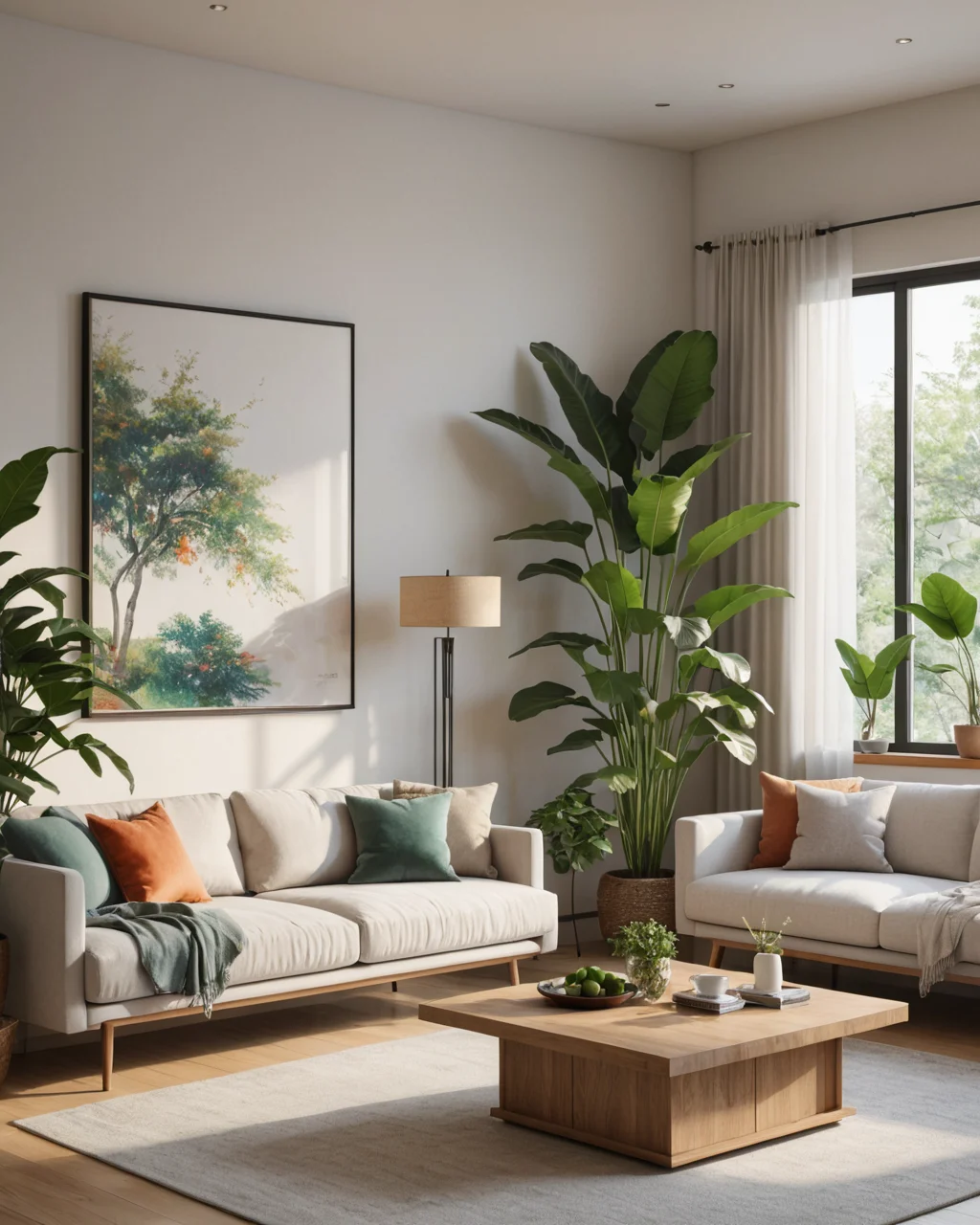
When designing a living room according to Feng Shui, one should be careful and avoid common mistakes. One of them is placing furniture in such a way that it blocks doors or windows. This creates an obstacle for qi energy, which can negatively affect the atmosphere in the room.
Another mistake is the abundance of sharp corners and objects. They can create discomfort and cause anxiety among residents. It is better to choose streamlined shapes and soft lines that promote relaxation.
It is also important to avoid cluttering the space with unnecessary items. Excessive decor can lead to the accumulation of negative energy. Try to leave enough free space so that qi can flow freely, and residents feel comfortable.