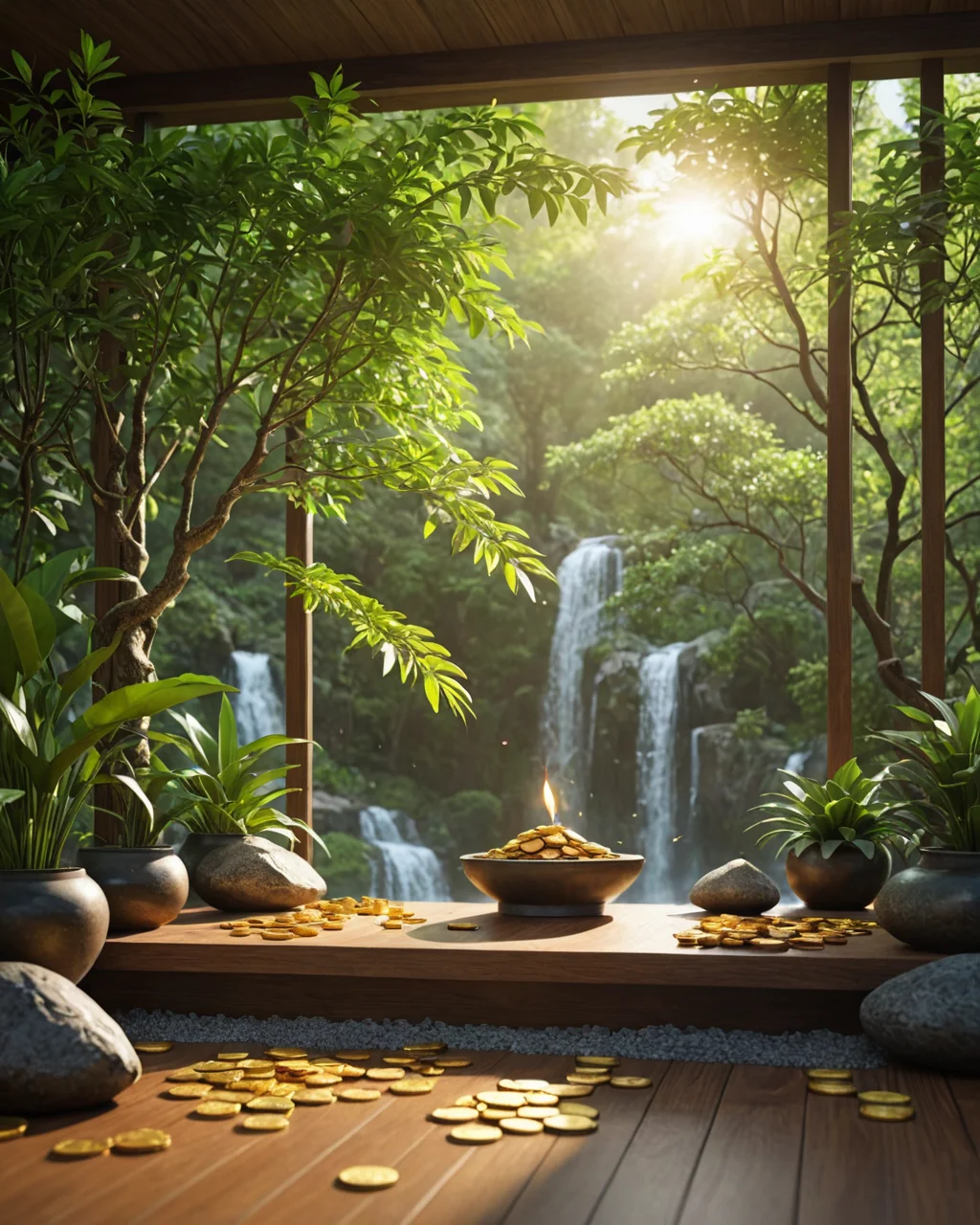
Feng Shui and the Role of a Teacher in Learning

Feng Shui: Philosophy and Practice

  • The fundamental principles of Feng Shui encompass a wide range of aspects related to harmony between people and their surroundings. First and foremost, this teaching instructs on how to organize one’s home or workspace so that energy (qi) flows freely and eliminates blockages, leading to improvements in health, relationships, and finances. The most important concepts here are the balance of yin and yang, as well as the five elements: wood, fire, earth, metal, and water. All of them interact with each other and create a unique atmosphere. For example, if metal predominates in your room, it can lead to disagreements and tension, while the presence of water will help create a calm and relaxing environment.
  • Feng Shui permeates all aspects of life. If you consider this teaching as just another fashion trend, you are mistaken. Feng Shui is a deep philosophy rooted in Chinese culture and traditions. It offers a comprehensive approach to human interaction with the world and the environment, which helps create harmony and well-being. Interestingly, some of the earliest texts dedicated to Feng Shui date back over 3000 years BC and were recorded in ancient Chinese philosophical texts. This confirms that Feng Shui is not just a mysterious science, but the result of centuries of observation and study.
  • In practice, Feng Shui can seem somewhat paradoxical. For example, traditional Chinese homes often lack sharp corners and bright colors, which might seem strange to the modern urban dweller. However, it is worth paying attention to how these principles can truly create a more harmonious and influential living space.

Read more

Feng Shui and Practices for Tourist Trips

The Energy of Places: How to Choose a Lucky Direction

Feng Shui is not just an art of furniture placement in an apartment; it’s a whole philosophy that also encompasses choosing a travel destination. When planning a trip, it’s important to consider where exactly will be best for you. First, research each country and region you plan to visit. For example, some places, like Tibet or Brazil, have long been recognized as centers of spiritual attraction. But how do you know where luck awaits you? The answer is simple: use Bagua maps. These maps help identify strong energy zones that can foster personal growth. By overlaying the map onto a map of the area, you can easily identify squares of luck and hope, as well as avoid negative zones that can lead to trouble.

Read more

Feng Shui and the Influence of Carpets and Textiles

Carpets as Energy Conductors

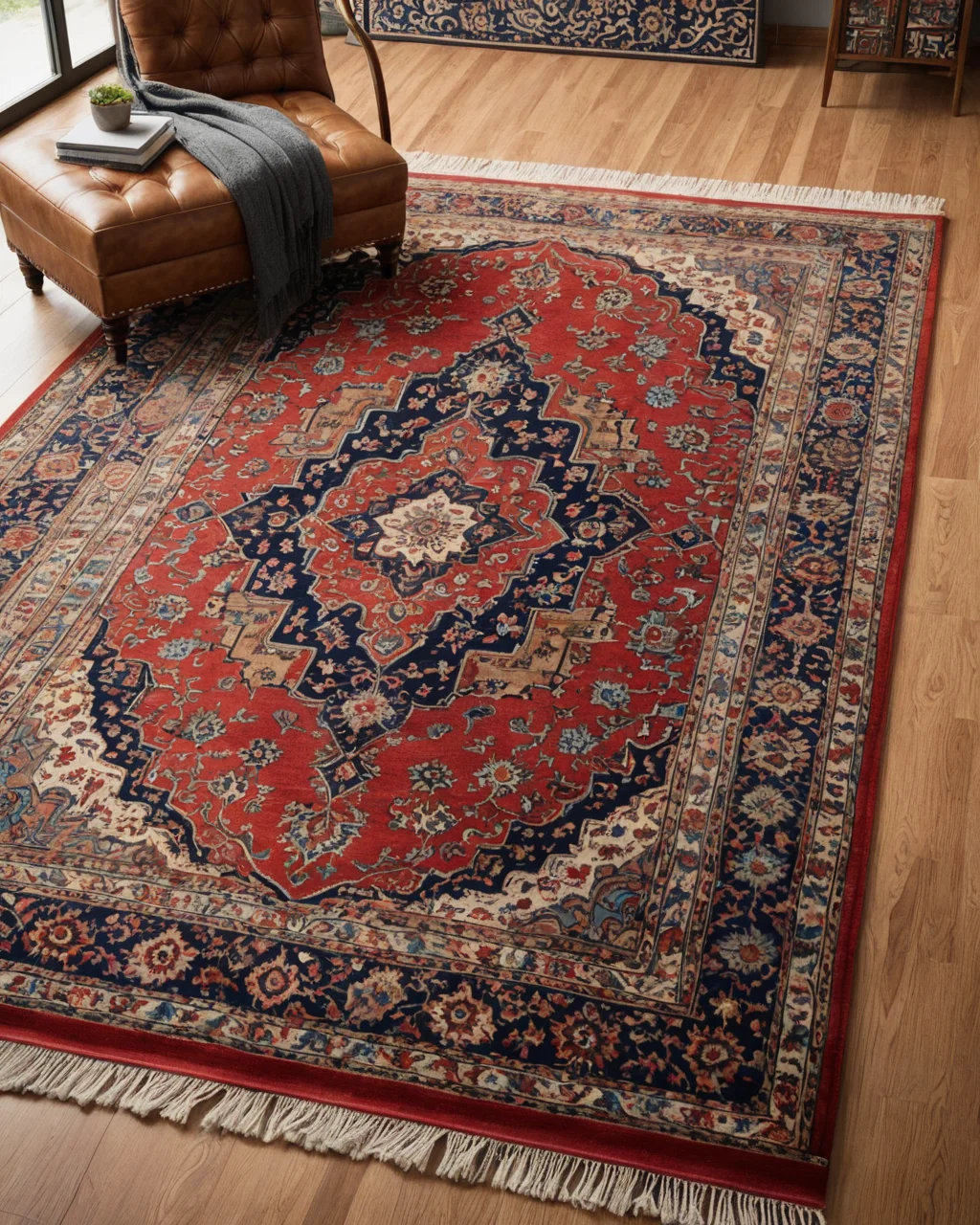
Carpets hold a special place in Feng Shui, and for good reason, as they are an integral part of many interiors. Since ancient times, they have served not only as decorative elements but also as energy conductors, influencing the atmosphere in the home. In the culture of Eastern countries, carpets were made using various symbols and patterns, each intended to bring a specific energy into the space. For example, traditional Persian carpets are filled with symbols associated with abundance and harmony. Considering the wisdom of our ancestors, it can be said that an incorrectly chosen carpet can not only disrupt harmony but also make you feel uncomfortable in your own home.

Read more

Feng Shui and the Secrets of Zodiac Signs

Feng Shui: The Foundation of Harmony in Space

  • The History of Feng Shui and its Influence on Daily Life. The study of Feng Shui began in ancient China and was initially associated with choosing locations for building houses and burials. Over time, this practice became ingrained in daily life, permeating various activities and even the spirit of modern cities. Feng Shui has become not just a set of rules, but an art that helps achieve harmony and prosperity.
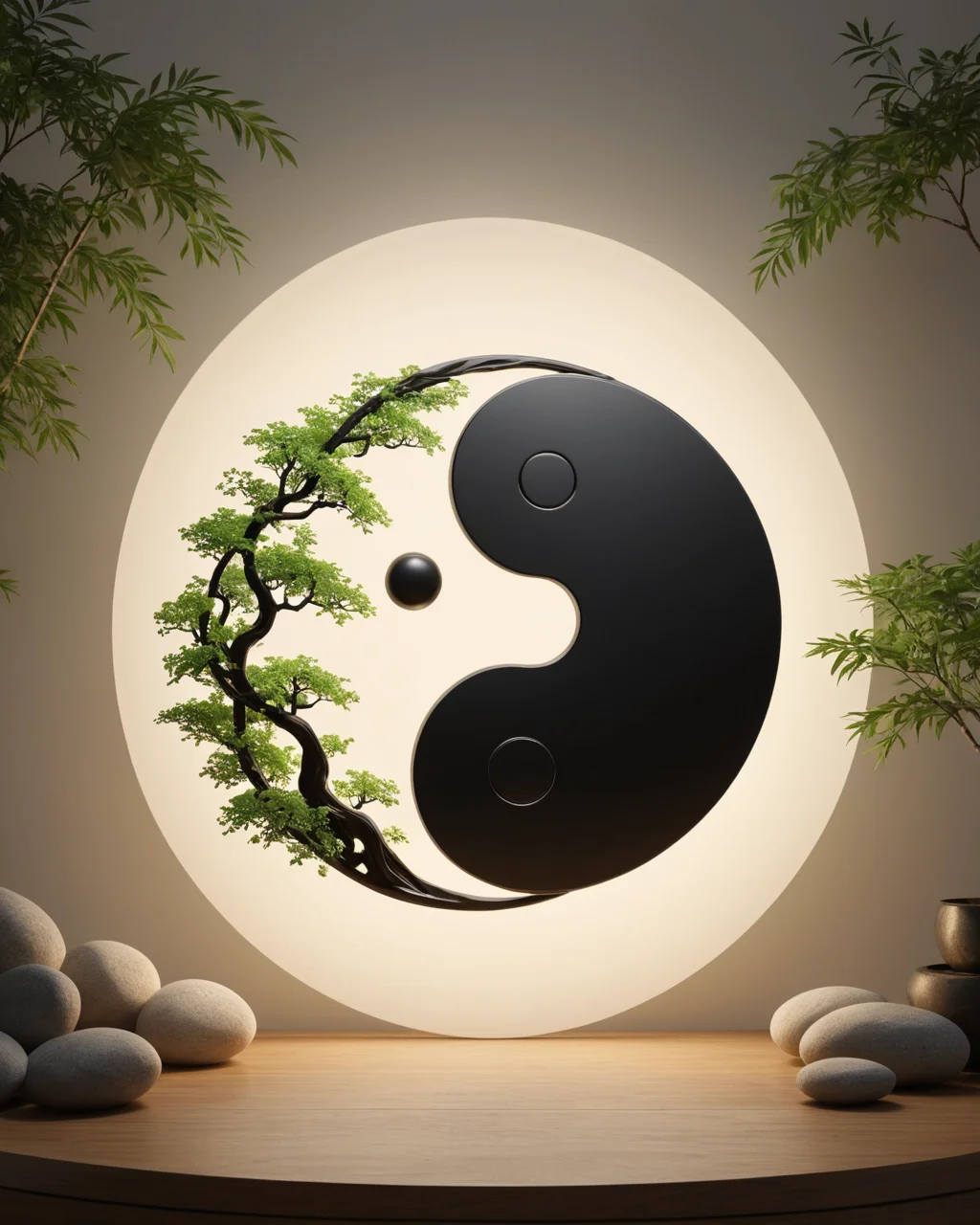
  • The Basic Principles of Feng Shui: Qi, Yin, and Yang. The central concepts of Feng Shui are Qi and Yin-Yang. Qi is the vital energy that fills everything around. It is believed that a properly organized space allows this energy to flow freely, which contributes to success and well-being. We live in a world full of contrasts: Yin is the dark, cold side, and Yang is the bright and hot side. The balance of these two energies is the key to harmony.
  • How to Properly Organize Your Space to Attract Good Fortune. To attract good fortune, you need to approach organizing your space consciously. For example, pay attention to order in your home: by removing unnecessary items, you make space for new energy. Remove old or damaged items from your home – they can block the flow of Qi and hinder good fortune. It is also helpful to place mirrors so that they reflect the positive aspects of your interior.

Read more

How to Choose a Phone Number for Financial Luck

The Power of Numbers: How Numerology Influences Success

  • Fundamentals of Numerology: How numbers affect our lives

From childhood, mathematics surrounds us – we count toys, learn the multiplication table, and ultimately wonder how numbers themselves can influence our destiny. Numerology is the study of the influence of numbers on human life. Each number has its own aura and can have a positive or negative impact. For example, the number 7 is considered a number of luck and deep spiritual discoveries, while 4, according to some specialists, can foreshadow difficulties and obstacles. Perhaps this is why some people choose phone numbers based on the belief that certain numbers bring luck. The universal law of numerology states: if you want to achieve success in life, the first step is to choose the right numbers. But how can these number intricacies help us in practical life? Consider that your life begins the moment you choose a phone number. Will this number be simple and familiar, or will it carry a secret meaning? Much depends on your preference.

Read more

Feng Shui Living Room in a Small Apartment for Relaxation

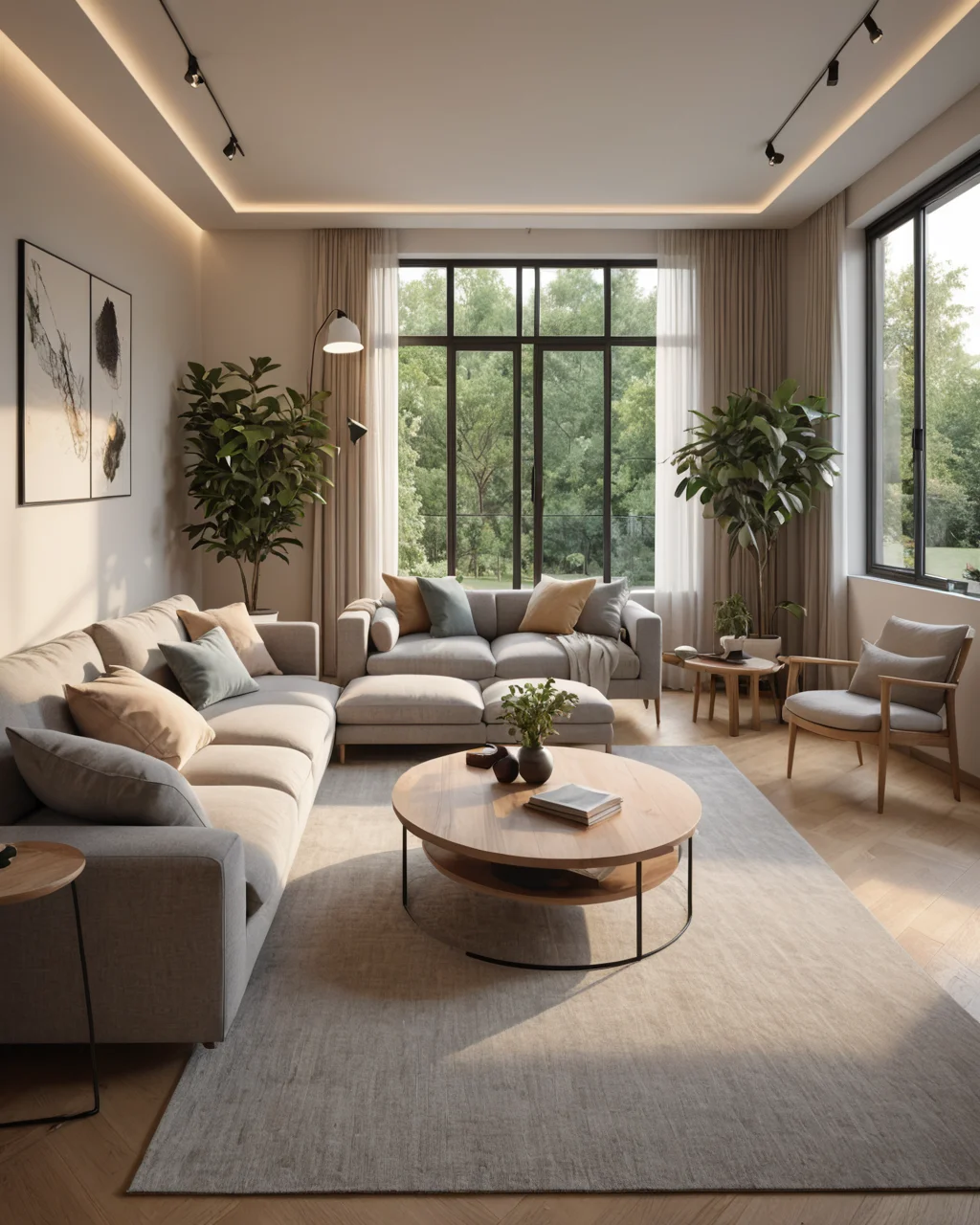
Each of us dreams of a cozy corner where we can relax after a long day at work. The living room is not just a room; it is a space filled with energy that can influence our mood and overall well-being. It is especially important to pay attention to Feng Shui if you have a small apartment where every detail matters. In this article, we will look at how to properly design a living room in accordance with Feng Shui principles to create an atmosphere of coziness and harmony.

Read more

Feng Shui for a Living Room in a Private House for Tranquility

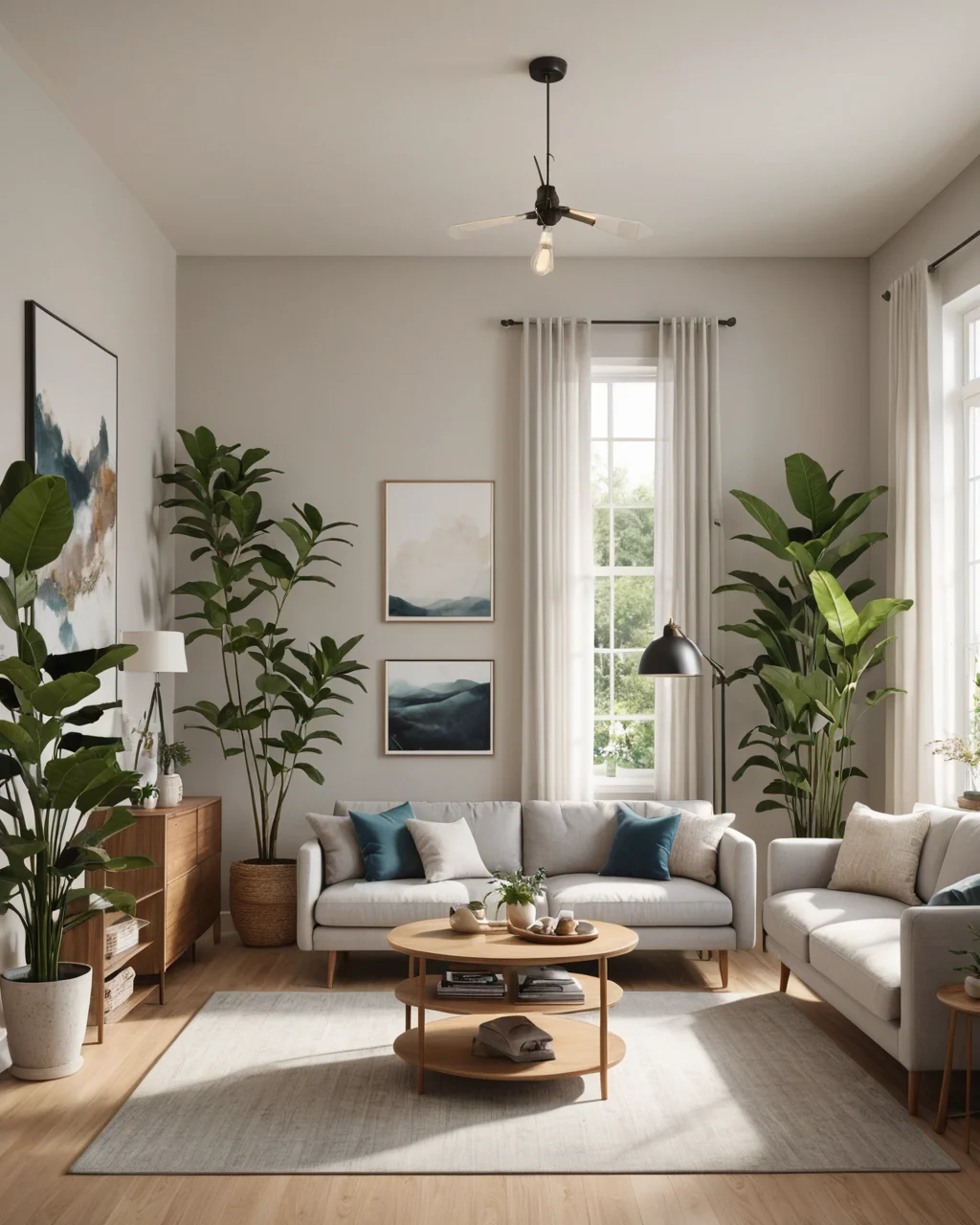
Feng Shui is the art of space organization that allows you to harmonize the energy of your home and create an atmosphere of peace and tranquility. At the core of Feng Shui lies the concept of Qi – the life force energy that permeates everything around us. It moves through space, creating a certain atmosphere, and your well-being and mood depend on this energy flow. If Qi circulates freely and harmoniously in your living room, it will be filled with positive energy, conducive to good communication and relaxation.

It is important to understand that each room has its own favorable and unfavorable zones. According to Feng Shui teachings, the northern part of the living room can be associated with career growth and professional achievements, while the southern part is associated with reputation and public recognition. Knowing these aspects, you can organize your space more effectively. For example, by placing elements that promote career development in the northern part of the room, you will improve your mood and work atmosphere.

It is also important to consider how different elements in the room can affect energy. If your living room has many dark corners or is overloaded with furniture, it can block the flow of Qi, leading to feelings of fatigue or depression. Ensure that there is light and space for movement in every corner, which will create a sense of freedom and lightness.

Read more

Feng Shui and the Influence of Metal Detectors on the Earth

Feng Shui: A Philosophy of Harmony and Energy

Feng Shui is an ancient Chinese teaching that explores the relationship between humans and their environment. The essence of Feng Shui lies in the harmony of the space we inhabit and the energy flows that surround us. It’s not just a set of rules, but a whole philosophy, implying that even the arrangement of objects in a home can significantly affect our emotional and physical state. Feng Shui actively uses concepts such as qi – the vital energy that permeates everything around, and yin-yang – the principle of interaction of opposites. It’s important to understand that Feng Shui is not limited to indoor spaces; its principles are successfully applied in open areas as well, very often in specific contexts such as metal detecting.

Read more

Feng Shui and Energy in Social Networks: How to Create Harmony in the Digital Space

Feng Shui: Secrets of an Ancient Art

  • Basic Principles of Feng Shui and Their Importance for Energy. Feng Shui is an art according to which the position of objects in space influences energy flows. This philosophy implies that everything is significant: from the arrangement of furniture in a room to the landscapes outside the window. The main task of Feng Shui is to create the right balance of energy (Qi) and provide people with harmony, comfort, and a good mood. For example, the entrance door should be oriented so that Qi can enter the house unimpeded, bringing luck and well-being. Moreover, the foundations of the philosophy are based on the contrast of yin and yang – two contradictory but complementary forces. This is also considered in the context of group interactions.
  • Historical Context and Philosophy of Feng Shui. Feng Shui has a centuries-old history, its roots go back to ancient China, where it was used to determine the location of houses and graves. These tips were passed down from generation to generation, helping people realize how their environment affects their lives. Today, we find the implementation of this knowledge at the level of urban architecture and modern interior design. Interestingly, even the trend for open spaces, where there are no bulky partitions, is driven by the understanding of the need for free energy movement, which, in turn, is not at all characteristic of the style of the past.
  • How Feng Shui Affects Our Environment and Perception. We don’t always realize how much our environment affects our mood and behavior. A well-planned space creates peace and comfort, while clutter activates stress and anxiety. Feng Shui elements can also be useful in offices: proper lighting, comfortable furniture, and the correct arrangement of workplaces contribute to productivity. This is no longer just an Egyptian science, but a truly working concept that can change life for the better.

Read more

Feng Shui of the Southeast Sector in the House for Cash Flows

Feng Shui of the Southeast Sector in the House for Cash Flows

Feng Shui is an ancient art of space organization that helps create a harmonious atmosphere in the home. Each sector of an apartment or house has its unique characteristics, and the southeast sector is no exception. This area of space is considered one of the most important for attracting financial flows and prosperity. But what should one know about the southeast and how to activate it correctly? Let’s look at the basic principles of Feng Shui, as well as practical recommendations that will help make your home a source of financial well-being.

Read more