Carpets as Energy Conductors
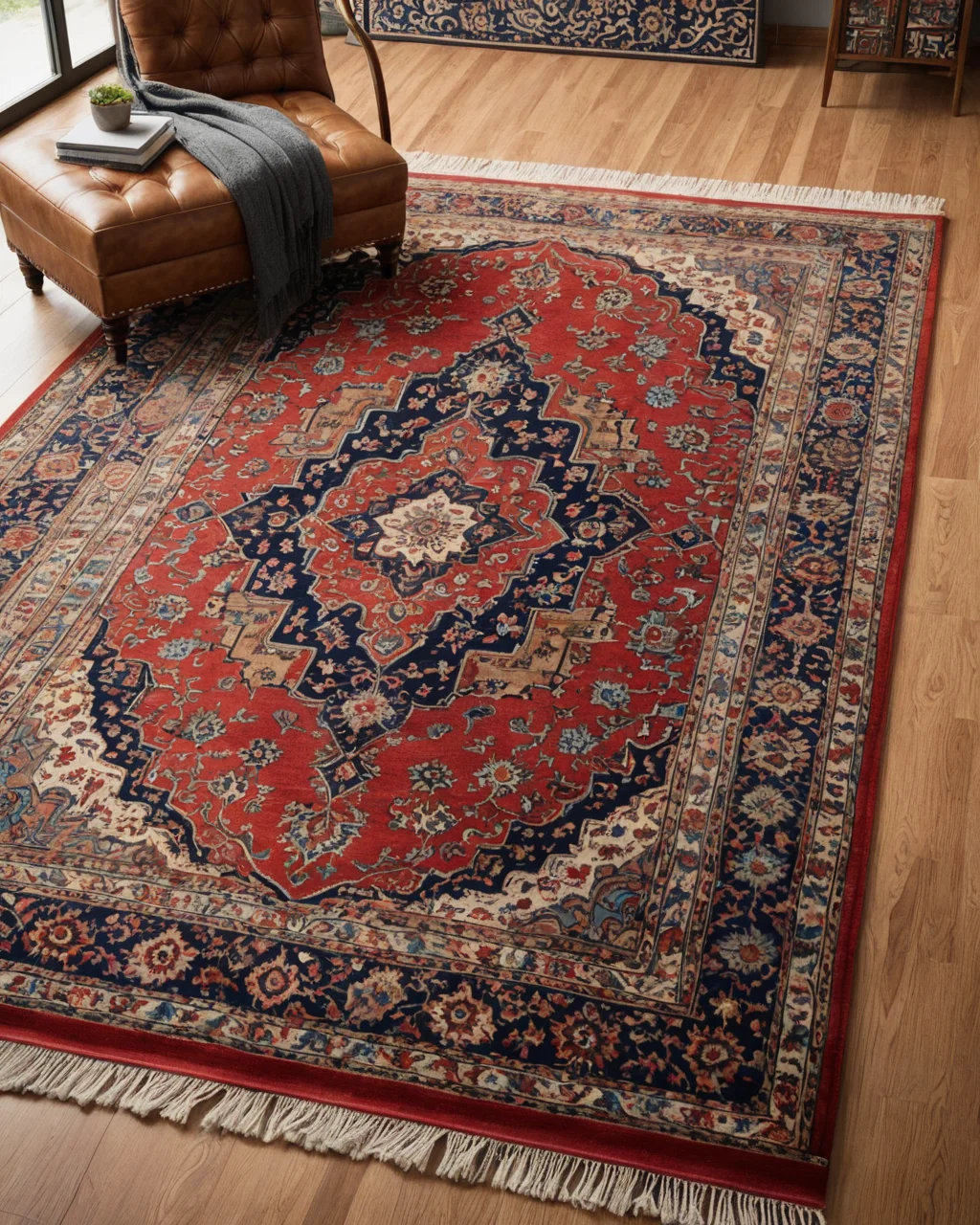
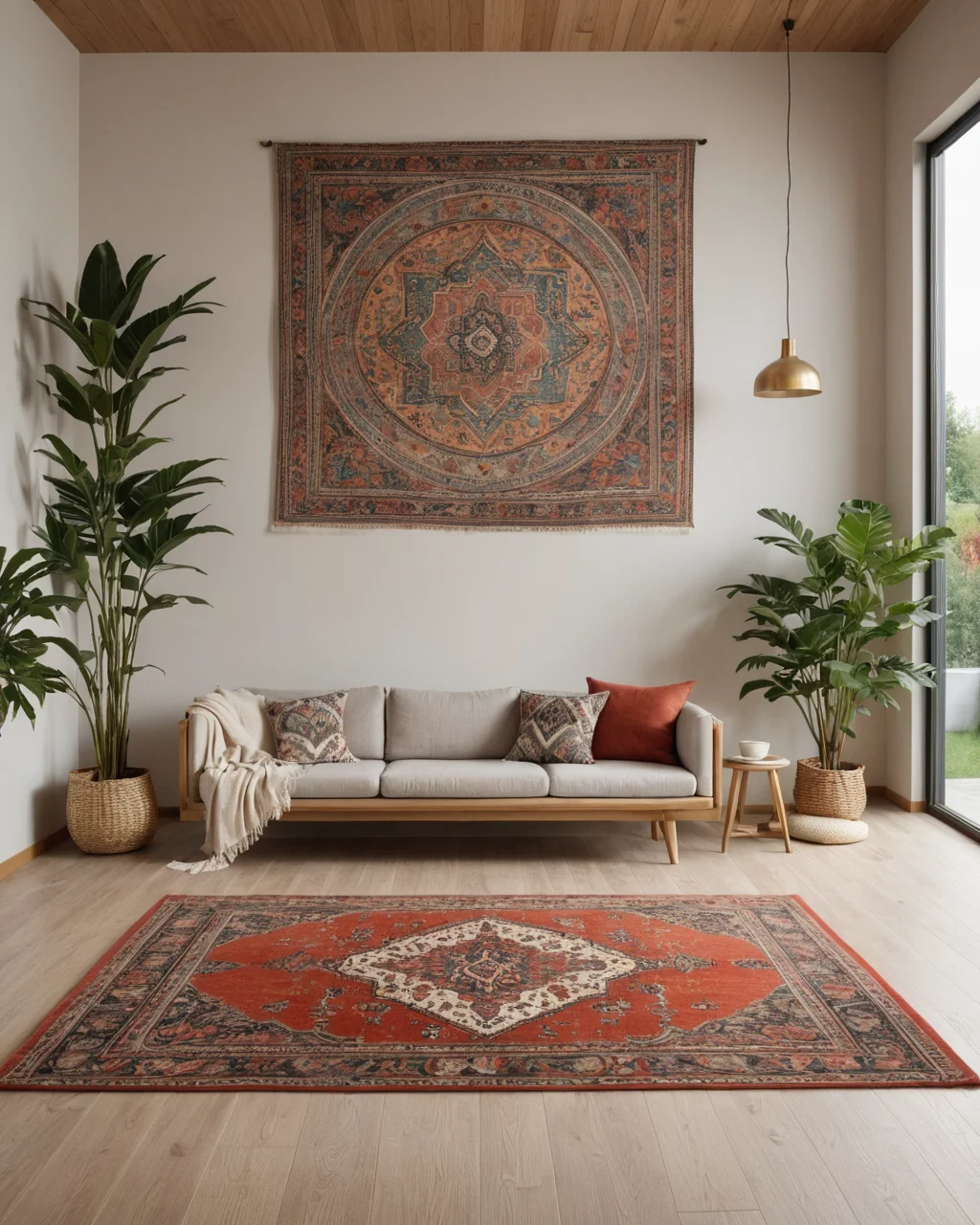
Carpets hold a special place in Feng Shui, and for good reason, as they are an integral part of many interiors. Since ancient times, they have served not only as decorative elements but also as energy conductors, influencing the atmosphere in the home. In the culture of Eastern countries, carpets were made using various symbols and patterns, each intended to bring a specific energy into the space. For example, traditional Persian carpets are filled with symbols associated with abundance and harmony. Considering the wisdom of our ancestors, it can be said that an incorrectly chosen carpet can not only disrupt harmony but also make you feel uncomfortable in your own home.
When it comes to the flow of Qi, it’s important to understand that carpets can either activate or block this flow. For instance, a large carpet with a bright pattern can attract attention and fill the space with positive energy, while a gray, monotonous carpet can create a sense of emptiness and stagnation, which in turn will affect your well-being and mood. Therefore, when choosing a carpet, always pay attention to how it affects the overall atmosphere of your space and, of course, yourself. In practice, it is recommended to focus on carpets that harmoniously align with your goals and desires, including the possibility of financial success or improvement in interpersonal relationships.
Textiles and Their Energetic Function
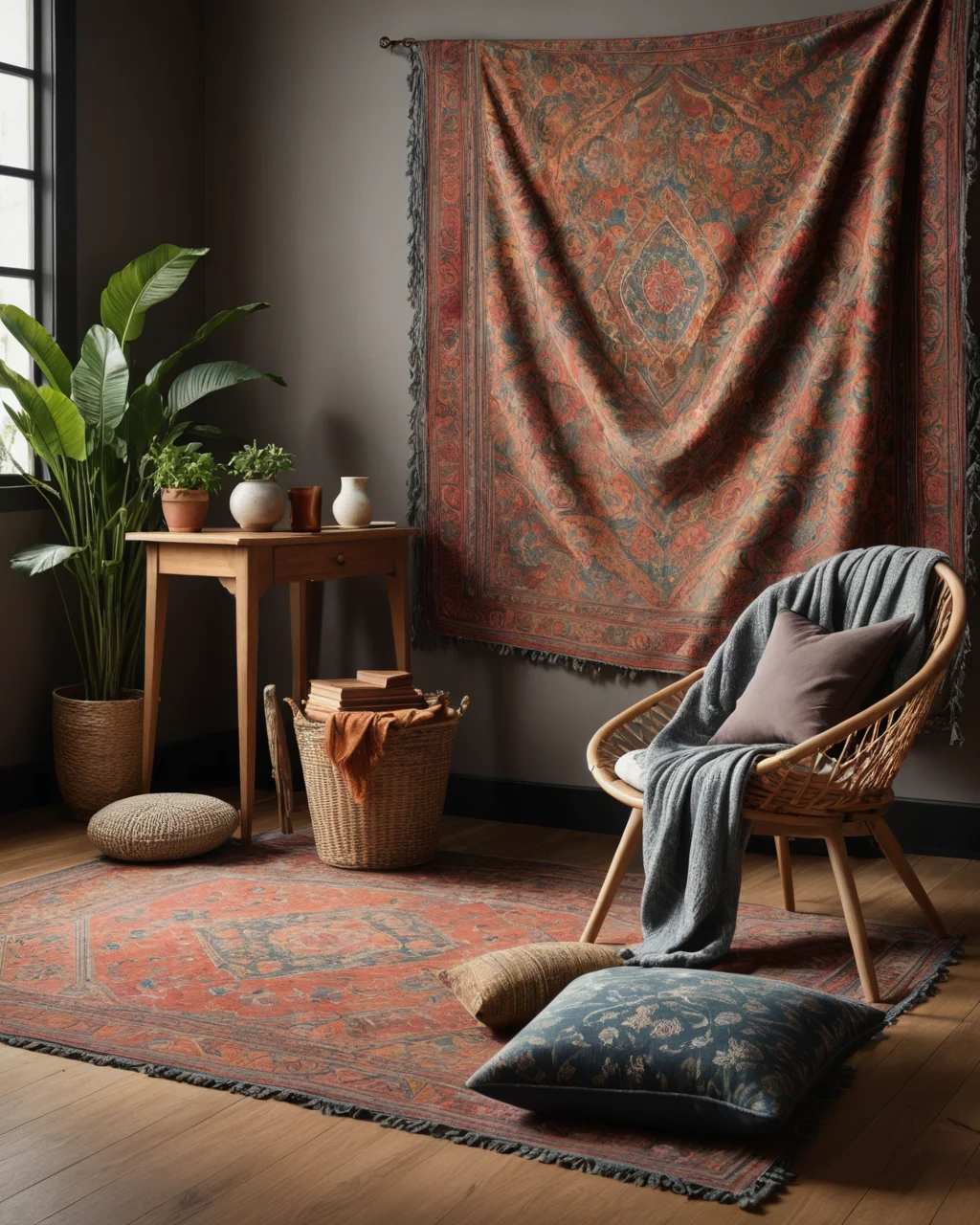
Textiles play an important role in creating coziness and the atmosphere of your home. When we talk about textiles, we mean not only carpets but also curtains, cushions, and tablecloths. Each chosen textile element can influence the energy of the space, adding uniqueness and creating the desired backdrop for your intentions. For example, light and airy fabrics, like a fine touch to your interior, can create an atmosphere of freedom and lightness, while dense and dark materials convey seriousness and solidity.
The color and texture of textiles also reflect your intentions in special ways. Smooth silk, reminiscent of holidays and successful events, can create an aura of celebration, while rough natural fabric can indicate health and naturalness. The choice of textiles in your home reflects your desires, settings, and prospects, so every detail should be chosen with wisdom and soul. Also, consider that different types of textiles can change the perception of your space: for instance, fibrous and warm fabrics create coziness, while smooth and shiny ones add modernity and style.
Harmony of Forms: Carpets and Their Geometry
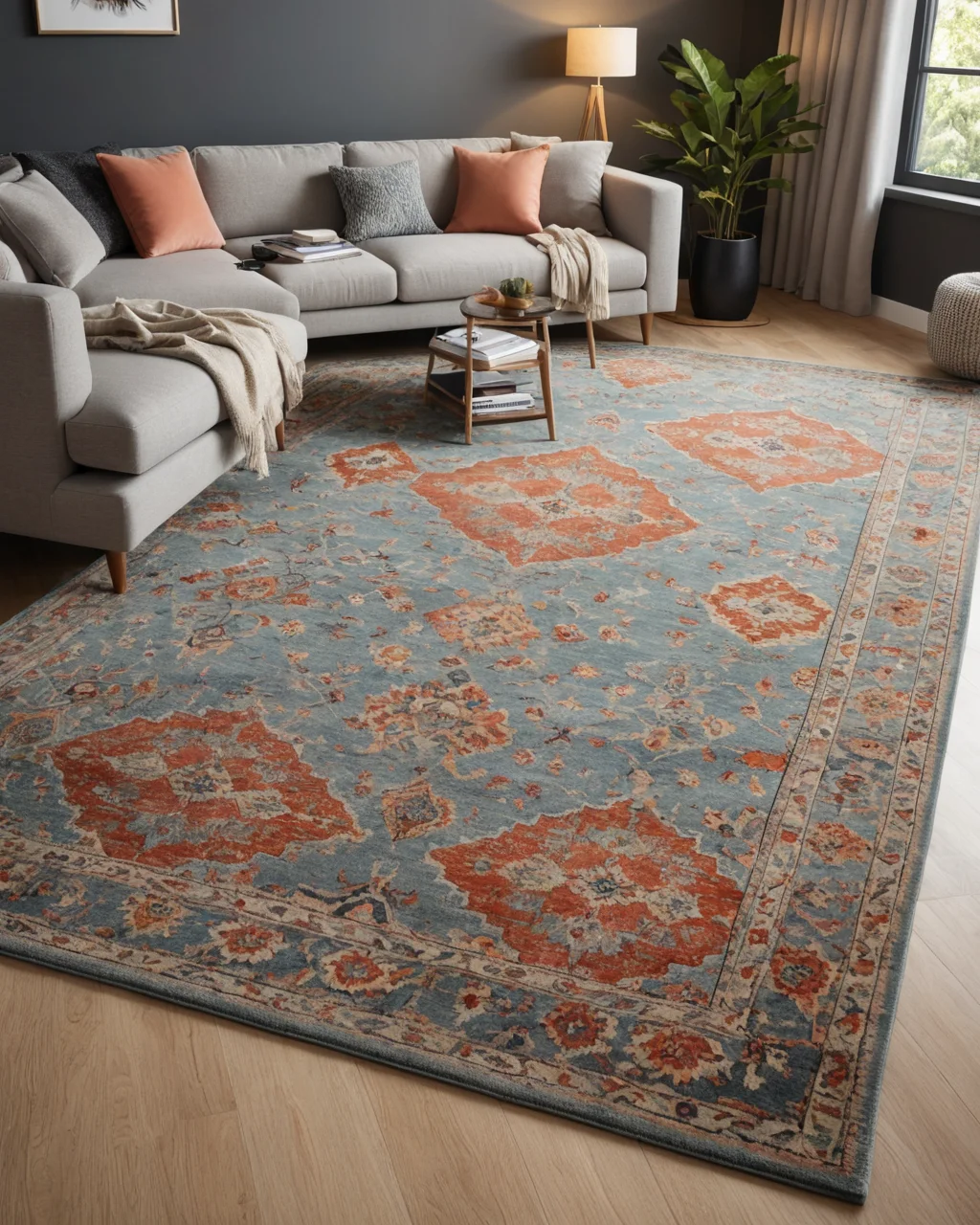
The shape of a carpet is as important as its color and texture. Each shape, each line, and each corner reminds us of something, creating specific associations in our perception. Square and rectangular carpets symbolize stability and order, so they are appropriate for use in work areas or places where concentration is important. Round carpets, on the other hand, bring harmony and balance to the space; they are perfect for areas where you spend time with family or friends.
When choosing the shape of a carpet, you should also consider its placement in the room. For example, in small rooms, it is better to use carpets of small sizes and cozy shapes that will not clutter the space and slow down energy. In large halls, however, you have the opportunity to experiment with different shapes and create zones for various purposes: for relaxation, work, or socializing. Don’t forget that the correct geometry of carpets will ensure optimal Qi flow, influencing the overall harmony of your space.
Color Palette: The Meaning of Shades
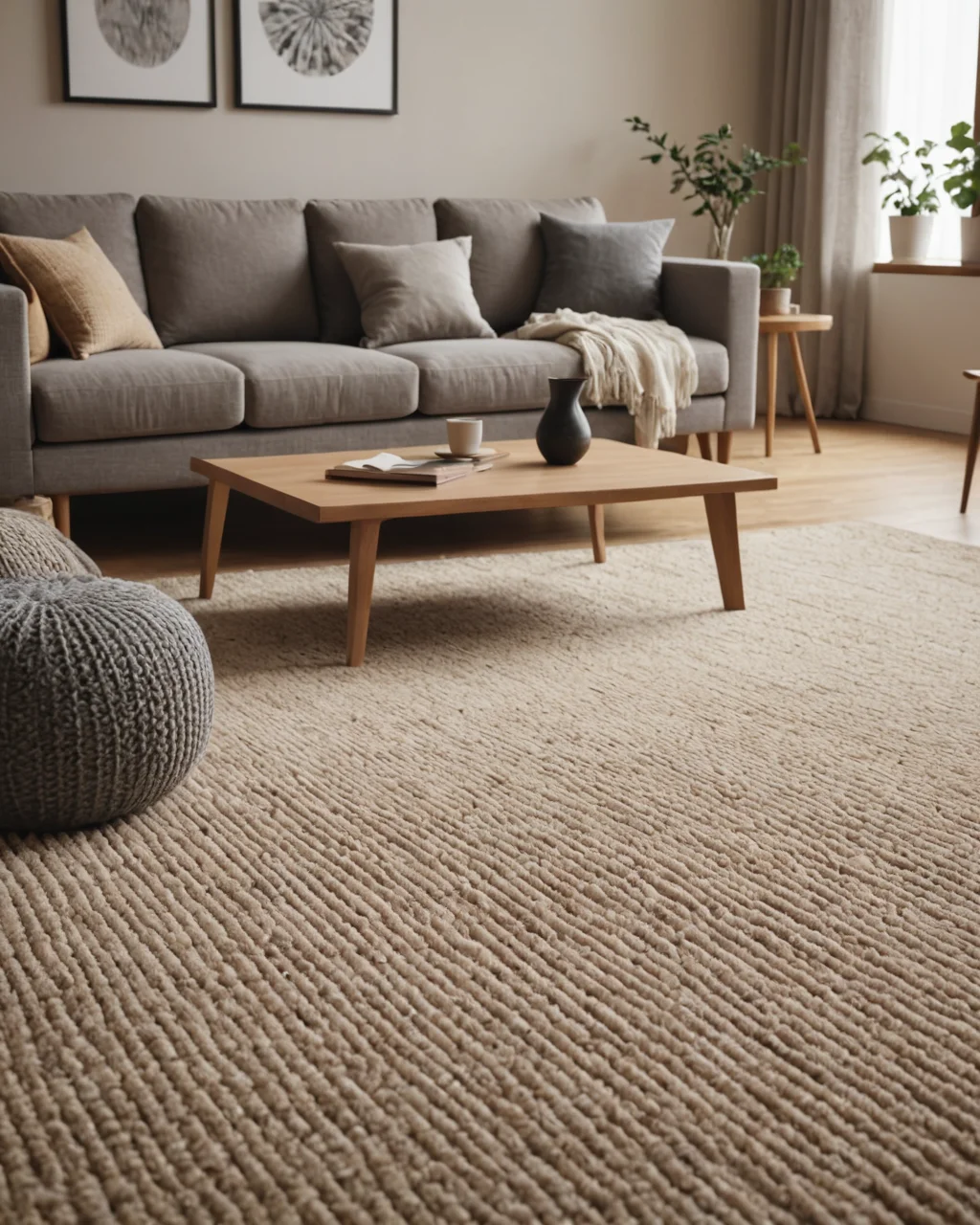
The color of a carpet is not just an aesthetic choice but also a powerful tool in combination with Feng Shui. Color psychology largely depends on your perception and associations, and each color can tune you into specific thoughts and feelings. For example, green symbolizes nature, renewal, and harmony, while red invariably evokes feelings of passion and activity. If you want to create positive energy, it’s best to opt for warm and light shades, such as yellow or orange.
It is also important to consider the purpose of the room when choosing the color of the carpet. The bedroom, for instance, requires calming shades – soft pastel colors will create the right atmosphere for relaxation and rest. For a workspace, more active and dynamic shades that stimulate action would be suitable. Understanding the meanings and influences of colors will help you create a harmonious environment that supports your life goals and priorities. If you are still in doubt, choose multi-colored options: they will always be appropriate and add visual interest to your space.
Materials and Their Energetics
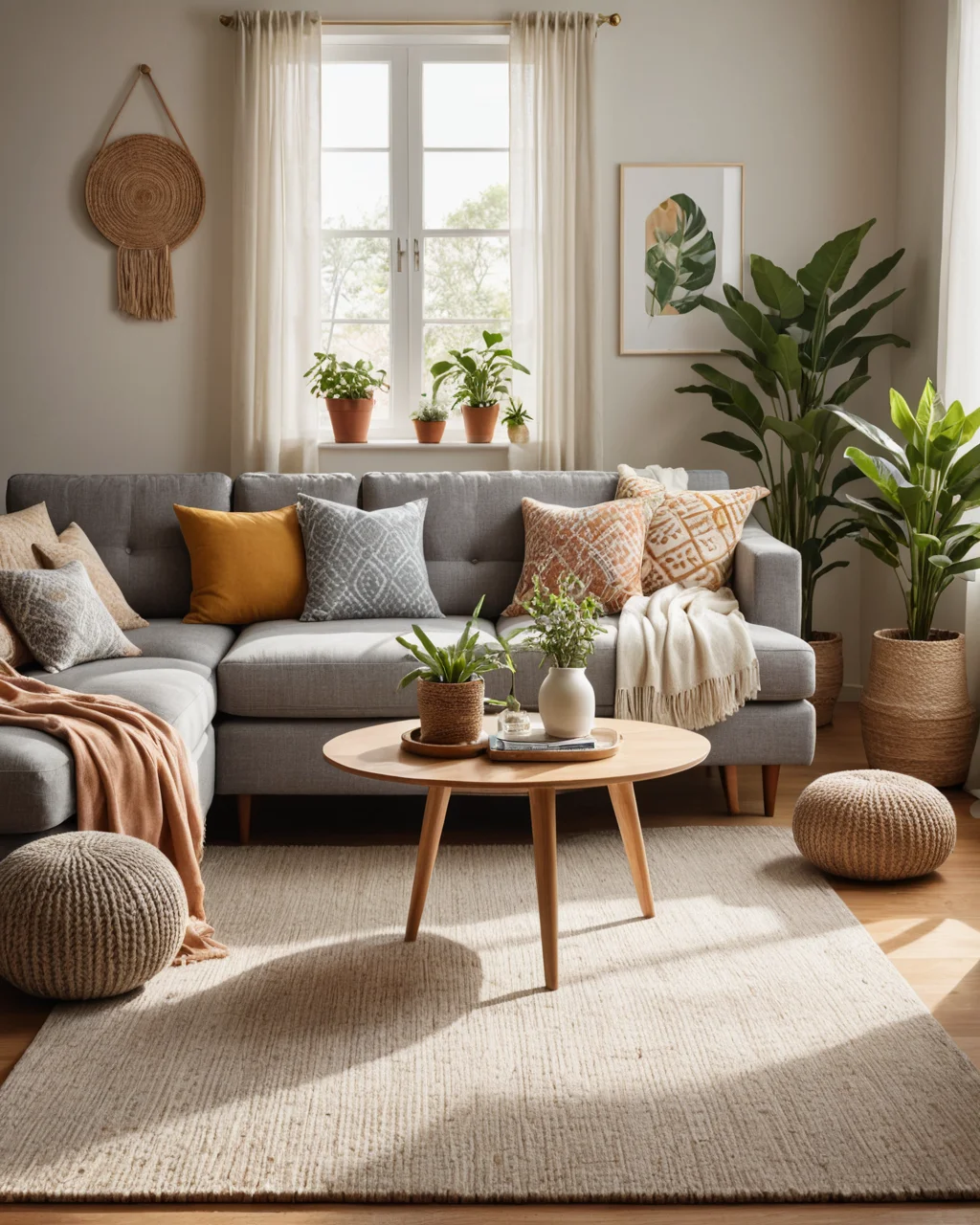
The materials from which your carpets and textiles are made have a significant impact on the atmosphere and your life as a whole. Natural materials, such as wool, linen, or cotton, are not only environmentally safe but also possess a certain energy that contributes to creating a comfortable and warm space. Synthetic materials, although convenient to care for, can have negative consequences, such as creating static electricity, which negatively affects your state and the atmosphere in the room.
Comparing natural and synthetic materials, we can highlight some features: for example, wool carpets are excellent insulation against cold and have the ability to retain heat, as well as hide minor dirt. Natural fabrics used to create carpets can breathe and have a beneficial effect on health, creating a comfortable microclimate in homes. Nevertheless, synthetic carpets can be more resistant to wear and tear and easier to care for, but they are often considered less attractive from an aesthetic and energetic perspective. The choice is always yours, but remember that nature always takes priority if you want to create a space filled with positive energy.
Carpet Placement: Practical Recommendations
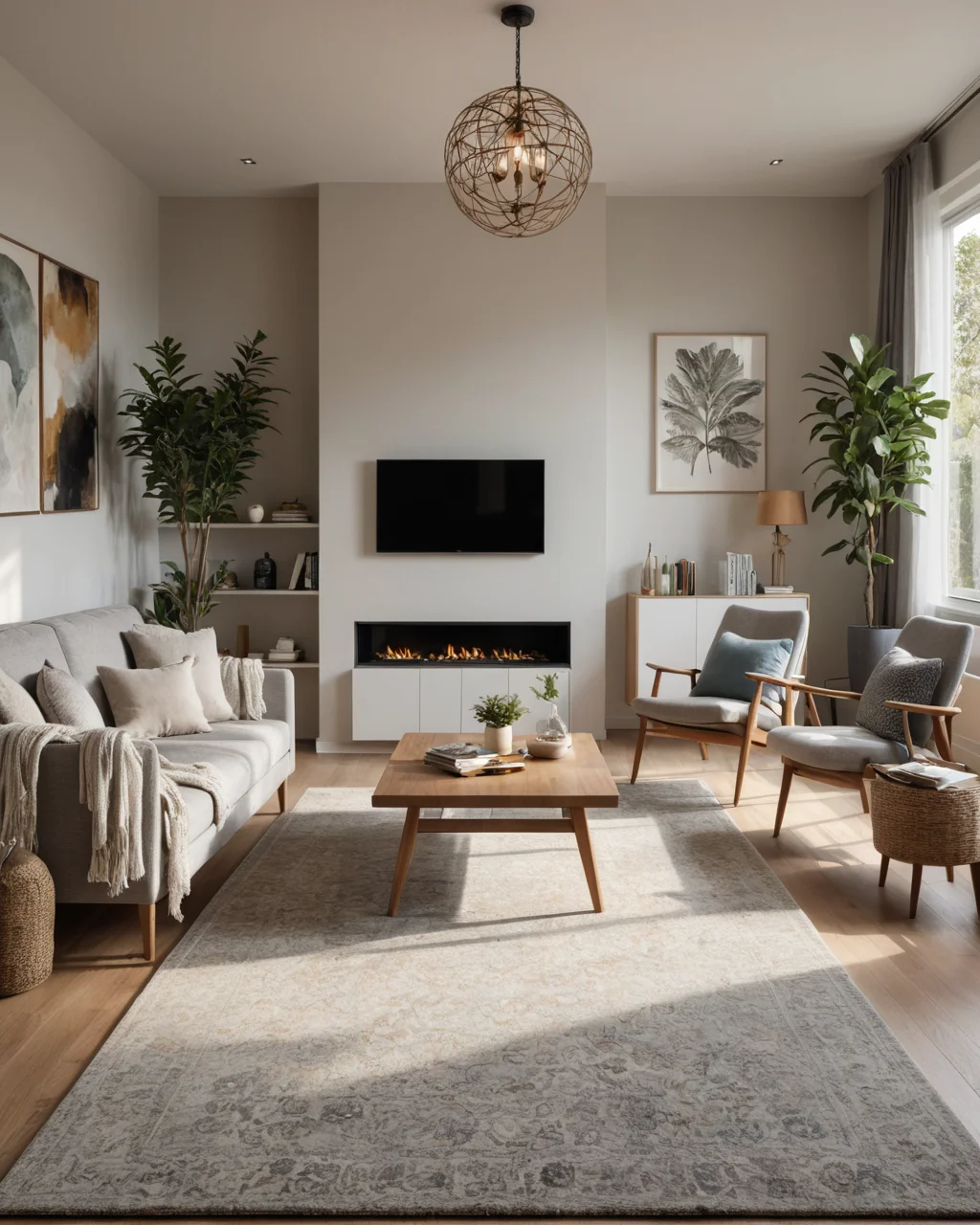
Proper placement of carpets in your home can significantly affect your comfort and psycho-emotional state. For example, in the bedroom, it’s better to place carpets near the bed to create coziness and a sense of security, which can improve sleep quality. In the living room, carpets should be laid in a way that they unite disparate groups of furniture, creating a harmonious space for communication and interaction.
There are several rules to consider when placing carpets:
- The carpet should “reside” in the area where the most Qi flows.
- Avoid carpets with aggressive patterns: they can block the flow of energy.
- Try to place carpets so that they do not obstruct pathways – this can lead to energy “stagnation.”
These recommendations will help you create an optimal environment for living and conducting business. Always remember that the space should be comfortable and pleasant for you and your family.
Carpet and Textile Care: Maintaining Energy
Caring for carpets and textiles is not just a duty but an important part of preserving their energy and vitality. Cleanliness, as is well known, is the key not only to health but also to positive energy. Dust and dirt can block the flow of Qi, so regularly clean your carpets and textiles. This is not as difficult as it may seem at first glance. Just follow simple tips: regularly vacuum your carpets, use drying and special cleaning agents, and sometimes deep cleaning.
Furthermore, it’s important to remember how to properly care for textile products so that they last long and retain their energy. Be mindful not to use harsh chemical agents when washing, as they can negatively affect the atmosphere of your space. Use environmentally friendly products that will help maintain peace of mind and health. And don’t forget to occasionally walk barefoot on your carpets – sometimes good energy comes from the joyful sensation of soft texture underfoot.
As a result, caring for carpets and textiles is not only a physical concern for the home but also an attempt to preserve its energetic integrity. Keep your life clean and harmonious, and perhaps luck and positive energy will come to your home.