Feng Shui Basics: What It Is and Why It Matters
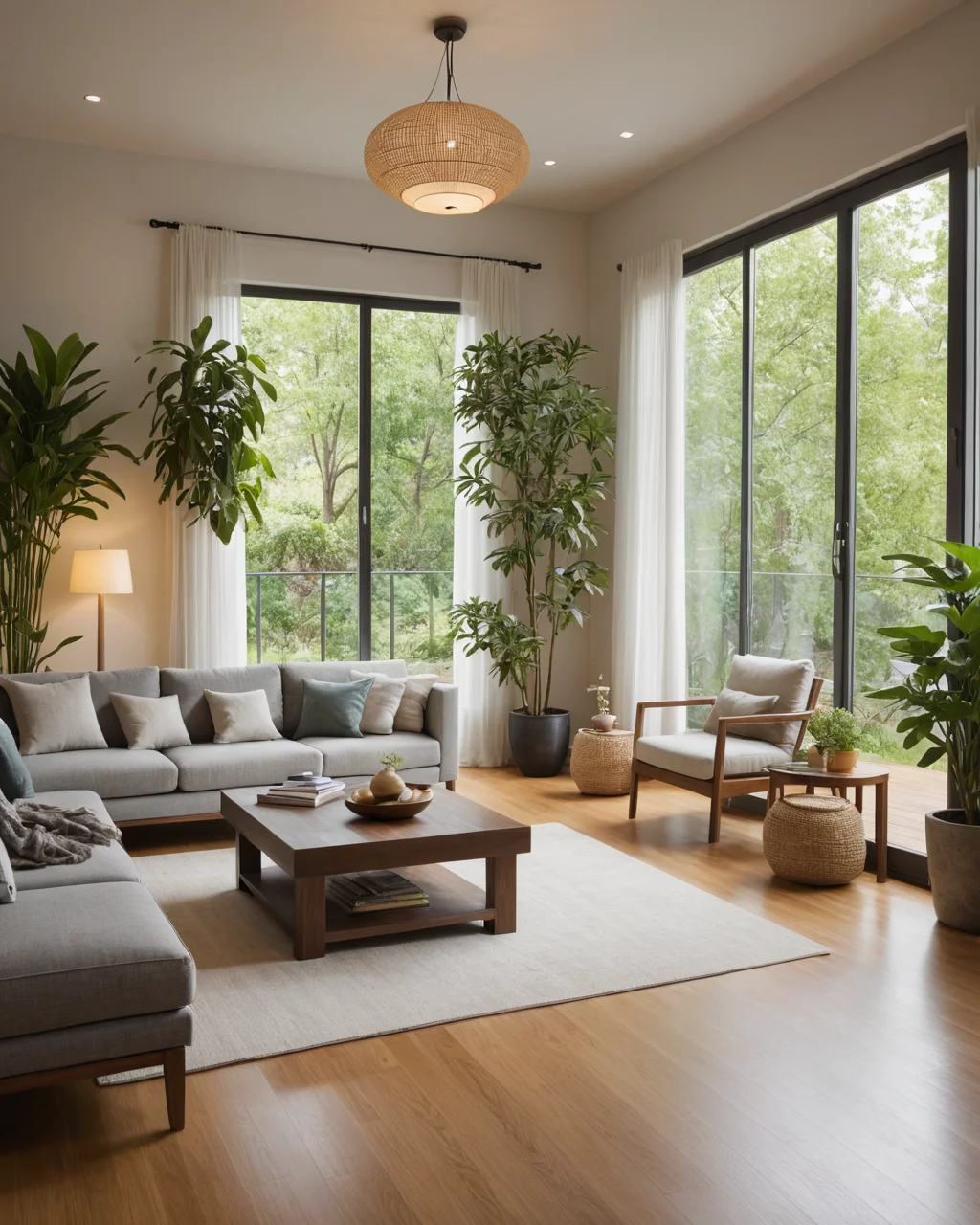
Feng Shui is not just a trendy word, but a true philosophy that has come to us from ancient China. It is based on the idea that everything in our surrounding world is filled with energy, or “qi.” And this energy determines how we feel in our homes and offices. Feng Shui studies the interaction of a person with their environment, helping to create a harmonious space that promotes happiness and well-being. It’s not just about moving furniture and arranging elements diagonally; it’s a deep understanding of how the world works and what place a person occupies in it. Feng Shui is also benevolent in that it pays attention to details. For example, the shape of furniture, its positioning, color – all of this can affect energy flows. If there’s an old and shabby sofa in the room where you spend a lot of time, you’re unlikely to feel comfortable there. Conversely, correctly chosen interior items, consistent with Feng Shui principles, can create an atmosphere conducive to relaxation and inspiration. What are the general recommendations for harmonizing space with Feng Shui? First, get rid of unnecessary clutter. It blocks the flow of qi and can cause negative emotions. The second point is to pay attention to the color palette. Calm and soft tones promote relaxation, while bright and saturated ones can lift your mood and awaken energy. It’s important to remember that Feng Shui is about balance and harmony, not strict rules. This is your space, and you determine its harmony.
Color Palette in Feng Shui: Key Principles
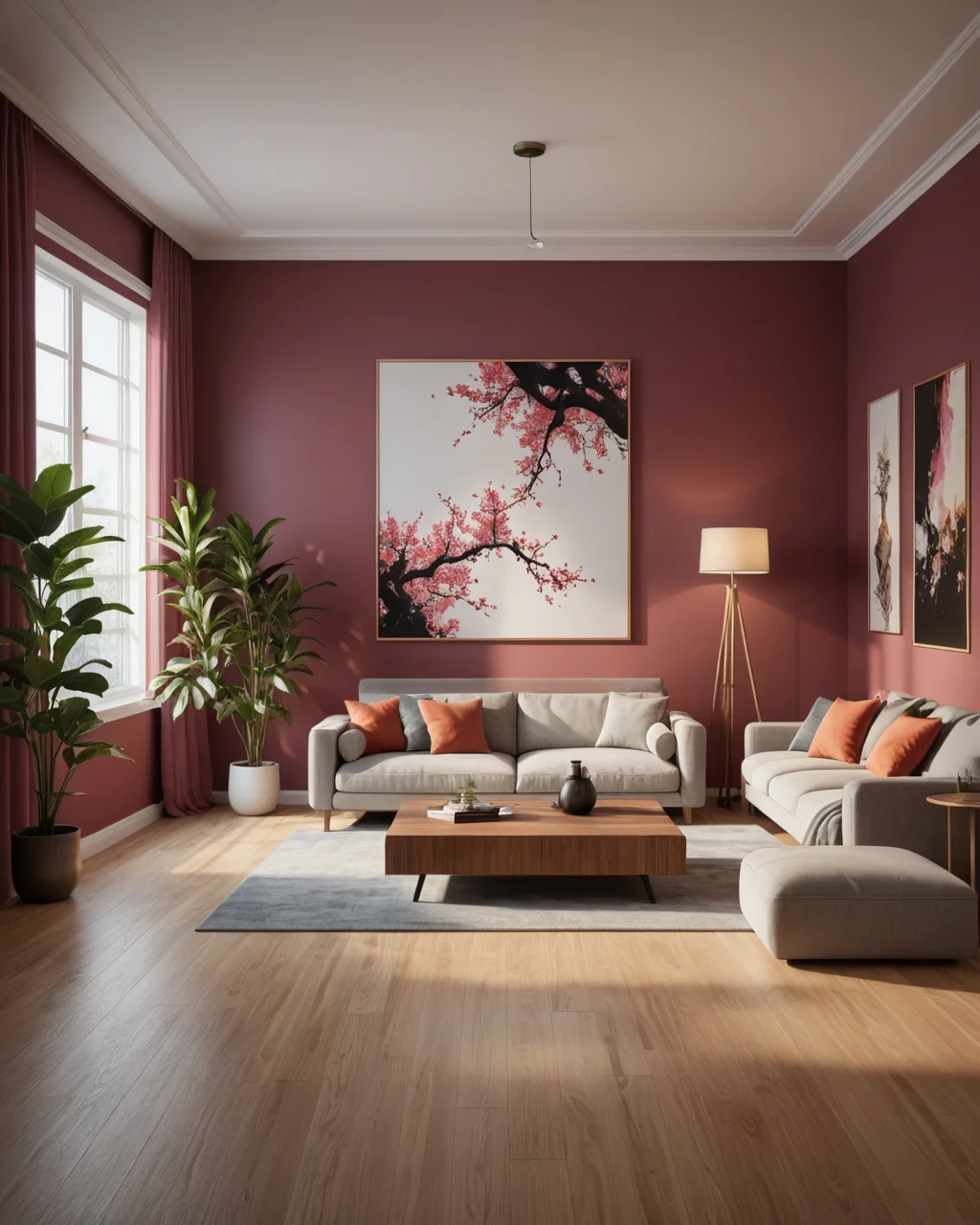
In Feng Shui, colors are given special importance, and each of them has its own unique symbolism and energy. For example, red is associated with energy, passion, and luck, while blue is associated with peace and harmony. Knowing this, we can use colors to adjust the energy flows in the rooms where we spend time. Color psychology has long proven that certain shades can evoke specific emotions in a person. For instance, green is the color of nature and growth; it promotes concentration and tranquility, making it ideal for the kitchen or workspace.
- In harmony with nature – this color is often associated with renewal and hope.
- Yellow, symbolizing the sun and joy, has an excellent effect on kitchens and dining rooms. It brings positivity and vigor.
- Black and gray colors are best suited for accent furniture and decor items, contributing to depth and elegance.
Thus, the color palette will affect not only the visual perception of the interior but also internal feelings. It’s important to consider not only personal preferences but also general rules for combining shades. Moreover, excessive use of bright and dark tones can lead to a dull, heavy atmosphere. Choosing soft and neutral shades with accents will help achieve the desired balance, preserving the overall sense of light and space in the room.
Choosing Furniture by Color: Practical Recommendations
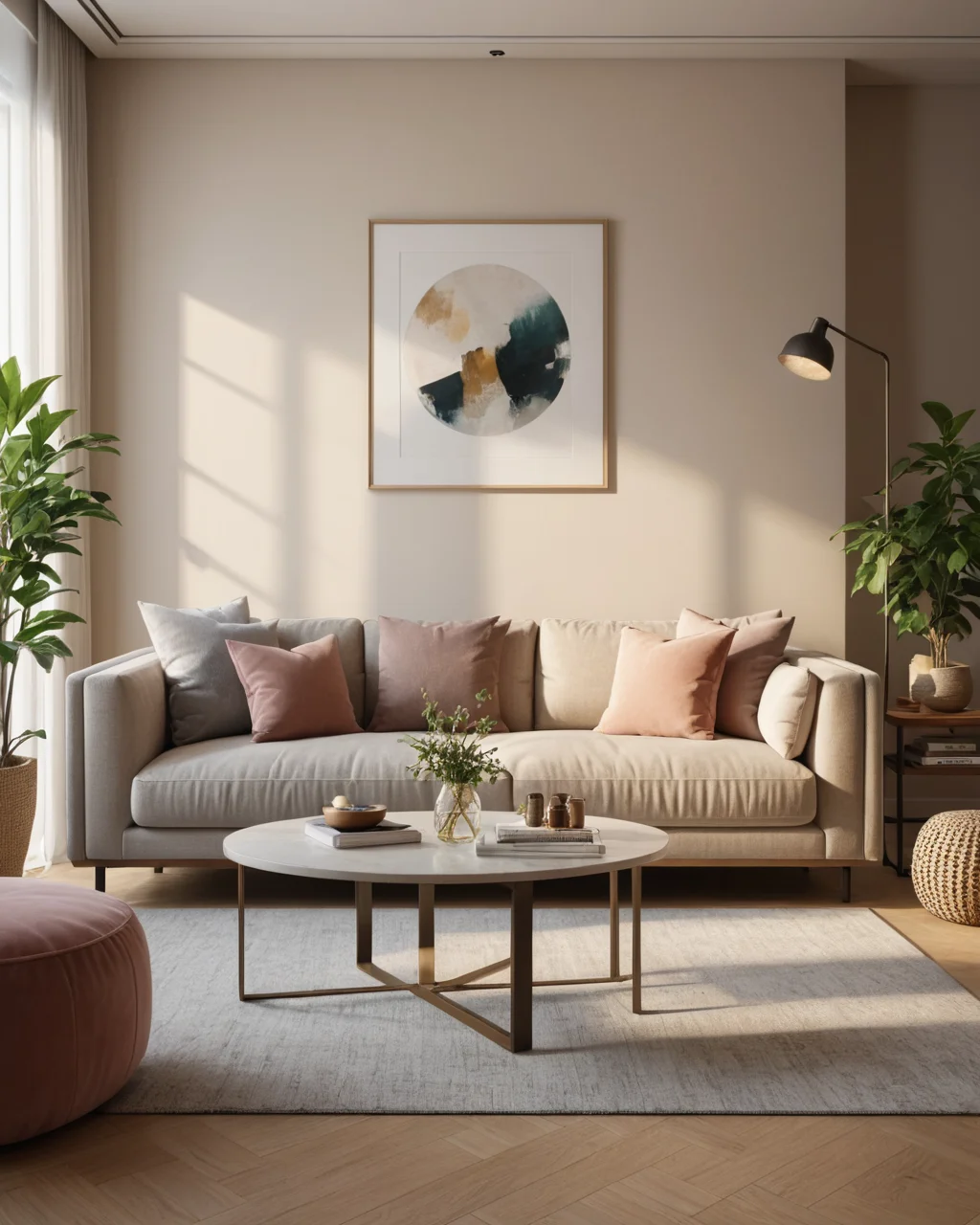
Choosing furniture that matches the interior’s color scheme is a unique art that lays the foundation for the feeling of space. There is no universal recipe, as each room has its own function and mood. For example, in the bedroom, it is recommended to use calm and warm shades – beige, pastel tones. They help to relax and prepare for sleep. For a home office, it’s better to choose more restrained and energetic colors – gray, blue, or green. These shades promote concentration and productive work. Mistakes to Avoid when choosing a furniture color scheme include excessive aggressiveness and contrast. For example, combining a bright red sofa with yellow walls will create an atmosphere of chaos and disorder, which will negatively affect the psychological state. It’s ideal to choose one or two dominant palettes and leave the rest of the shades for accents. Combining furniture with other interior elements also requires attention. It’s important to achieve harmony so that all items “talk” to each other and emphasize a unified concept. For example, if there are wooden elements in the room, it’s better to choose furniture with wooden finishes or in neutral tones that won’t conflict with the main design.
Energy and Color: Which Shades for Which Purposes
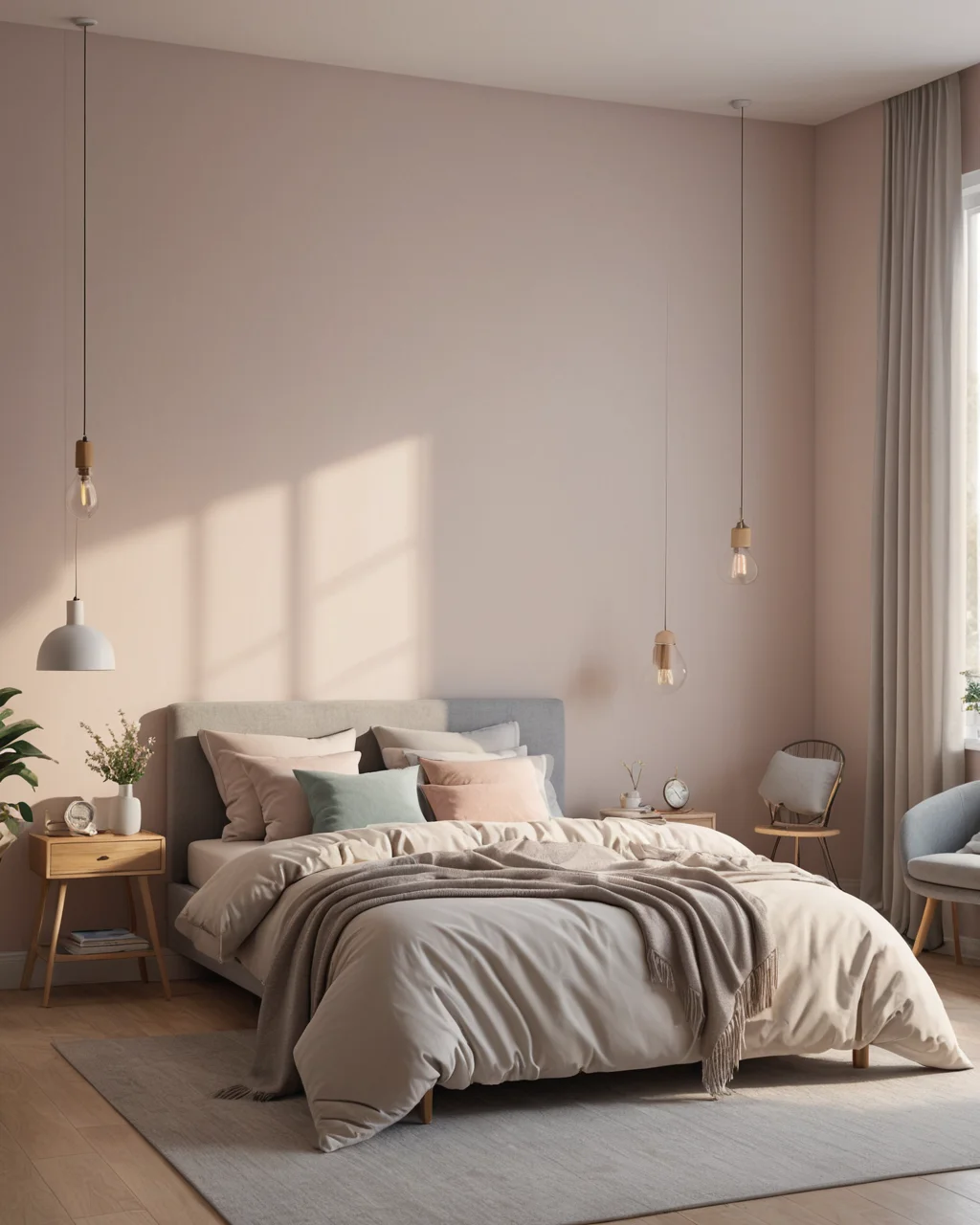
Now let’s move on to a more practical aspect: how exactly to choose shades for different rooms so that they truly work for energy. Calm and neutral colors are ideal for the bedroom, where sleep and tranquility are important. In this case, pastel tones, light blue, or beige are your best choice. For living rooms, brighter and richer colors are suitable, such as dark blue or emerald green, which help create a sense of “depth” and “volume.”
- Energetic shades for the workspace, as noted earlier, are best chosen in blue and green tones – they promote concentration and do not cause headaches.
- Bright palettes for children’s rooms, such as pink or yellow, will create a joyful and playful atmosphere, but it’s important to ensure it doesn’t become too aggressive.
- Brown is excellent for living rooms; it helps create coziness and warmth in the atmosphere, as it is the color of the earth.
It’s important to remember that even within the same room, different color schemes can coexist if they are properly balanced. For example, by accentuating one wall with a dark color, the rest can be decorated in light tones. This will make the space more interesting and multifaceted, while the main color will set the overall mood.
Furniture and its Placement: Harmony and Balance
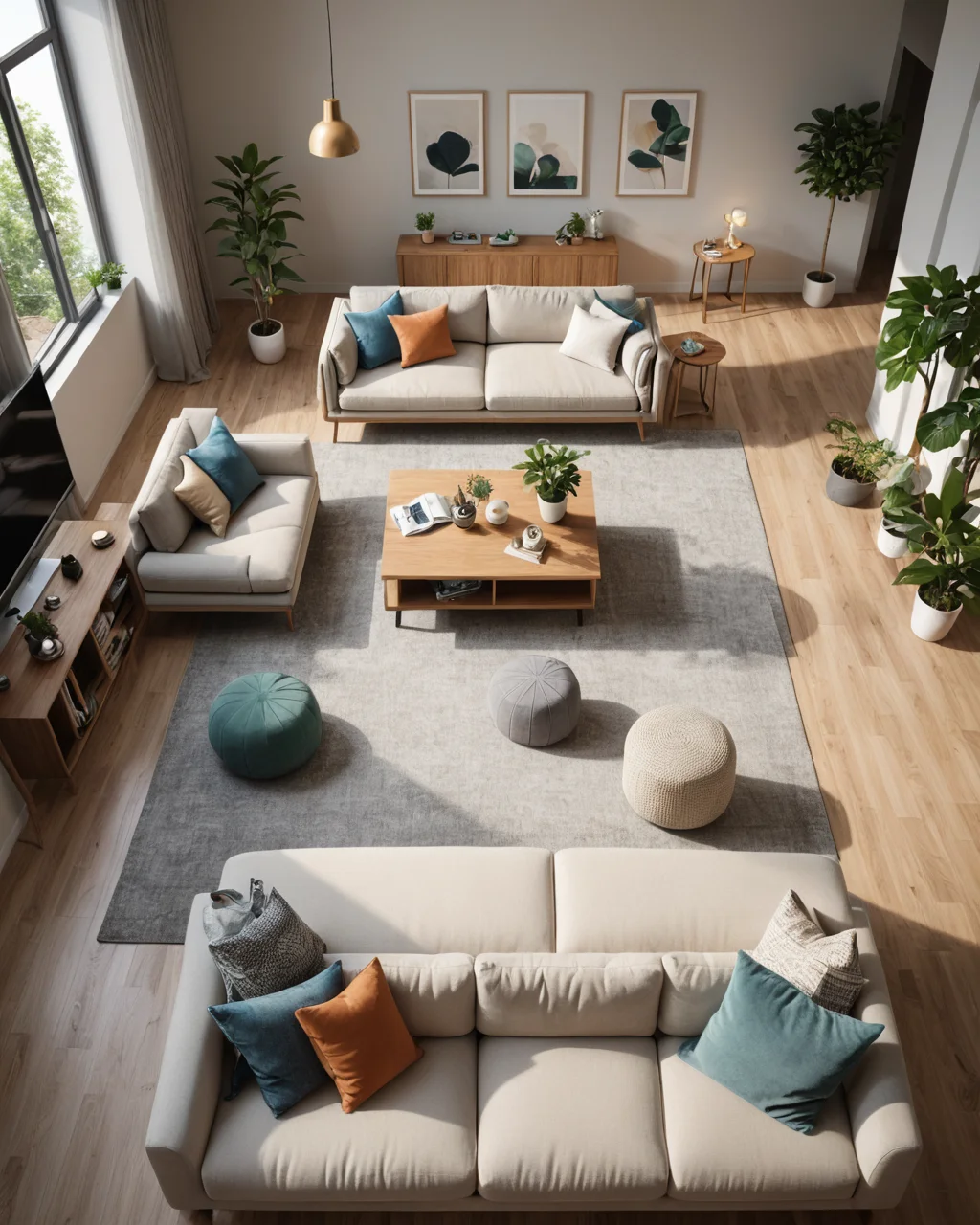
When it comes to furniture placement in an interior, it’s worth considering not only color but also several general rules. Proper arrangement of furniture can significantly affect the overall atmosphere of a space. For a living room, for example, it’s better to leave the central area free to avoid a feeling of overcrowding and disharmony. At the same time, color shades must be considered: if a dark-colored sofa is placed in a corner, it’s necessary to use light or neutral items to maintain visual balance. Since dark colors absorb light and can make a room less cozy, it’s important to integrate them into the overall decor. It’s important to remember that the texture and materials of furniture also play a significant role in creating a cohesive picture. Wooden elements create a sense of warmth and stability, while metallic or glass ones can add modernity and lightness. Divide the space using textural solutions to create an interesting look without overcrowding the space. Soft fabrics, such as velvet or silk, can add luxury and coziness, while cool surfaces, such as glass and metal, are suitable for stylish minimalism.
Seasonal Changes in Furniture Color Palette
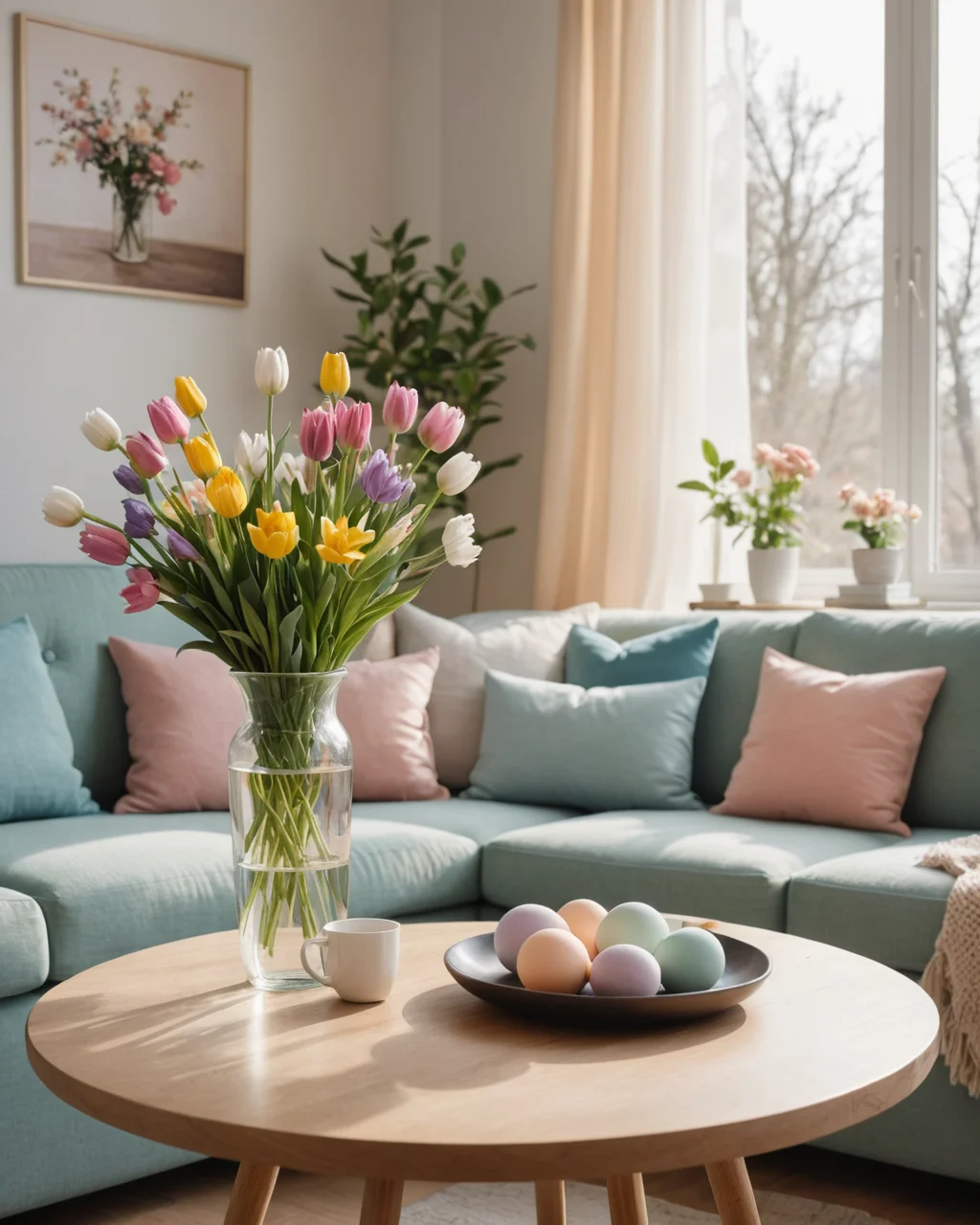
It’s no secret that different seasons require a different approach to interior design. Spring and summer often use bright and fresh palettes that lift the mood and fill the space with lightness. During this time of year, light and bright shades, such as lime green or soft blue, are relevant, which will help activate positive energy. In autumn, when everything around becomes gloomier and colder, you can add warm tones, such as terracotta or mustard yellow, to remind you of sunny days and create coziness indoors.
- Example of seasonal decorating: in winter, you can add soft textures and dark shades, creating an atmosphere of coziness and warmth.
- One interesting option is to use pillows and throws – they are very convenient to change depending on the season.
- Don’t forget about plants: they not only decorate any space but also refresh it, bringing variety to the color palette.
Thus, adapting the color palette according to the time of year is a great way not only to please yourself but also to create harmony in your space. It’s actually not as difficult as it might seem!
Practical Examples: Successful Combinations of Color and Furniture
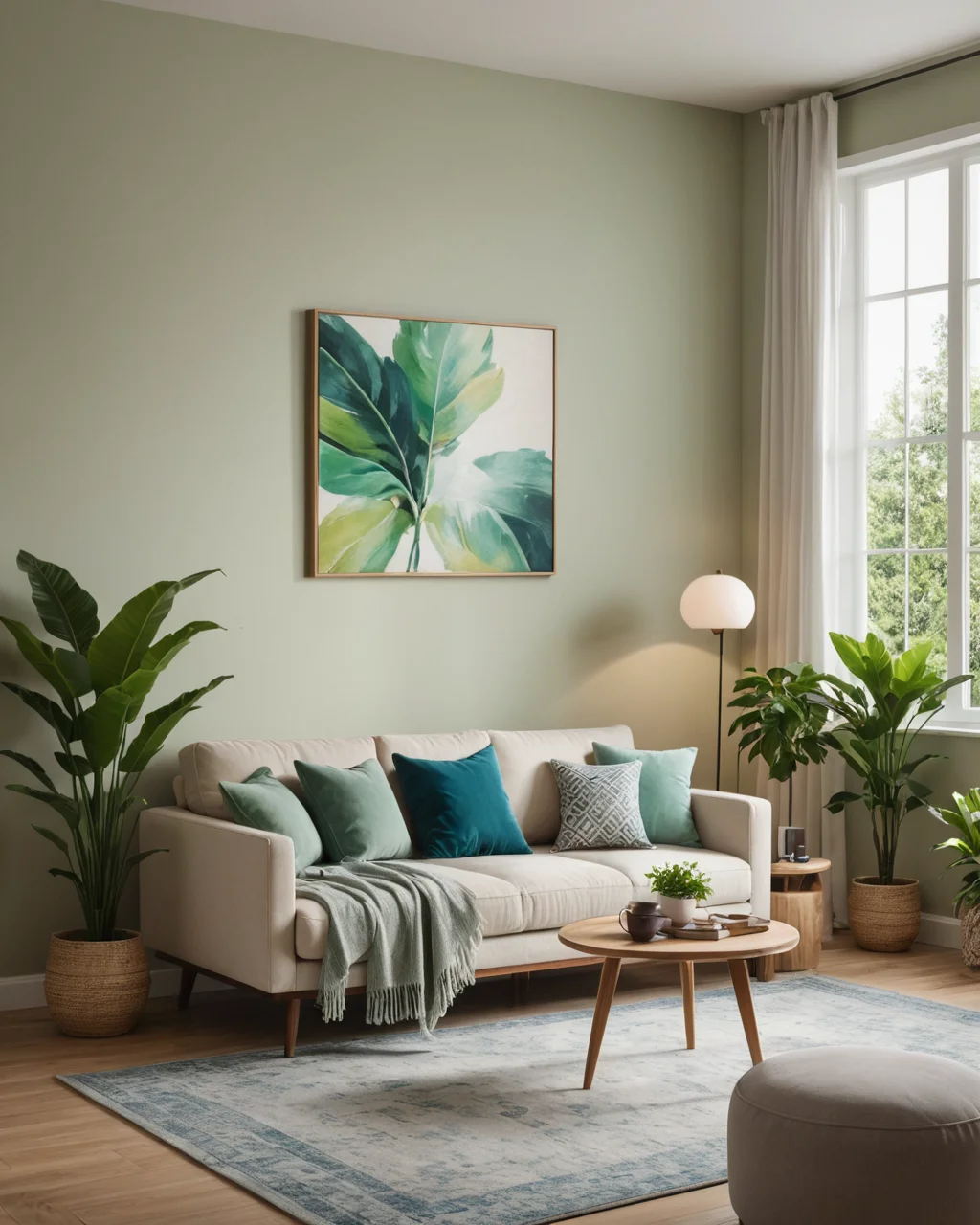
If you’re still unsure about your decorating skills, let’s look at a few successful examples. Often, stories of interior transformations with the help of Feng Shui inspire changes and show how colors can be used to create unique spaces. For example, in one apartment in the city center, they decided to change the color palette based on Feng Shui.
- Space optimization: adding green accents to the decor, which helped create a sense of freshness.
- Color combinations that worked: warm beige with bright accessories, which created a cozy atmosphere.
- Secrets of successful case studies: using various textures and combinations of elements that make the space more interesting.
This clearly shows how important it is to think through color combinations and not be afraid to experiment. Sometimes, to update an interior, it’s enough to replace a few pieces of furniture or add bright accents to an already familiar color scheme. Don’t forget that space is a reflection of your essence, and it should be comfortable for you.