
The topic of employee selection by date of birth sparks much debate and discussion. On one hand, a vast number of people believe in astrological influences on character and destiny. On the other hand, many consider it a mere myth without scientific basis. In this article, we will attempt to delve into this issue, exploring how birth dates can influence employee selection and whether this phenomenon is reality or simply fiction.
The Mystery of Birth: How Dates Influence Destiny
When it comes to selecting employees, many companies and HR specialists turn to astrology and numerology, trying to understand how a birth date can affect a person’s personal qualities. Astrology, which studies the influence of celestial bodies on our destiny, and numerology, which explores the symbolism of numbers, play a significant role in this area. Proponents of these disciplines claim that knowing a person’s zodiac sign or the numerical value of their birth date can help determine if a candidate is suitable for a particular position.
Historically, the use of birth dates for employee selection is rooted in ancient cultures. For instance, in Ancient Egypt and Mesopotamia, astrology was used to predict the future and choose the best dates to start new endeavors. In the East, especially in China, Feng Shui traditions are also based on birth signs and elements, allowing for the establishment of harmony and the creation of favorable working conditions.
In the modern world, more and more companies are turning to astrology as an additional tool in the employee selection process. This is often used in conjunction with traditional methods such as interviews and tests. However, the question of the real effectiveness of such an approach remains open.
A Scientific Perspective on Astrology and Psychology
The scientific community generally views astrology with skepticism. The psychological aspects of employee selection based on zodiac signs raise many questions. Studies show that in most cases, people tend to interpret information based on their personal beliefs and expectations. This phenomenon is called “confirmation bias.” For example, if an employer believes that people born under the Leo sign are natural leaders, they might overlook the shortcomings of such candidates, focusing only on their positive qualities.
A critical analysis of scientific research indicates that there is no convincing evidence that astrology truly influences a person’s personal qualities or behavior. Some scientists even argue that any coincidences are the result of chance and have no practical significance. Nevertheless, psychologists assert that astrological predictions can influence candidates’ self-perception. People who know their zodiac sign may adjust their behavior to stereotypes, which ultimately affects their work performance.
Thus, while astrology holds historical significance, scientific data does not support its use as a primary criterion for employee selection. However, many continue to rely on this method, and this fact should not be ignored.
Who Falls for It: Practical Examples

Among companies using astrological methods, one can find both successful examples and unfortunate stories. Some organizations, such as high-tech startups or creative agencies, claim that applying astrology in recruitment helps create more harmonious and effective teams. For instance, one company in Silicon Valley states that, based on the astrological characteristics of its employees, they have managed to assemble a team where each member brings unique skills and qualities.
However, there are also stories of failure. One well-known bank, which decided to use astrological methods in its selection process, faced criticism from employees and clients. Many employees felt undervalued, as their capabilities were assessed not by professional qualities but by their birth date. As a result of this approach, the company lost several valuable employees and even faced legal consequences.
Thus, practical examples show that astrology can bring success as well as lead to serious problems. This highlights the need for a careful approach to using such a method in HR.
Talents and Character Traits by Zodiac Signs
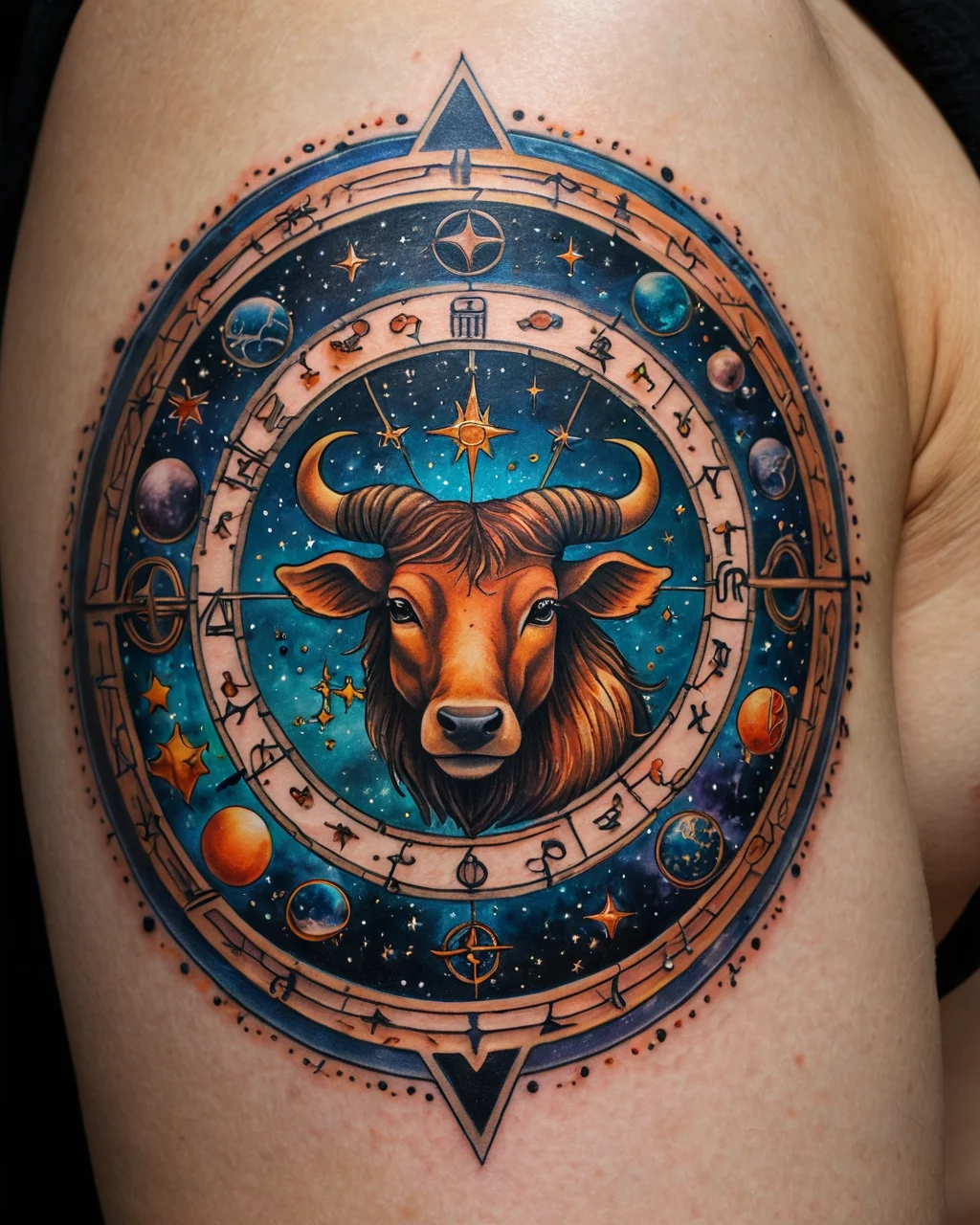
Each zodiac sign possesses its own unique characteristics and traits. For example, Aries are known for their leadership and decisiveness, Taurus for their practicality and persistence, and Gemini for their communication skills and flexibility. Knowing these features can help an employer better understand which roles might suit certain candidates.
However, it is important to remember that these traits are generalized and not always applicable to every individual. Candidates can exhibit a wide range of qualities regardless of their zodiac sign, and using astrology as the sole criterion for employee selection can be erroneous. For instance, a Cancer candidate might be quite ambitious and goal-oriented, despite the general perception that they are more prone to emotionality and inner life.
Teamwork dynamics can also depend on the zodiac signs of its members. For example, if a team includes representatives of water signs (Cancer, Scorpio, Pisces), it might lead to a more emotional and intuitive atmosphere, whereas teams composed of fire signs (Aries, Leo, Sagittarius) might be more energetic and ambitious. Considering these factors, employers can use astrology to create balanced teams.
Ethics and Morality: Can We Trust Destiny?
Ethical and moral questions often arise when it comes to selecting employees based on astrological criteria. Some believe that such an approach discriminates against people based on their birth date rather than their actual abilities. This can cause dissatisfaction among both candidates and existing employees.
The psychological aspect of this issue is also of interest. Many candidates may perceive astrology as an unobjective criterion, which can negatively affect their motivation and self-confidence. If a person knows they were not hired due to an “unsuitable” zodiac sign, they may feel undervalued and offended, which in turn can harm the company’s reputation.
Therefore, when selecting employees, it is important to consider not only astrological characteristics but also ethical aspects. Companies must be prepared to explain their selection methods and justify them to avoid misunderstandings and dissatisfaction among employees.
Alternative Recruitment Methods
Comparing astrological methods with traditional HR approaches yields many interesting results. Many specialists are confident that astrology can be useful as an additional tool, but traditional methods should remain the foundation of the selection process. For example, interviews, skills tests, and psychometric studies can provide a more accurate understanding of a candidate’s abilities.
Psychometric tests, such as personality assessment tests, can be particularly useful in the selection process. These tests help understand how a candidate might behave in various situations, which is important for building an effective team. For instance, tests can reveal if a candidate is suitable for working under stress or how they interact with others.
Nevertheless, many companies that use traditional methods are also beginning to show interest in astrology as a new and original approach. Some HR specialists even suggest combining both approaches to create unique selection methodologies that can benefit both the company and its employees.
The Future of Employee Selection: Trends and Forecasts
With the development of technology and big data, approaches to employee selection continue to evolve. Today, companies increasingly use analytical tools that allow for a deeper understanding of the qualities needed for successful performance in a particular position. This may include using algorithms to analyze candidate data, which can potentially improve the selection process.
The prospects for using astrology and other alternative methods in HR remain uncertain. On one hand, astrology can become an interesting addition to traditional methods, and on the other hand, its use may provoke criticism and dissatisfaction among employees. It is important for companies to carefully weigh their decisions and consider the opinions of their employees.
Thus, the future of employee selection involves the integration of technology, analytics, and possibly astrology as one element in the overall selection picture. This can lead to the creation of more flexible and innovative work methods that take into account the uniqueness of each individual.