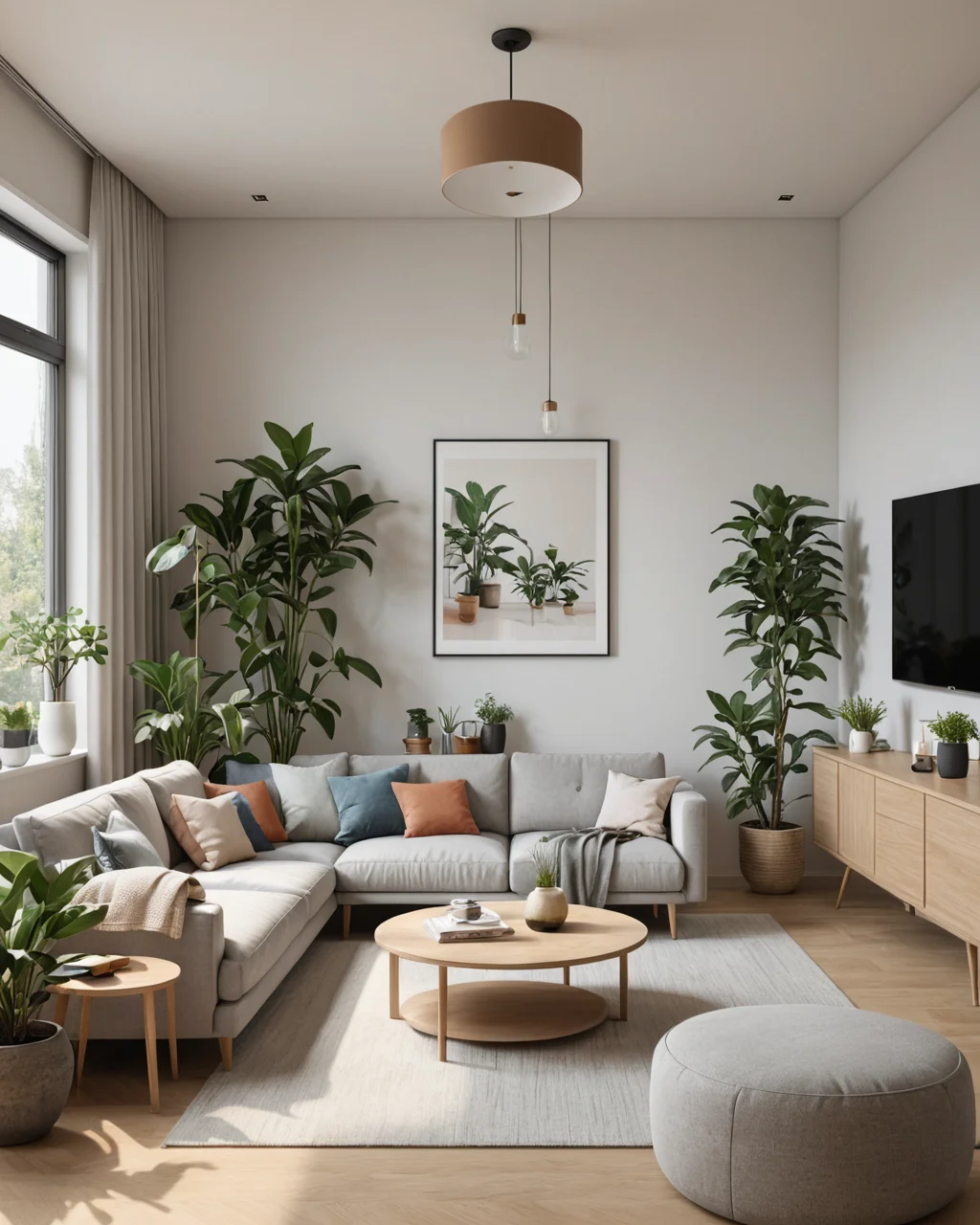
Feng Shui is an ancient Chinese teaching that examines the relationship between humans and their surrounding space. The word “feng shui” translates to “wind and water,” symbolizing the flow of energy (qi) that influences our environment. The most important task of feng shui is to create harmony in space, which is especially relevant in small apartments where every interior element must be thoughtful and functional.
Applying feng shui principles in small spaces can be a true art, allowing not only to visually enlarge the space but also to fill it with positive energy, which in turn contributes to improving the quality of life for its inhabitants. In this article, we will explore in detail how to adapt feng shui for a living room in a small apartment.
Secrets of Harmony: Feng Shui Basics for Small Spaces
Feng Shui principles are based on the idea that the space we live in directly affects our physical and emotional state. The most important aspect is the correct distribution of qi energy, which should move freely throughout the room. This is particularly crucial in small apartments, as it’s easy to create energy stagnation in a confined space. For example, movable objects like chairs or tables should not block pathways so that energy can circulate unimpeded.
The specifics of applying feng shui in small apartments involve minimizing the number of items and optimizing their placement. Each interior element should serve its function and not clutter the space. For instance, you can use multifunctional furniture – sofas with storage drawers or tables that transform into workspaces. This approach will not only save space but also create a more organized and harmonious atmosphere.
Feng Shui also recommends paying attention to the colors and materials that surround you. They should create a sense of calm and security, which is very important for harmony in a small apartment. Avoid overly bright and aggressive shades that can overload the space and negatively affect your emotional state.
Color Palette: Energy Through Shades
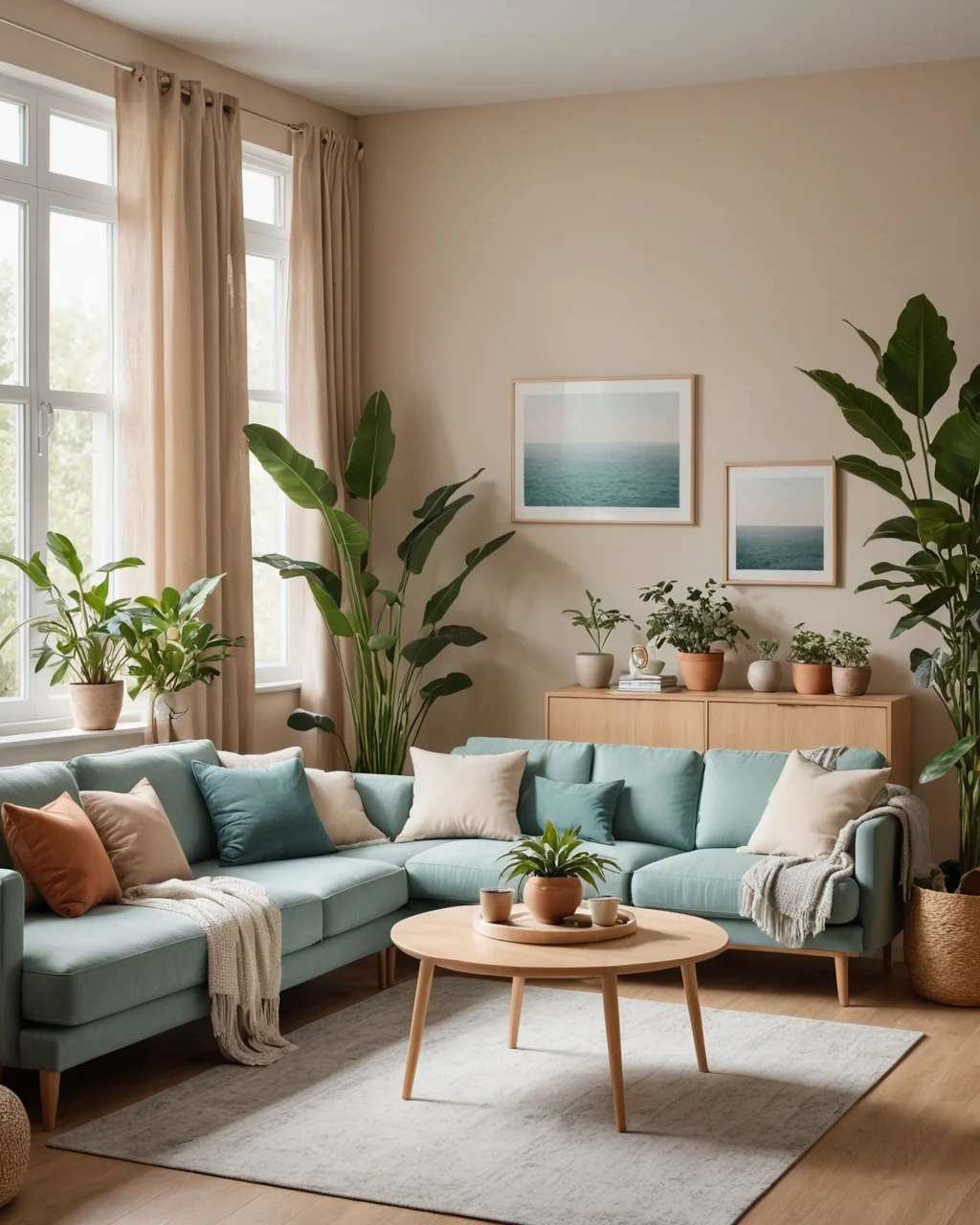
Colors have immense significance in feng shui. They can influence our mood, energy, and overall state. To create a calm atmosphere in the living room, it’s best to choose neutral and soft shades – beige, light gray, or pastel tones. Such colors visually expand the space and give it a sense of lightness.
The emotional impact of colors on apartment dwellers should not be underestimated either. For example, blue is associated with peace and tranquility, making it excellent for creating a relaxation zone. On the other hand, red can evoke feelings of anxiety and aggression, so it’s best used in small quantities as an accent.
It’s important to remember that the color palette should be harmonious and balanced. When choosing colors for your living room, try to avoid sharp contrasts and combinations that can cause discomfort. It’s best to create a palette based on personal preferences, as well as feng shui recommendations, which will help you create a truly harmonious space.
Furniture and Its Arrangement: The Key to Success
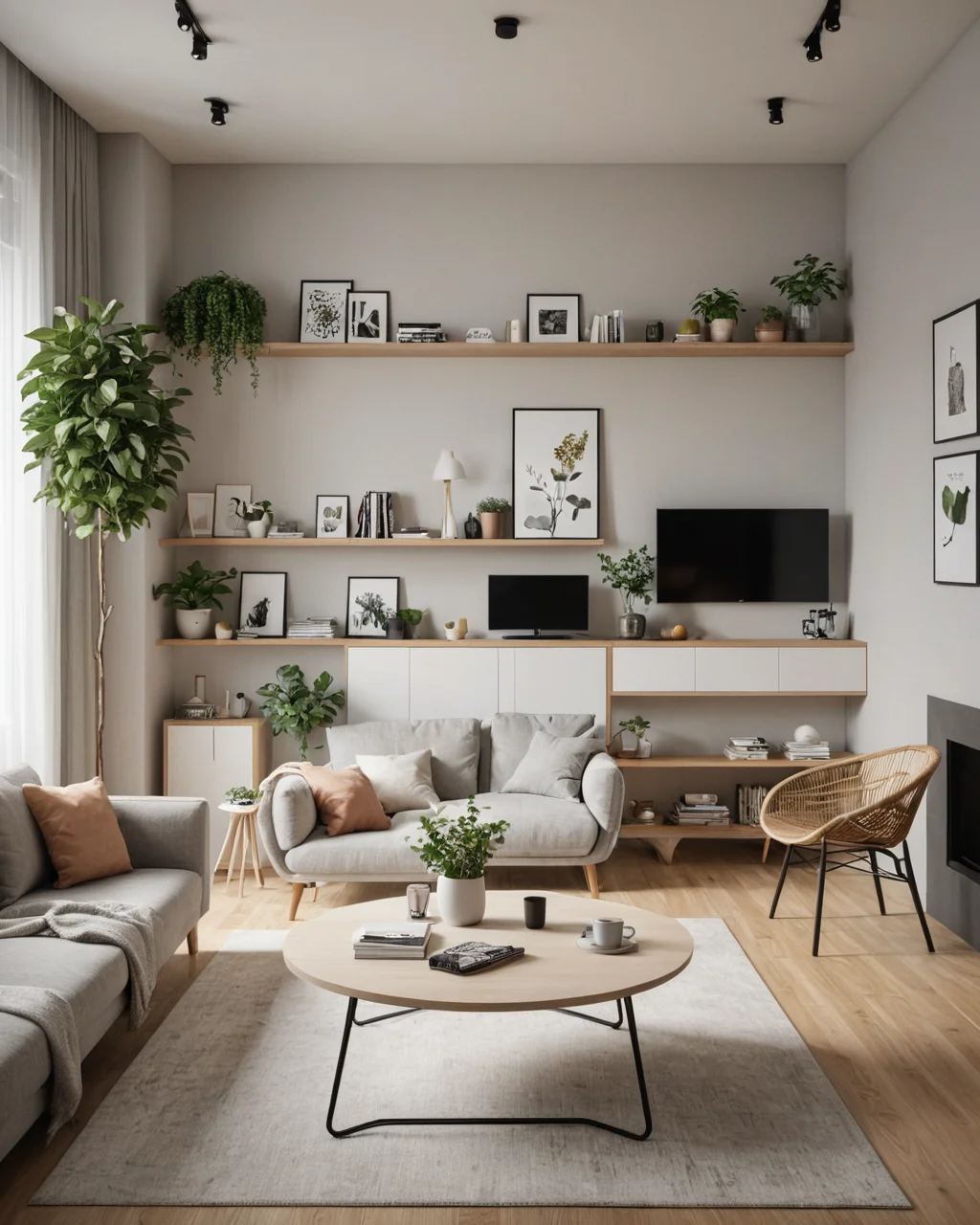
Proper furniture arrangement in a small apartment is the key to comfort and functionality. When planning the interior, you should consider not only style and aesthetic preferences but also feng shui principles. It’s important for furniture to be placed in a way that allows access to qi energies. For example, it’s better to place a sofa facing the door, symbolizing the ability to see who enters the room.
Choosing compact and functional furniture is an important aspect of creating a cozy atmosphere. Multifunctional elements, such as sofa beds and transformable tables, will help optimize space usage. Additionally, consider models with corner elements that can help utilize room corners more effectively.
Furthermore, furniture arrangement should facilitate free movement within the space. Avoid cluttering the space with large furniture, as this creates a sense of confinement. Furniture should create an atmosphere of comfort and coziness so that every family member feels comfortable and free in the living room.
Lighting: Creating Coziness and Energy
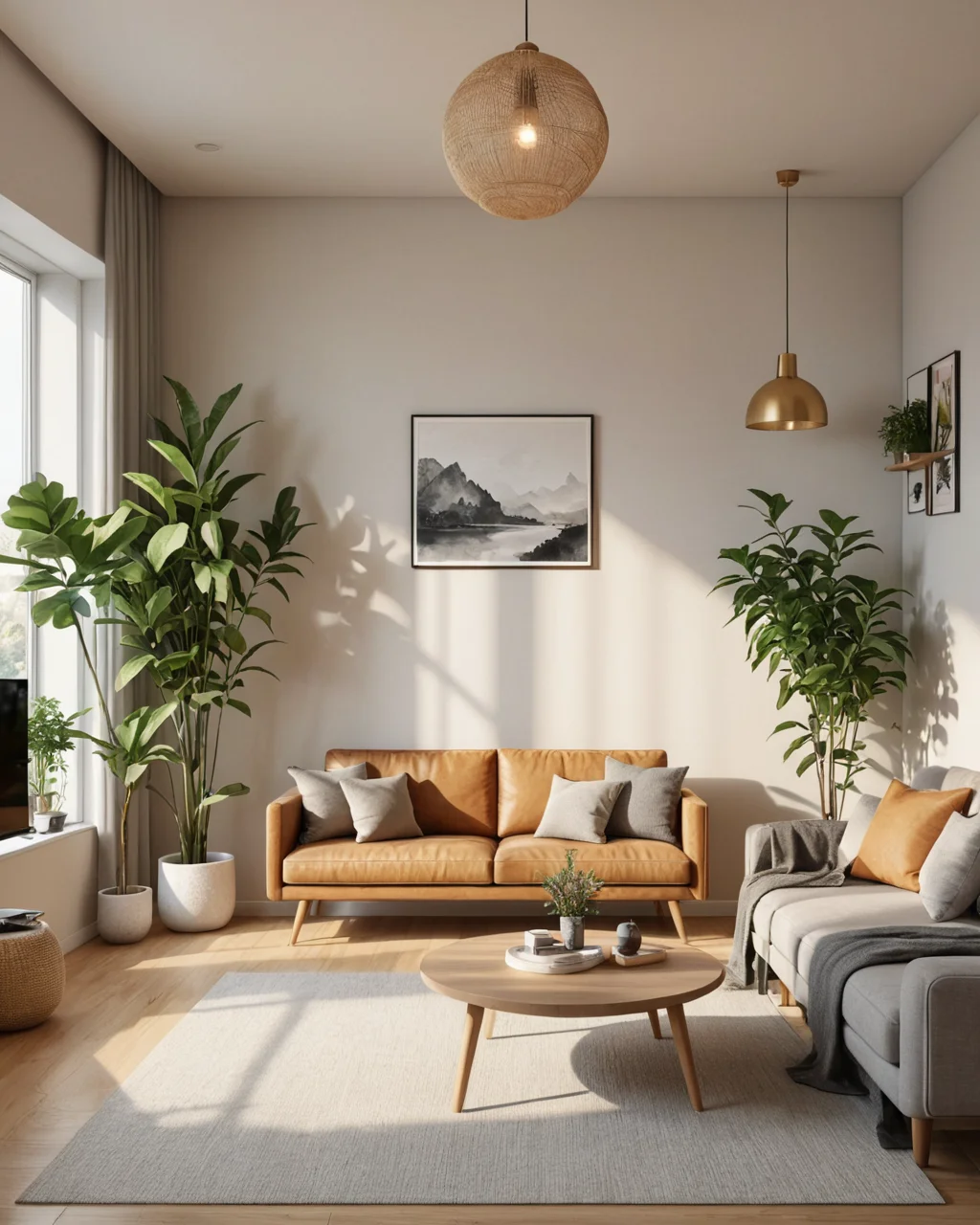
Lighting plays a key role in creating the atmosphere in any room, and in a small apartment, it can become a particularly important tool for improving the perception of space. Natural light is the first step to creating coziness, so try to maximize the use of windows, avoiding heavy curtains and partitions that can block light.
Artificial lighting should also be thoughtful. Create layered lighting using different light sources: wall sconces, floor lamps, and table lamps. This will help create soft lighting and avoid harsh shadows. For feng shui, it’s especially important that the lighting is not too bright, as this can cause discomfort.
Rules for optimal light distribution include creating zones with different light levels. For example, in the relaxation area, it’s better to use soft, warm tones, while for the work area – brighter and cooler ones. This will help create harmony and balance in lighting, which will contribute to improved mood and overall well-being.
Space Zoning: Divide and Conquer
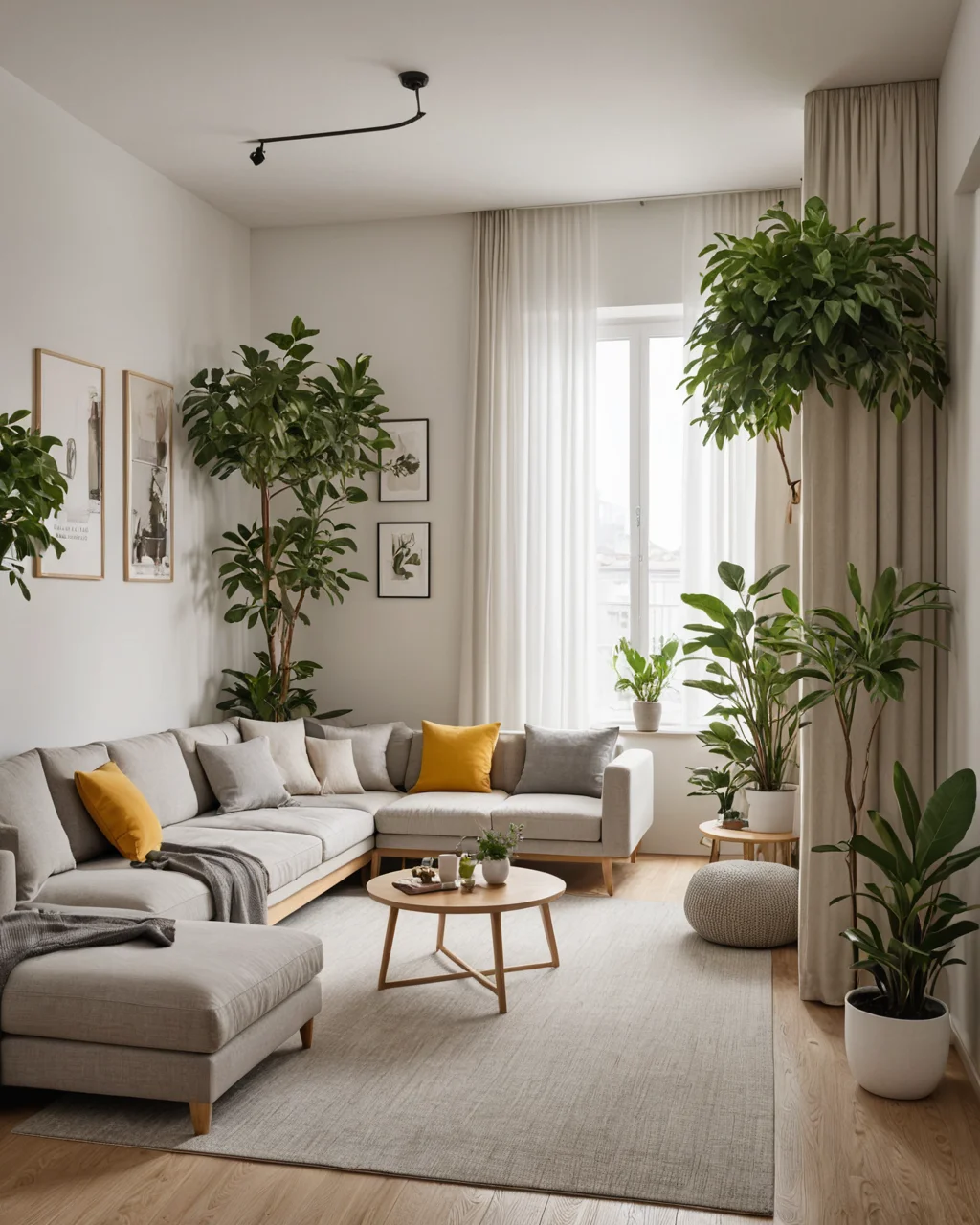
Zoning in a small apartment is an important step towards creating a comfortable and functional space. Even in a small living room, you can designate several zones by using various visual zoning methods. For example, using rugs to define different functional areas can create cozy corners for relaxation and work.
Using partitions and textiles to divide space is another way to organize the interior. Light curtains or screens can not only divide the space but also add individuality to the interior. You can also use shelving units, which not only divide the space but also serve as storage for books and accessories.
Visual zoning methods contribute not only to functionality but also to aesthetics. With correctly chosen zoning, each area will evoke positive emotions and contribute to a comfortable time spent in the living room.
Nature in the Interior: Green Oases in the City
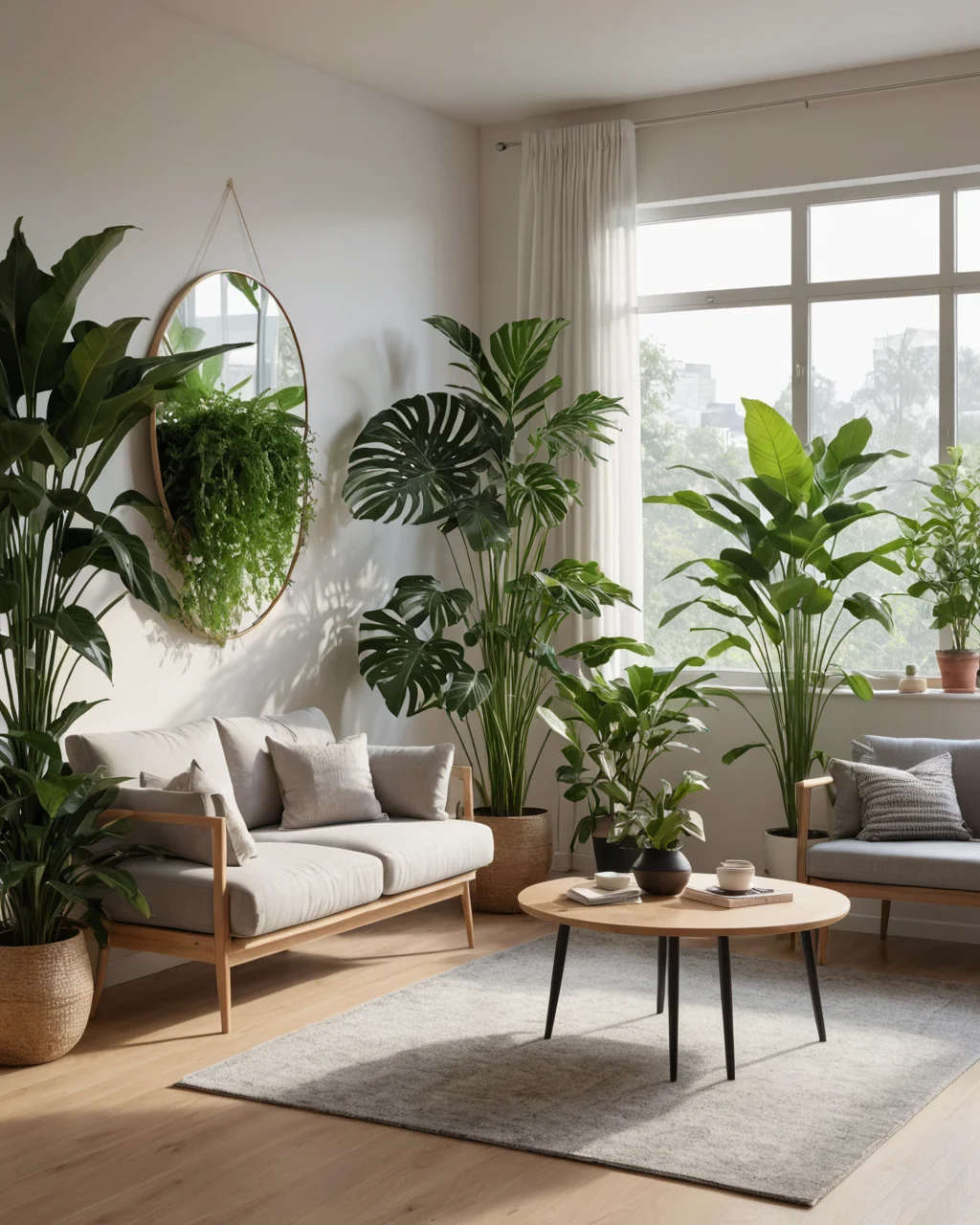
Houseplants have a positive impact on the energy of a space. They not only purify the air but also fill it with vitality, creating a sense of closeness to nature. For a small living room, choose compact and low-maintenance plants such as succulents, violets, or peace lilies. They look great in interiors and don’t require special care.
The choice of suitable plants for a small living room depends on lighting and microclimate. For example, if the room is poorly lit, choose shade-tolerant species like Aspidistra or Zamioculcas. They adapt well to conditions and will delight you with their appearance.
Don’t forget that the placement of plants in the apartment also follows feng shui rules. For example, avoid placing them in corners, as this can create energy stagnation. It’s best to place plants in areas where they will receive sufficient light and can grow, filling the space with positive energy.
Details That Matter: Accessories and Decor
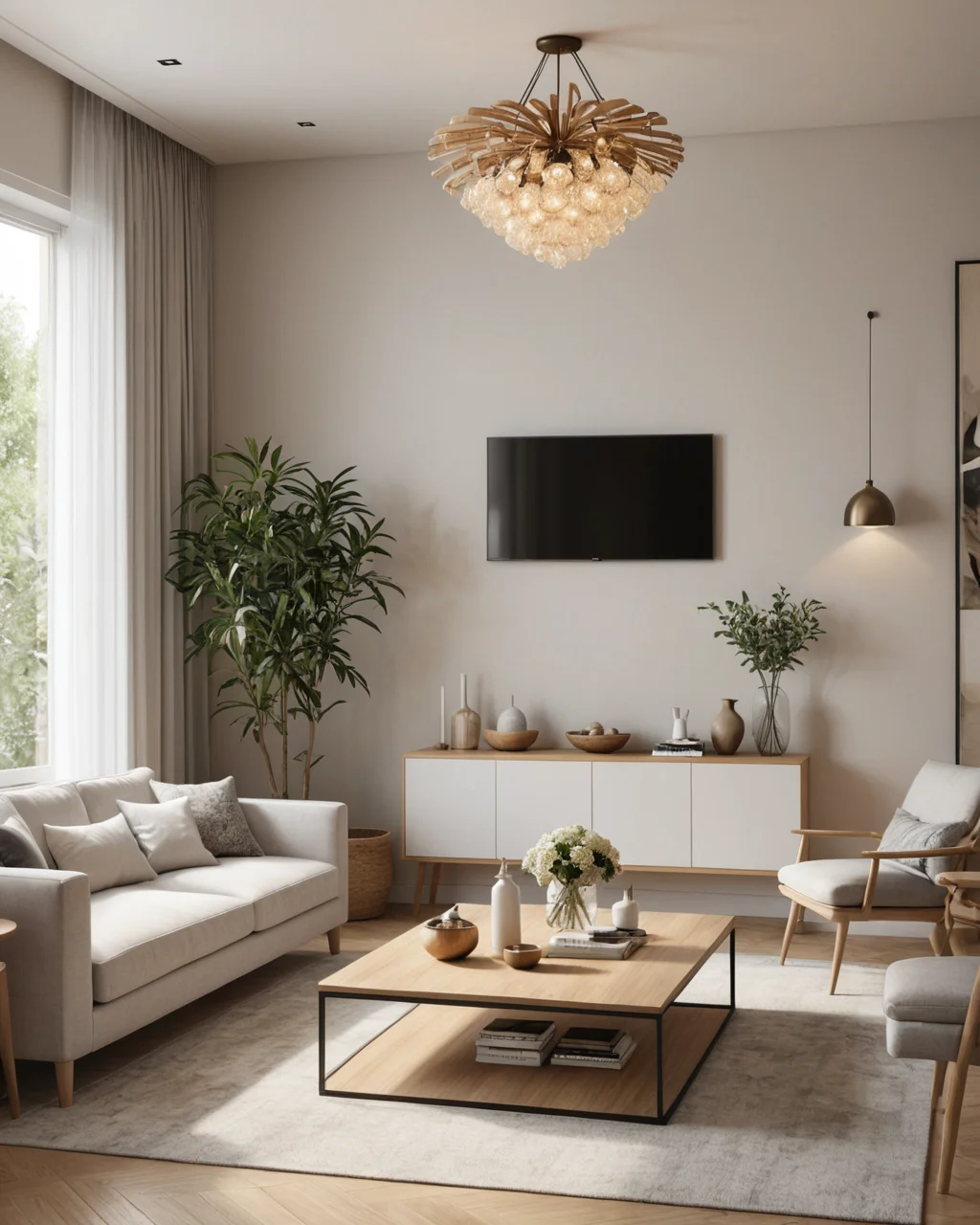
Accessories play an important role in creating a harmonious space. They can reflect the owners’ individuality and give the interior uniqueness. However, in a small apartment, it’s important to remember moderation and not to overload the space with unnecessary items. It’s better to choose a few expressive elements that will draw attention and fill the space with energy.
Tips for choosing and placing decor with feng shui in mind include using objects with rounded shapes, which promote better energy circulation. Avoid sharp corners and large collections that can create chaos and negatively affect energy.
Additionally, it is recommended to place accessories at eye level so that they are noticeable and create coziness. Use paintings, photographs, as well as decorative elements that evoke positive emotions and fill the space with joy and warmth.