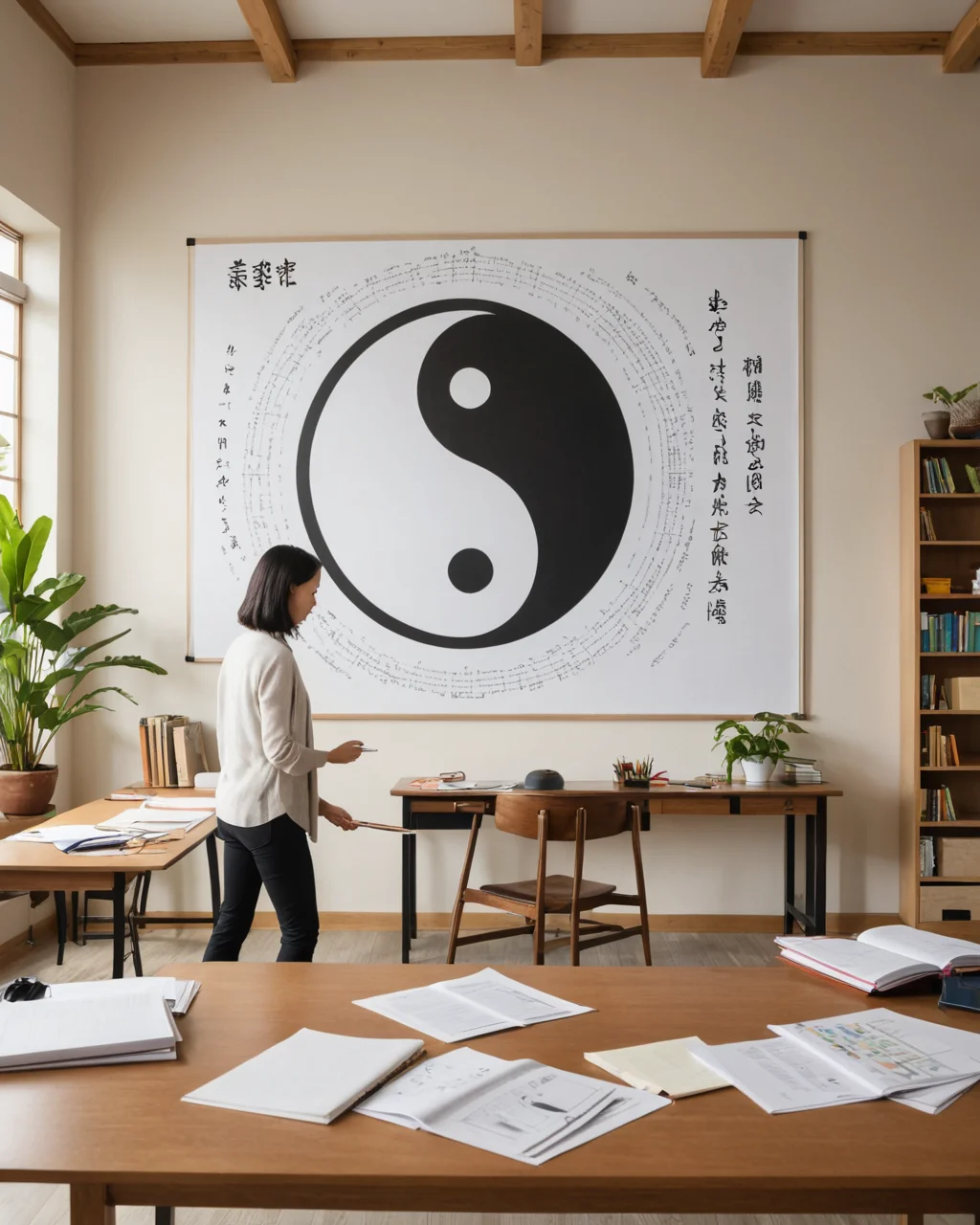
The fundamental principles of Feng Shui encompass a wide range of aspects related to harmony between people and their surroundings. First and foremost, this teaching instructs on how to organize one’s home or workspace so that energy (qi) flows freely and eliminates blockages, leading to improvements in health, relationships, and finances. The most important concepts here are the balance of yin and yang, as well as the five elements: wood, fire, earth, metal, and water. All of them interact with each other and create a unique atmosphere. For example, if metal predominates in your room, it can lead to disagreements and tension, while the presence of water will help create a calm and relaxing environment.
Feng Shui permeates all aspects of life. If you consider this teaching as just another fashion trend, you are mistaken. Feng Shui is a deep philosophy rooted in Chinese culture and traditions. It offers a comprehensive approach to human interaction with the world and the environment, which helps create harmony and well-being. Interestingly, some of the earliest texts dedicated to Feng Shui date back over 3000 years BC and were recorded in ancient Chinese philosophical texts. This confirms that Feng Shui is not just a mysterious science, but the result of centuries of observation and study.
In practice, Feng Shui can seem somewhat paradoxical. For example, traditional Chinese homes often lack sharp corners and bright colors, which might seem strange to the modern urban dweller. However, it is worth paying attention to how these principles can truly create a more harmonious and influential living space.
The Role of a Teacher in Studying Feng Shui
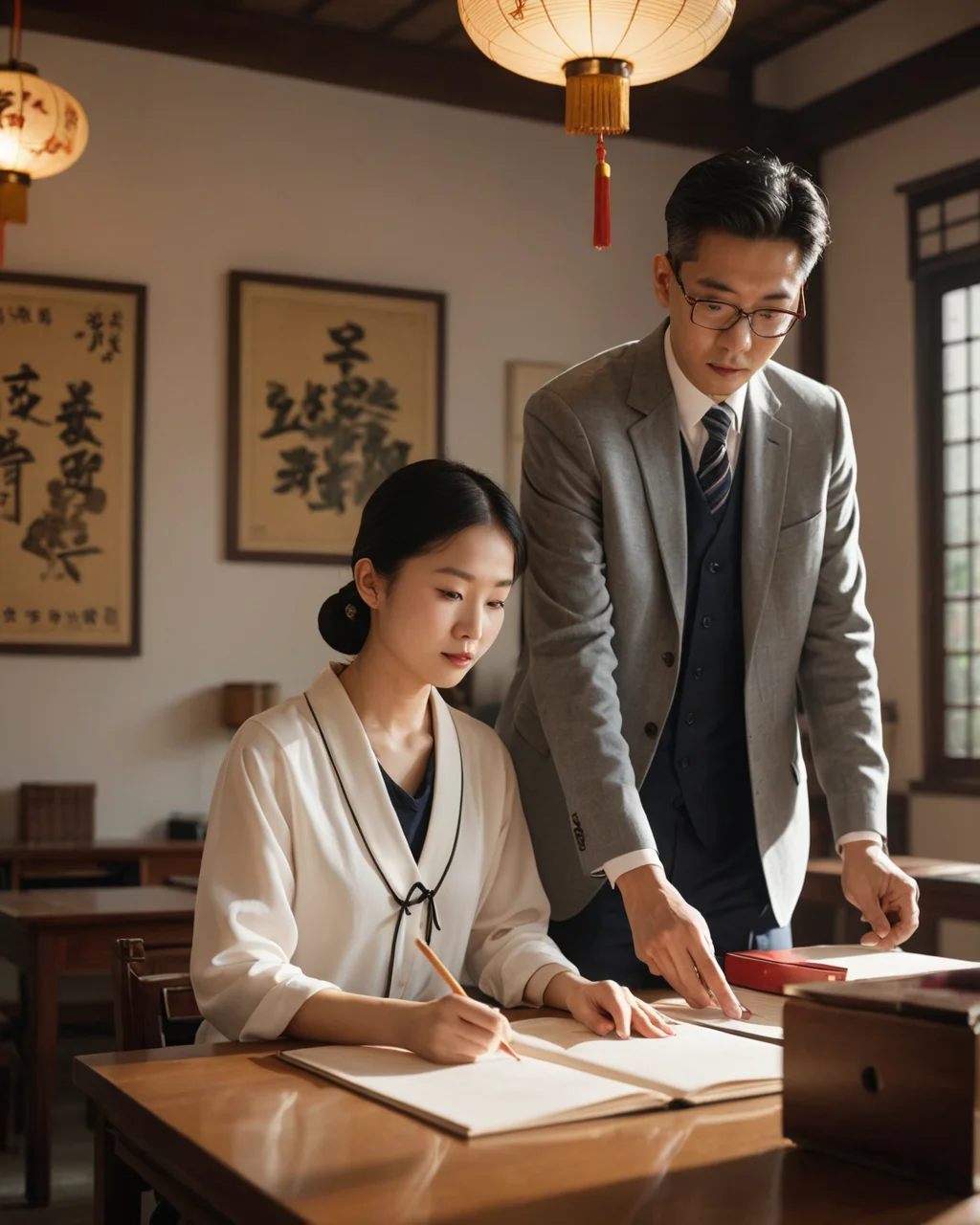
How to choose the right teacher? This question arises for almost everyone who decides to delve deeper into the study of Feng Shui. It is important to pay attention to the teacher’s experience and qualifications, as well as their personal approach to the learning process. When choosing, you should pay attention to student reviews and the teaching methods your potential mentor uses. For example, if you see that a teacher prefers theory and textbooks over practice, it might not be the right fit for you. A teacher who actively incorporates practical exercises and interactive methods will be more beneficial for your learning.
It is also significant how the teacher imparts knowledge and what values they emphasize. A mentor who focuses on personal transformation and inner development is likely to effectively help you look deeper into the essence of Feng Shui. Such teachers often give their students not only knowledge about the laws of Feng Shui but also new perspectives on life, helping them develop in various areas.
The influence of a teacher on understanding Feng Shui cannot be overstated. A true master not only imparts knowledge but also inspires students, giving them the opportunity to see the world of Feng Shui through the prism of their own experience. A teacher can guide a student to independent conclusions and challenge ingrained patterns in the student’s mind. This is usually far more valuable than just a set of facts and techniques.
Methods of Feng Shui Education
Traditional and modern approaches to Feng Shui education can vary significantly. For example, traditional education often relies on lectures and reading old texts, which can be tedious if not supplemented with practical exercises. Modern approaches, in turn, emphasize visualization and student engagement in the process. This can include gamified methods, discussion of real-life examples, and even collaborative projects.
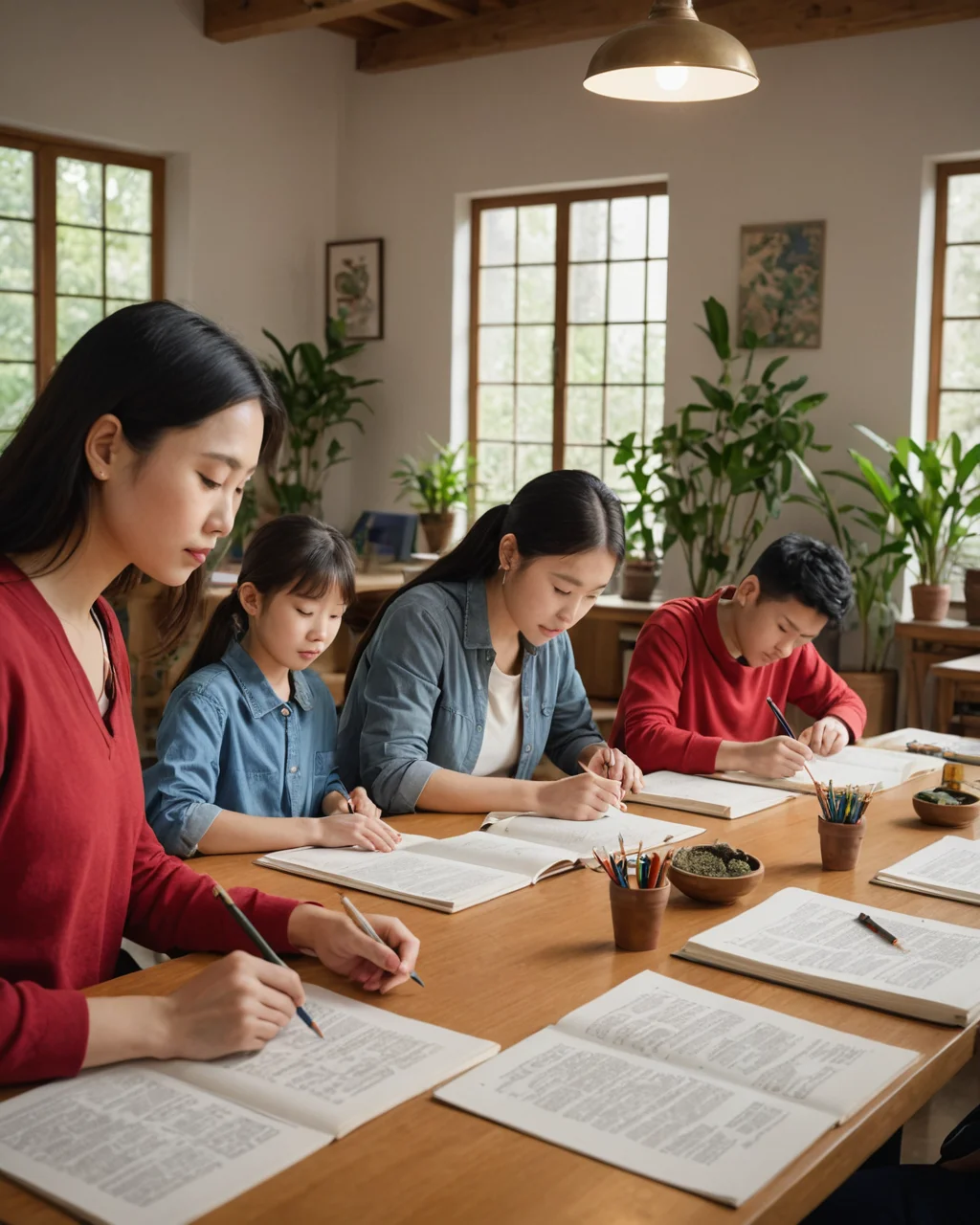
Many teachers prefer combined methods, which allow for a deeper understanding of the teachings. In this context, it is extremely beneficial to participate in seminars and group sessions, where each lesson becomes a source of new experience and knowledge. Such interactive formats make learning more lively and engaging, which is highly recommended.
Interactive practices in Feng Shui education are also essential for consolidating knowledge. This can involve not only working on improving one’s own space but also group problem-solving of various exercises and practical tasks. Additionally, in such sessions, you can meet like-minded people, exchange ideas, and receive support, which in turn makes learning more productive and effective.
Who Needs a Feng Shui Teacher?
The benefits of individual lessons with a Feng Shui teacher lie in the fact that the process can be adapted to your specific needs and goals. This format allows you to work at your own pace, ask any questions, and receive direct feedback. A teacher can understand your problems and offer personalized solutions, which often proves much more productive for understanding and applying Feng Shui principles.
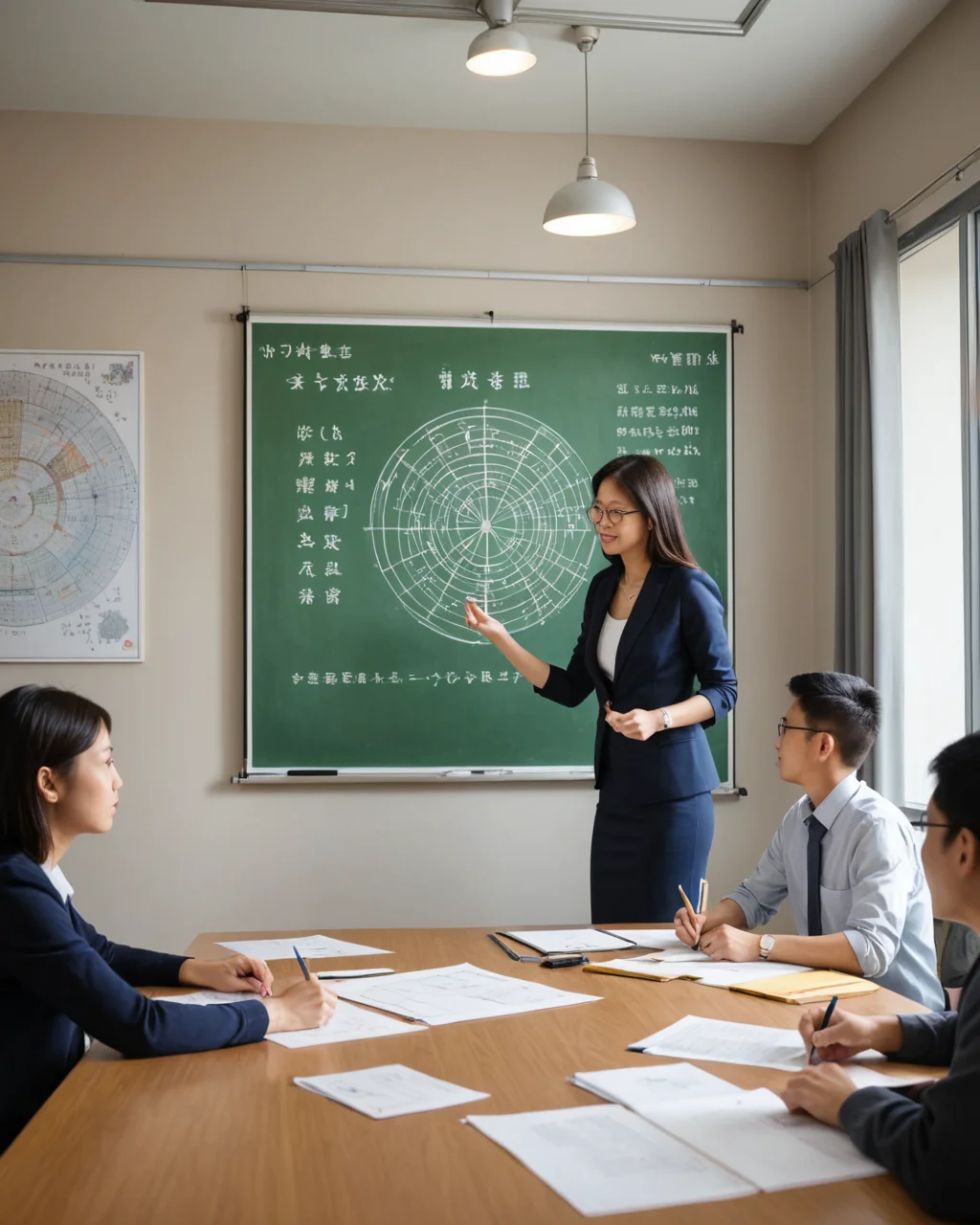
Group learning also has its advantages. In groups, it is easier to share experiences, discuss issues, and find solutions together. Each participant can contribute, and this diversity of perspectives promotes a more complete understanding of the topic. Group sessions are more like a brainstorming session, where several intelligent minds can find more creative and effective solutions.
Every person is unique, and the choice between individual learning and group sessions depends on your preferences and goals. Regardless of the approach, it is important to remember that the choice of teacher and format of lessons will significantly impact the effectiveness of your learning.
Feng Shui Practice: From Theory to Action
How to apply knowledge in practice? This is not always easy, and it requires a very careful approach to interpreting these principles. Even after completing your studies, you shouldn’t think that you have all the answers. Feng Shui involves experience and practice, and each new project requires in-depth analysis and understanding. For example, a beginner might decide that adding a water element to the interior is enough to create harmony, but it is important to understand where it is best to place the water source and how it will affect the overall energetic interaction in the space.
Beginner mistakes in interpreting Feng Shui are often related to a superficial perception of concepts. Many start adding decorative elements without considering the overall energetic picture. It is necessary to constantly remember how enhancing or, conversely, blocking elements can affect your surroundings. Therefore, it is important to develop intuition and learn to consider multiple factors.
It is also worth noting that changing one element in your space can indeed affect another part of it. Feng Shui is primarily about interaction and interconnections, and one should be attentive and cautious here. Otherwise, you might create a “boomerang” effect, where an attempt to improve one area of life leads to the deterioration of another.
The Teacher as a Bridge Between Tradition and Modernity
Modern interpretations of Feng Shui can differ somewhat from classical principles. This is due to changes in society, technology, and living conditions. A Feng Shui teacher plays a key role in adapting knowledge to modern requirements. For example, nowadays, Feng Shui may include elements such as room acoustics or the influence of electromagnetic waves, which were not considered in ancient teachings.
How does a teacher adapt knowledge to modern conditions? A good teacher should be aware of new methods and practices that can complement classical approaches. This can include the use of new technologies in interior design, understanding modern social trends that affect the energy of spaces.
Some teachers even develop their unique methodologies, which can exist in parallel with traditional ones, combining modern trends and ancient knowledge. This approach can be particularly bold and combine different types of creativity, which also opens new horizons and allows for more unexpected results.
Feng Shui in Everyday Life: Tips and Recommendations
How to use Feng Shui in your home and office? This is a whole science, and it can be helpful to turn to a teacher who can guide you in arranging your space. The main rule is to work with energy and use elements that are most favorable for your needs. There are universal tips on how to arrange furniture, use lighting, and colors to make the space more harmonious.
The role of a teacher in creating a harmonious space is quite significant. A mentor can not only provide you with knowledge but also offer practical assistance in organizing your space. This can apply to both home and workplace, where the greatest attention is paid to productivity and comfort.
Using Feng Shui principles in everyday life is a long-term project. Do not expect quick results; you will need time for adaptation and adjustments. But with the help of a trusted teacher, this process can become engaging and beneficial, opening new horizons for you.