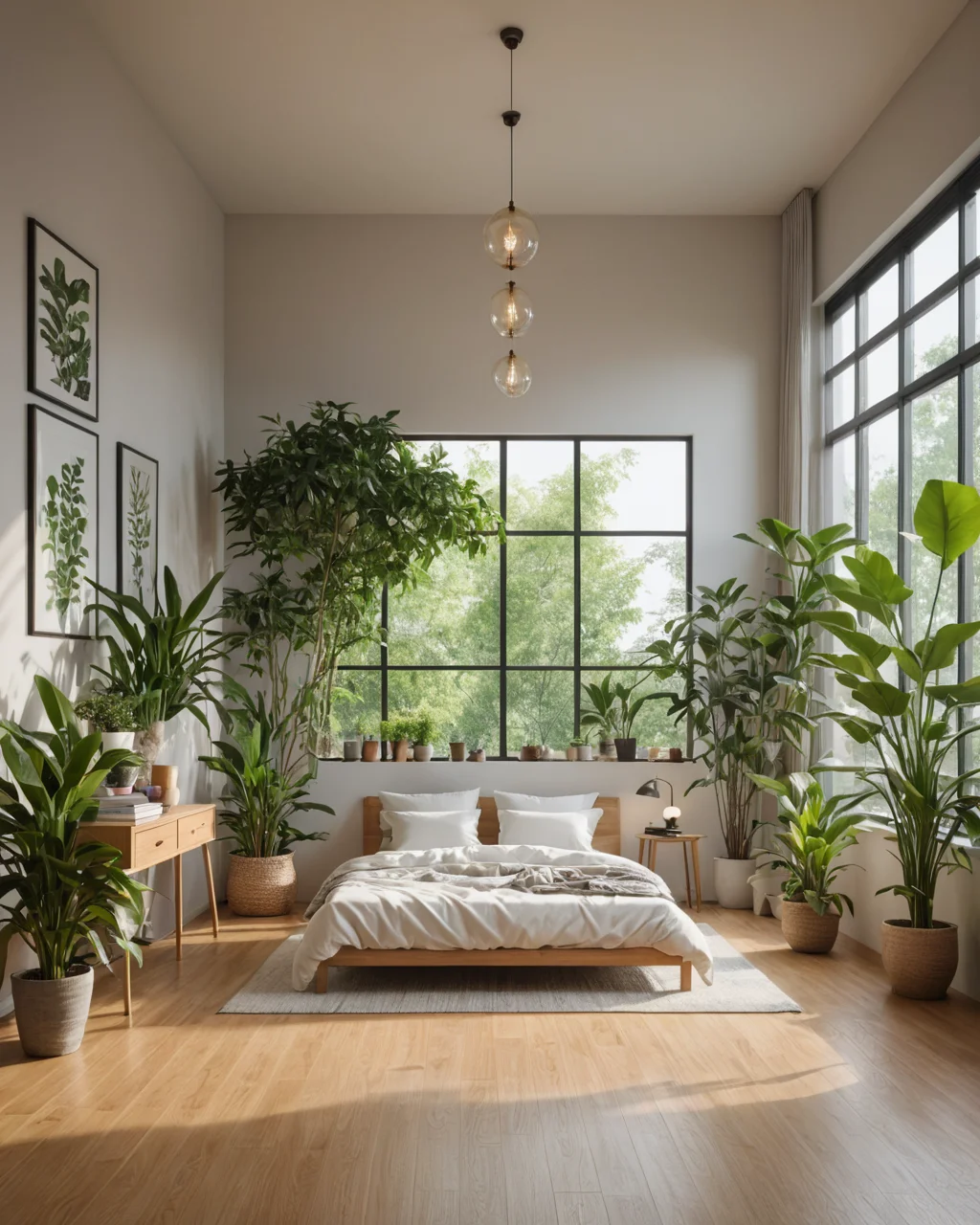
Feng Shui is an ancient teaching that aims to harmonize space and energy flow in our lives. The word “feng shui” translates from Chinese as “wind and water,” which already hints at how important our interaction with the surrounding nature is. The success of feng shui is based on understanding the principles of the flow of qi – the energy that permeates all living things. In modern realities, when we spend most of our time indoors, it is important to use plants as a tool to improve our energy.
Nature can not only calm and inspire but also purify the air. Plants absorb carbon dioxide, releasing oxygen, and also absorb harmful chemicals. That is why it is important to place them correctly in our homes – they should be located in places where their positive qualities can be effectively utilized. For example, plants like money tree (Crassula) or ficus are suitable for the health zone.
Although most of us are not professional landscape designers, it is worth remembering that integrating plants into the interior is not only a stylish solution but also a path to harmony. Choosing a place to place plants is an art. It is important to consider not only the light but also the space they will occupy, as well as their energetic nature. For example, cacti can be excellent elements for creating an “energy field” in the interior, and bulbous plants – symbols of awakening and new beginnings.
Spring Awakening: Collecting the First Plants
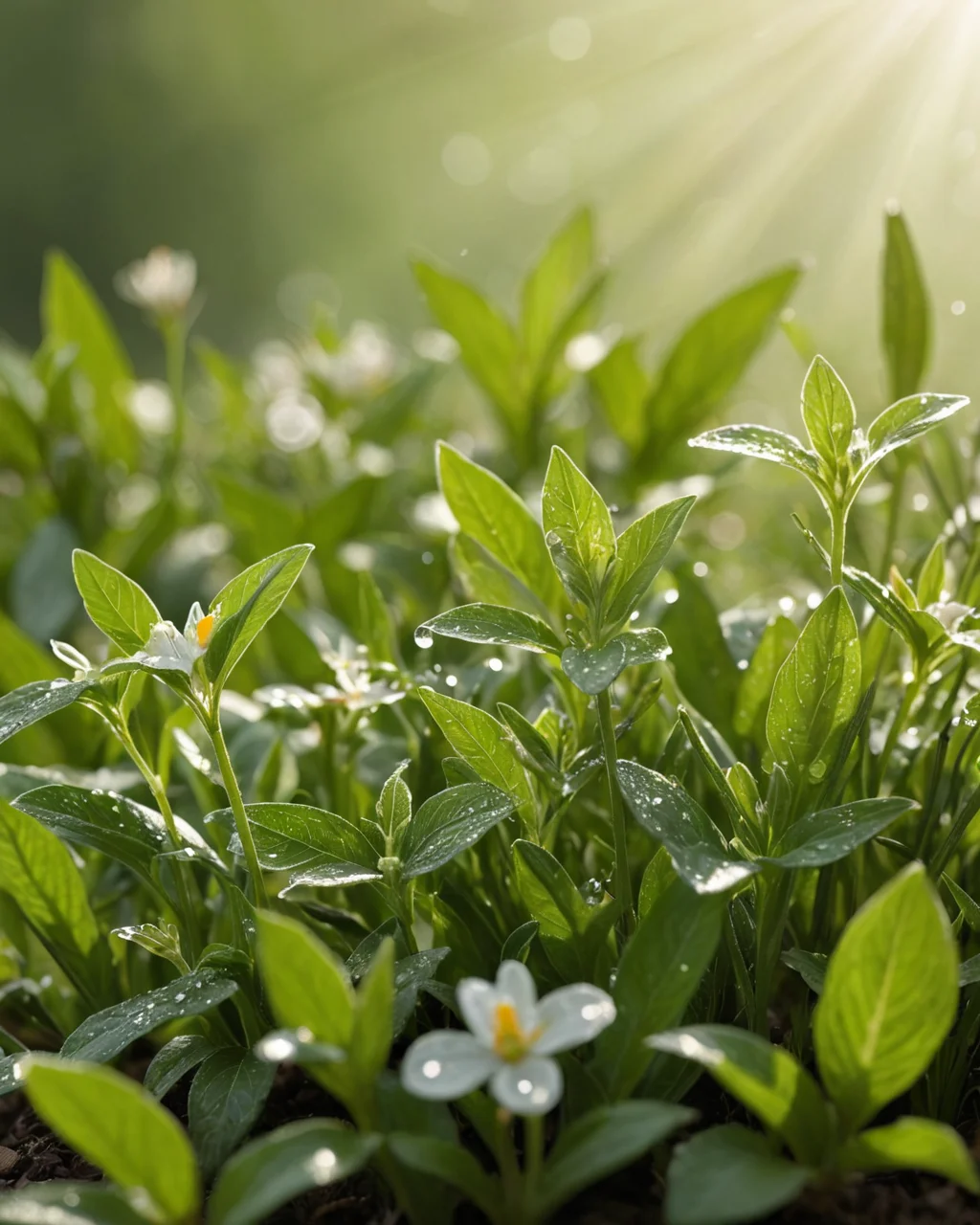
Spring is the time when nature awakens again. It’s time to collect the first plants that can energize us for the whole year. The most popular choices are snowdrop, dandelion, and lemon balm. These plants have amazing properties: they not only bring freshness to your space but also have healing qualities. For example, lemon balm can be used to make a calming tea, and dandelion can help cleanse the liver.
When collecting spring plants, it is important to remember their energetic significance. They symbolize the beginning of a new life cycle, which in feng shui means an opportunity for change and growth. To maximize this energy, choose plants on days when the moon is waxing. And if you are lucky and the weather is clear – this will complement the result. For example, a collected dandelion at such moments will be a charge for your solitude, and lemon balm will set a positive mood.
Caring for collected spring plants also requires proper attention. Use light soil to ensure they can breathe, and for better growth, use organic fertilizers. Overwatering can lead to root rot, so it is best to water them in small portions, monitoring the soil condition. Remember that the plants you bring in are already adapted to life outdoors, and it is important to provide them with the necessary bright and warm place so that they feel comfortable.
Summer Harvest: Sun Energy and Active Development
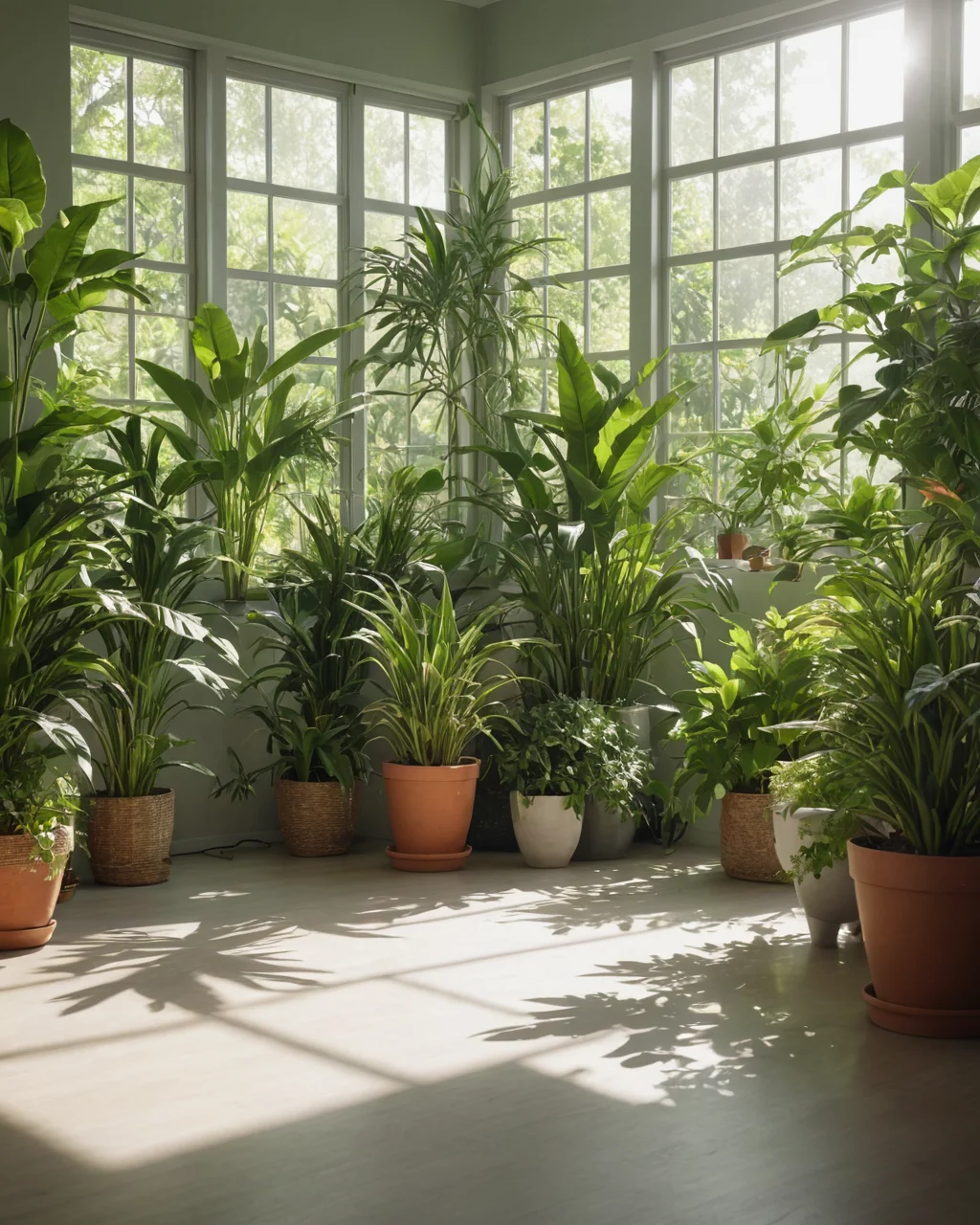
Summer plant collection is a true joy for gardeners and flower lovers. At this time of year, nature generously bestows us with many gifts. Collecting plants like basil, parsley, and even lemon balm will not only replenish your kitchen with fresh herbs but also create a sense of lightness and freshness in your home. Basil, for example, is considered a plant of prosperity, and its aroma fills the home with warmth and harmony.
Summer plants can turn your home into a real botanical garden. Each of them carries its own energy. In summer, use gemstones and flowering plants to create sunny corners. For example, petunias and dahlias can lift your mood and fill your space with joy. But try to place them in places where they can capture the sun’s rays – this is vital energy for their growth and your mood.
Don’t forget how to keep your summer plants fresh. Special sprayers for flowering plants will help maintain optimal moisture levels. Place them in partial shade to prevent overheating, and provide them with what they often ask for – love and attention. In hot weather, rest with them, or perhaps meditate nearby. Positive energy will return to you.
Autumn Changes: Preparing for Winter
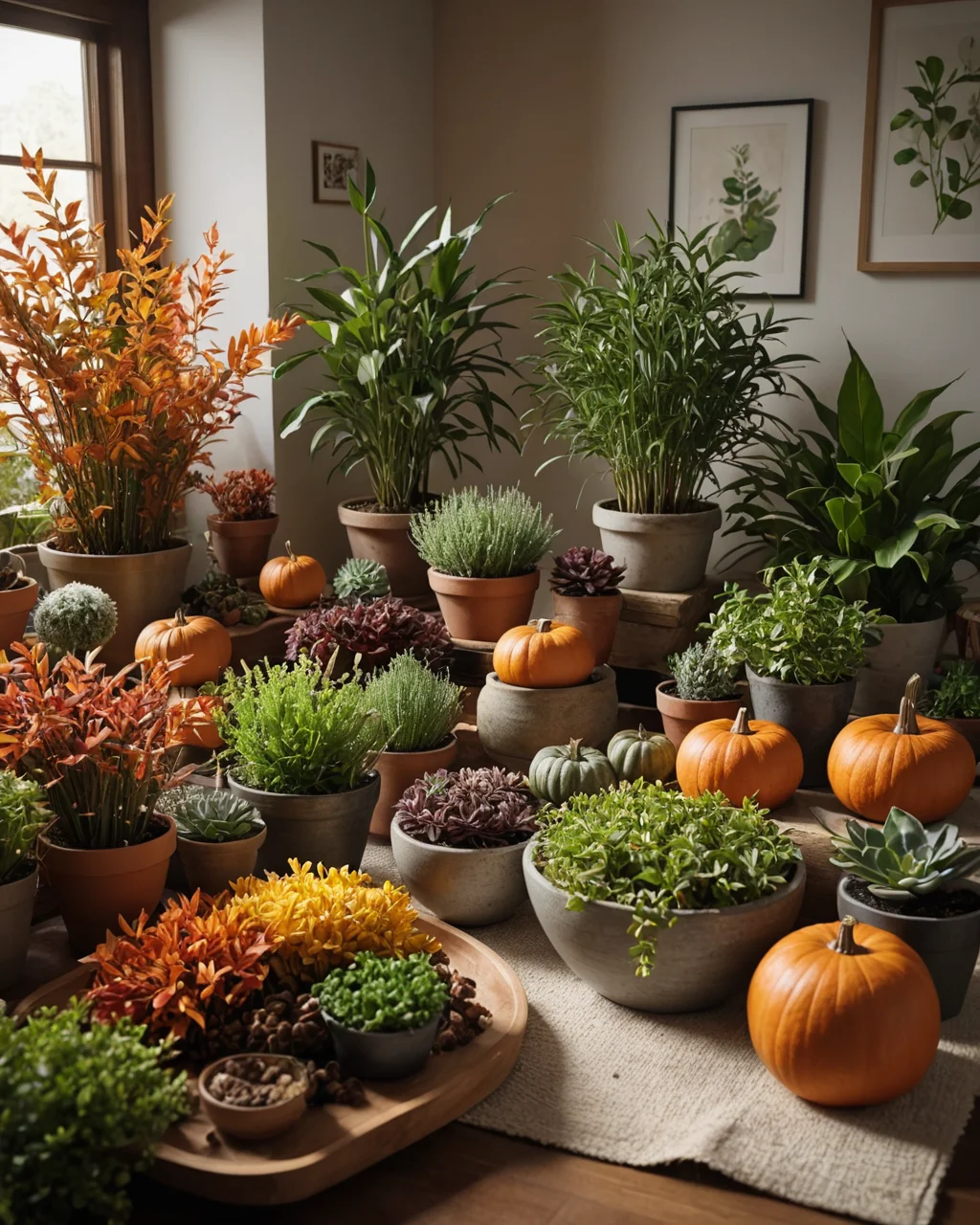
Autumn is a time for harvest and summing up. It is a time when plants need to be cared for to prepare them for harsh winter conditions. The autumn harvest will depend on the climatic zone, but generally, species for collection include rosemary, bay leaf, and sage. These herbs will not only retain their aroma but also help block the flow of negative energy if placed correctly in the home.
Preparing for winter requires special attention. Don’t forget about pruning and repotting if your plants require it. Pruning saves from leaves that can rot during the cold, and repotting into new pots with fresh soil will ensure root growth. Suitable conditions are a bright place, but without direct sunlight, which is often difficult to achieve in an urban apartment.
The energy of autumn plants is full of reasons to reflect on your life goals and dreams. Place them in the places that are most dear to you. They will help “tune” your home to a positive mood, which is especially important on the eve of winter cold. Quiet time and the melancholy of winter evenings will be brightened by green companions.
Winter Wonders: Plants in the Cold Season
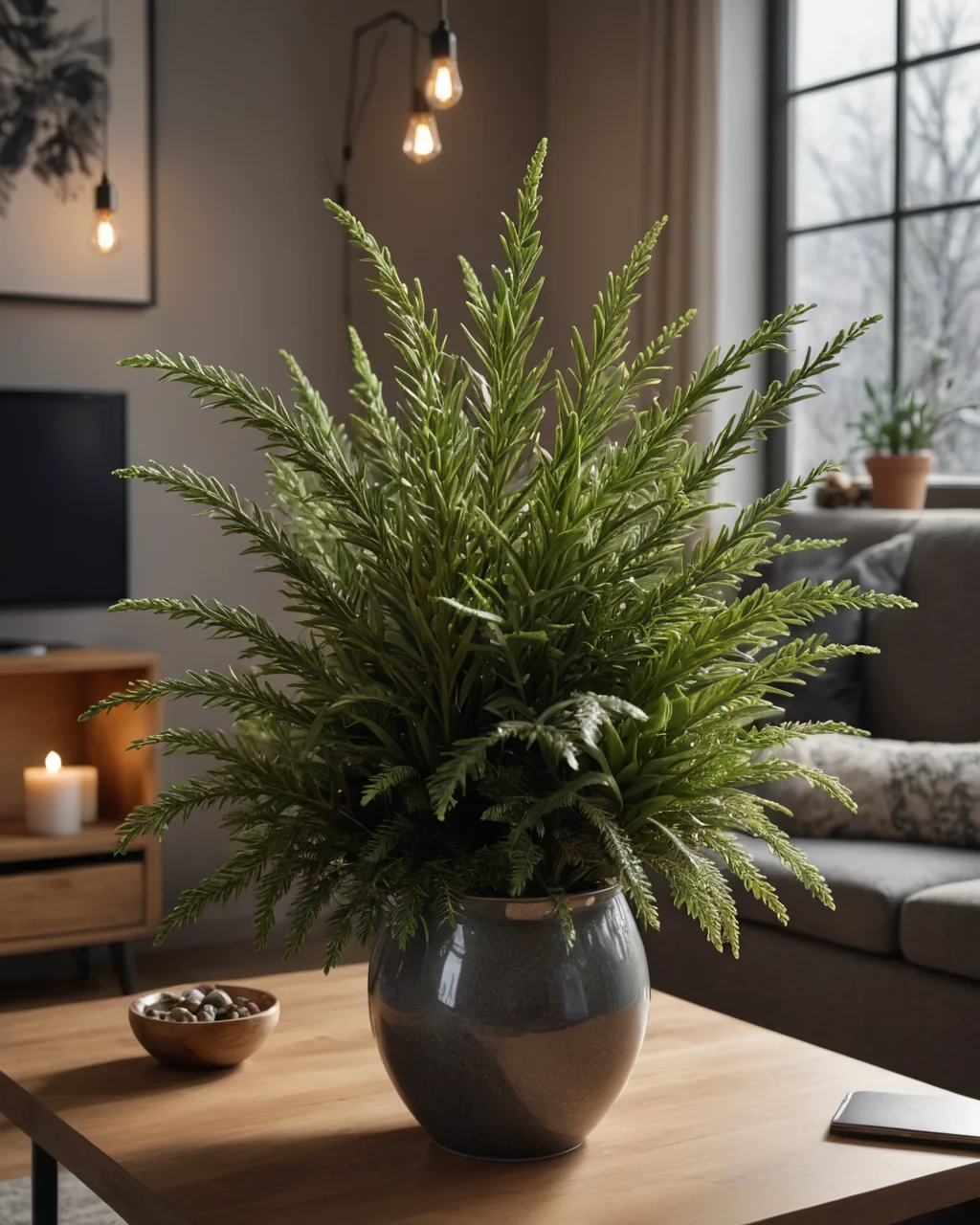
Winter is a time of peace and quiet. Many plants during this period become a living symbol of family comfort. For winter collection, coniferous plants such as fir, spruce, and juniper are recommended. Their evergreen leaves bring freshness to the room and create a cozy atmosphere. In addition, such plants also purify the air and create a protective barrier against negative energy.
Creating coziness in winter with plants is not just about decor. It’s also about aromatherapy sessions. Coniferous plants, like no others, will remind you of summer pine needles and approaching holidays. Work with your coniferous plants as aromatherapists: spray water on the leaves daily to ensure they have adequate humidity, and don’t forget to inhale the fragrant aroma.
Energetic practices that help maintain the vitality of plants in winter are disease and ailment prevention. Conduct regular inspections, feed them with your fragrant drinks. Remind them of warm summer days. Such practice greatly strengthens not only the plants but also the spirit of your home.
Life Cycles: How Seasonality Affects Plant Choice
Understanding seasonal cycles in feng shui is key to successful interaction with nature. Each season brings its own unique energy, and it is important to react correctly to these changes. In spring, we can see everything coming to life, in summer – blooming, in autumn – preparing to rest, and in winter – resting and preparing for the next awakening.
Proper planning of plant collection, taking into account the season, will help avoid mistakes and create harmony in your home. For example, when planning to create a green corner, it is important to consider which plants are best suited for spring – these are bulbous or perennial plants. Summer plants love the sun’s rays. Autumn plants are настроены on rest and peace.
The synergy between seasons and plants is not just a trendy word, but an important part that safely allows you to use the best qualities of each species. For example, plants collected in summer can adapt to the autumn cycle through careful transformations in the interior. This process not only pleases the eye but also brings positive energy.
Practical Tips for Plant Care in Different Seasons
Each season has its own unique conditions and care requirements for plants. It is important to be attentive and consider these factors. For example, in spring, it is necessary to actively feed plants, watering them with organic fertilizers. In summer, on the contrary, one should be careful with watering: in hot weather, it is a source of many plant ailments.
In autumn, humidity changes often occur, and you need to adapt your care habits. Make sure your plants get enough light, even if it is limited. Ensure the soil dries out before watering and use moistening agents to maintain the energy of your little green companions.
In winter, pay special attention not only to watering but also to lighting. Move plants closer to light sources, keep fertilizer supplies at hand. And remember, there are no imperfect plants, only inexperienced gardeners!