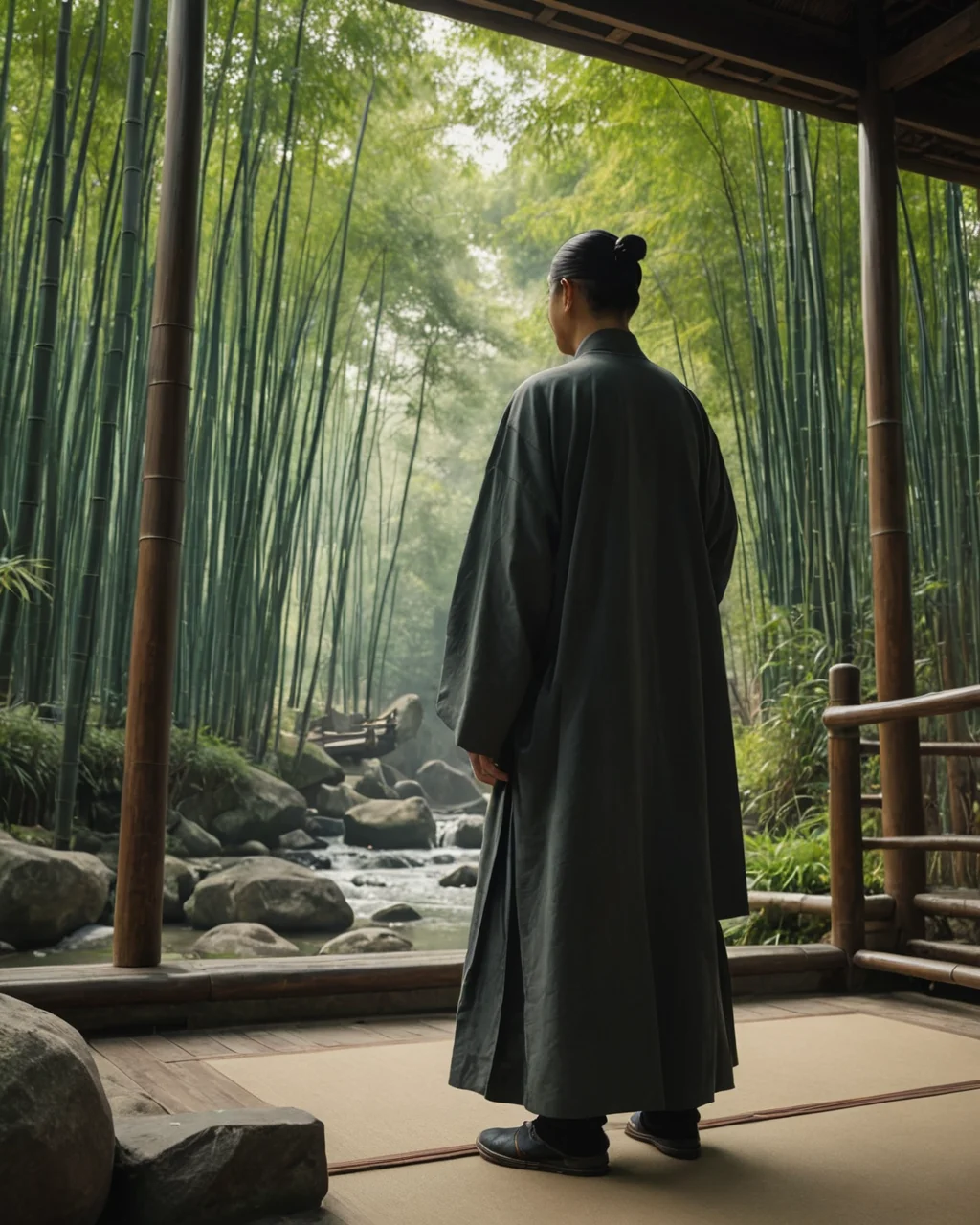
The History of Feng Shui: From Antiquity to Modernity
The roots of Feng Shui go back to deep antiquity, when Chinese philosophy began to form on the foundations of Taoism and Confucianism. These teachings laid the groundwork for understanding space as a living organism, in which every place and every thing has its significance. Feng Shui, which literally translates to “wind and water,” is the art of selecting the optimal placement of objects in space to achieve harmony and well-being. Over time, the principles of Feng Shui began to evolve, enriched with new ideas and approaches, making them universal and relevant today. The evolution of Feng Shui practices through the centuries shows how the adaptability of this system allowed it to survive various cultural changes and historical events. Feng Shui was mastered by different strata of society – from emperors to ordinary people, and each of them added something new to its practice, enriching it and making it more accessible. Feng Shui in the context of cultural and historical changes in Asia demonstrates that with each new stage of societal development, people’s needs also changed. Feng Shui adapted to help new generations find solutions for their lives, while remaining true to its roots and traditions. “Glazing over something just in case is not Feng Shui, and harmony should always be remembered.”
Basic Principles of Feng Shui
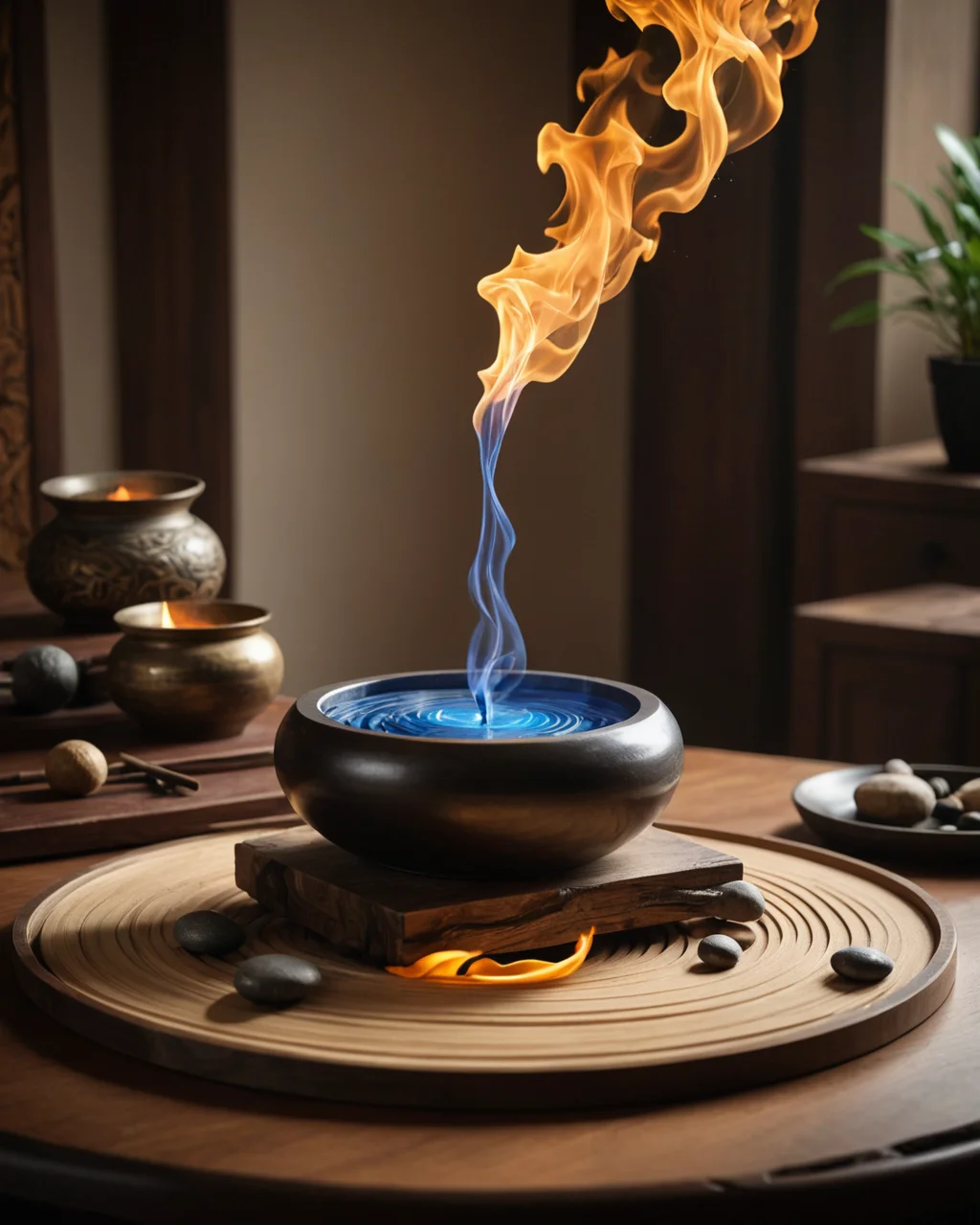
The foundations of Feng Shui can be reduced to the five elements: Wood, Fire, Earth, Metal, and Water. Each of these elements has its unique characteristics and influences the surrounding space. Conversely, elements can interact with each other, creating cycles of mutual strengthening or destruction. For example, Wood ignites Fire, and Fire turns into Earth in the form of ash. Understanding these interactions helps in creating a harmonious space where life energy can flow freely. Qi is the life force that, according to Feng Shui followers, permeates all living and non-living things. It can be stagnant, leading to a slowdown in life and affecting well-being, or flow freely, bringing harmony and prosperity. Without studying qi, it is impossible to understand how to organize space for maximum comfort and benefit. Harmony of space is the result of the correct arrangement of objects. It is important to consider not only aesthetic components but also functional ones, as even the most beautiful decor can worsen the quality of life if it is incorrectly placed.
Feng Shui Masters: The Path to Mastery
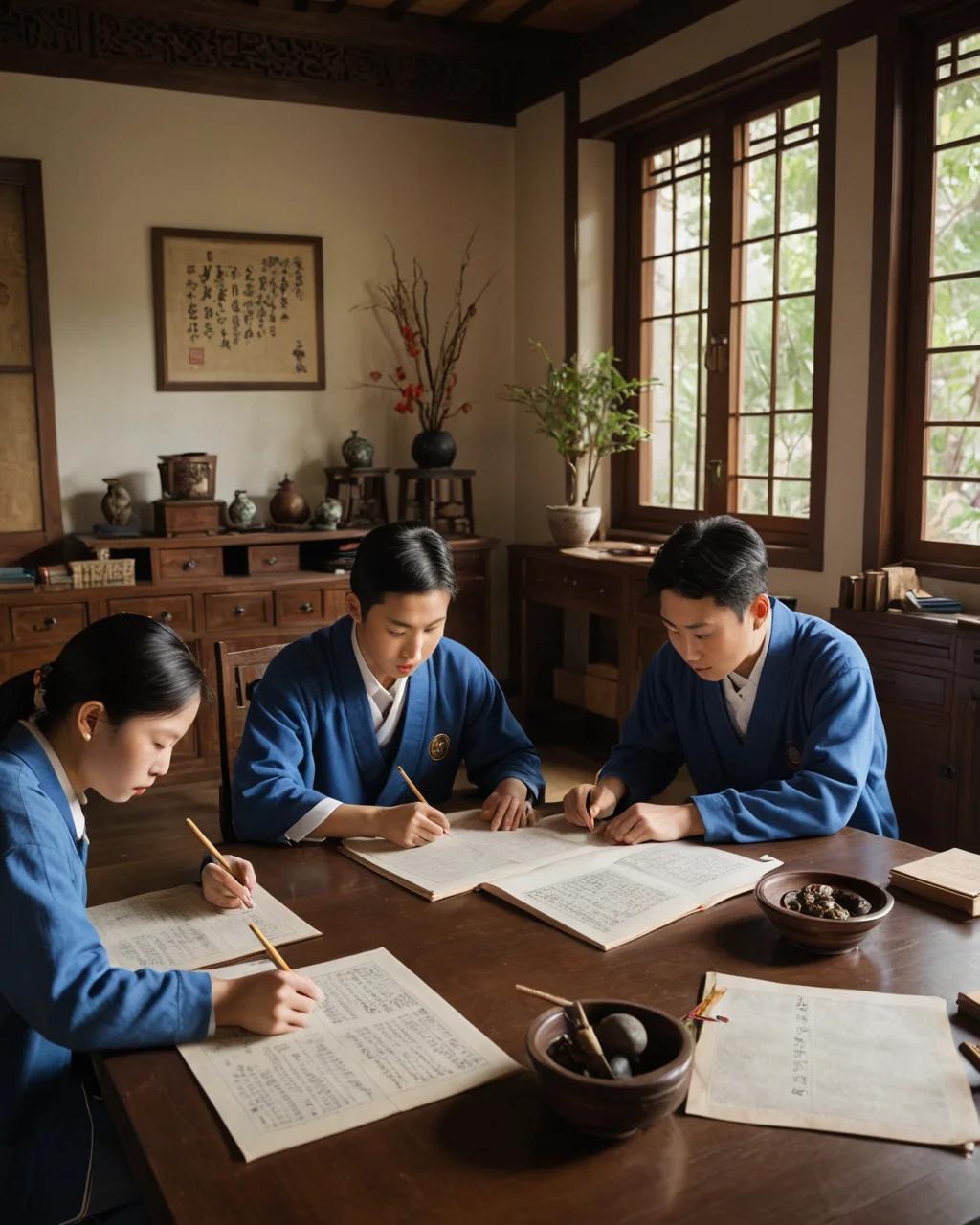
Feng Shui master training in Asia encompasses deep traditions and established approaches. Many of them study in traditional schools, where knowledge is passed down from teacher to student over many years. This journey is not only practical but also philosophical, where it is important to realize not only the methods but also to become part of a centuries-old culture. The role of a mentor in this process is hard to overestimate. Mentors not only share knowledge but also impart experience, teach how to feel space and work with it. After all, in Feng Shui, it is important not only to memorize formulas and rules but also to learn to intuitively sense what is needed in each specific case. Certification and recognition of specialists occurs through rigorous examinations, where masters are tested not only on their knowledge of theory but also on their ability to apply their skills in practice. In the end, although the path to mastery is a matter of practice, it is also a journey of self-discovery and understanding the world.
Feng Shui in Everyday Life: Tips and Recommendations
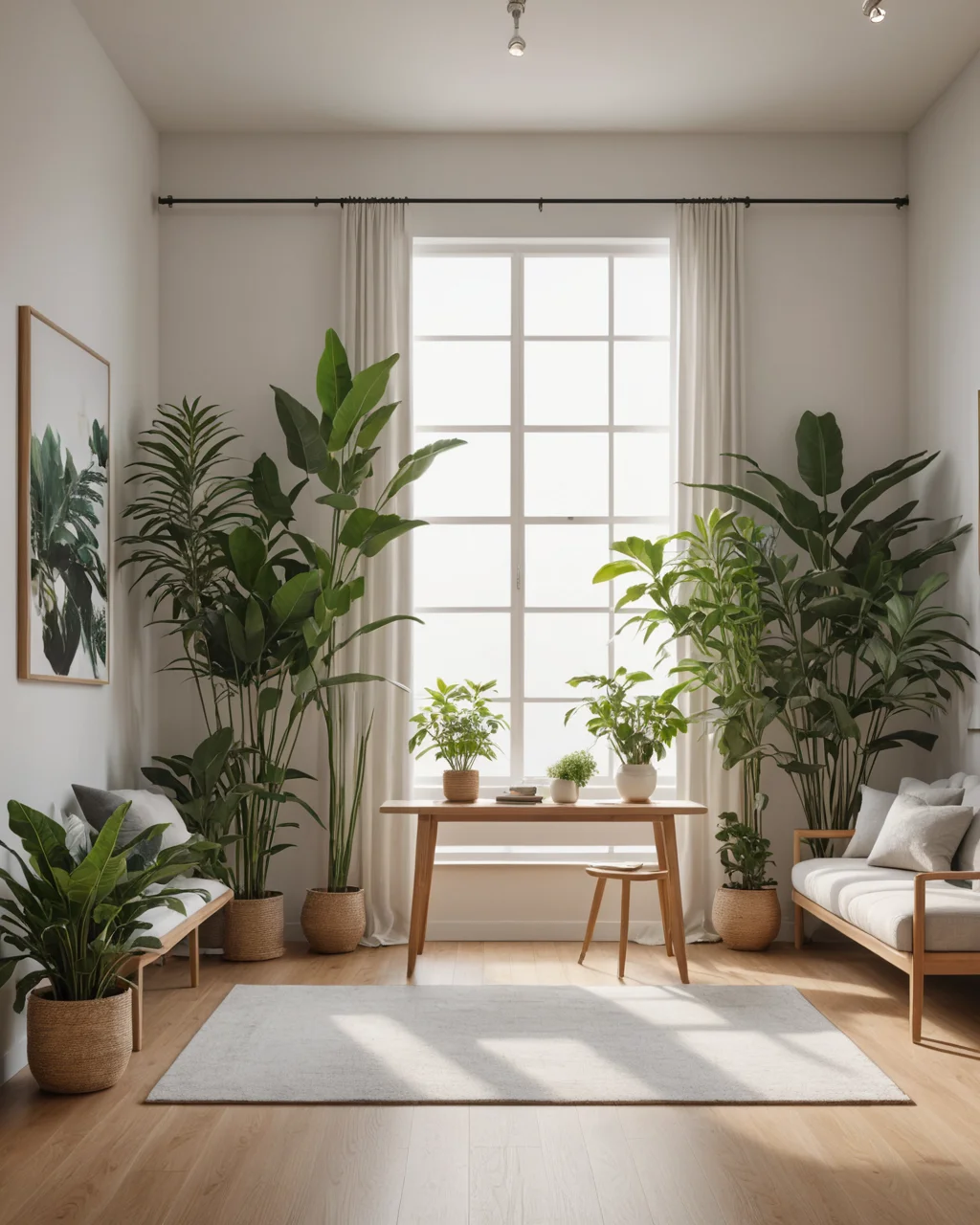
Creating a harmonious space in the home is a task that requires knowledge and attention, but the result is worth the effort. It is important to consider both the functionality and the energy of the space. For example, the placement of furniture affects not only convenience but also the flow of qi. It is recommended to avoid sharp corners that create negative energies and to prefer smooth lines. Feng Shui in the office involves creating conditions to increase productivity. Employee performance can be improved through the correct placement of workstations, as well as the competent choice of color and lighting. A relaxation corner with green plants can also drastically change the atmosphere to a more positive one. Practical techniques for improving personal life include both decorative elements and the organization of space for personal and intimate time. Install items in your home that refer to love and harmony: for example, pairs, items in pairs, or symbols of luck.
Modern Feng Shui Trends
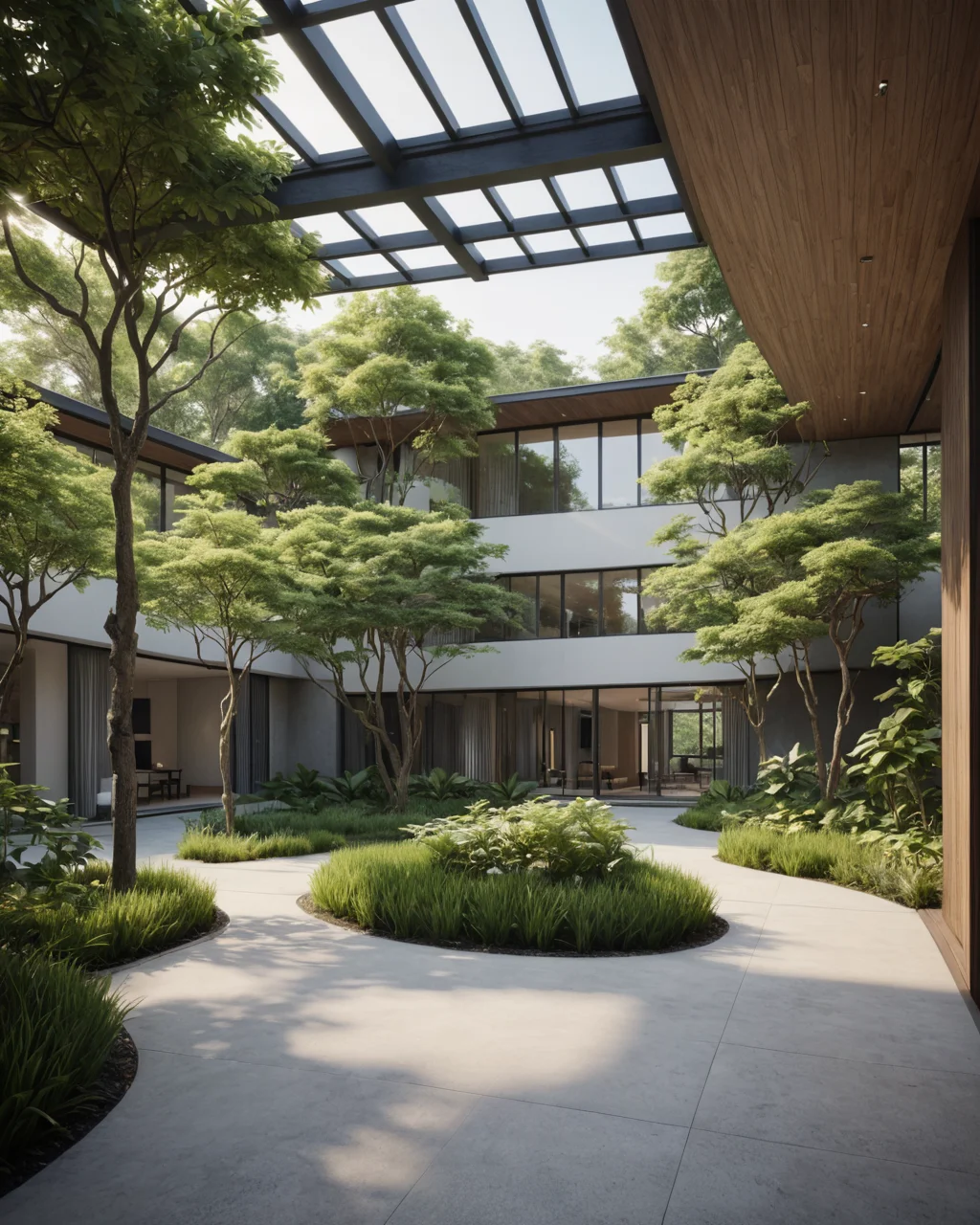
The integration of Feng Shui into modern architectural design is becoming increasingly popular. Architects are increasingly incorporating Feng Shui principles into their projects, linking aesthetic appeal with qi flows that are resistant to natural conditions. For example, the presence of open spaces and the balance between natural light and shadow can significantly affect the overall atmosphere of a building. The popularity of Feng Shui outside of Asia is explained by the fact that its principles work not only within traditional culture but also resonate in Western countries. Many strive to integrate Feng Shui elements into their homes and businesses to improve the overall atmosphere and achieve additional success. Technology and Feng Shui are also beginning to intersect, creating interesting approaches in the use of virtual reality and computer simulations for analyzing and designing spaces. This significantly expands the horizons for studying and applying Feng Shui.
Feng Shui and Health: The Connection Between Space and Well-being
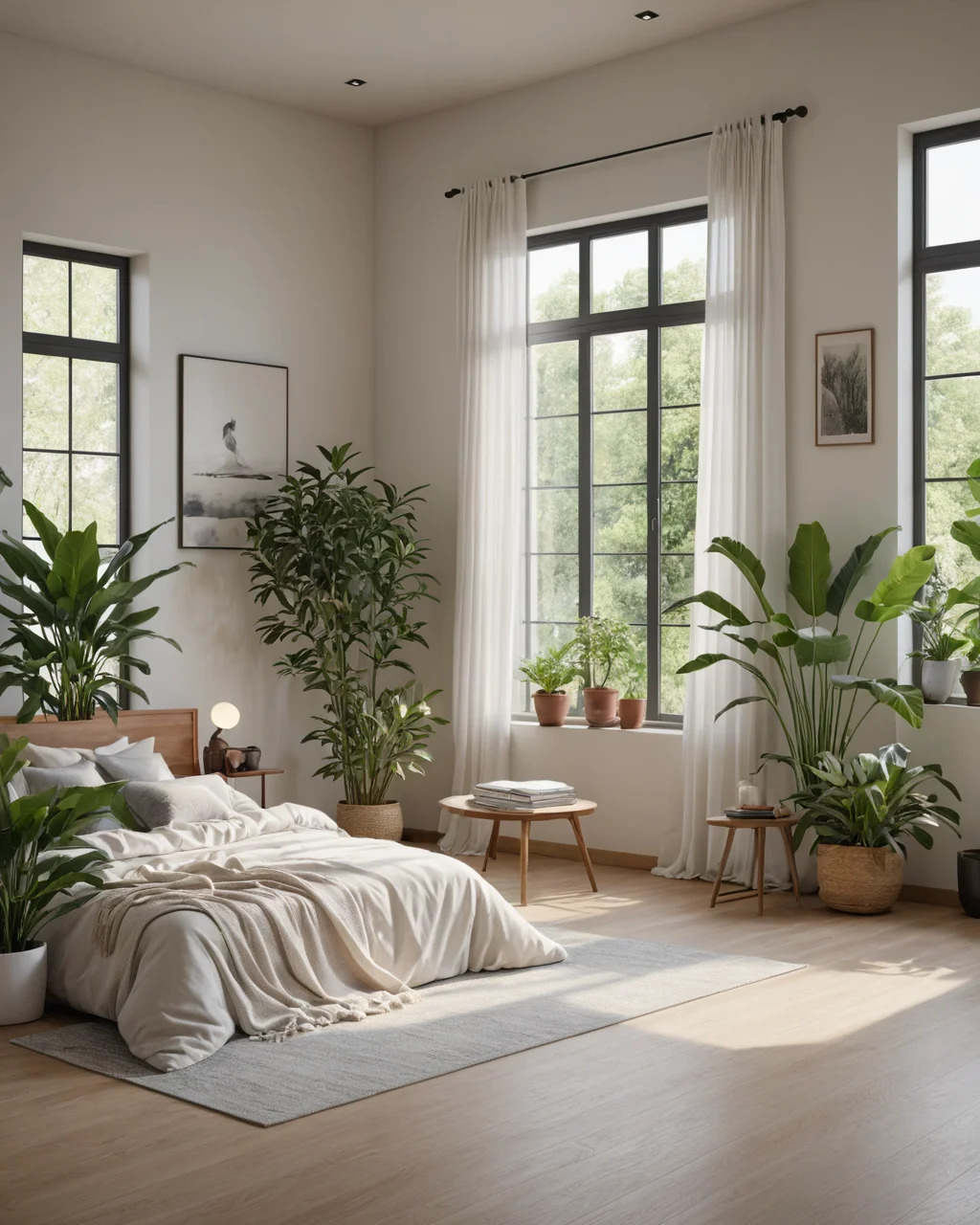
Space organization has a direct impact on a person’s physical and psychological health. Incorrect layout or the presence of objects with negative energy can become a source of stress and dissatisfaction in subsequent days. Therefore, it is important to study the principles of Feng Shui and use them to improve your health. Feng Shui and alternative medicine create an interesting synergistic effect, where Feng Shui helps prepare the space for medical procedures, making them more qualitative and effective. The use of medicinal plants and materials contributes to creating the right atmosphere around a person. Recommendations for improving health may include rearranging furniture, choosing specific wallpapers and wall paintings, as well as using harmonious colors that promote overall well-being.
Feng Shui in Art and Culture
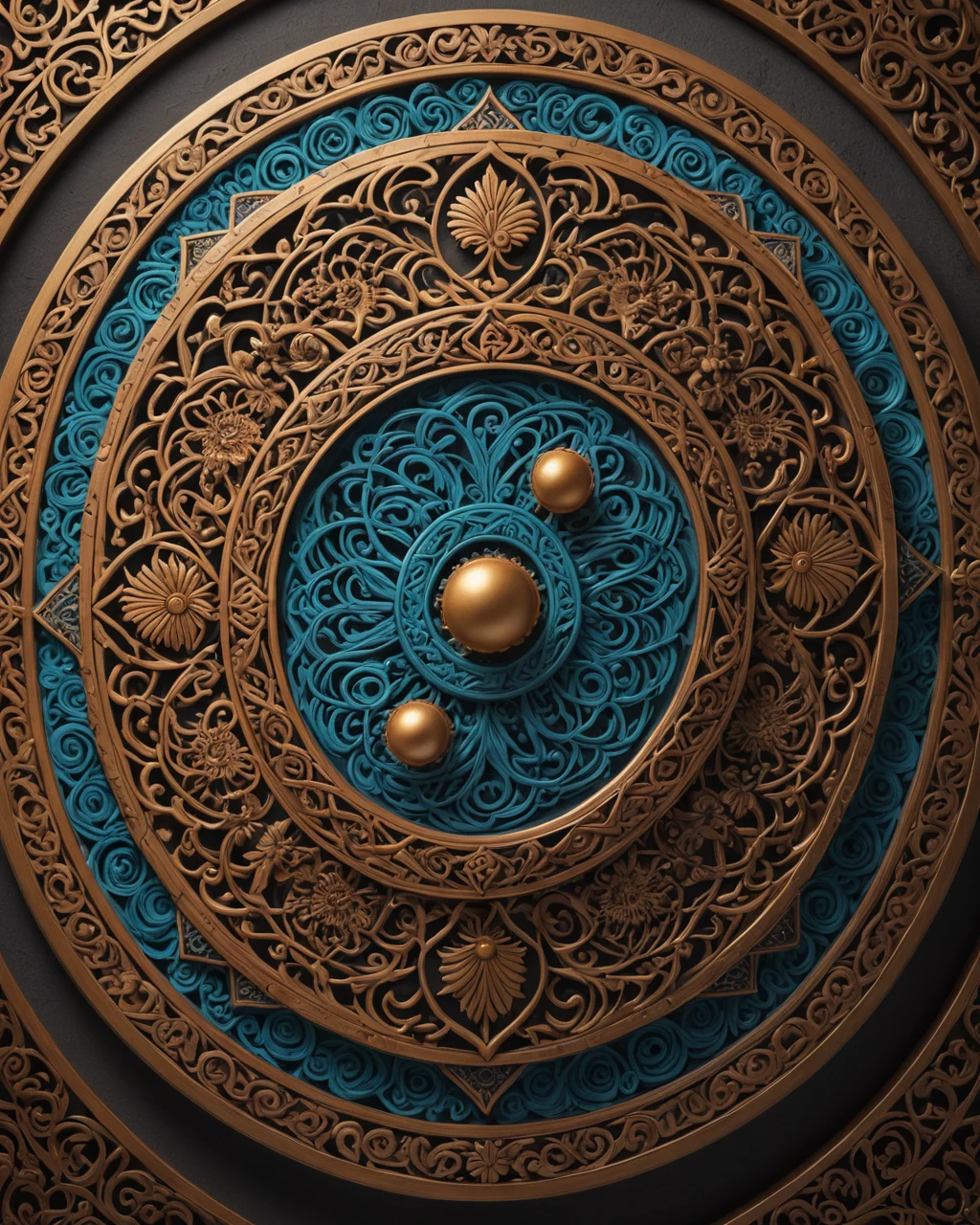
Feng Shui principles are reflected in traditional Asian art, where many artists use spatial qualities in their works. This can manifest through the arrangement of elements in a canvas, the choice of motifs and color schemes that contribute to creating harmony. Modern artists transfer these ideas into their works and find inspiration in Feng Shui teachings, creating unique pieces. Feng Shui in cinema and literature encompasses plots where space becomes an active character. For example, in some films, the use of a Feng Shui ruler and symbols becomes important for creating an emotional background and understanding characters. Feng Shui has become not just a tool for arranging space, but also a powerful symbol of cultural identity.