
Roots of Feng Shui: From Ancient to Modern
Feng Shui is not just a trendy concept, but an ancient art whose roots go back several millennia in Chinese history. In Chinese culture, Feng Shui embodies the harmony between humans and their surrounding space. Historically, Feng Shui was based on observations of nature and celestial phenomena. It is believed that this practice emerged in the 3rd century BC, when the first ideas about the interconnectedness between the elements of nature and human life began to form. Ancient Chinese believed that the proper organization of the surrounding space could influence a person’s health, happiness, and luck. Key elements of Feng Shui include Qi energy, the five elements (fire, earth, metal, water, and wood), and the concept of Yin and Yang. Each of these elements plays a role in creating harmony, so understanding these principles is fundamental to working with Feng Shui in the modern world.
A second important component of Feng Shui is the analysis of the surrounding environment. Specialists pay attention to the location of a building, its relationship to natural elements, and energy flows. For example, it is believed that a house surrounded by natural obstacles such as mountains or rivers possesses a special energy. Creating even simple, but correct forms in the interior, such as smooth lines and corners, can drastically change the energy balance in a space. Reading ancient texts, it is easy to notice how deeply these ideas are rooted in Chinese culture, where even the placement of birdhouses can influence the attraction of luck.
Since Feng Shui appeared in China, information about it has been passed down from generation to generation, accumulating myths and interpretations. It is important to understand that despite millennia of use, some aspects of Feng Shui have undergone changes over time. Today, Feng Shui encompasses not only the material aspects of the environment but also spiritual ones, including meditation and visualization techniques. Thus, the practice of Feng Shui has undergone significant evolution while retaining its ancient roots.
Western Interpretation of Feng Shui: What We Don’t Understand
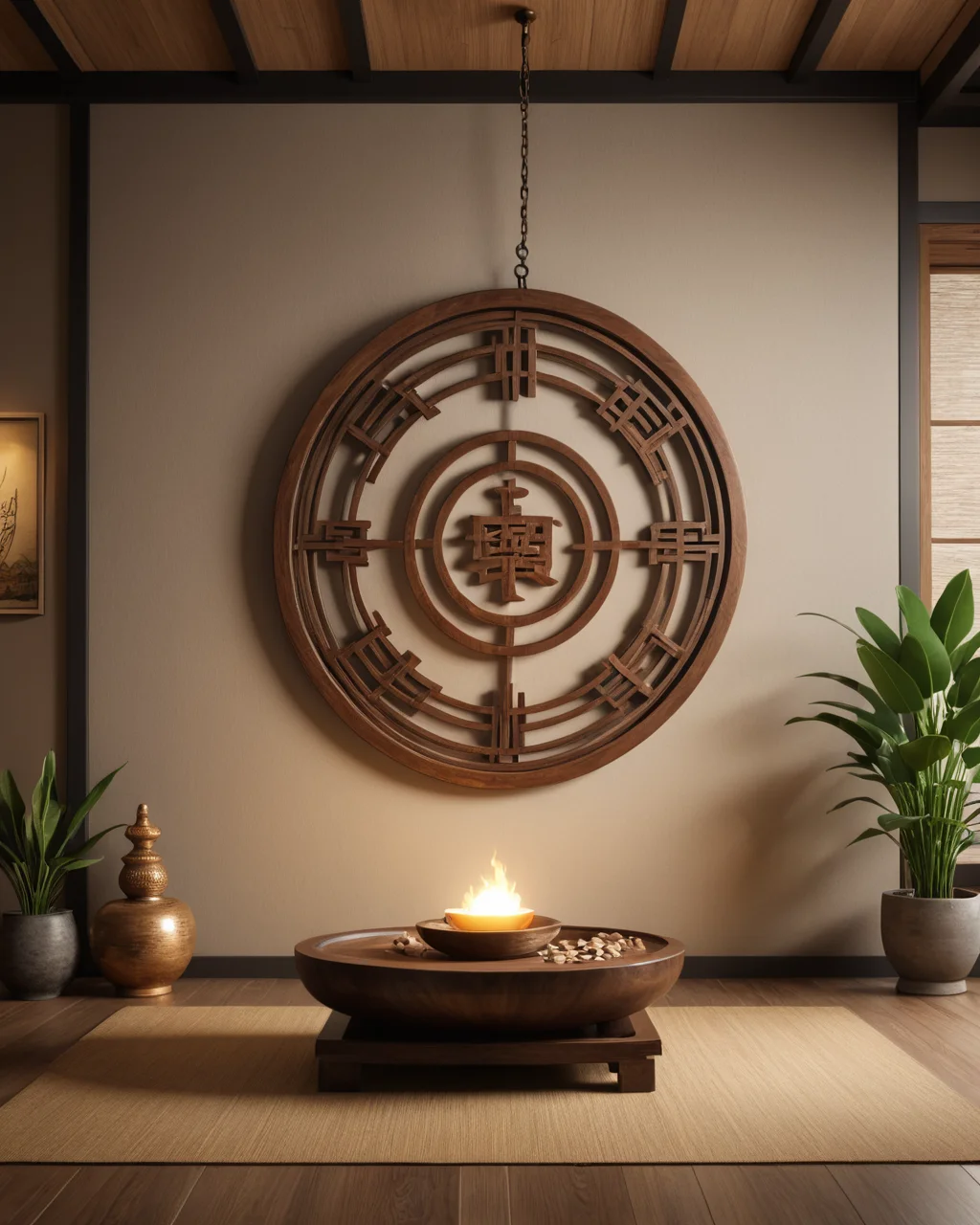
And when did Feng Shui become popular in the West? In the 1970s, as Western society began to take an interest in Eastern philosophies and practices, Feng Shui gradually spread through books, seminars, and various decorating shows. However, as is often the case with fascinating Eastern concepts, likely simplifications, additions, and misinterpretations slowed down the understanding of Feng Shui’s essence. Many Western interpreters start by analyzing simple rules: for example, how to arrange furniture in a room to create the “right” atmosphere. But, alas, their understanding is limited to a superficial adoption of Feng Shui without a deep knowledge of its basic principles.
The commercialization of Feng Shui is another issue worth noting. With endless incense, figurines, and trendy cushions, the impression is created that simply buying the right attributes is enough to achieve harmony. In doing so, most people lose the most important essence of Feng Shui, which is interaction with space. As a result, one can see how individual Feng Shui elements, such as fountains or plants, are used as “enchanted” objects rather than as key elements for deeper harmony.
Many Western practitioners approach Feng Shui as a commercial tool. People seeking to “acquire luck” or “remove negativity” are often manipulated by enterprising advertisers and Feng Shui consultants. These distortions cause distrust and sometimes negative stereotypes about Feng Shui as a useless ritual. Some even believe that Feng Shui is just a trick created to sell more furniture or decor.
Scientific Approach to Feng Shui: Myths and Reality
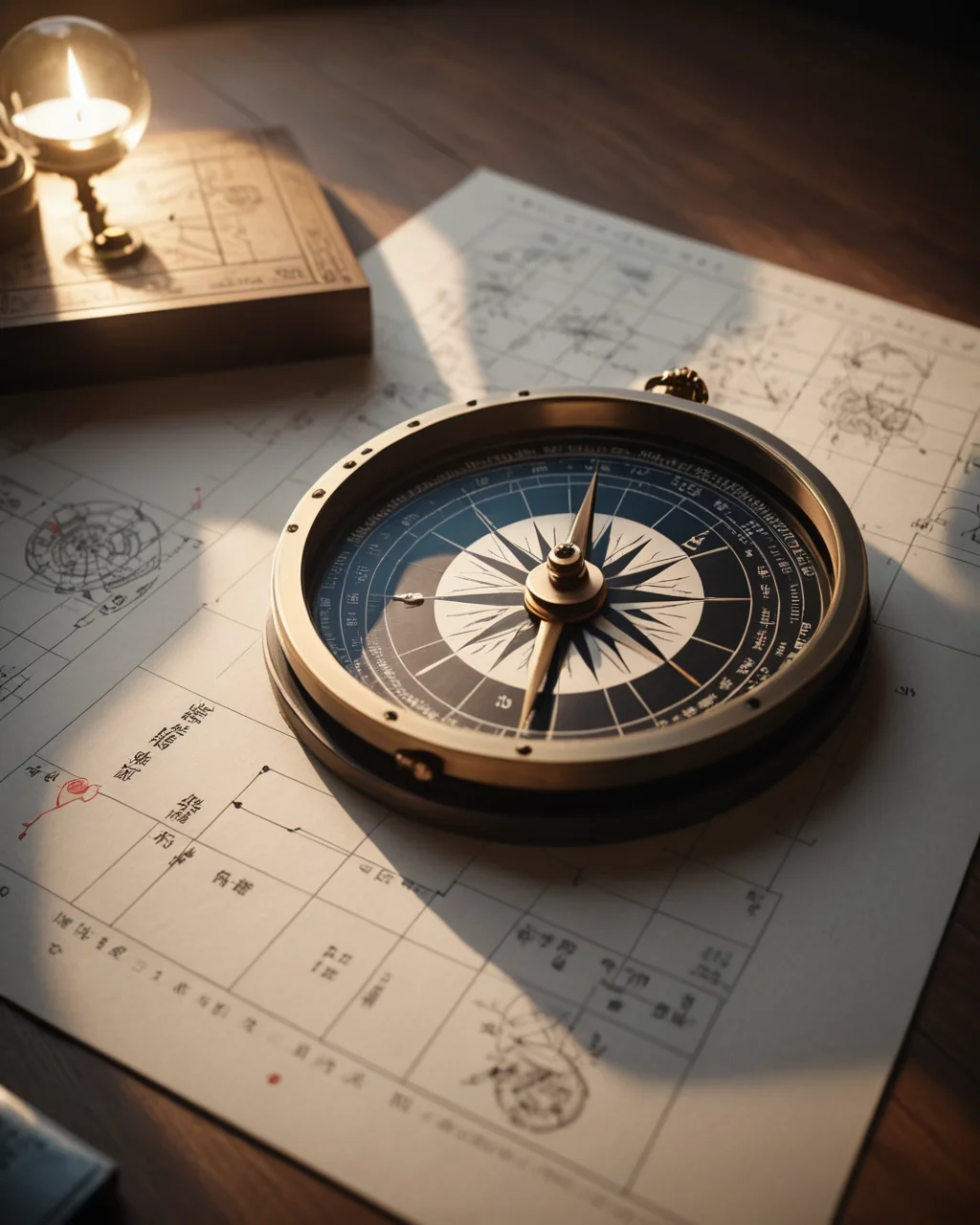
A scientific approach to Feng Shui often sparks heated debates. Unlike Eastern philosophies based on intuitive feelings, Western science relies on empirical facts. Critics of Feng Shui claim that its principles cannot be scientifically substantiated. Nevertheless, there is a zone of contradiction, as is often the case with unusual concepts. For example, research in psychology shows that the environment can indeed affect a person’s emotional state – and this is already a good reason to consider Feng Shui.
Studies show that the physical environment can influence productivity and even health. Research conducted in schools indicates that bright, spacious, and well-organized classrooms yield better results for students. Thus, even if Feng Shui is not always supported by scientific researchers, the principles embedded in Feng Shui find confirmation in scientific findings.
Furthermore, many medical studies draw parallels between positive environmental changes and stress reduction. This creates a basis for considering Feng Shui as a broader concept of space organization that can include time-tested elements. In this context, every detail matters: from neutral color schemes to harmoniously placed objects. Thus, any element, from the placement of a desk to the arrangement of plants, becomes part of a larger and more important picture of our interaction with space.
Feng Shui and Psychology: How Space Affects Emotions

The impact of space on our mood and emotions is undeniable. Did you know that certain colors can evoke different emotional reactions? This discovery has long been noted by psychologists and interior designers who use color palettes to create the desired atmosphere. For example, warm, bright shades can lift spirits, while cool and somber ones can, conversely, cause despondency.
Psychological experiments show that when people are in a disorganized or cluttered environment, it can cause feelings of stress and anxiety. By avoiding chaotic spaces, Feng Shui suggests organizing the environment so that each object helps our emotions remain in harmony. Think about this in the context of your workspace: do you feel good when your desk is piled with papers, or, conversely, when everything is orderly?
One of the relevant aspects of Feng Shui concerns the influence of nature on human emotions. Elements such as plants, natural materials, and even the sound of water help alleviate stress and create a sense of peace. Numerous studies show that the presence of greenery in interiors improves mental and emotional well-being, which is precisely what indicates the need to incorporate natural elements into our spaces. When we return to the ancient foundations of Feng Shui, we can see that many original concepts directly intersect with modern scientific research.
Practical Application of Feng Shui in Western Daily Life

But how can Feng Shui principles be integrated into everyday life? Not only philosophers but also interior designers can answer this question. Simple steps can work wonders: from rethinking furniture arrangement to adding symbolic figurines and plants. It is important to understand that Feng Shui does not involve buying expensive attributes; it is rather based on how harmoniously the surrounding environment can be integrated into your life.
An example of how this works in practice can be seen in company offices that apply Feng Shui principles to increase productivity and improve employee comfort. For instance, rearranging an office where desks are positioned so that employees do not feel each other’s “clashing” energy can significantly change the atmosphere within the team. Working with open spaces and adding greenery has become common practice.
Also popular recently are decorative solutions using light and space. Choosing lighting and strategically placing mirrors can create a sense of more space and light in a room. For example, if a room lacks natural light, proper mirror placement can compensate for this deficiency by reflecting light and increasing it. It is characteristic that such changes are usually easy to implement and do not require significant costs, making them accessible to most people.
Critical Views: Opinions of Experts and Skeptics
Critics of Feng Shui typically operate within the framework of a scientific approach, examining it from the perspective of good and evil and denying its potential impact. They argue that Feng Shui is nothing more than a belief system with no basis. One such figure, a renowned philosopher and psychiatrist, argues in his works that rearranging furniture cannot affect a person’s life. Moreover, much historical data points to distortions associated with various immigrant cultures.
However, other researchers turn to the positive aspects of Feng Shui, including such deviations as attention to detail and interaction with space. Some practitioners claim that even Eastern philosophies, while in full harmony with science, cannot be scientifically substantiated on their own and hinder something greater, as many experiments require special cultural conditions for implementation.
Some experts in positive psychology, consulted in debates about Feng Shui, draw attention to the influence of the environment on emotional stability. Modern research shows that if a person is surrounded by a supportive energetic environment, it can have a positive impact on their health and life experience. Thus, despite criticism, Feng Shui attracts the attention of many researchers and practitioners seeking to understand how space interacts with us in the modern world.
Feng Shui as a Cultural Phenomenon: From East to West
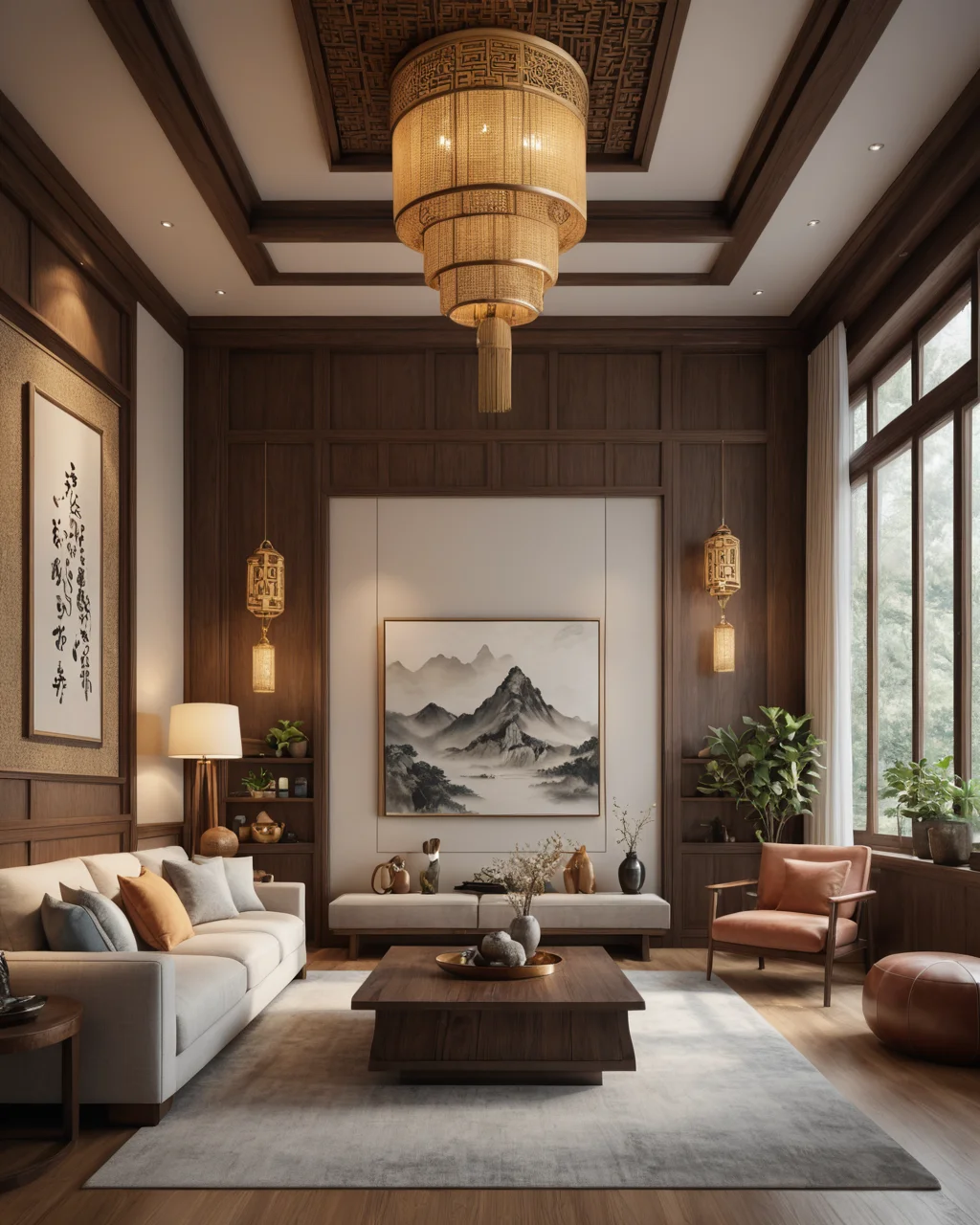
Looking at Feng Shui as a cultural phenomenon, it is easy to notice its influence on various spheres of life in the West. From architectural design to office space organization, Feng Shui principles are embodied in a wide variety of contexts. For example, many restaurants and cafes resort to Feng Shui practices to create a comfortable atmosphere for clients, using natural elements and thoughtful color schemes.
Cross-cultural contacts have also facilitated the exchange of ideas and practices. For instance, visits by Eastern masters to Western countries, Feng Shui seminars, and popularization through online education have made this practice accessible to many people. Many have begun to follow Feng Shui principles in their homes, which has become possible due to the availability of information and training programs.
Moreover, interest in Feng Shui prompts society to discuss broader aspects of our existence. Many people become aware of how their surroundings affect their emotions, leading to a search for harmony and peace of mind. Thus, Feng Shui, far from superstition, becomes a symbol of adaptation and mutual influence between cultures and peoples, society and nature.