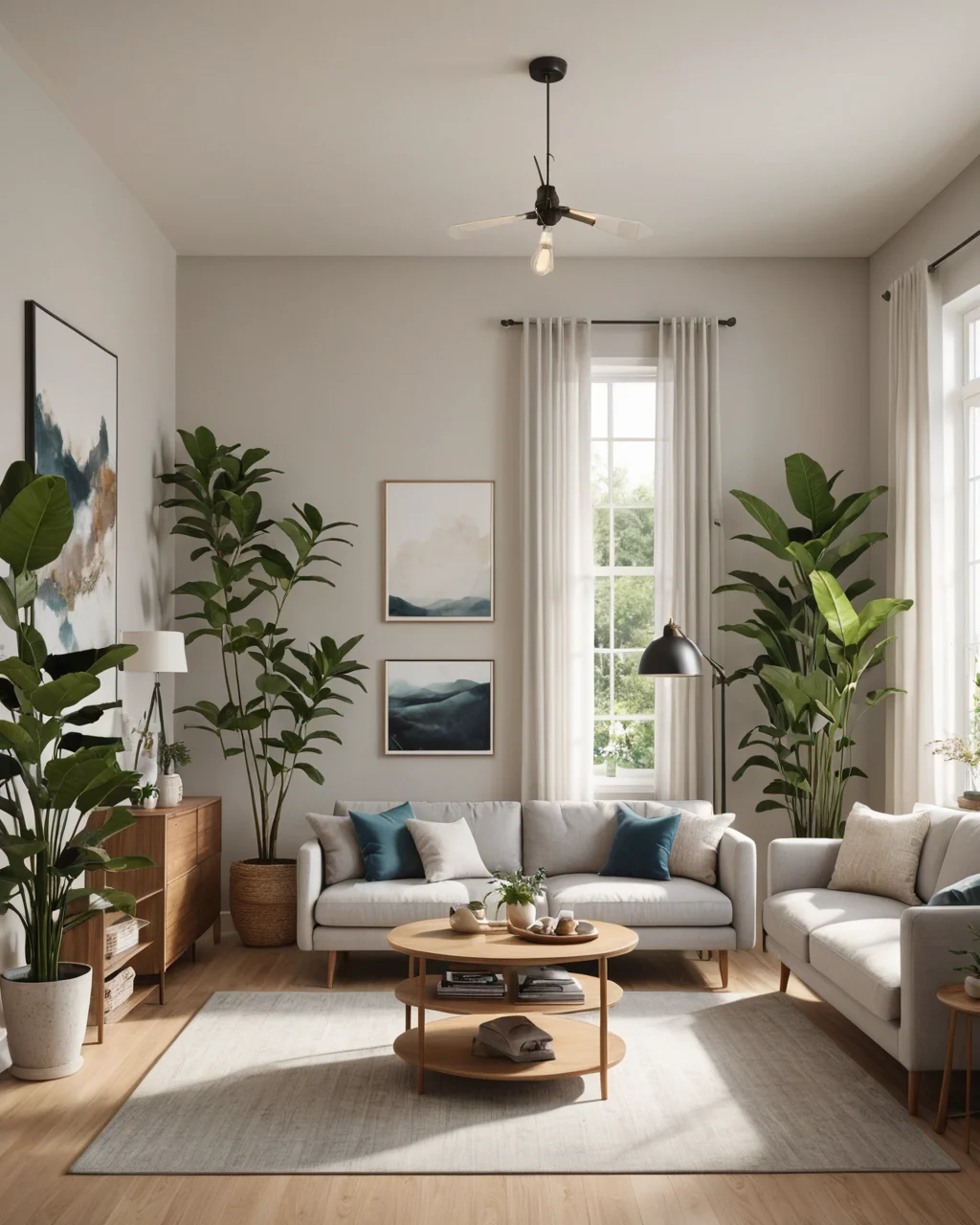
Feng Shui is the art of space organization that allows you to harmonize the energy of your home and create an atmosphere of peace and tranquility. At the core of Feng Shui lies the concept of Qi – the life force energy that permeates everything around us. It moves through space, creating a certain atmosphere, and your well-being and mood depend on this energy flow. If Qi circulates freely and harmoniously in your living room, it will be filled with positive energy, conducive to good communication and relaxation.
It is important to understand that each room has its own favorable and unfavorable zones. According to Feng Shui teachings, the northern part of the living room can be associated with career growth and professional achievements, while the southern part is associated with reputation and public recognition. Knowing these aspects, you can organize your space more effectively. For example, by placing elements that promote career development in the northern part of the room, you will improve your mood and work atmosphere.
It is also important to consider how different elements in the room can affect energy. If your living room has many dark corners or is overloaded with furniture, it can block the flow of Qi, leading to feelings of fatigue or depression. Ensure that there is light and space for movement in every corner, which will create a sense of freedom and lightness.
Furniture Arrangement: Creating Harmony and Balance
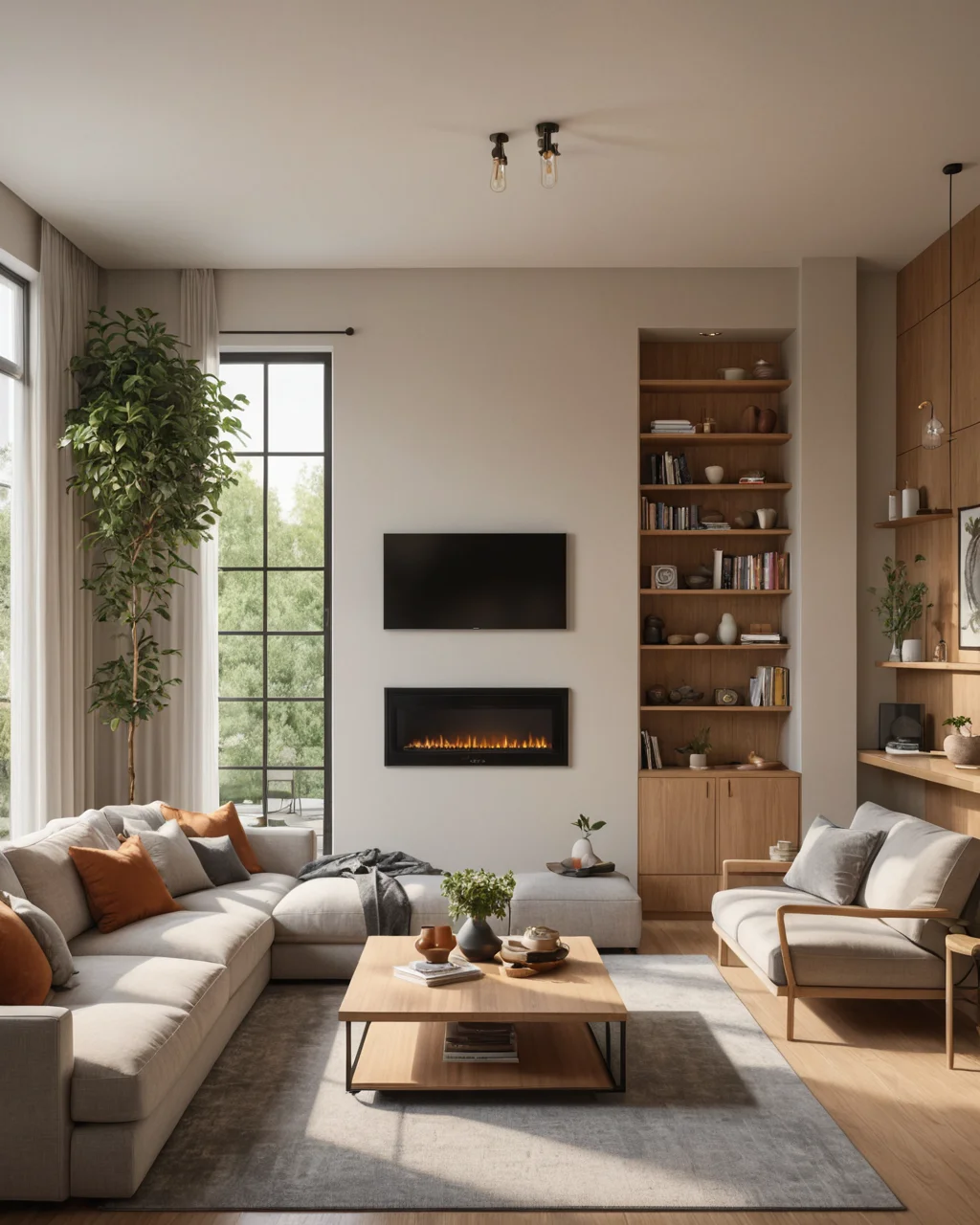
Proper furniture arrangement is one of the key aspects of Feng Shui, allowing you to optimize energy flow in space. Start by positioning the sofa so that it faces the entrance door. This symbolizes openness and readiness to receive guests, and also creates a sense of security. Such placement helps you control the space and feel protected, which is crucial for tranquility.
When choosing furniture, pay attention to its shapes and sizes. Round or oval interior items promote free energy movement, while sharp corners can create imbalance. For example, when choosing a coffee table for the living room, consider making it round or oval – this will help create a more friendly and cozy atmosphere. Additionally, the size of the furniture should correspond to the size of the room – too large items can impede movement, creating a feeling of congestion and limitation.
Don’t forget about the space between furniture. There should be enough space between items for Qi to move freely. Leave at least 70 cm of free space between the sofa and the coffee table – this will help avoid a feeling of clutter. Also, try to avoid creating obstacles between items to prevent blocking the energy flow.
Color Palette: The Influence of Shades on Emotions
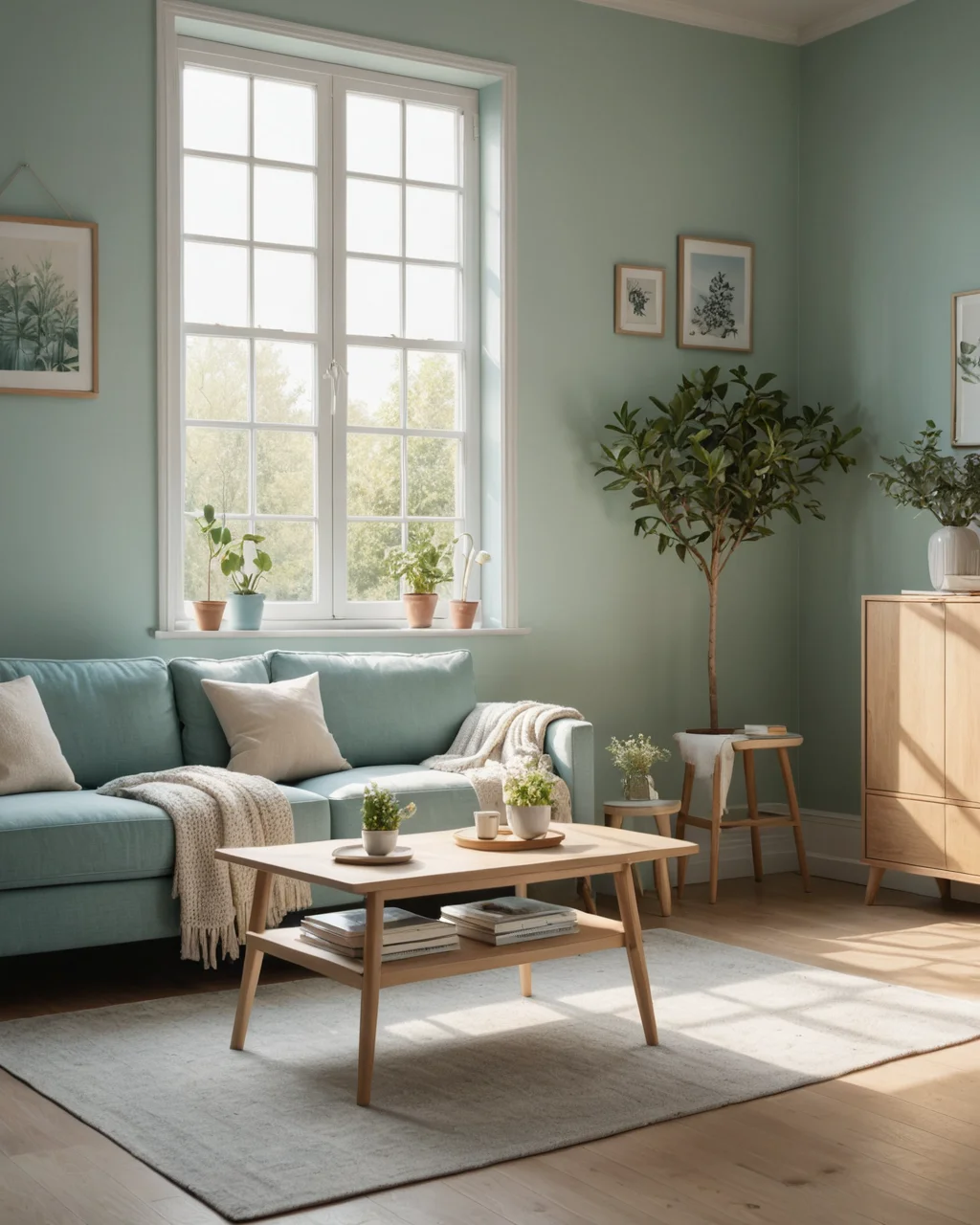
Colors play an important role in Feng Shui, as they can significantly influence our mood and perception of space. The right color scheme for the living room can create an atmosphere of coziness, peace, and tranquility. For example, soft pastel shades like light blue, soft green, or cream create a calm mood and promote relaxation.
At the same time, it is worth considering that each color has its own associations and properties. Red, although it symbolizes energy and passion, can be too aggressive for a living room where you want to create an atmosphere of peace. Instead, opt for warm neutral tones, such as beige or light brown, which create a sense of comfort and stability.
When decorating a space, it is useful to combine different shades. For example, you can use neutral tones for the walls and add bright accents in textiles – cushions, curtains, or paintings. This will not only refresh the interior but also help create a balance between calmness and activity, which is crucial for a harmonious perception of space.
Nature in the Interior: Plants and Natural Elements
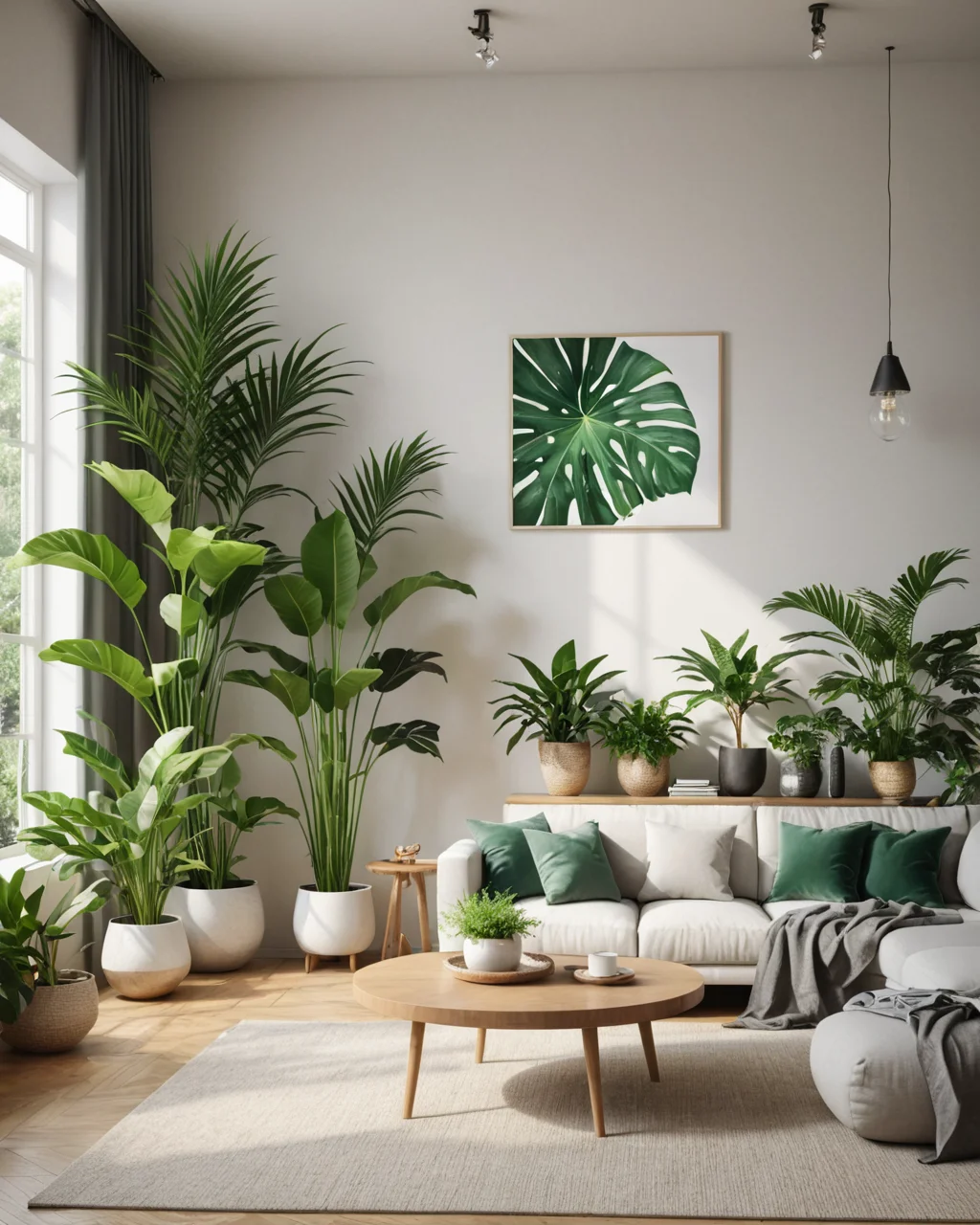
Green plants play a key role in Feng Shui, as they purify energy and improve the microclimate in a room. They can not only decorate the space but also create a sense of closeness to nature, which promotes tranquility. When choosing plants for the living room, pay attention to species like myrtle, ficus, or dracaena – they are not only beautiful but also considered symbols of luck and prosperity.
It is also important to consider Feng Shui goals. For example, if you want to attract harmony and love, you can place a small plant next to the sofa that symbolizes these qualities. In this case, pink flowers or orchids would be an excellent choice. By placing them in a prominent location, you will create a space filled with positive energy and love.
Don’t forget about other natural elements – such as water and wood. Figurines with water motifs or aquariums can also attract good luck and enrich the energy of the room. Use natural materials, such as wood or stone, for furniture and decor – this will further enhance the connection with nature and create a harmonious space.
Lighting: Creating the Right Atmosphere
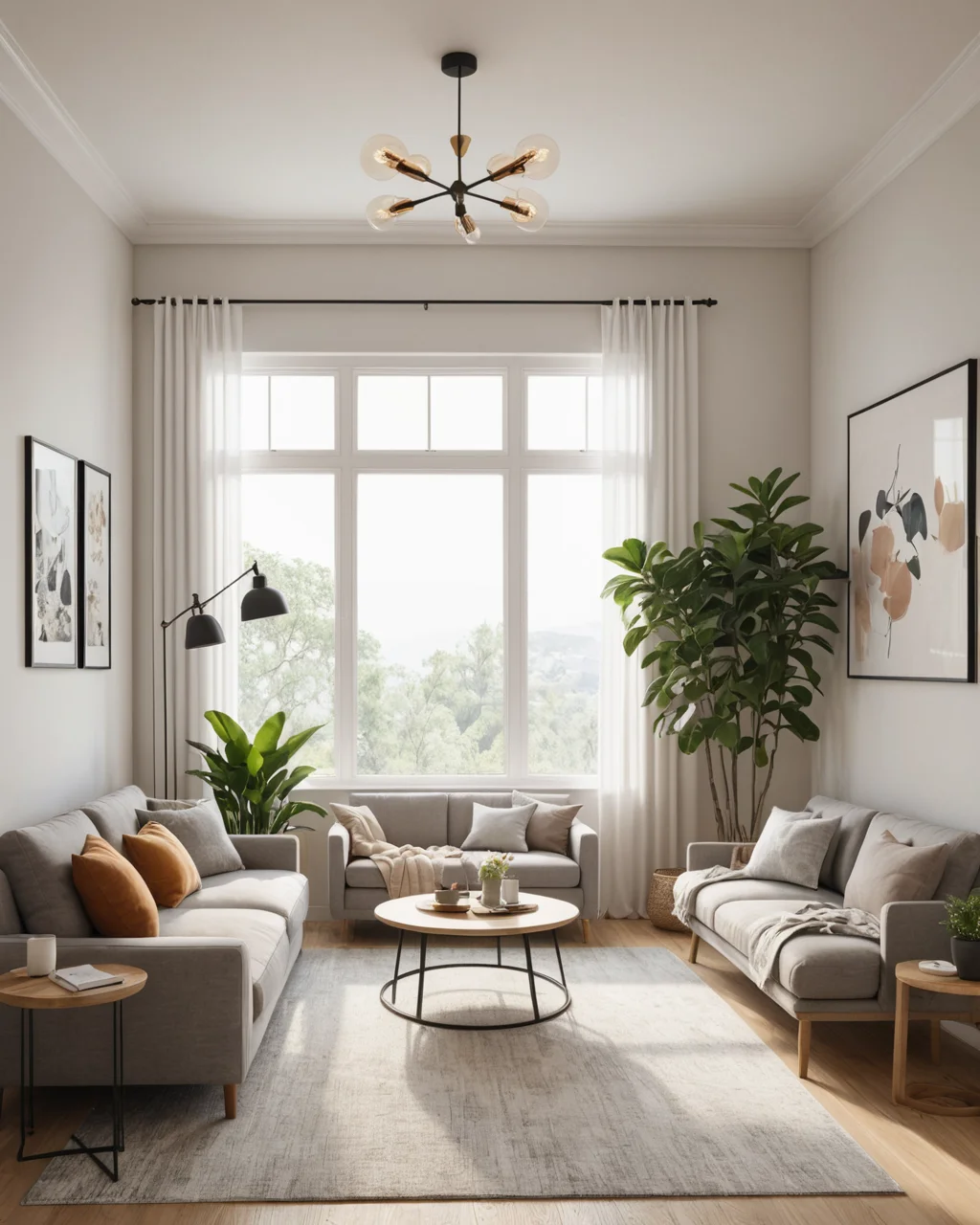
Lighting is another important aspect of Feng Shui that can dramatically change the atmosphere in your living room. Natural light promotes well-being and increases energy levels. Therefore, if possible, try to maximize daylight: arrange furniture so that windows are not shaded, and use light curtains that let in light.
Artificial lighting also matters. Use different light sources – main lighting, wall sconces, floor lamps, and table lamps. This will allow you to create a multi-layered atmosphere that can be easily changed depending on the time of day and mood. Soft light creates coziness, while bright lighting helps concentration and work.
Pay attention to the color temperature of the lighting. Warm tones create a more relaxing atmosphere, while cool tones can cause discomfort. Therefore, choose lamps with warm light for the living room to create a pleasant and harmonious space conducive to relaxation and communication.
Accessories and Decor: Completing the Look
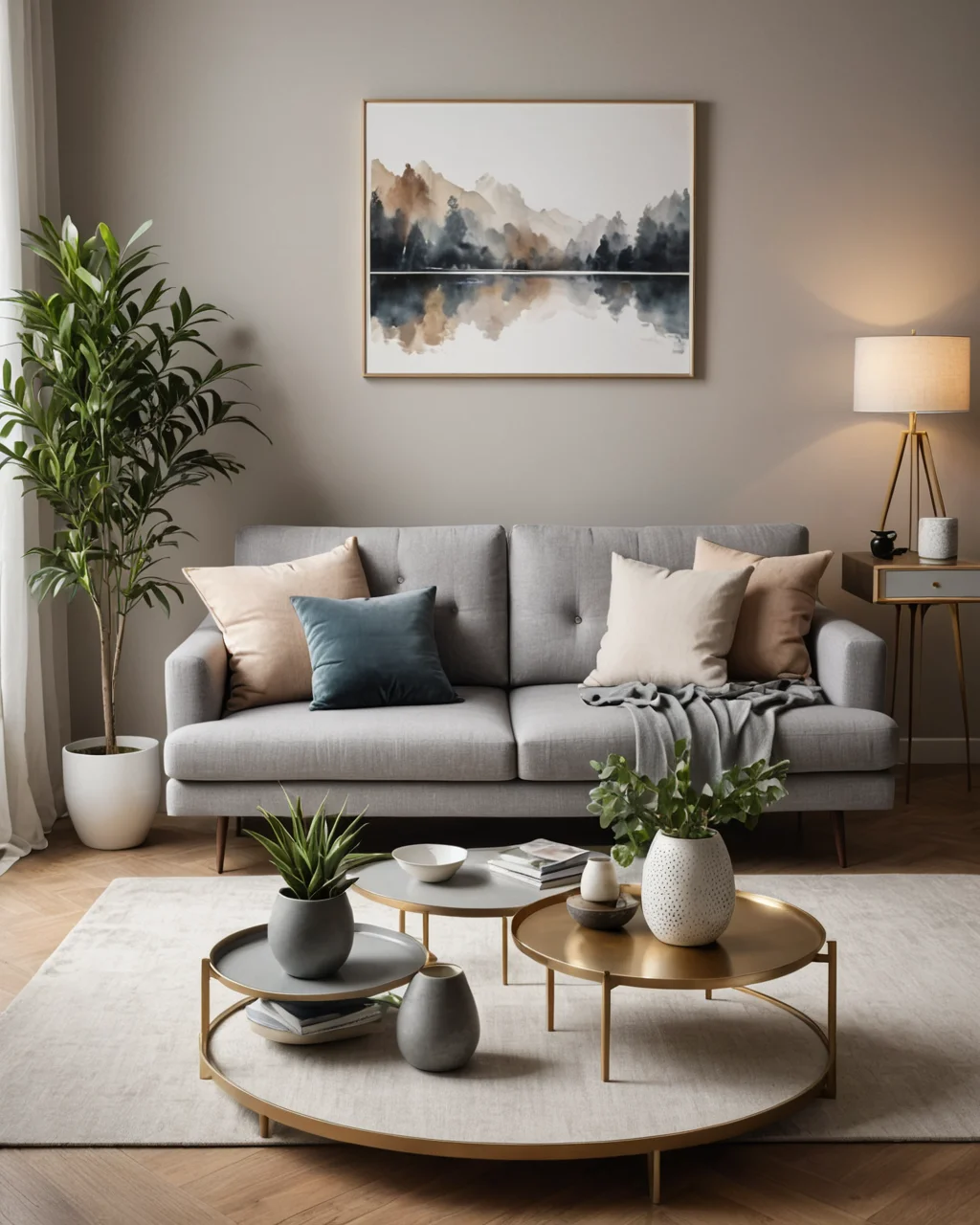
Accessories and decorative elements are the finishing touches that can significantly affect the energy of your space. It is important to use them correctly to improve the atmosphere in the room. For example, paintings symbolizing happiness and success can stimulate positive emotions and inspire success. Make sure they are placed at eye level so that their energy is accessible for perception.
However, you should avoid excess and clutter in decor. An overloaded space can block energy flow and create a sense of chaos. Try to choose only those items that are truly dear to you and that bring joy. Simplicity and minimalism are often more effective than abundance.
Functional decorative elements are also important. For example, cozy throws and pillows not only add visual comfort but also create coziness. Place them on the sofa so that they are easily accessible – this contributes to creating an atmosphere of warmth and security.
Sounds and Aromas: Sensory Enrichment of Space
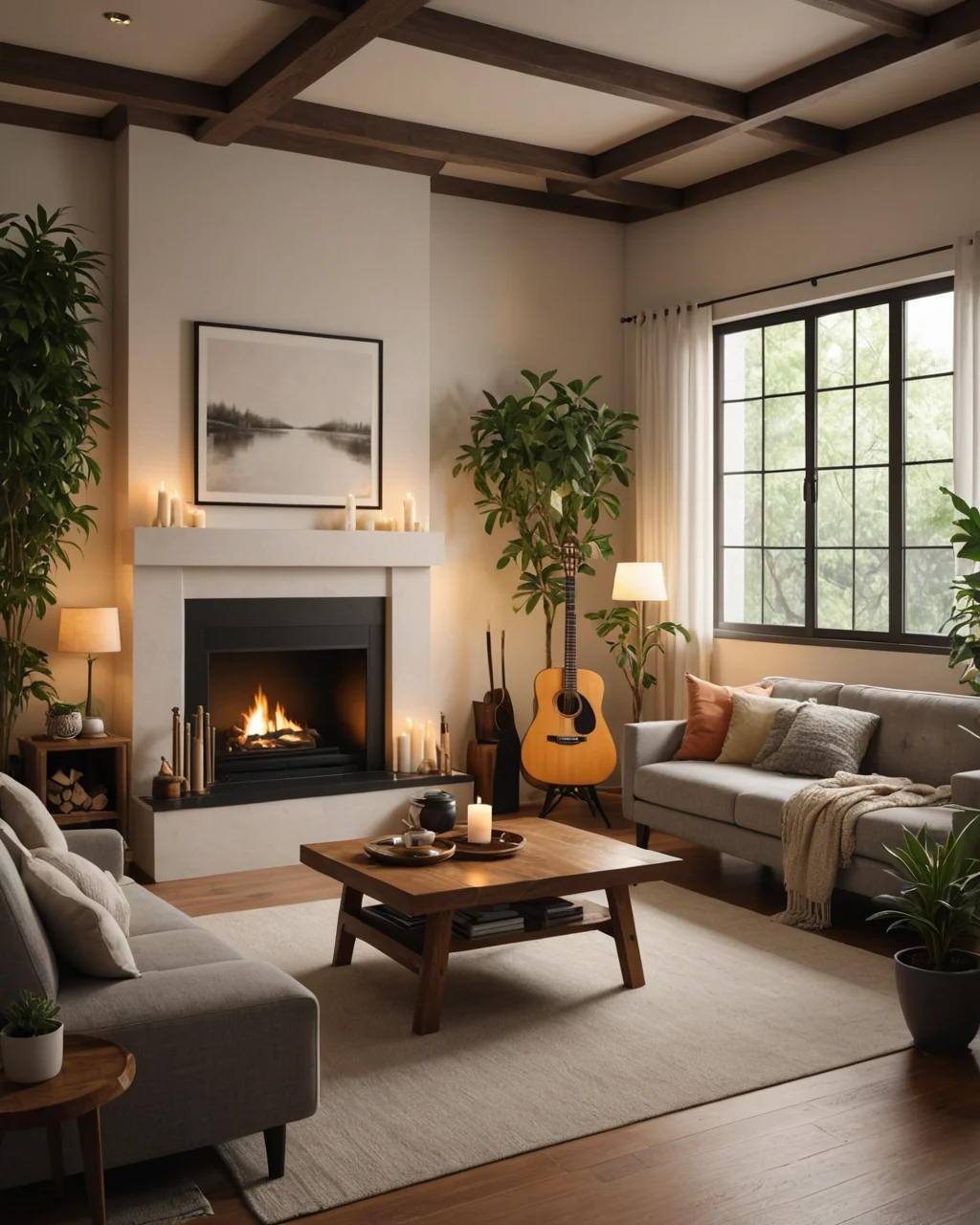
Sounds play an important role in creating coziness and comfort in the living room. Calm music or nature sounds help to relax and set a positive mood. Use sound elements, such as fountains or musical instruments, to enrich the sound palette of your space. This will create a sense of harmony and unity with nature, which is very important for Feng Shui.
Don’t forget about aromas either. Essential oils, scented candles, or diffusers can positively affect the overall perception and state. For example, lavender helps to relax and improve sleep quality, while citrus aromas, such as lemon or grapefruit, lift the mood and provide energy. Choose aromas depending on the state you want to create in the living room.
The combination of the right sounds and aromas will help create a unique atmosphere in your space that will promote tranquility and inner peace. Ensure that these sensory elements are harmoniously integrated into the overall design of the room.