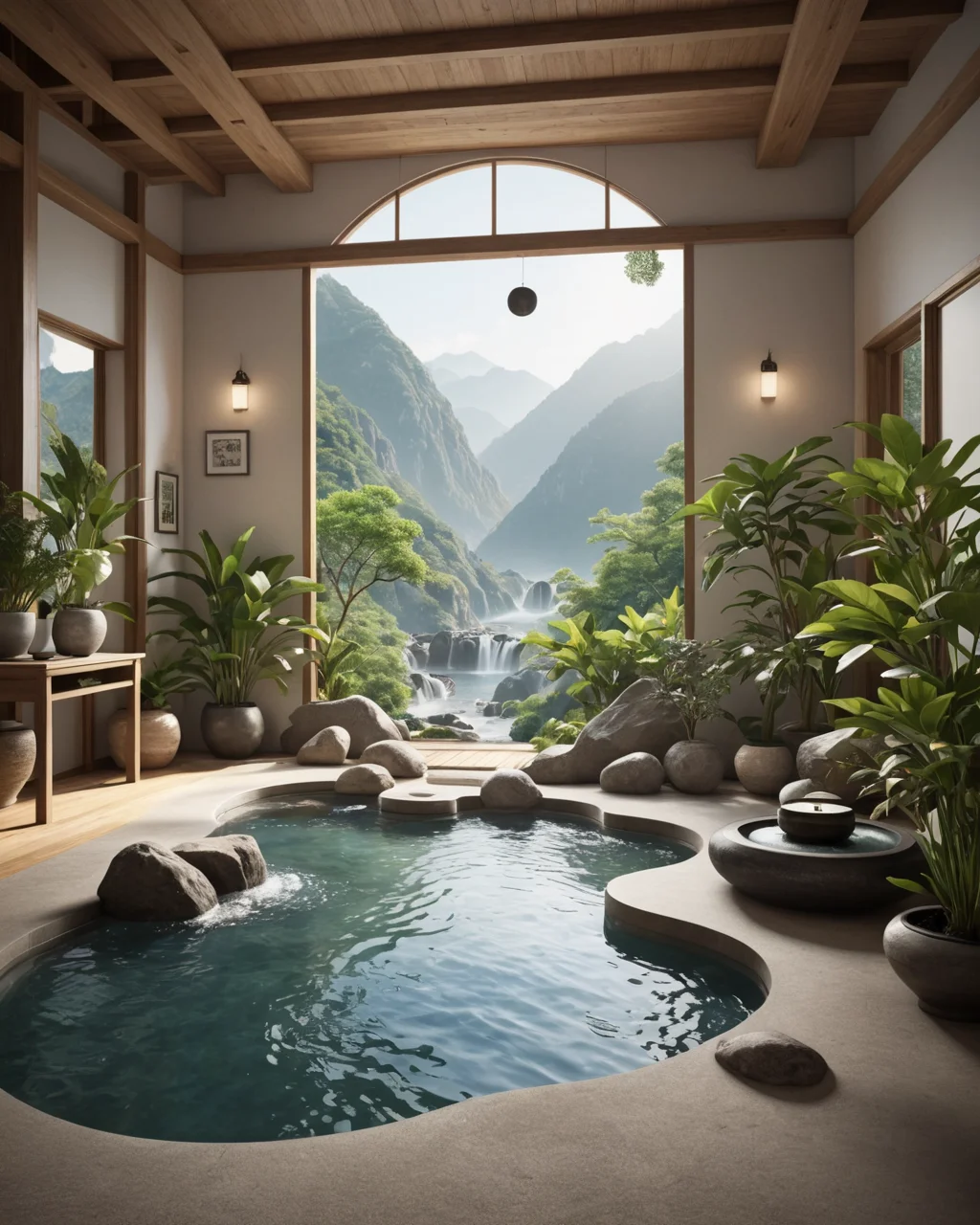
Feng Shui: The Art of Harmony and Balance
Feng Shui is not just a way of arranging furniture; it is a whole philosophy whose roots go deep into Chinese culture. For millennia, it has been used to create harmony between people and the surrounding world. An invariable attribute of Eastern wisdom, Feng Shui emerged as a practical science aimed at exploring human interaction with space. This practice combines elements of nature, architecture, and psychology, allowing for a completely new depth of understanding of both the inner and outer worlds. Feng Shui depicts the energy of the places where we live as a way to improve the quality of life. For example, a long tabletop, where papers and other small items constantly accumulate, can block the flow of Qi energy, and consequently, affect your emotional state. Feng Shui implies that every action has its consequences, and the ability to arrange objects in space can influence our mental state, health, and even financial well-being. Feng Shui teaches us to pay attention to details and actively use space to improve our inner world. Furthermore, it is worth noting that Feng Shui has certain principles that can be implemented in everyday life without much effort. For example, to create harmony in your home, you can consider aspects such as the method of bed placement, paying attention to lighting, and color choices. You’ll agree, no one wants to sleep under heavy wardrobes or near sharp corners, as this can be quite disturbing not only physically but also psychologically. Our home is not just walls; it is our reflection, and the principles of Feng Shui can serve as a compass in the search for inner harmony and comfort. Feng Shui is more than just a set of rules; it is an opportunity to set the rules of the game to create a space where you feel good. By applying just a few techniques, you can make your everyday life brighter and more fulfilling. Moving one or two things can not only free up your space but also charge it with positive energy.
Mindful Breathing: The Path to Inner Peace
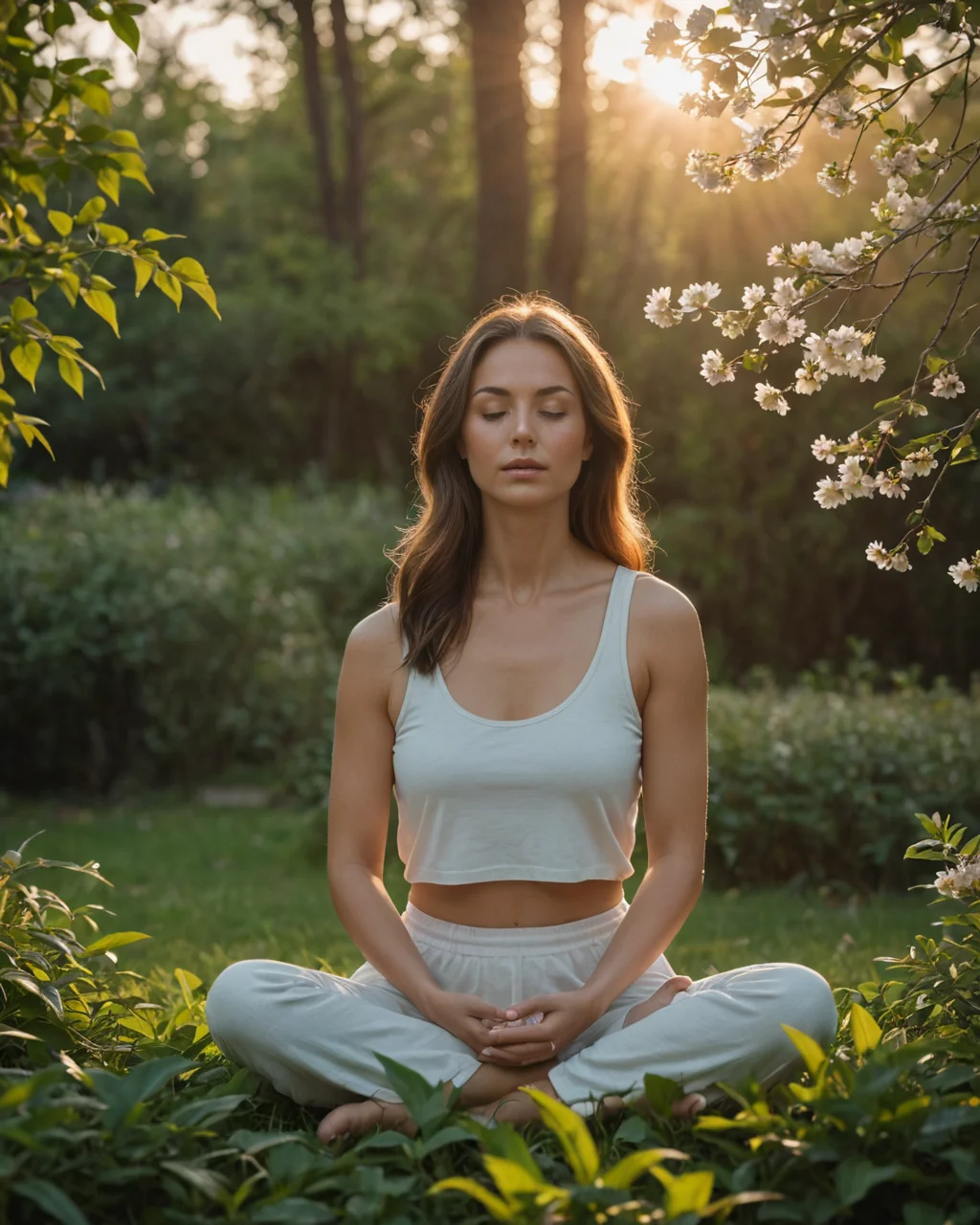
How do you know if you are breathing mindfully? Mindful breathing is not just about how we inhale and exhale air, but also about being aware of each breath, each moment we spend in this process. It helps to envelop us in an invisible blanket of calm and tranquility. Studies show that mindful breathing helps reduce stress levels, improve concentration, and control emotions. For example, have you ever tried to count your breathing cycle during important negotiations? I don’t think it’s much fun, but by learning to engage with your breath, you gain control that allows you to be at the center of events. Mindful breathing allows us to escape constant hustle and bustle and focus on our inner world for a moment. It’s a whole new level of personal space – an inner oasis that allows us to explore and understand ourselves much more deeply. It is important to understand that mindful breathing is a technique that anyone can master. For example, you can start with simple meditations where the focus is on breathing. Mindful breathing techniques for beginners include a few simple exercises: a deep inhale to the count of four, holding your breath for four counts, and a slow exhale to the same count. Try practicing this a few times a day, and you’ll be surprised how your emotional state transforms. Moreover, there are phone apps that help you track this process, creating convenient rewards for your persistence. Sometimes, just opening the app is enough to immerse yourself for a few minutes.
The Interconnection of Feng Shui and Breathing Practices
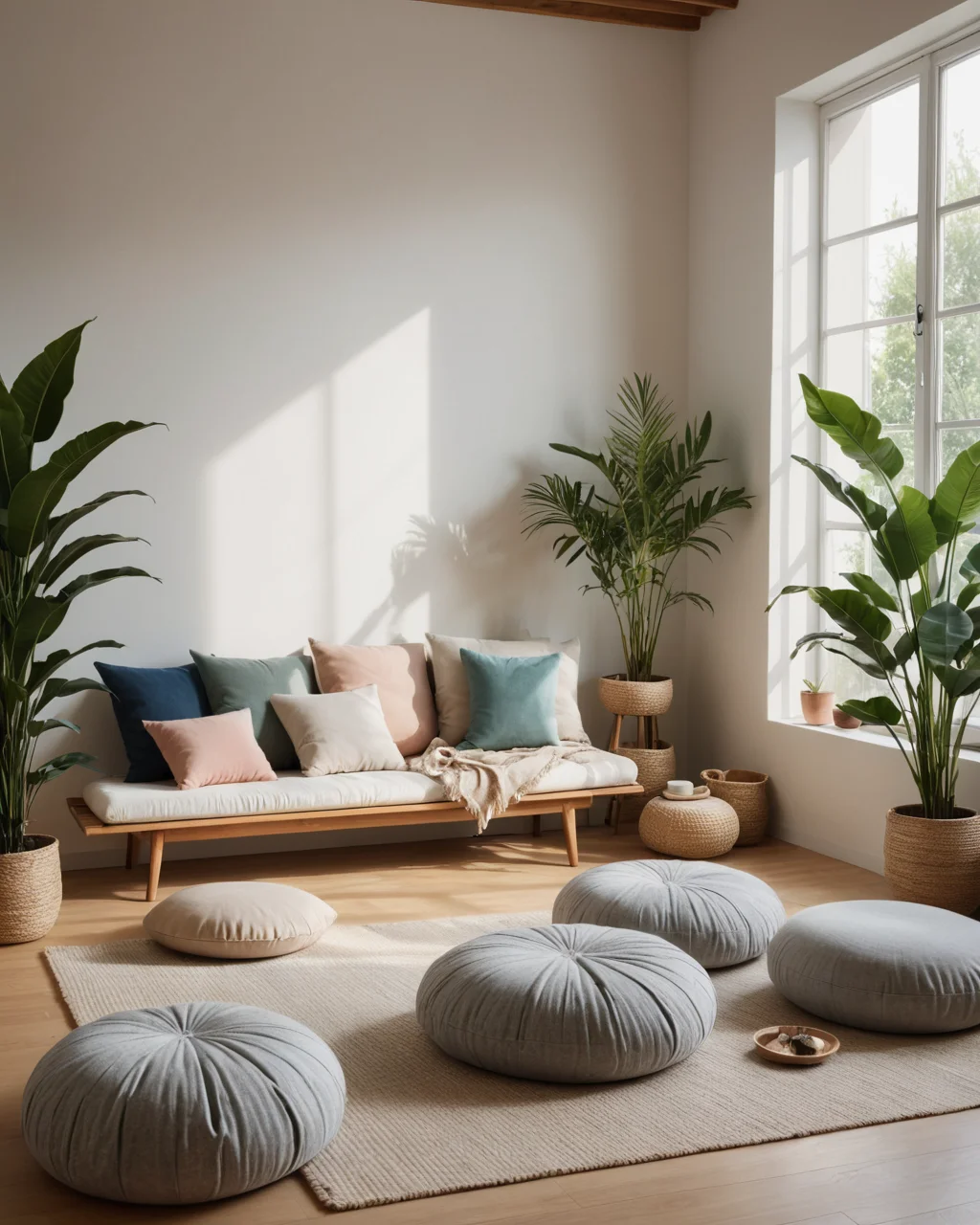
The concept of energy flow in Feng Shui is closely related to breathing practices. It is important to understand that the air we breathe is not just a gas; it is a source of energy that can change our lives. Proper breathing can significantly improve the circulation of Qi energy in our space, making it more harmonious and livable. When you breathe mindfully, your body and mind begin to work in unison, and the space around you fills with positive energy. It’s like with aromatherapy with light oils – believe me, when a room smells of something, it already looks different. Such practices can create feelings of calm and confidence in your inner state. It is important to learn to create a conducive atmosphere for breathing practices. For example, you can use natural materials such as wood and stone to create a calm space that will distract you from the hustle and bustle of the outside world. Adding plants can also be a key part of your self-discovery process. For example, you can get a plant that corresponds to the elements of your personal Feng Shui and observe how it affects your emotional state. Use plants that purify the air and make it cleaner, which, in turn, will affect your overall well-being. Simplicity and naturalness are the keys to success in Feng Shui.
Feng Shui Elements in Breathing Exercises

Let’s analyze things more simply: how can we use elements of nature in breathing practice? For example, you can be outdoors in a park and notice how your breaths synchronize with nature. The sounds of the wind, the singing of birds become part of your inner dialogue, part of your practice. Don’t forget that water is an important Feng Shui element that can help you immerse yourself better in your breathing exercises. For example, practicing near water bodies or flowing springs creates excellent conditions for mindful breathing. If you live in an urban environment, don’t despair; you can create a similar space at home – for example, by decorating your bathroom with stone and shell ornaments. Choosing the right place for practicing mindful breathing also plays a significant role. If possible, find a quiet area where nothing will disturb you. It doesn’t have to be a separate room, but at least a corner shielded from noise and distractions. It is important to create a space that will remind you of your intention to practice mindful breathing. Make sure there is some natural light, as this can elevate your energy to a higher frequency. Also, add something pleasant – for example, a centerpiece made of a photograph or a stone that symbolizes your inner journey. Feng Shui elements in breathing exercises not only support the practice but also bring joy to the creative process.
Practical Tips for Integrating Feng Shui and Breathing
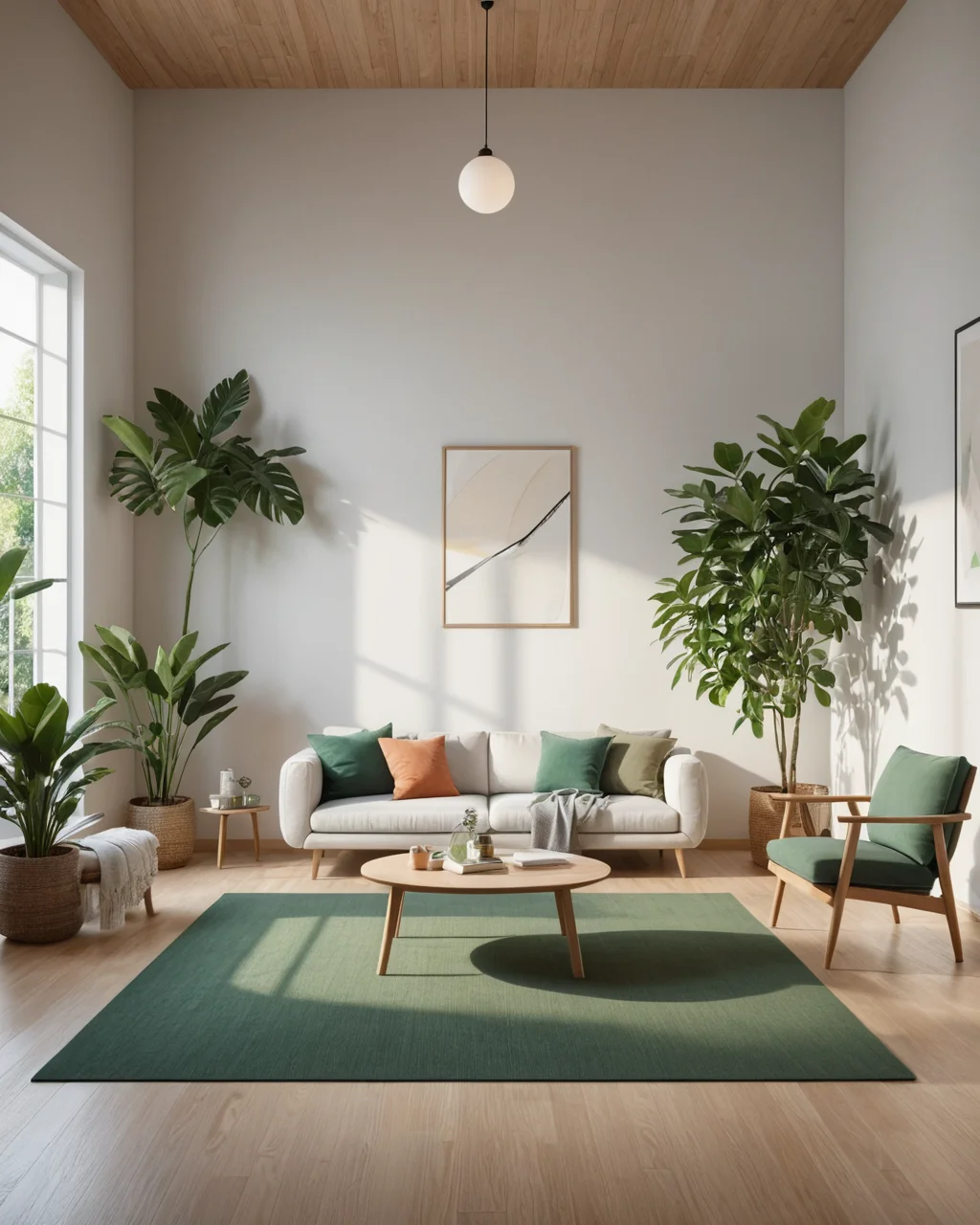
Now that we understand how different practices are interconnected, we can move on to more practical advice. Firstly, creating a personal space for practice becomes a key point. For example, proper furniture arrangement can change not only the appearance of the room but also your attitude towards it. Try to arrange your interior items so that they don’t block the space – let your breath flow freely through the room. Try experimenting a little – change the positions of tables and chairs. You may need to remove something from the space to feel lightness. How to incorporate mindful breathing into daily activities? It’s easier than it seems! Start with what you do throughout the day. For example, you can pay attention to your posture while working at the computer. Try to take breaks during which you can focus on mindful breathing. This will diversify your work routine and help you regain strength. A simple tip is to offer yourself to practice mindful breathing for a few minutes during breakfast or lunch. Breakfast with mindful breathing is not only a way to start the day right but also an opportunity to indulge yourself by focusing on joyful moments, such as the taste of food. You can also try taking short breaks during your international day – dedicate time to your inner energy and help yourself not to lose balance.
Benefits of Synergy: Health of Body and Spirit
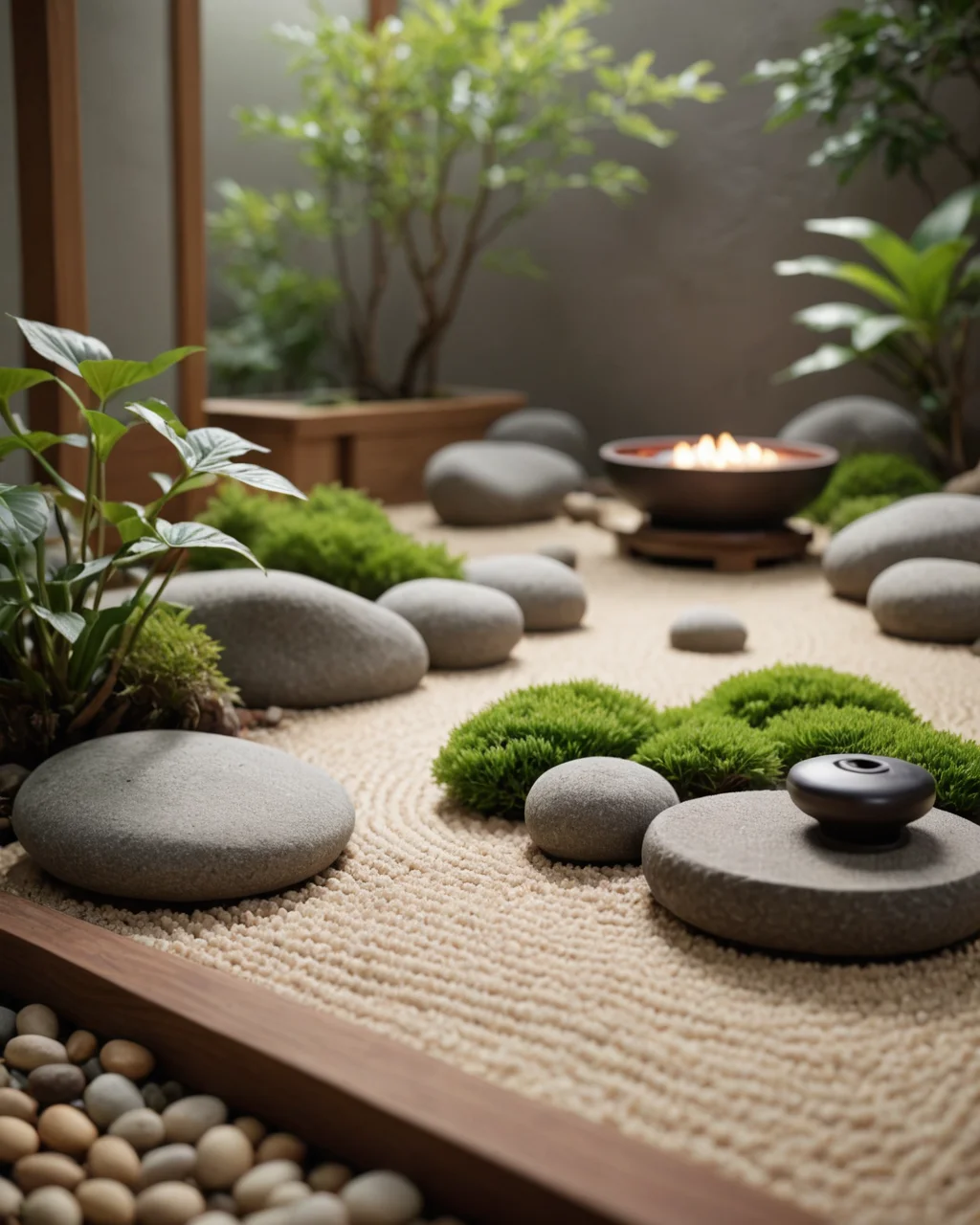
The application of Feng Shui and mindful breathing methods yields incredible results for both body and soul. For example, studies confirm that regular practices help reduce anxiety and stress levels, improve sleep quality, and increase overall life energy. These are not just words – many people who have started using these methods in their lives report significant improvements in their quality of life. Stories of successful transformations inspire not only those who believe in Feng Shui or breathing practices but also those who simply want to improve their perception of life. For instance, I once met a woman who, after starting mindful breathing practice and improving her daily routine, discovered that she became much more focused and less prone to stress. We live in a world full of uncertainty, and such techniques can become a true lifeline for the health of spirit and body. Combining Feng Shui and mindful breathing can grant you new creative forces and discoveries you never suspected about yourself. You can become the creator of your inner reality!
The Future of Practices: Modern Trends and Research
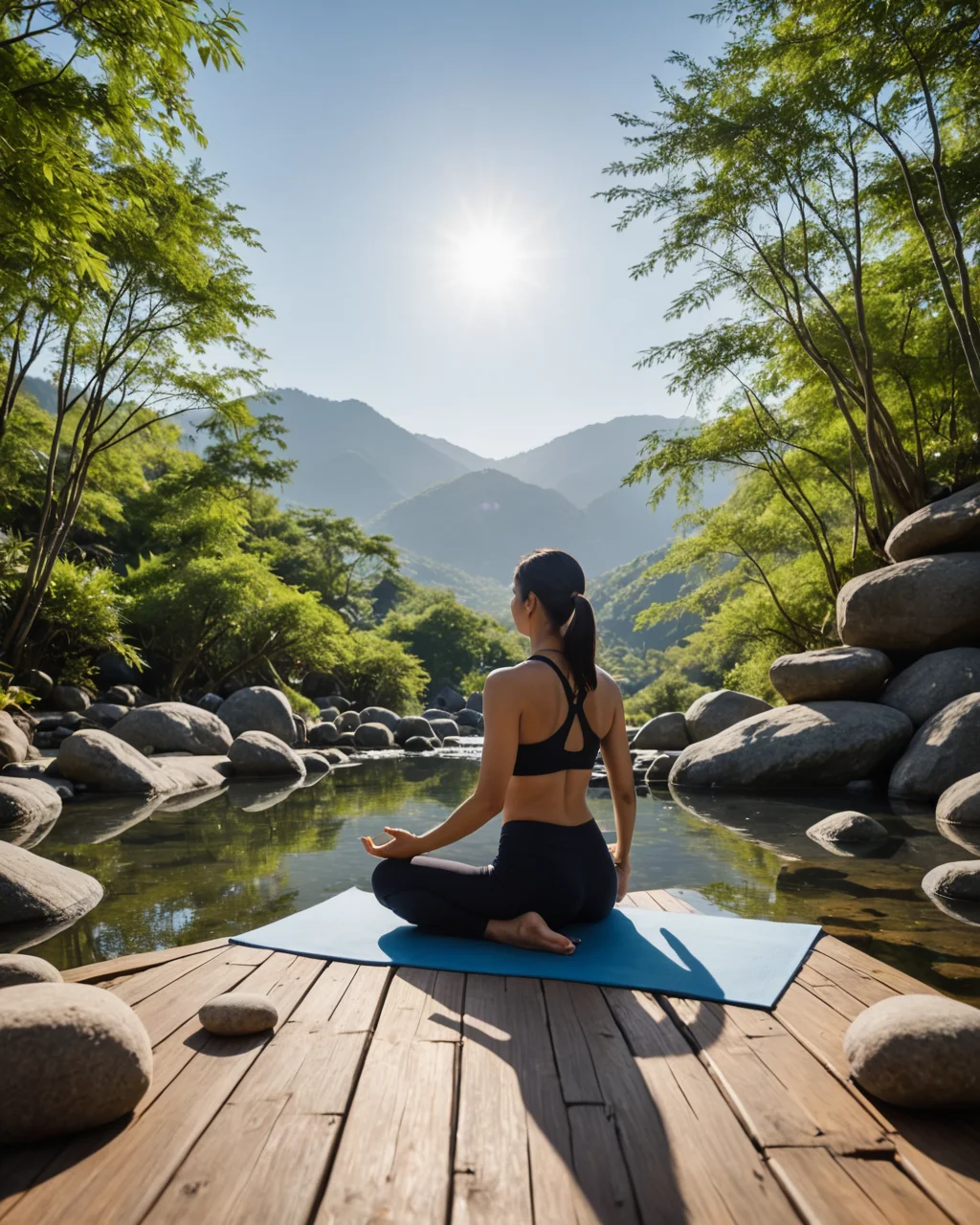
In the final section, we will touch upon the future of practices such as Feng Shui and mindful breathing. Science is rapidly developing, and new research shows that both practices are becoming increasingly relevant. For example, over the past few years, thanks to the popularization of yoga and meditation, people have begun to discover and integrate them into their daily lives – the less contact with technology, the happier we are. It is interesting that the trends surrounding these practices are becoming new ways to achieve inner harmony in the conditions of modern cities – this, in turn, inspires people to change their habits and outlook on life. Feng Shui is being integrated more and more, not only in interiors but also in public spaces. In large cities, spaces are appearing designed with Feng Shui in mind, where people can explore the resources of their inner world while staying connected to their surroundings. Brands consistently delight with various products that allow integrating mindful breathing and Feng Shui practices into everyday life. From interior items to apps that help track stress levels. It seems we still have many discoveries ahead that can change not only our worldview but also our lives as a whole. We have witnessed a turning point where traditional knowledge and modern technologies go hand in hand in the search for harmony and peace. Feng Shui and mindful breathing continue to inspire masters, scientists, and practitioners. It seems that in this pursuit of inner peace and harmony, we feel how quickly the days pass, and yet we are still looking for ways to make our lives a little more joyful and fulfilling.