Feng Shui for a Living Room in a Private House for Tranquility

Feng Shui is an ancient Chinese science that studies the influence of the surrounding space on a person’s inner harmony. The basic principles of Feng Shui are aimed at creating a comfortable and harmonious environment in which people live and develop. It is important to understand that every detail of the interior, from the choice of furniture to the wall colors, affects the atmosphere of your home and overall well-being.

One of the key concepts of Feng Shui is Qi energy. It represents the life force that permeates everything around and promotes harmony in space. For Qi to circulate freely, it is important to monitor how interior items are arranged and how the space is organized. A well-balanced environment helps to avoid energy stagnation, which, in turn, affects the health and emotional state of its inhabitants.

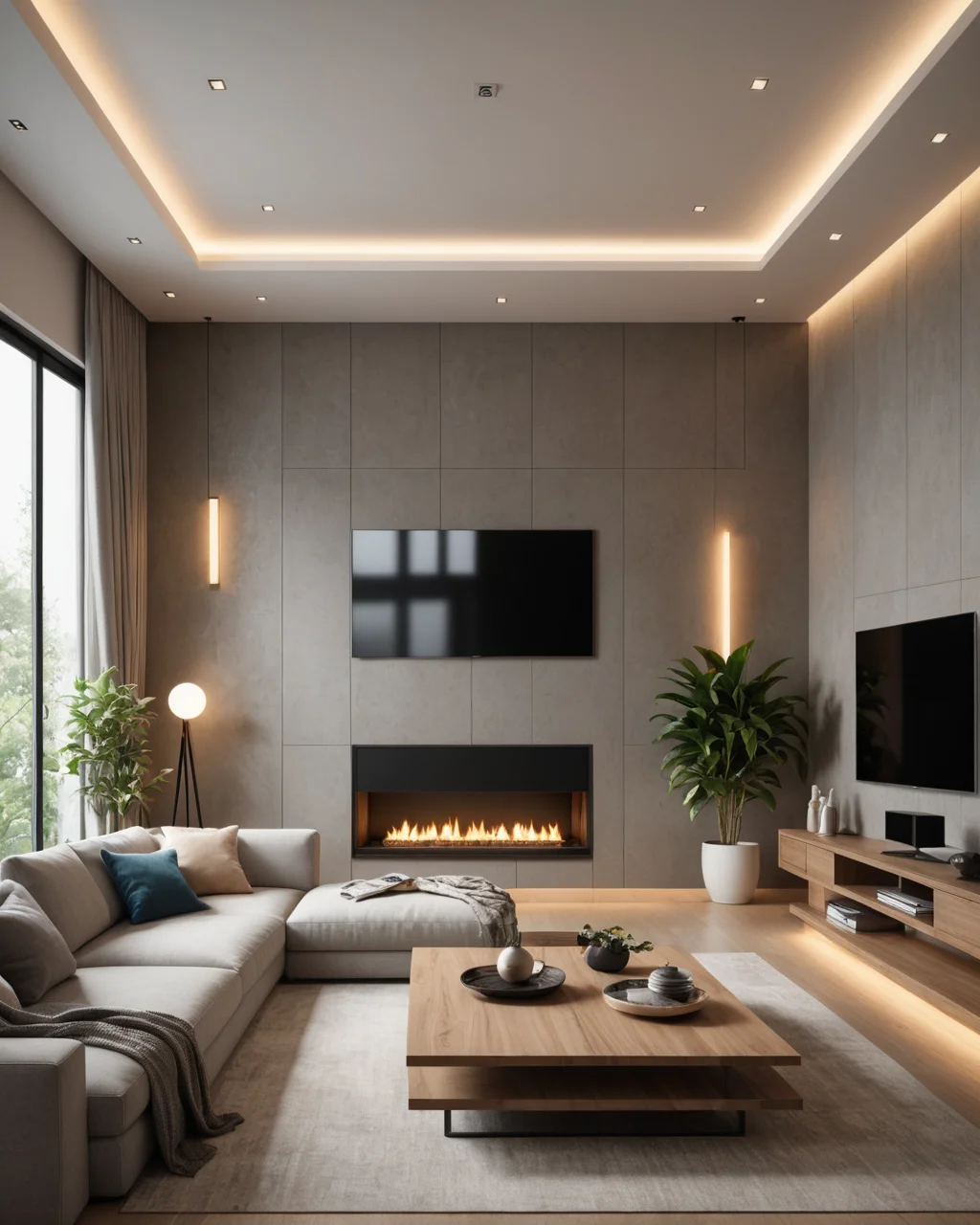
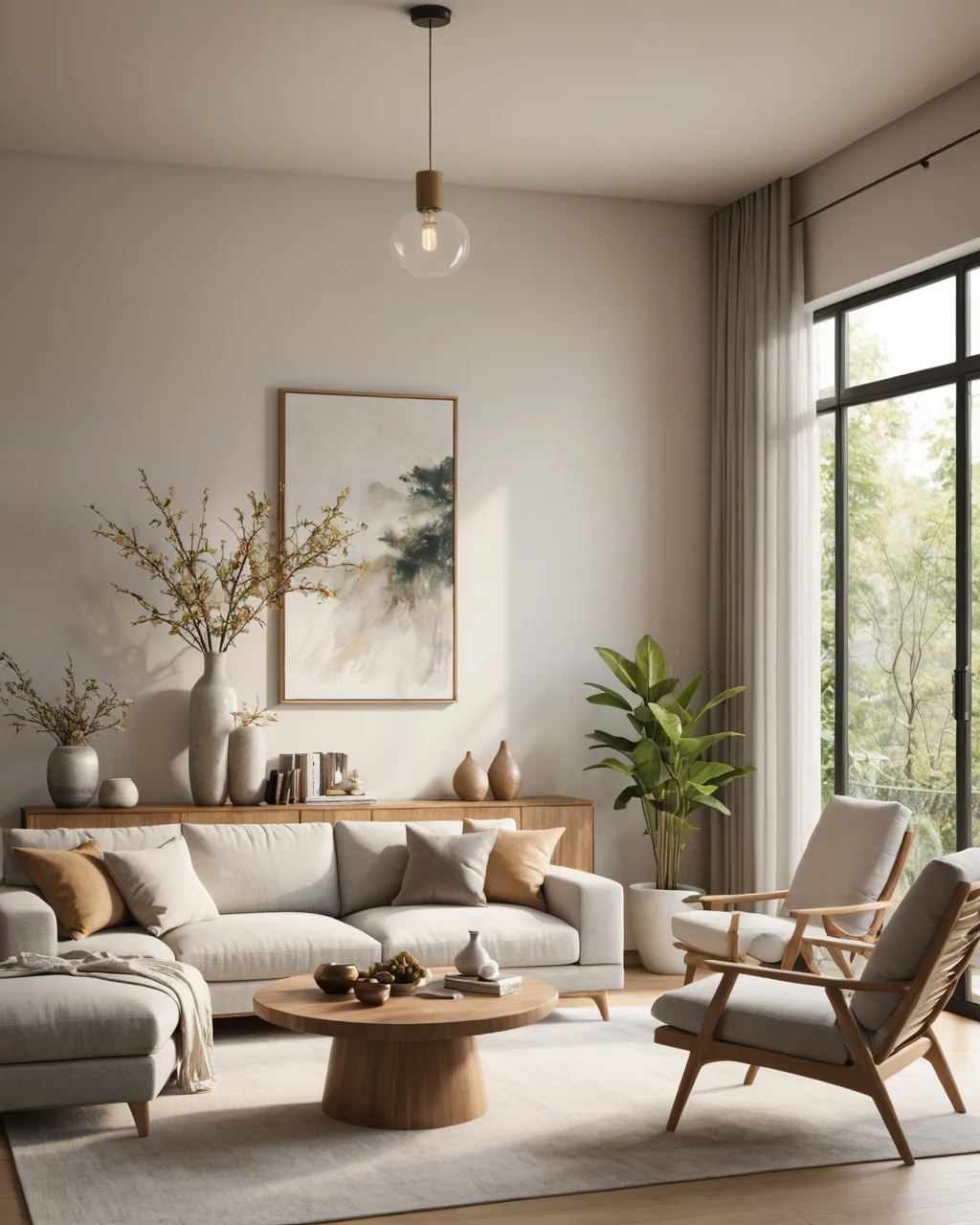
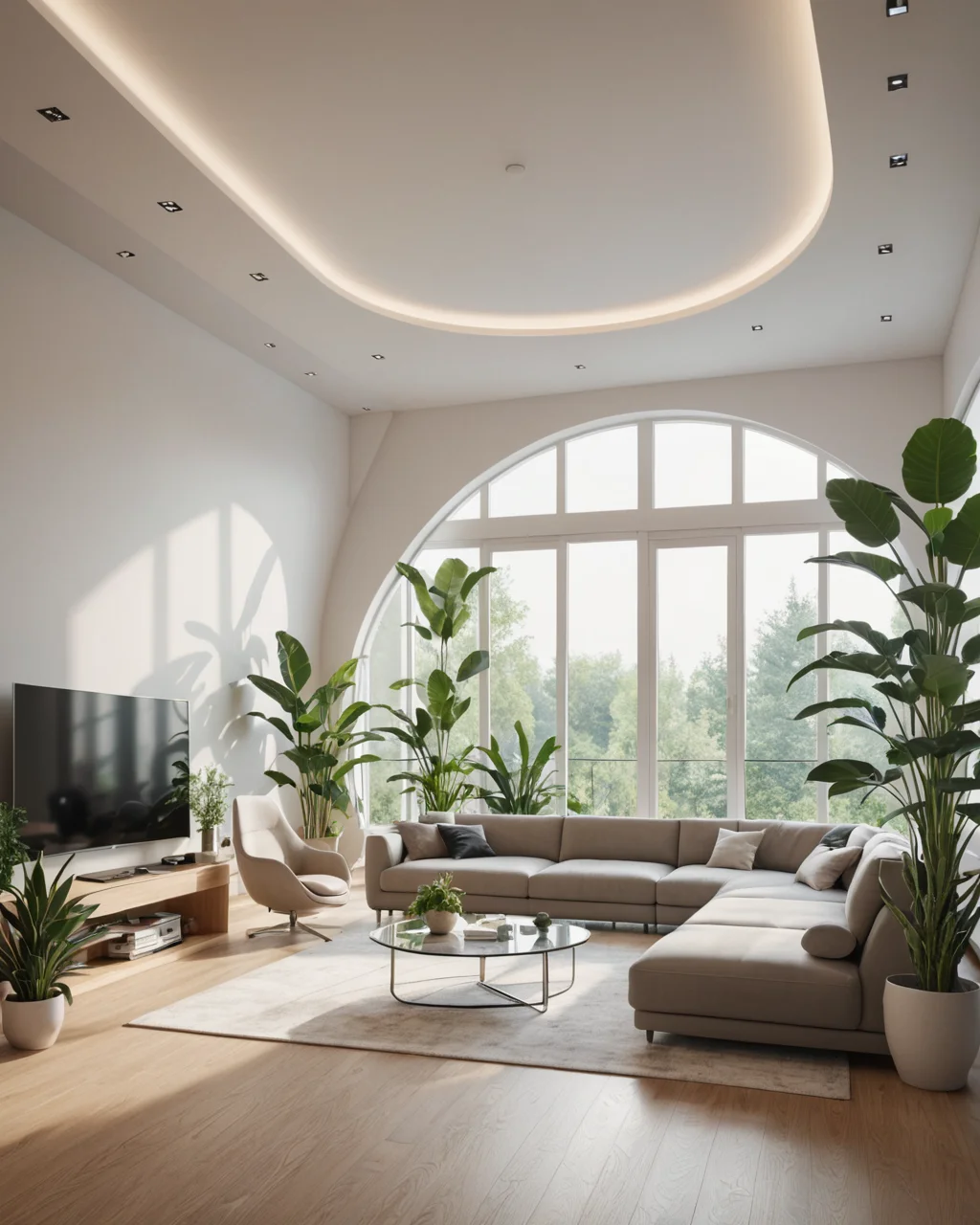
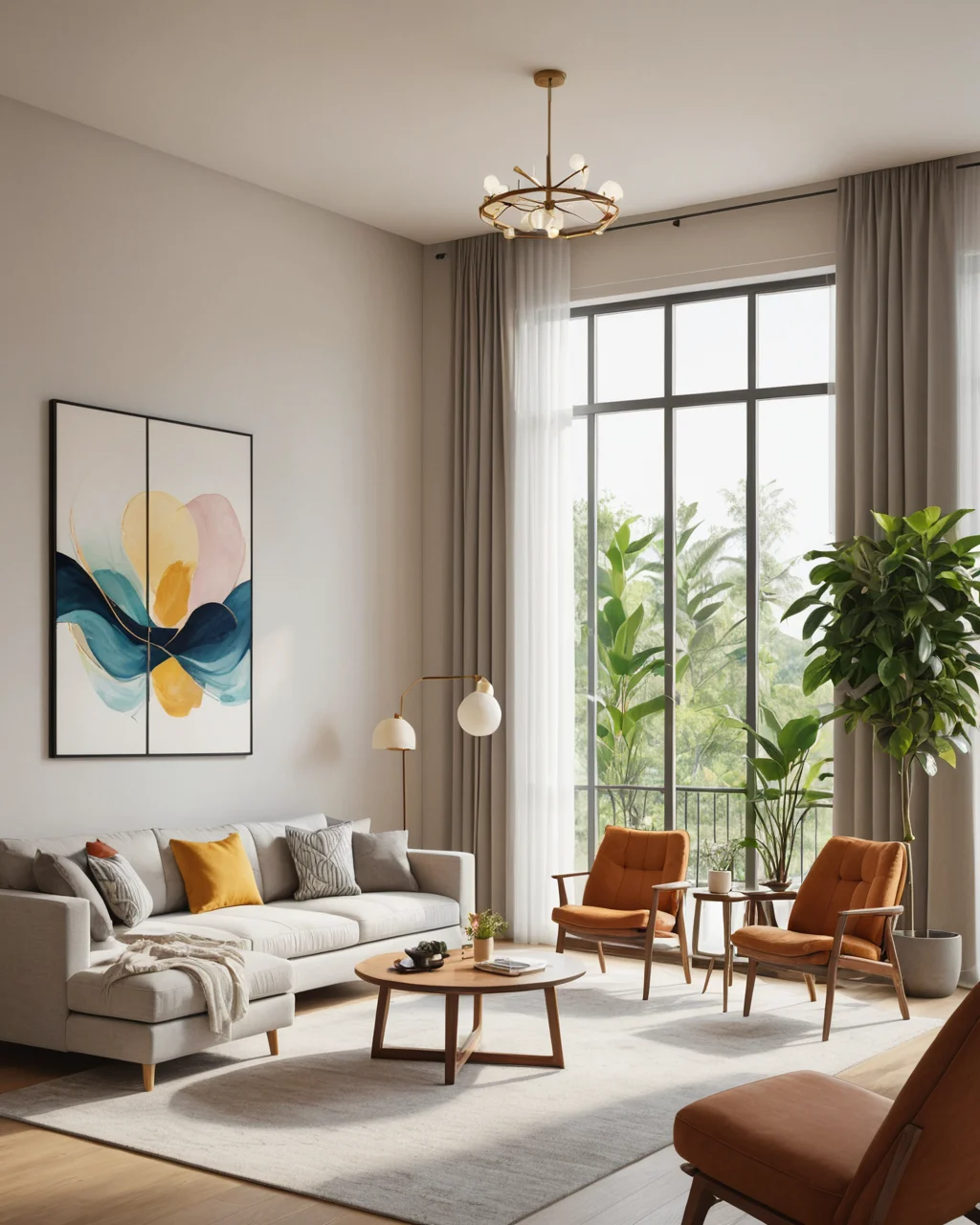
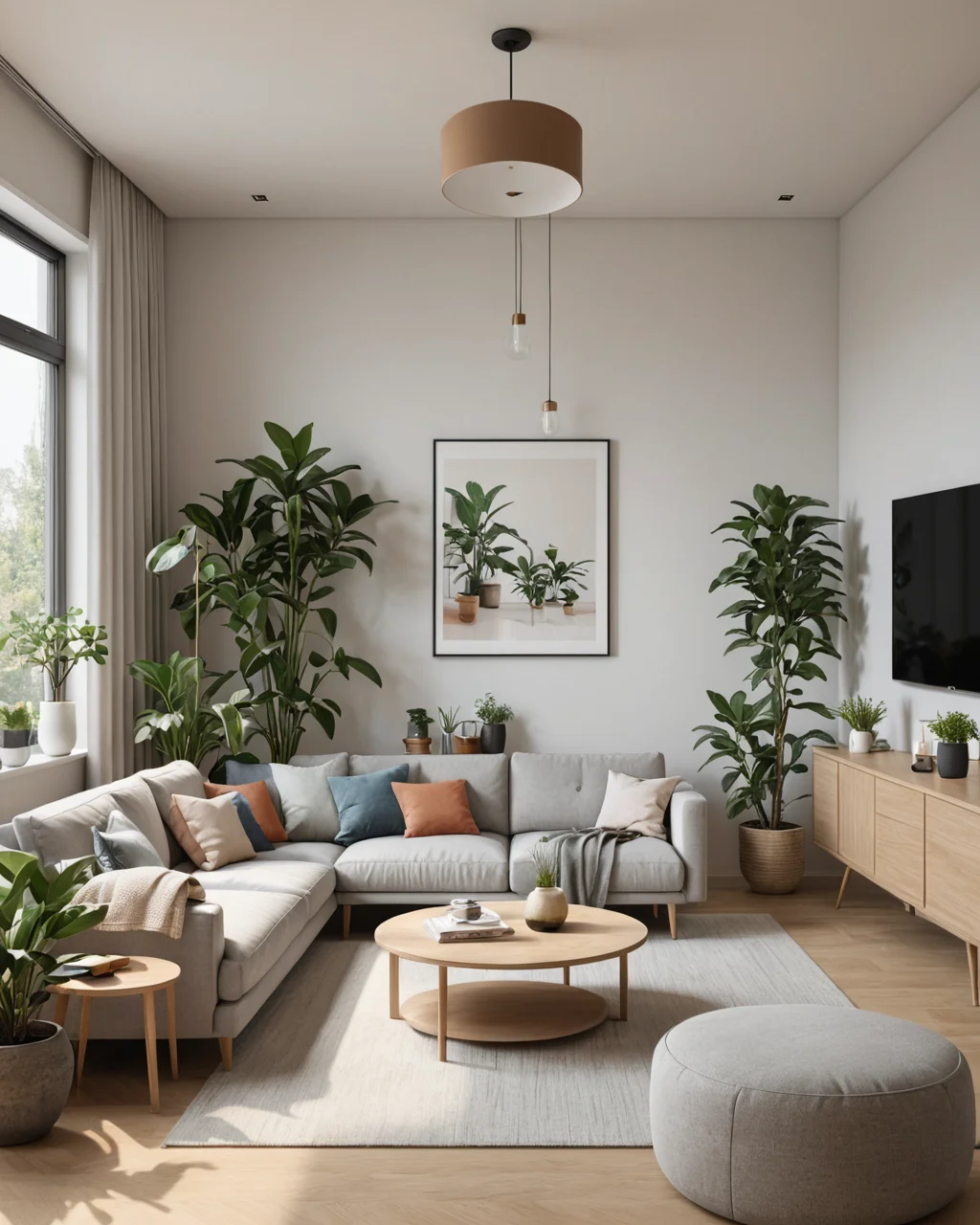
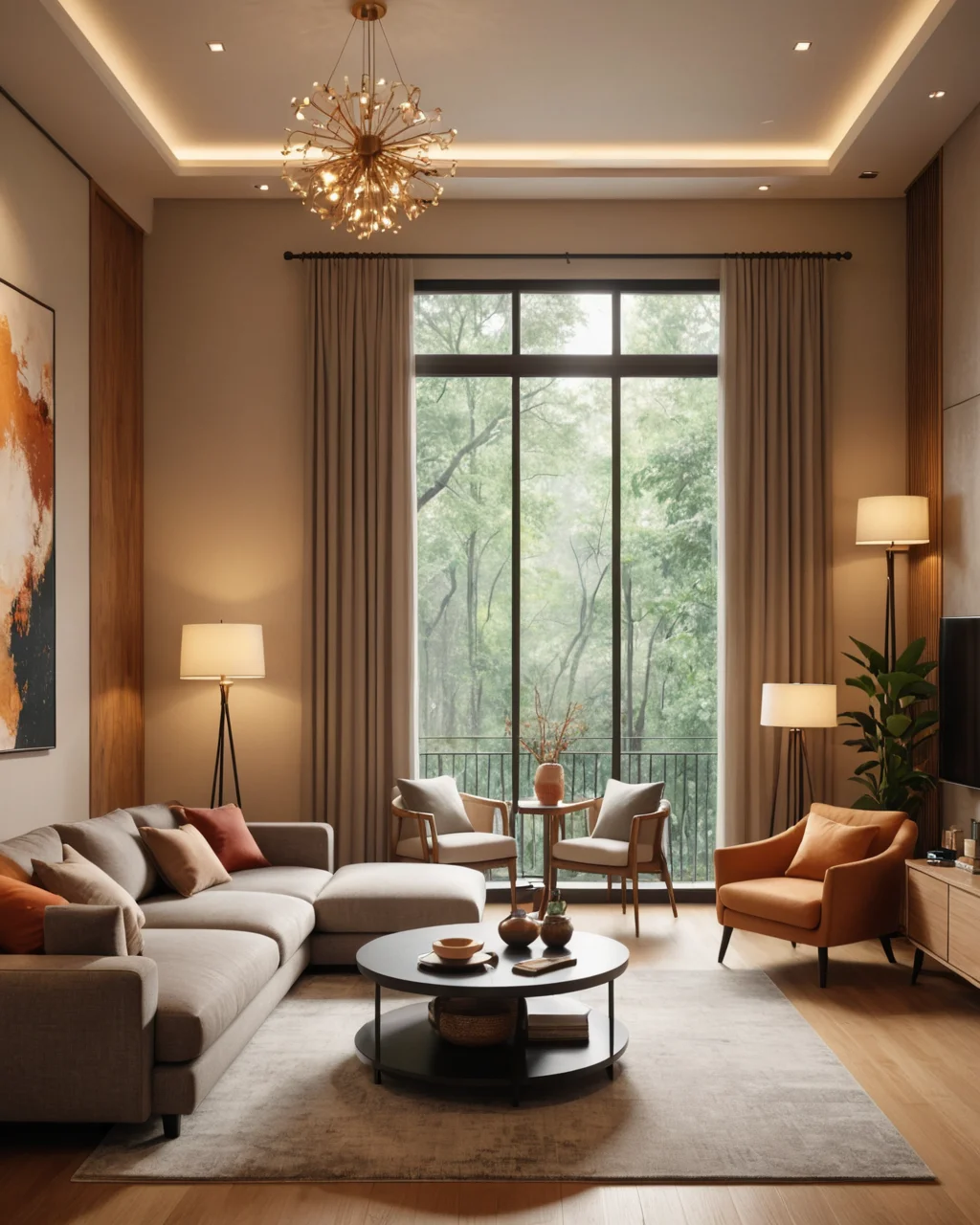
The living room is the heart of your home, a place where the family gathers and where many important interactions take place. This space should be a center of harmony and tranquility so that everyone who enters it feels cozy and comfortable. Pay attention to the arrangement of furniture, lighting, and decor – all of these play an important role in creating a positive atmosphere.

Read more

Feng Shui for a Living Room in a Private House for Relaxation

Feng Shui is an ancient Chinese teaching based on the balance and harmony of energies in space. Creating a cozy and harmonious living room in a private house requires considering many factors. In this space, we should feel relaxed and comfortable, and by correctly applying the principles of Feng Shui, the desired result can be achieved. The main thing in this practice is attention to detail, which shapes the overall atmosphere of the home.

Read more

Feng Shui and Skyscraper Architecture

Feng Shui Fundamentals: Philosophy and Principles

Feng Shui is not just a trendy word you might encounter in an interior design magazine. It is a very ancient Chinese practice, with roots stretching back over 3000 years. Feng Shui translates to “wind and water” and encompasses many aspects that help align individuals with harmony in the surrounding world. With the dawn of the new millennium, this teaching has experienced a revival, successfully adapting to modern conditions and undergoing some changes. Many contemporary architects have realized that Feng Shui principles can assist not only in creating harmonious spaces but also in improving the overall well-being of building occupants.

Read more

Feng Shui for a Living Room in a Private House for Safety

Feng Shui is the art of harmonious space arrangement that helps create a pleasant atmosphere in the home and contributes to the well-being of its inhabitants. The living room, as the center of family communication and gathering, requires special attention in its design. The energy, called ‘qi’, permeates everything around, and its flow can affect our mood and health. In this article, we will examine in detail how to properly design a living room in a private house to ensure safety, comfort, and harmony.

Read more

Feng Shui for a Living Room in a Small Apartment for Well-being

Feng Shui is an ancient Chinese teaching that examines the relationship between humans and their surrounding space. The word “feng shui” translates to “wind and water,” symbolizing the flow of energy (qi) that influences our environment. The most important task of feng shui is to create harmony in space, which is especially relevant in small apartments where every interior element must be thoughtful and functional.
Applying feng shui principles in small spaces can be a true art, allowing not only to visually enlarge the space but also to fill it with positive energy, which in turn contributes to improving the quality of life for its inhabitants. In this article, we will explore in detail how to adapt feng shui for a living room in a small apartment.

Read more

Feng Shui of the Southeast Sector in an Apartment for Charity

Feng Shui of the Southeast Sector in an Apartment for Charity

Feng Shui, the art of harmonizing space, has long attracted the attention of people who wish to improve their lives and financial situation. One of the key directions in Feng Shui is the southeast sector, which is associated with wealth, abundance, and charity. In this article, we will examine in detail how to create harmony in the southeast sector of your apartment to attract luck and generosity.

Read more

Feng Shui and the Issue of Stairs in the Home

Stairs as Symbols of Movement

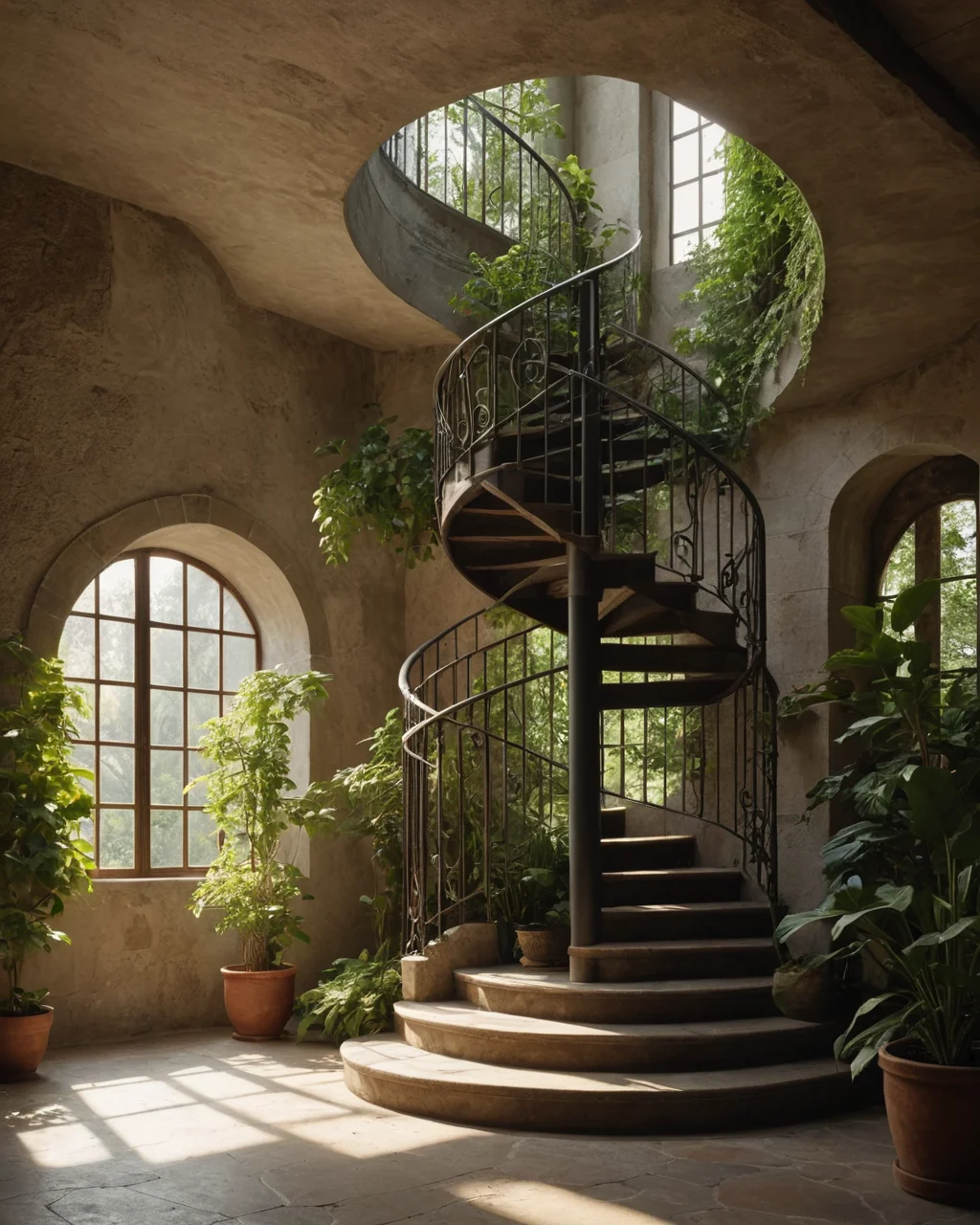
Stairs are present in almost every home. They serve not only as a functional element but also carry deep symbolism. In feng shui, stairs are viewed as symbols of movement and change. The energy associated with climbing stairs symbolizes the ascent to new achievements and life changes. However, it’s important to remember that not every staircase creates a positive energy flow. For example, if your stairs lead directly to a door, it can create a sense of pressure rather than inspiring forward movement. Feng shui advises avoiding such arrangements to prevent blocking positive opportunities.

Read more

Feng Shui of the Southeast Sector in the House for Debt Repayment

Feng Shui of the Southeast Sector in the House for Debt Repayment

Feng Shui is an ancient Chinese art that teaches us how to properly organize space to create harmony and balance in life. An especially important aspect of Feng Shui is the southeast sector, which is responsible for financial well-being. Many people do not realize how critical its condition is for attracting wealth and repaying debts. In this article, we will examine in detail how to optimize the southeast sector of your home to improve your financial situation and repay debts. Approach this issue with an open heart and a readiness for change!

Read more

Feng Shui and the Rules of Choosing Clothes

The Energy of Color: How to Choose a Palette for Your Wardrobe

  • The significance of color energy in Feng Shui is an important aspect that cannot be ignored. Each color has its own specific energy, and the influence of these shades on our mood and overall well-being has been observed for centuries. For example, blue brings calmness and tranquility, while red can add passion and vitality. Properly selected shades can not only improve our emotional state but also contribute to attracting luck and success.
  • How do colors affect mood and energy? It’s a simple truth: color therapy is not just a pretty picture on the wall. For instance, yellow is a symbol of joy and optimism that can delight even on the gloomiest of days. On the other hand, too much black is usually associated with sadness and a depressed mood, as if you’re at a funeral rather than a party.
  • Recommendations for choosing a color scheme depending on the season also play a crucial role in wardrobe matters. Summer months are perfect for bright and light shades: trendy neon or pastels will boost your mood. In autumn, try to opt for warm earthy colors like brown, orange, and gold to feel as comfortable as you would under your favorite blanket.

Read more

Feng Shui and Visualization Techniques: How to Change Your Space and Your Life

The Power of Feng Shui: How Energy Permeates Space

Feng Shui is an amazing teaching that allows us to understand how energy, called Qi, permeates space. This philosophy originated thousands of years ago in China and is based on understanding the interconnectedness of humans with the surrounding world. One of its key principles states that everything in our home, from furniture arrangement to the choice of wall color, affects our lives. Space is not just a canvas; it is an active part of our destiny and well-being that needs care and attention. Improper placement of objects can create a negative energy flow, and sometimes even block it entirely, like a plug in a congested river.

Interestingly, even our habits and lifestyle sometimes reflect on the atmosphere in our homes. For instance, if you tend to be messy, it can not only affect your psycho-emotional state but also introduce disorganization into your life’s flow. Thus, Feng Shui teaches us to be responsible for our space and the environment where we live.

By changing our surroundings, we can also change our state, as Qi is not just energy but also a symbol of our opportunities and dreams. This means that by approaching the arrangement of objects with an understanding of Feng Shui principles, we open up new horizons for achieving our cherished goals. This process becomes a true art – by feeling what and where should be, we move away from the viscosity of everyday life towards positive energy and the drive for change.

It is important to understand that Feng Shui is not just a trend, but a whole philosophy from which one can achieve real practical results. In this context, rational placement of objects becomes the foundation for creating a harmonious space and, consequently, for improving the quality of life.

Read more