Feng Shui and the Use of Painted Walls: How Color Affects Space

The Influence of Color on Space Energy

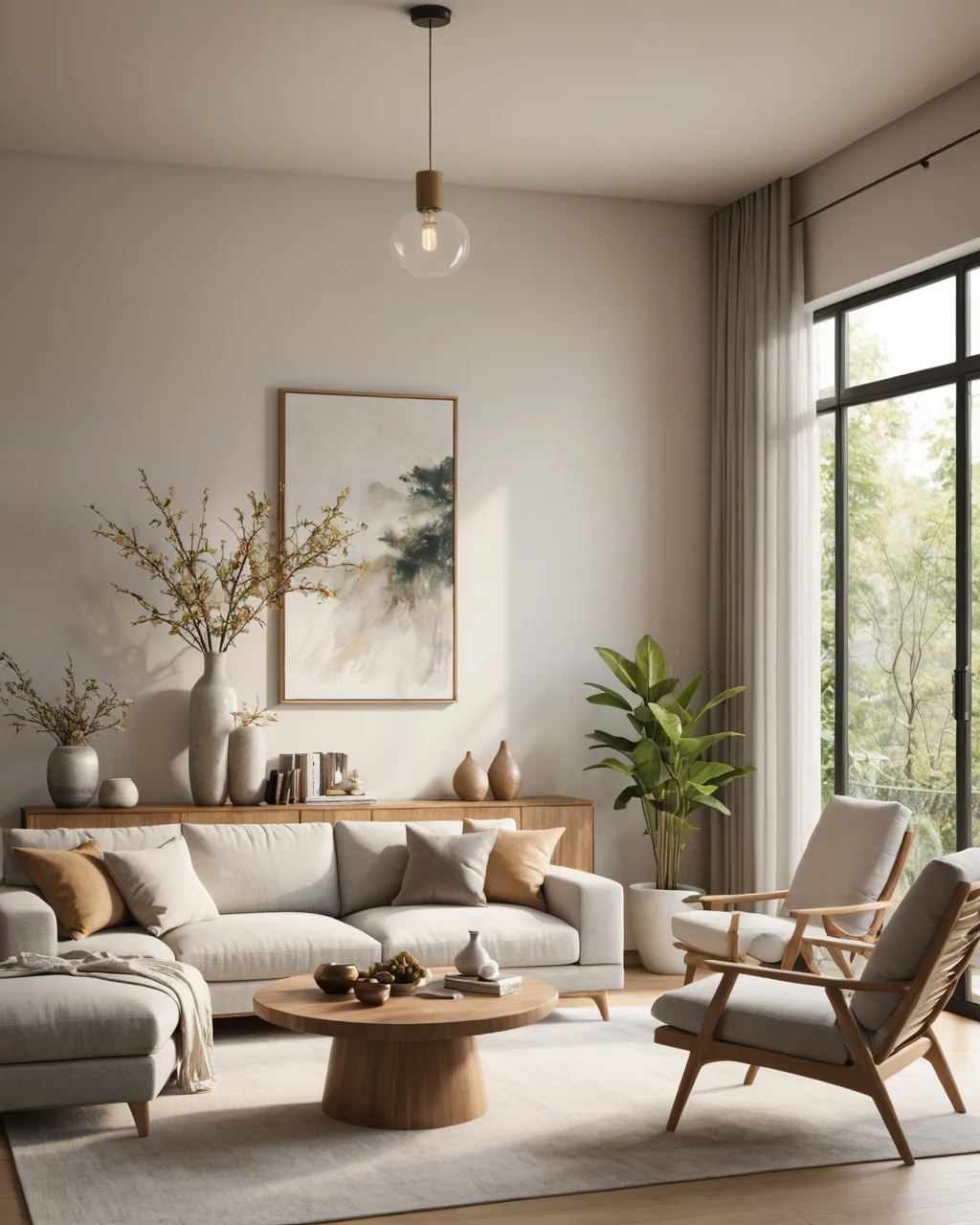
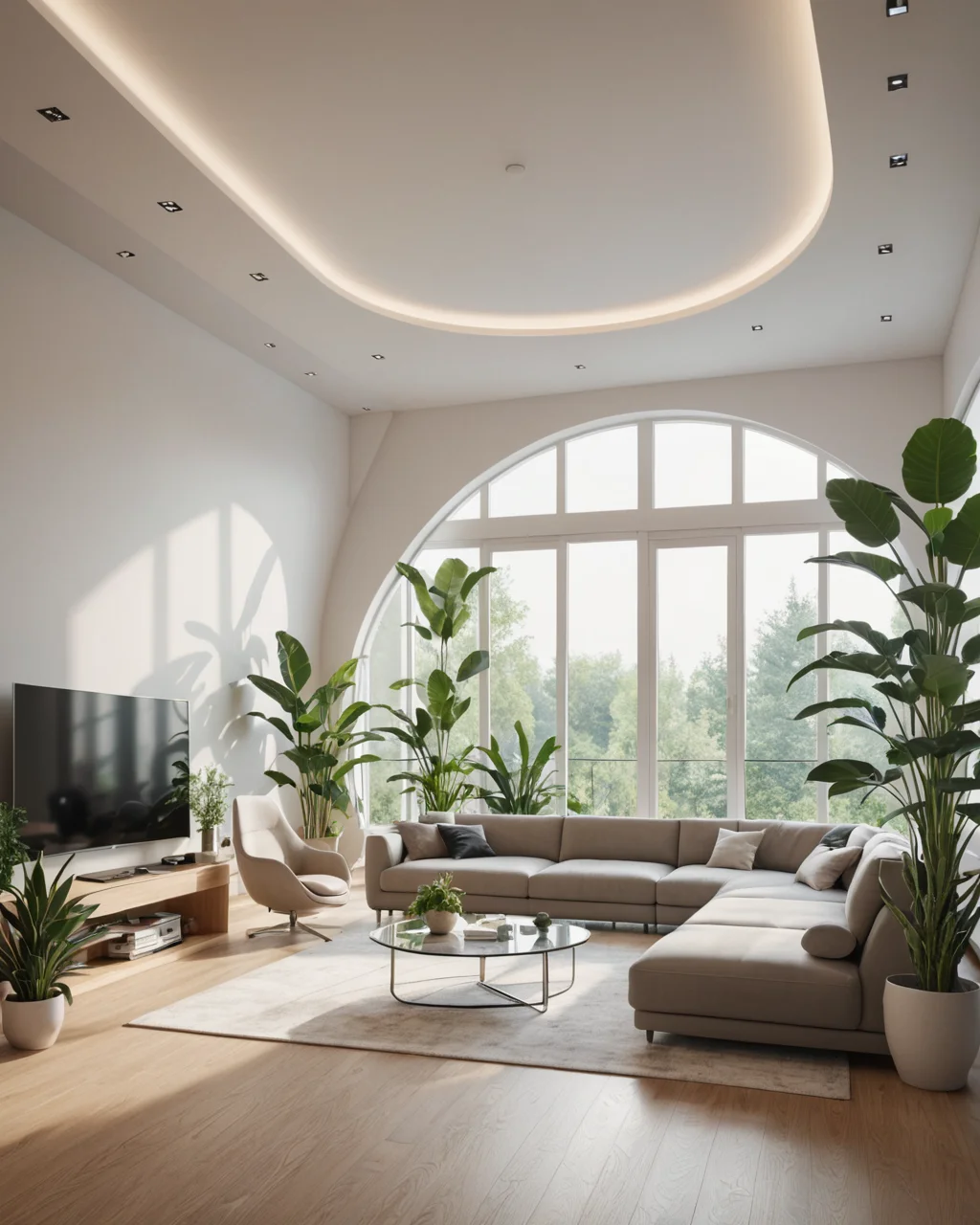
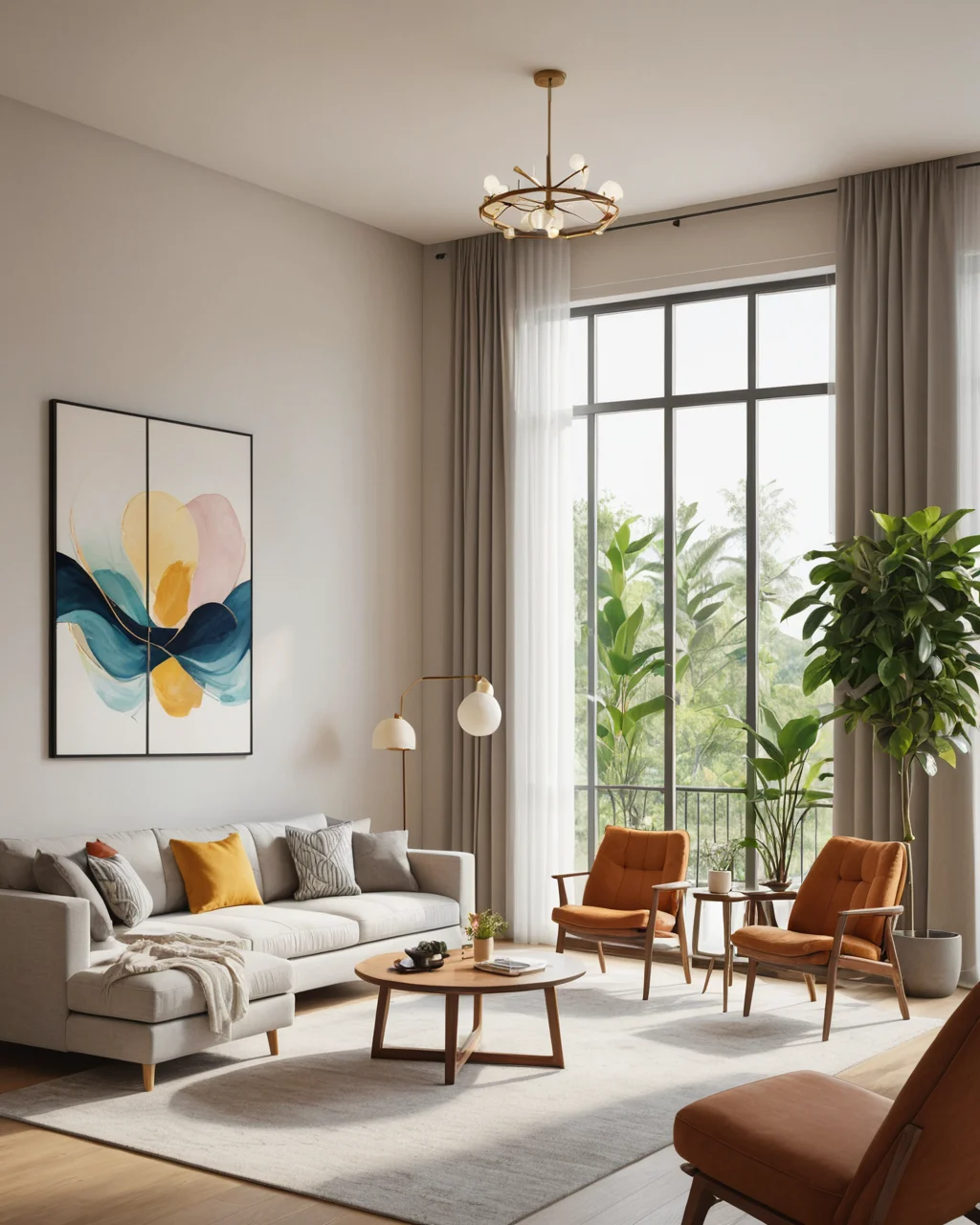
  • Color Psychology: The color palette present in our surroundings directly affects our mood and behavior. For example, warm shades like orange and red can create an atmosphere of coziness and friendliness, while cool colors like blue and green promote relaxation and tranquility. Studies have shown that certain color combinations can evoke specific emotions and even alter our perception of time.
  • Energetic Properties of Different Colors in Feng Shui: According to Feng Shui teachings, each color possesses its unique energy that can influence not only people but also the surrounding space. For instance, red is associated with wealth and luck, while white symbolizes purity and new beginnings. This knowledge will help you choose suitable colors for your home, creating an ideal living atmosphere.
  • Choosing Color Based on Goals: Whatever your goal – be it work, relaxation, or creativity – it’s important to choose the right color for your walls. For example, active and invigorating shades like light blue or soft yellow are suitable for work spaces, while calmer and softer tones are better for bedrooms to create an atmosphere of coziness and peace.

Read more

Feng Shui of the Southeast Sector in an Apartment for Debt Repayment

The Mysterious Southeast: The Key to Financial Well-being

Feng Shui of the Southeast Sector in an Apartment for Debt Repayment - image

The southeast sector of your home, according to the teachings of Feng Shui, plays a key role in attracting financial well-being and prosperity. This sector is associated with the element of wood, which symbolizes growth, development, and abundance. By opening the doors to this sector, we not only create space for the flow of money but also strengthen our connection with the surrounding world, which can contribute to improving our material situation. The southeast should be considered your personal wealth zone, where every detail can be carefully chosen to create harmony and support financial endeavors.

The connection of the southeast sector with wealth and abundance is manifested not only in physical aspects but also in the energy flows that run through your home. You may notice that you have more opportunities to attract money into your life if this sector is designed in accordance with Feng Shui principles. For example, placing green plants or images symbolizing abundance in this sector will help establish a powerful energy flow conducive to financial success. Thus, even small changes in this sector can significantly impact your life, opening up new financial perspectives.

Read more

Feng Shui and Working with Ba Zi Charts

Feng Shui Fundamentals: Principles and Meanings

  • History of Feng Shui and its Core Concepts. This ancient Chinese approach to space organization has a history of over 3000 years. Feng Shui translates to “wind and water,” symbolizing life forces striving for harmony. It is based on Taoist principles, which view humans as part of the universe and emphasize the importance of energetic balance in the surrounding world.
  • The Five Elements and Their Interactions. Feng Shui places great importance on the five elements: Wood, Fire, Earth, Metal, and Water. Each of these elements has its own characteristics and influences the surrounding space. For example, Wood is associated with growth and vitality, while Water symbolizes wealth and abundance. It is important to consider how the elements interact with each other, creating cycles of love or destruction.
  • The Role of Energy Flows in Space. Qi energy flows fill our environment. They can be both positive and negative. Proper arrangement of objects allows for balance and improvement of the space’s energy. For instance, in selected spots at home, we can place plants or mirrors to direct the flow of Qi in the right direction, thereby creating an atmosphere of comfort and coziness.

Read more

Feng Shui and Harmonizing Family Photos

The Art of Feng Shui: Fundamental Principles

Feng Shui is not just a system for organizing space; it is a true art that allows for harmony in family life. For many years, Feng Shui has served as a guide, helping to create a special atmosphere in which the family will feel comfortable and protected. It is important to understand that the interaction between a person and their environment can directly affect their mood and health. By applying Feng Shui principles, you can not only decorate your home but also improve your quality of life by identifying areas filled with positive energy. Thus, the main purpose of Feng Shui lies in organizing space in such a way that it promotes the **flow of Qi energy** and strengthens family relationships.

Read more

Money Colors of Clothing: What to Wear for Success

The Power of Color: How Clothing Affects Perception

Colors are so powerful that they can change our perception of reality. They can evoke emotions, improve mood, and even boost confidence. The psychology of color perception explores how certain qualities are attributed to different shades. For example, red is associated with energy and passion, while blue is often perceived as a sign of reliability and trust. These associations are deeply rooted in our culture and are formed through millennia of observation and experience. By dressing in certain colors, we can program our behavior and how others perceive us. For example, if you have an important meeting, choose blue – it will help you look confident and professional.

Read more

Feng Shui and Modern Gadgets in the Home: Tuning Energies with Technology

Feng Shui in the Modern World: Philosophy and Practice

  • Feng Shui Basics: How ancient teachings are applied today
  • The Importance of Qi Energy for Creating a Harmonious Space

Feng Shui is not just a trend. It is a whole philosophy that has been helping people create a harmonious space around them for millennia. Ancient teachings, based on the interaction of humans with the surrounding world, continue to be relevant even in the era of high technology. They teach us how to properly organize space so that vital energy – qi – resides within it. Moreover, this energy should not be perceived as something abstract. Qi is what we feel everywhere: when you are comfortable and calm, you are in harmony with your surroundings. But what to do when modern gadgets inhabit your home, which, it seems, disrupt this harmony from all sides?

Read more

Feng Shui for a Living Room in a Private House for Tranquility

Feng Shui is an ancient Chinese science that studies the influence of the surrounding space on a person’s inner harmony. The basic principles of Feng Shui are aimed at creating a comfortable and harmonious environment in which people live and develop. It is important to understand that every detail of the interior, from the choice of furniture to the wall colors, affects the atmosphere of your home and overall well-being.

One of the key concepts of Feng Shui is Qi energy. It represents the life force that permeates everything around and promotes harmony in space. For Qi to circulate freely, it is important to monitor how interior items are arranged and how the space is organized. A well-balanced environment helps to avoid energy stagnation, which, in turn, affects the health and emotional state of its inhabitants.

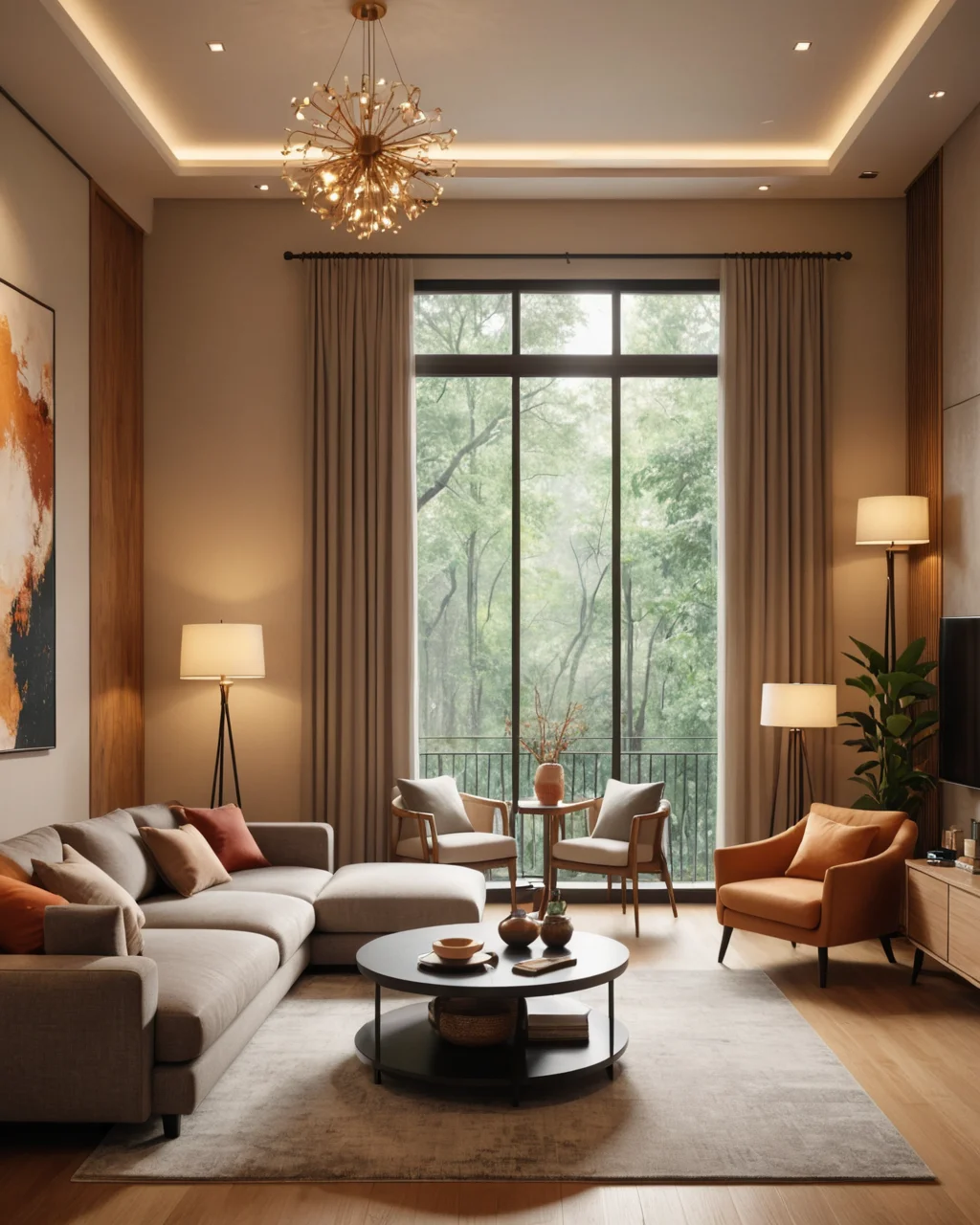
The living room is the heart of your home, a place where the family gathers and where many important interactions take place. This space should be a center of harmony and tranquility so that everyone who enters it feels cozy and comfortable. Pay attention to the arrangement of furniture, lighting, and decor – all of these play an important role in creating a positive atmosphere.

Read more
Feng Shui for a Living Room in a Private House for Relaxation

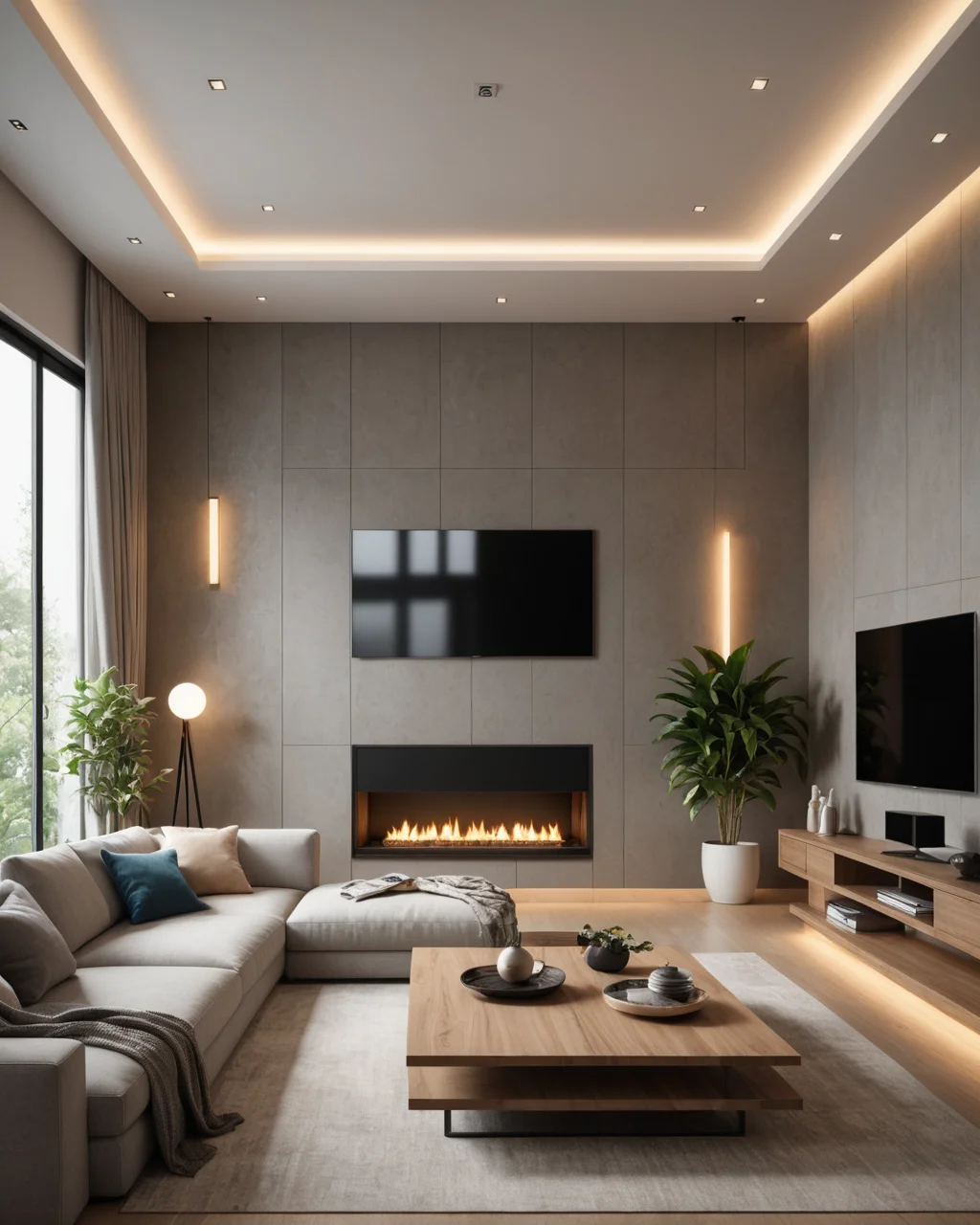
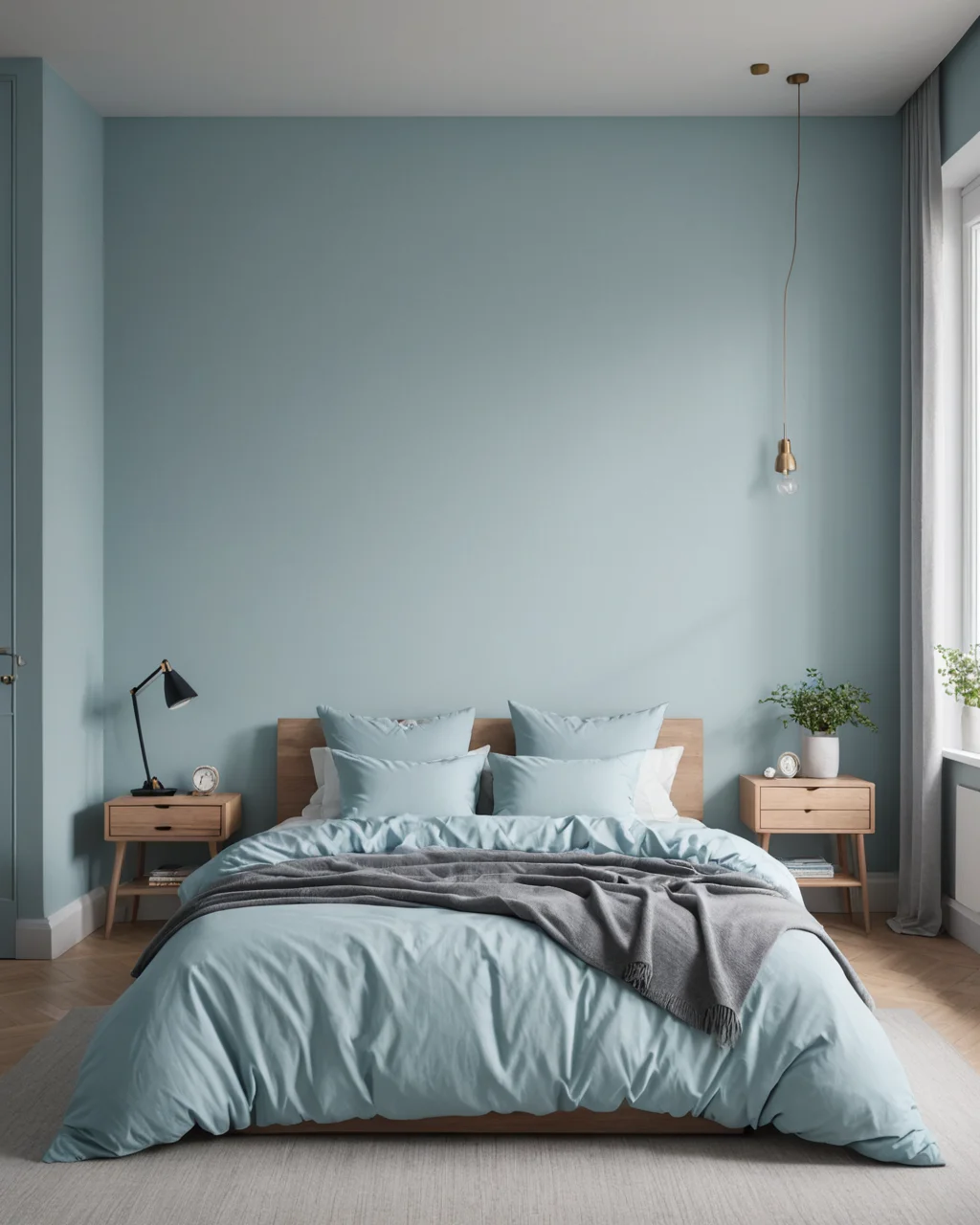
Feng Shui is an ancient Chinese teaching based on the balance and harmony of energies in space. Creating a cozy and harmonious living room in a private house requires considering many factors. In this space, we should feel relaxed and comfortable, and by correctly applying the principles of Feng Shui, the desired result can be achieved. The main thing in this practice is attention to detail, which shapes the overall atmosphere of the home.

Read more

Feng Shui and Skyscraper Architecture

Feng Shui Fundamentals: Philosophy and Principles

Feng Shui is not just a trendy word you might encounter in an interior design magazine. It is a very ancient Chinese practice, with roots stretching back over 3000 years. Feng Shui translates to “wind and water” and encompasses many aspects that help align individuals with harmony in the surrounding world. With the dawn of the new millennium, this teaching has experienced a revival, successfully adapting to modern conditions and undergoing some changes. Many contemporary architects have realized that Feng Shui principles can assist not only in creating harmonious spaces but also in improving the overall well-being of building occupants.

Read more

Feng Shui for a Living Room in a Private House for Safety

Feng Shui is the art of harmonious space arrangement that helps create a pleasant atmosphere in the home and contributes to the well-being of its inhabitants. The living room, as the center of family communication and gathering, requires special attention in its design. The energy, called ‘qi’, permeates everything around, and its flow can affect our mood and health. In this article, we will examine in detail how to properly design a living room in a private house to ensure safety, comfort, and harmony.

Read more