Feng Shui and Energy in Social Networks: How to Create Harmony in the Digital Space

Feng Shui: Secrets of an Ancient Art

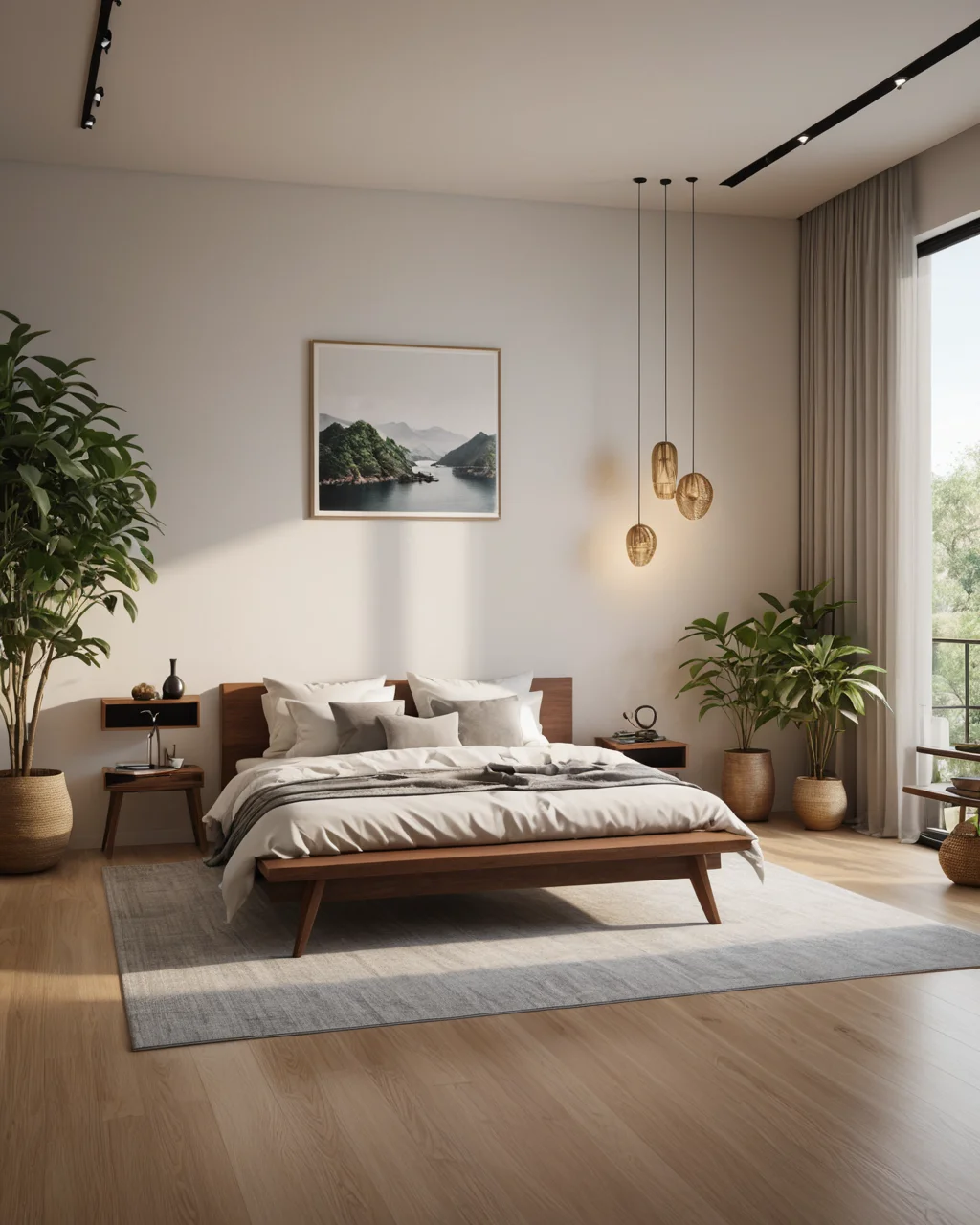
  • Basic Principles of Feng Shui and Their Importance for Energy. Feng Shui is an art according to which the position of objects in space influences energy flows. This philosophy implies that everything is significant: from the arrangement of furniture in a room to the landscapes outside the window. The main task of Feng Shui is to create the right balance of energy (Qi) and provide people with harmony, comfort, and a good mood. For example, the entrance door should be oriented so that Qi can enter the house unimpeded, bringing luck and well-being. Moreover, the foundations of the philosophy are based on the contrast of yin and yang – two contradictory but complementary forces. This is also considered in the context of group interactions.
  • Historical Context and Philosophy of Feng Shui. Feng Shui has a centuries-old history, its roots go back to ancient China, where it was used to determine the location of houses and graves. These tips were passed down from generation to generation, helping people realize how their environment affects their lives. Today, we find the implementation of this knowledge at the level of urban architecture and modern interior design. Interestingly, even the trend for open spaces, where there are no bulky partitions, is driven by the understanding of the need for free energy movement, which, in turn, is not at all characteristic of the style of the past.
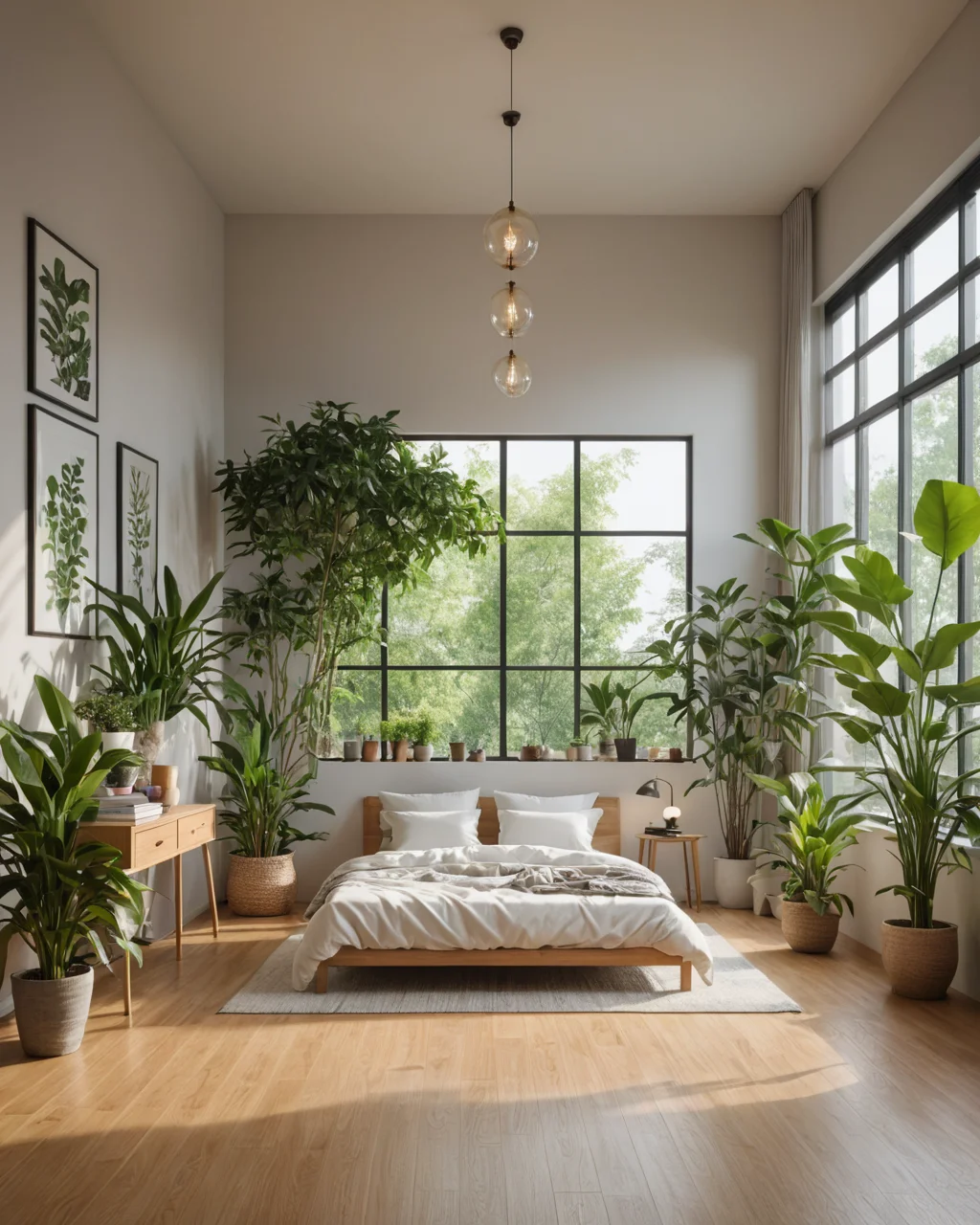
  • How Feng Shui Affects Our Environment and Perception. We don’t always realize how much our environment affects our mood and behavior. A well-planned space creates peace and comfort, while clutter activates stress and anxiety. Feng Shui elements can also be useful in offices: proper lighting, comfortable furniture, and the correct arrangement of workplaces contribute to productivity. This is no longer just an Egyptian science, but a truly working concept that can change life for the better.

Read more

Feng Shui and Auspicious Combinations of Elements

Feng Shui Fundamentals: Philosophy and Principles

Feng Shui is an art and science with roots in ancient China. It has evolved over millennia, incorporating numerous traditions and philosophies aimed at creating an environment conducive to life. The origin of Feng Shui is linked to ancestors’ attempts to understand and harmonize not only space but also the energy flowing within it. The fundamental principles of Feng Shui involve helping people coexist harmoniously with their surroundings by utilizing the natural forces of nature. It is believed that the proper application of Feng Shui principles can significantly improve the quality of life, contributing to success and well-being.

Read more

Feng Shui and Interaction with Animals

Feng Shui and Its Fundamentals

Feng Shui is an ancient Chinese philosophy that is over three thousand years old. The main idea is that our environment influences our well-being and mood. Feng Shui translates as “wind and water,” which is essentially a metaphor for the flow of energy, or qi, in space. This philosophy teaches us to arrange objects in and around the home to ensure the harmonious distribution of this energy. Thus, Feng Shui aims to make life easier, increase luck, and create ideal living conditions. For example, Feng Shui states that rooms filled with light and air create a more favorable atmosphere for living than dark and cluttered ones.

Read more

Feng Shui and Seasonal Plant Collection: How to Create Harmony with Nature

Feng Shui Fundamentals: Harmony and Nature

  • Feng Shui is an ancient teaching that aims to harmonize space and energy flow in our lives. The word “feng shui” translates from Chinese as “wind and water,” which already hints at how important our interaction with the surrounding nature is. The success of feng shui is based on understanding the principles of the flow of qi – the energy that permeates all living things. In modern realities, when we spend most of our time indoors, it is important to use plants as a tool to improve our energy.
  • Nature can not only calm and inspire but also purify the air. Plants absorb carbon dioxide, releasing oxygen, and also absorb harmful chemicals. That is why it is important to place them correctly in our homes – they should be located in places where their positive qualities can be effectively utilized. For example, plants like money tree (Crassula) or ficus are suitable for the health zone.
  • Although most of us are not professional landscape designers, it is worth remembering that integrating plants into the interior is not only a stylish solution but also a path to harmony. Choosing a place to place plants is an art. It is important to consider not only the light but also the space they will occupy, as well as their energetic nature. For example, cacti can be excellent elements for creating an “energy field” in the interior, and bulbous plants – symbols of awakening and new beginnings.

Read more

Feng Shui and Underground Water Currents

The Magic of Feng Shui: The Foundation of Harmony

Feng Shui is not just a trendy fad, but a true science based on ancient Chinese teachings about the distribution of energy in space. Translated from Chinese, this word means “wind” and “water,” which probably speaks for itself. This doctrine posits that energy, or qi, permeates everything around us, and our health, mood, and success in life depend on its proper arrangement. Surely, who wouldn’t want to wake up every morning surrounded by harmony and good energy?

Read more

Feng Shui and the Use of Painted Walls: How Color Affects Space

The Influence of Color on Space Energy

  • Color Psychology: The color palette present in our surroundings directly affects our mood and behavior. For example, warm shades like orange and red can create an atmosphere of coziness and friendliness, while cool colors like blue and green promote relaxation and tranquility. Studies have shown that certain color combinations can evoke specific emotions and even alter our perception of time.
  • Energetic Properties of Different Colors in Feng Shui: According to Feng Shui teachings, each color possesses its unique energy that can influence not only people but also the surrounding space. For instance, red is associated with wealth and luck, while white symbolizes purity and new beginnings. This knowledge will help you choose suitable colors for your home, creating an ideal living atmosphere.
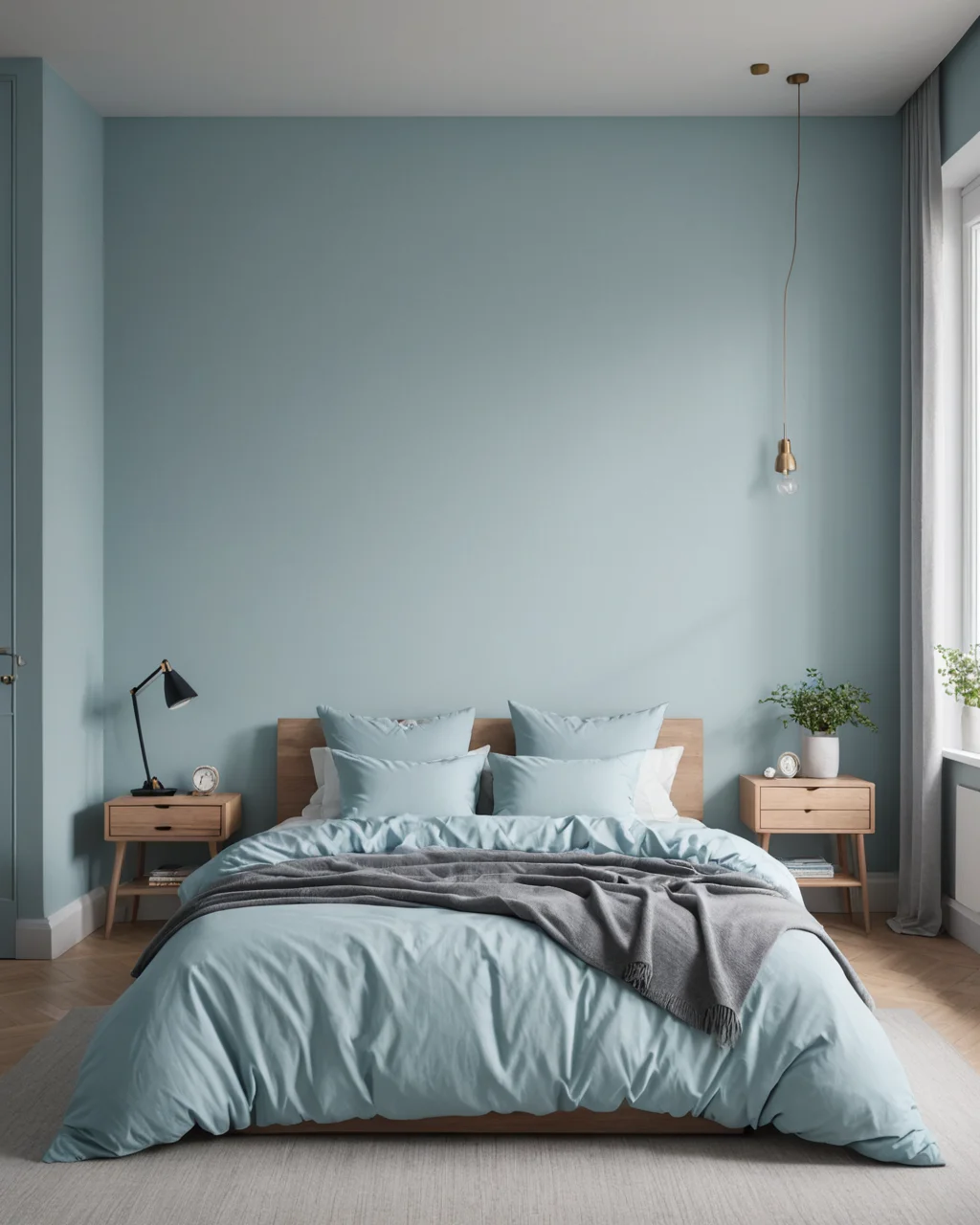
  • Choosing Color Based on Goals: Whatever your goal – be it work, relaxation, or creativity – it’s important to choose the right color for your walls. For example, active and invigorating shades like light blue or soft yellow are suitable for work spaces, while calmer and softer tones are better for bedrooms to create an atmosphere of coziness and peace.

Read more

Feng Shui and Working with Ba Zi Charts

Feng Shui Fundamentals: Principles and Meanings

  • History of Feng Shui and its Core Concepts. This ancient Chinese approach to space organization has a history of over 3000 years. Feng Shui translates to “wind and water,” symbolizing life forces striving for harmony. It is based on Taoist principles, which view humans as part of the universe and emphasize the importance of energetic balance in the surrounding world.
  • The Five Elements and Their Interactions. Feng Shui places great importance on the five elements: Wood, Fire, Earth, Metal, and Water. Each of these elements has its own characteristics and influences the surrounding space. For example, Wood is associated with growth and vitality, while Water symbolizes wealth and abundance. It is important to consider how the elements interact with each other, creating cycles of love or destruction.
  • The Role of Energy Flows in Space. Qi energy flows fill our environment. They can be both positive and negative. Proper arrangement of objects allows for balance and improvement of the space’s energy. For instance, in selected spots at home, we can place plants or mirrors to direct the flow of Qi in the right direction, thereby creating an atmosphere of comfort and coziness.

Read more

Feng Shui and Harmonizing Family Photos

The Art of Feng Shui: Fundamental Principles

Feng Shui is not just a system for organizing space; it is a true art that allows for harmony in family life. For many years, Feng Shui has served as a guide, helping to create a special atmosphere in which the family will feel comfortable and protected. It is important to understand that the interaction between a person and their environment can directly affect their mood and health. By applying Feng Shui principles, you can not only decorate your home but also improve your quality of life by identifying areas filled with positive energy. Thus, the main purpose of Feng Shui lies in organizing space in such a way that it promotes the **flow of Qi energy** and strengthens family relationships.

Read more

Feng Shui and Modern Gadgets in the Home: Tuning Energies with Technology

Feng Shui in the Modern World: Philosophy and Practice

  • Feng Shui Basics: How ancient teachings are applied today
  • The Importance of Qi Energy for Creating a Harmonious Space

Feng Shui is not just a trend. It is a whole philosophy that has been helping people create a harmonious space around them for millennia. Ancient teachings, based on the interaction of humans with the surrounding world, continue to be relevant even in the era of high technology. They teach us how to properly organize space so that vital energy – qi – resides within it. Moreover, this energy should not be perceived as something abstract. Qi is what we feel everywhere: when you are comfortable and calm, you are in harmony with your surroundings. But what to do when modern gadgets inhabit your home, which, it seems, disrupt this harmony from all sides?

Read more

Feng Shui and Skyscraper Architecture

Feng Shui Fundamentals: Philosophy and Principles

Feng Shui is not just a trendy word you might encounter in an interior design magazine. It is a very ancient Chinese practice, with roots stretching back over 3000 years. Feng Shui translates to “wind and water” and encompasses many aspects that help align individuals with harmony in the surrounding world. With the dawn of the new millennium, this teaching has experienced a revival, successfully adapting to modern conditions and undergoing some changes. Many contemporary architects have realized that Feng Shui principles can assist not only in creating harmonious spaces but also in improving the overall well-being of building occupants.

Read more