Feng Shui: Secrets of an Ancient Art
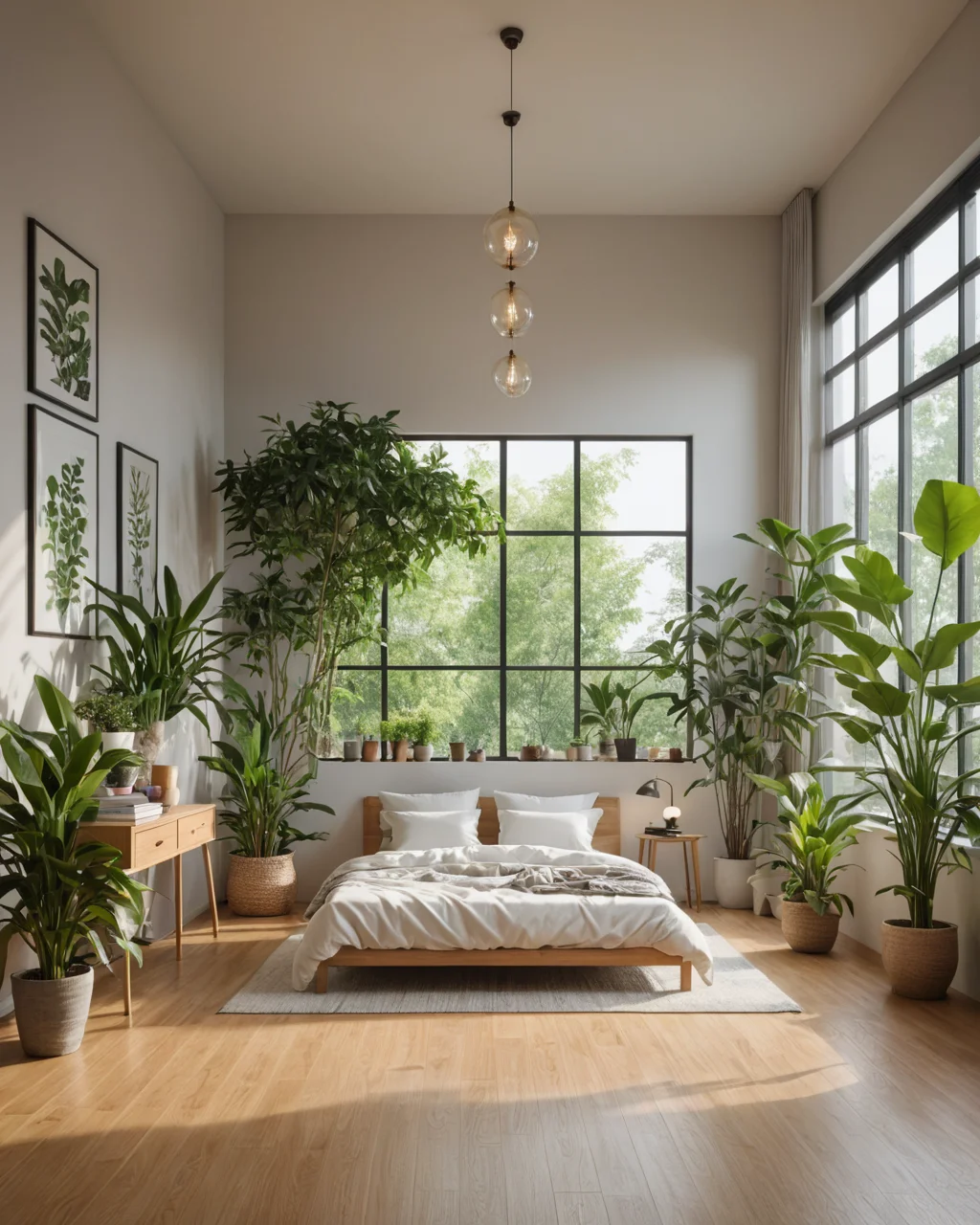
- Basic Principles of Feng Shui and Their Importance for Energy. Feng Shui is an art according to which the position of objects in space influences energy flows. This philosophy implies that everything is significant: from the arrangement of furniture in a room to the landscapes outside the window. The main task of Feng Shui is to create the right balance of energy (Qi) and provide people with harmony, comfort, and a good mood. For example, the entrance door should be oriented so that Qi can enter the house unimpeded, bringing luck and well-being. Moreover, the foundations of the philosophy are based on the contrast of yin and yang – two contradictory but complementary forces. This is also considered in the context of group interactions.
- Historical Context and Philosophy of Feng Shui. Feng Shui has a centuries-old history, its roots go back to ancient China, where it was used to determine the location of houses and graves. These tips were passed down from generation to generation, helping people realize how their environment affects their lives. Today, we find the implementation of this knowledge at the level of urban architecture and modern interior design. Interestingly, even the trend for open spaces, where there are no bulky partitions, is driven by the understanding of the need for free energy movement, which, in turn, is not at all characteristic of the style of the past.
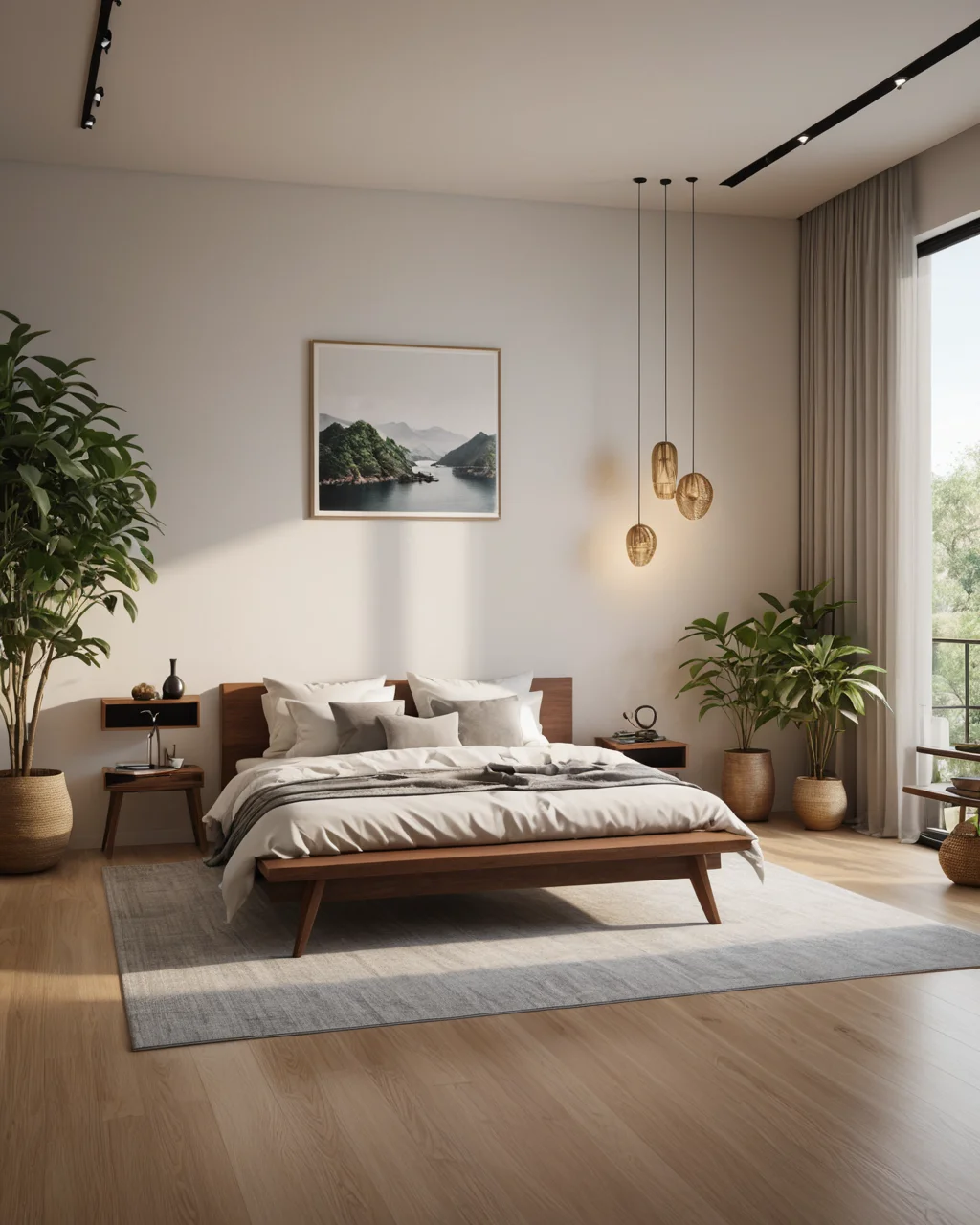
- How Feng Shui Affects Our Environment and Perception. We don’t always realize how much our environment affects our mood and behavior. A well-planned space creates peace and comfort, while clutter activates stress and anxiety. Feng Shui elements can also be useful in offices: proper lighting, comfortable furniture, and the correct arrangement of workplaces contribute to productivity. This is no longer just an Egyptian science, but a truly working concept that can change life for the better.